
AI Bubble and PC Hardware: What Gamers Need to Know in 2026
OpenAI’s escalating financial losses highlight growing pressure on AI companies struggling to turn massive usage into sustainable revenue models.
Hardware by Masaru Hoshino on Jan 27, 2026
OpenAI has admitted that it is projected to lose $14 billion this year, a staggering figure that highlights the financial strain on AI companies.
While some companies are hemorrhaging money, everyday consumers are facing rising costs for building gaming PCs and upgrading hardware due to a supply crisis in computer memory chips, particularly RAM. Surprisingly, these two issues are closely connected, and the financial decisions of AI companies could directly affect your next PC build.
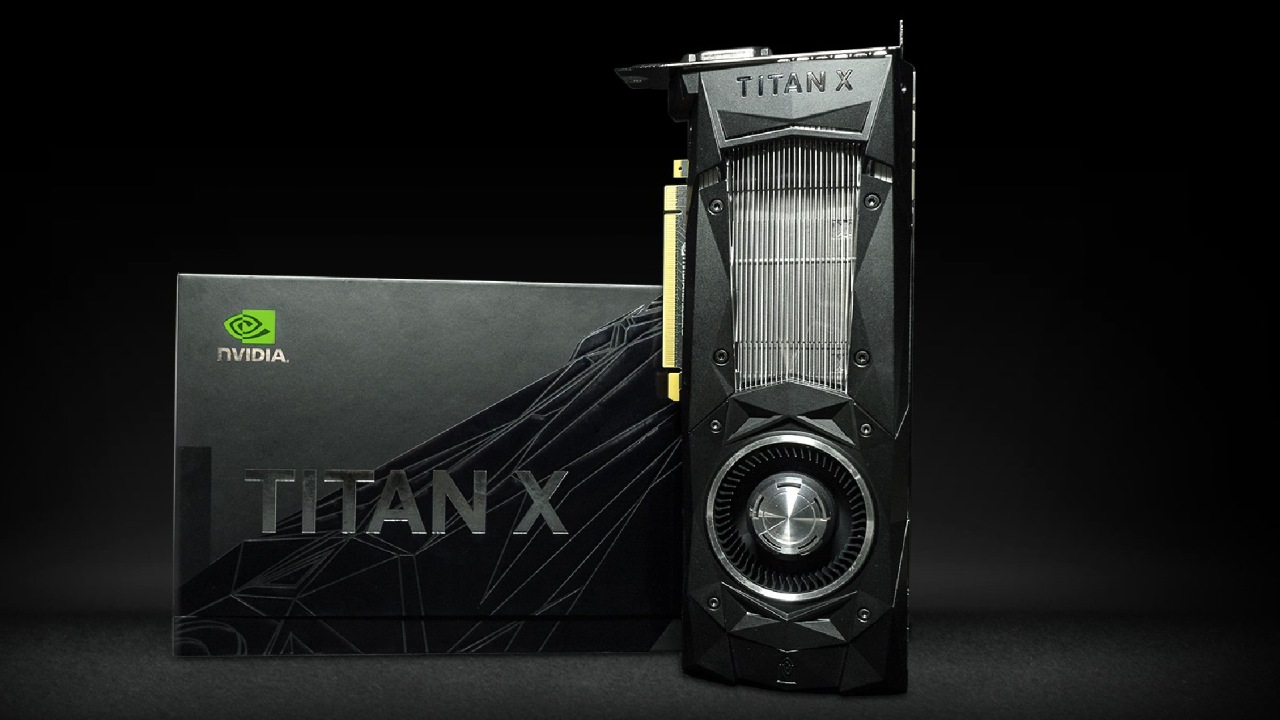
AI Boom and Prices of Hardware
AI firms are not the only ones having a hard time. The rise in hardware prices is directly related to AI-driven demand. For instance, DDR5 memory has gone up more than 300% in just three months. A 32GB kit that cost $95 in the middle of 2025 now costs around $400.
Some kits' prices have gone up three times in less than a year. According to experts in the field, DDR5 prices could go up another 50–60% in the first quarter of 2026.
GPUs are following a similar pattern. The RTX 5090, launched at $2,000, is already selling for up to $4,000 at some retailers, with predictions it could hit $5,000 by year-end. Reports say Nvidia has reduced production of the GeForce RTX 50 series by 30–40% to free up memory for AI chips, which make more money.
PC shipments are expected to drop by as much as 9% in 2026, and the memory crisis is worsening. Major memory manufacturers such as Samsung, SK Hynix, and Micron have shifted production toward HBM memory for AI chips, often sacrificing three bits of consumer DDR5 memory for each bit of HBM.
SK Hynix has sold out its 2026 RAM production capacity to AI companies, and Samsung has increased DDR5 prices by 60% since September. Costs for SSDs have increased by 46%, and costs for hard drives are likely to increase as well.
What it means for gamers and PC builders
These shortages are making it hard to upgrade your PC. Pre-built systems, GPUs, RAM, and SSDs all cost a lot more. One important thing is that AI data centers are willing to pay any memory price, which drives prices even higher.
Jensen Wong, the CEO of Nvidia, said the company is now prioritizing AI infrastructure over gaming. He also said that AI demand is changing the whole hardware market. The shortages are anticipated to endure until at least 2028, and new memory fabs probably won't be ready until 2027.
For gamers, this means that a PC configuration that cost $1,500 in 2024 could now cost more than $3,000. Even high-end graphics cards, pre-built, and SSDs are becoming less affordable.
If you're in the market for an upgrade, it's clear that current prices are likely the best you'll see for months, though waiting for the AI bubble to deflate could eventually bring relief.
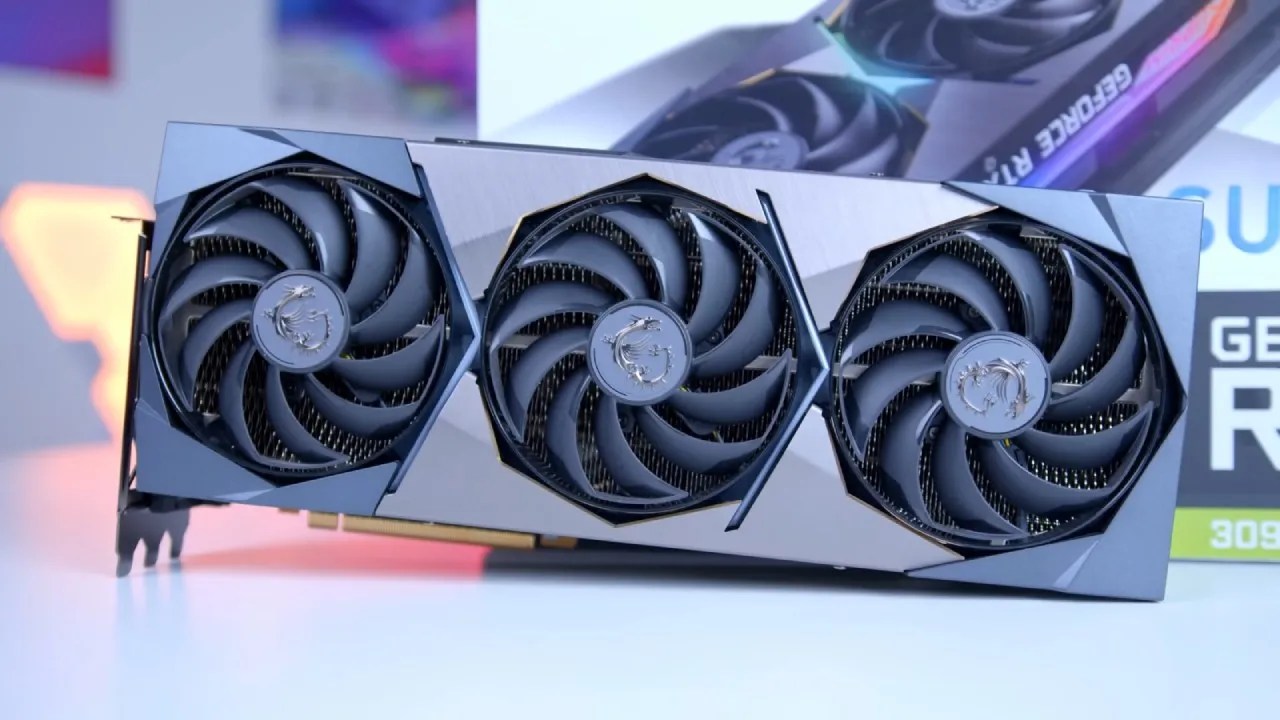
A Silver Lining: Relief Could Be Coming
Even while it will be hard, OpenAI's huge losses could be good news for PC builders in the long run. In the past, tech bubbles have followed a pattern: a lot of enthusiasm, spending that can't last, and then the market correcting itself.
OpenAI's $14 billion annual deficit, along with other AI businesses' struggles to turn a profit, suggest the AI spending frenzy may be coming to an end.
When that happens, memory manufacturers will have to pivot back to consumer products, allowing DDR5 and GDDR memory production to return to gaming hardware. GPU production will also normalize, and prices could stabilize.
While this isn't happening overnight, it signals that PC builders may eventually see hardware prices return to a more realistic level.
What You Should Do Now
If you need to upgrade your PC, you should do so as soon as possible, as prices may not drop for months. This is true for RAM, GPUs, SSDs, and other gear. If you don't need to upgrade right away, you might be able to get better deals if you wait until the AI spending bubble breaks down, which could happen in late 2026 or 2027.
If you look at older gear like the RTX 4070, 4080, or AMD 7800XT, you can get a better deal than buying the newest series at inflated prices.
It's important to keep up with the finances of AI companies. When you see these corporations acknowledging losses and cutting back on AI spending, you know that prices for hardware will soon go down. The connection between AI financials and your PC budget is clear—OpenAI is losing $14 billion. At the same time, your RAM costs $400 is not a coincidence, but this situation won't last forever.
Also, check our other NVIDIA articles below:
- NVIDIA GeForce RTX 5080 Review (2025): Still A 4K Gaming Powerhouse?
- NVIDIA RTX 5070 Review: Mid-Range Muscle or Marketing Hype?
- RTX 5070 Ti Review: Performance, Thermals & Power Efficiency Tested
- ASUS GeForce RTX 5090 LC Liquid Cooled GPU Review: Unmatched Silence & Speed
- MSI GeForce RTX 5090 32GB SUPRIM SOC Review: Power Efficiency, Cooling, and Gaming Performance
- INNO3D RTX 5060 Ti 16 GB X2 Review: Gaming Benchmarks, Temps, and Power Efficiency
- HP Omen 45L Review: RTX 5090 Performance, Thermals, and Value Analysis
- ASUS TUF Gaming GeForce RTX 5060 Ti Review: DLSS 4, Power Efficiency, and Gaming
- ASUS Prime RTX 5060 Ti OC 16GB Review: DLSS 4, Ray Tracing, & Thermals Tested
- NVIDIA GeForce RTX 5060 Review: Specs, Gaming, and Cost per Frame
- MSI GeForce RTX 5090 GAMING TRIO OC Review: A Monster Power GPU
Editor, NoobFeed
Gaming Hardware Updates
No Data.