
AI Demand Driving RAM Prices Higher and Reshaping GPU Launch Strategies
GPU production priorities increasingly favor profitable models as shortages impact mainstream graphics cards and consumer availability.
Hardware by Shinji Okazaki on Mar 14, 2026
Rising memory prices and AI demand are reshaping the gaming hardware market. GPU launches, component shortages, and shifting industry priorities are changing how companies build and sell gaming hardware. So, this is why RAM costs so much. AI interviews the people on board the Titanic.
That was a good joke. AI, we really appreciate our memory prices going up so much. At the same time, we are getting GPUs released like this because why give consumers good-value GPUs when companies can put them in AI data centers instead?
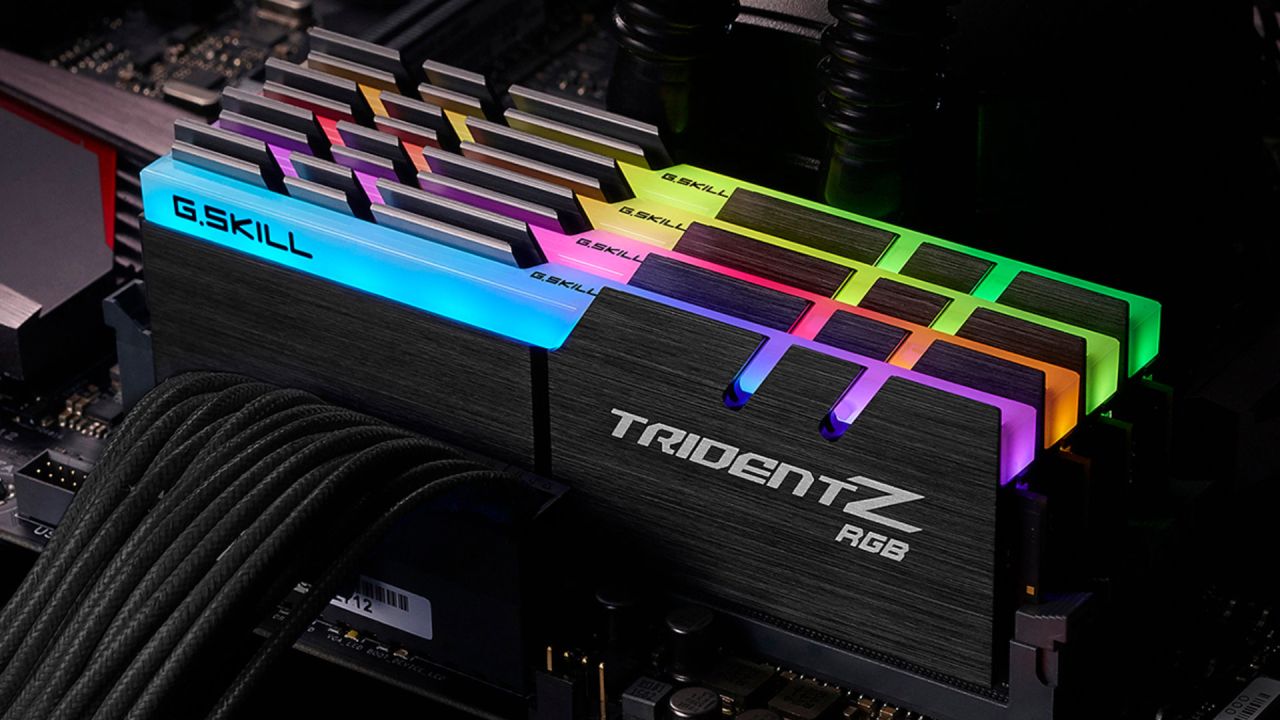
RAM Prices, AI Demand, and the Hardware Crunch
OpenAI is trying to acquire 40% of global DRAM output for just one of its projects. That does not even include all the other AI companies that are trying to secure memory output as well. OpenAI also made an agreement with the Department of War.
The situation has reached a point where strange things happen. One person reportedly received a shipment of memory by accident. The box contained about 640GB of memory. That is generational wealth right now.
Intel Quietly Launching New CPUs
Did you notice that Intel is releasing new CPUs right now? They are refresh models, but if we look into the specifications and performance numbers Intel presented, the chips appear decent. The problem is that almost nobody is paying attention. RAM prices are extremely high, leading many to question whether building a PC is worth it right now.
Because of that situation, Nvidia held a GeForce presentation for gamers. They did not introduce new products. They did not address supply shortages or pricing issues. Instead, the presentation focused on games using path tracing, a feature most people cannot realistically use unless they own a GPU costing at least $500.
NVIDIA also discussed dynamic multi-frame generation. That feature is expected to arrive sooner than expected. Even when the topic of availability or pricing came up, it was not addressed.
The RTX 5050 9GB Rumor
NVIDIA appears to be preparing a new GPU. Gamers have complained about 8GB of VRAM for years because modern games often require more. GPUs remained at 8GB for almost a decade. NVIDIA may now introduce the RTX 5050 with 9GB of VRAM.
RTX 5050 is the entry-level model in the 50-series lineup. It originally launched at around $250, but prices have moved closer to $300. The card is not particularly fast, and even within Nvidia's lineup, it has not offered strong value. Now, Nvidia plans to refresh the card with slightly more memory.
Why 9GB of VRAM Looks Unusual
A 9GB graphics card sounds unusual. More leaks suggest that it could be real. The original RTX 5050 used four memory modules. Each module had 2GB of memory, connected through a 128-bit bus. Each module handled 32bits of the bus. With GDDR6 memory running at 20Gbps, the bandwidth calculation becomes: The rumored model changes that design. The new card uses a 96-bit bus, similar to the RTX 3050 6GB configuration. The unusual part is that the card still has 9GB of VRAM.
That is possible because it uses 3GB memory modules. The downside is that reducing the bus width can reduce bandwidth. More memory modules usually allow the GPU to communicate with multiple modules simultaneously, improving throughput.
However, GDDR6 does not support 3GB modules. Only GDDR7 offers that capacity. GDDR7 also increases memory speeds to about 28 Gbps. When we calculate the bandwidth with those speeds, the card ends up with about 5% more bandwidth than the previous version, despite the narrower bus. So, physically, it looks like a downgrade, but the bandwidth is slightly higher.
Does 1GB More VRAM Actually Matter?
You might wonder whether 1GB of extra VRAM makes a difference. At least it is not 8GB anymore. That is the current situation. Modern Nvidia features like DLSS and frame generation increase VRAM usage. Even upscaling features can raise memory consumption.
Sometimes a game optimized for 8GB RAM behaves strangely when DLSS is enabled. For example, performance can drop when switching to ultra-performance mode, or the game can behave inconsistently after changing settings. A GPU with 9GB of VRAM might avoid those issues because DLSS has more memory available. That is the main scenario where the extra gigabyte could help. Most of the time, though, the difference will not be noticeable.
Why Nvidia Might Be Doing This
Why would Nvidia release a GPU like this? The change does not affect Nvidia's AI plans much. The company may be trying to provide something for gamers while still prioritizing profitability.
Another reason could be memory standardization. The rest of the 50-series lineup already uses GDDR7 memory. RTX 5050 is the only model still tied to GDDR6. NVIDIA may want the entire lineup to use GDDR7 so future memory orders become simpler.
GDDR6 is not necessarily outdated. AMD still uses it on modern GPUs, and performance remains competitive. However, Nvidia might want to fully move to GDDR7.
Possible RTX 50 Super Refresh
Leaked specifications suggest the following memory upgrades using 3GB modules, RTX 5070 from 12GB to 18GB, RTX 5070 Ti from 16GB to 24GB, RTX 5080 from 16GB to 24GB If Nvidia shifts to 3GB GDDR7 modules across the lineup, the RTX 5050 9GB could be the first mainstream implementation.
Why NVIDIA Did Not Use 12GB
NVIDIA had an opportunity to make this card stronger. If the RTX 5050 used a 128-bit bus with 3GB modules, it could have 12GB of VRAM. That would be a meaningful increase. RTX 3060 with 12GB of VRAM remains popular partly because of that capacity. A $250 GPU with 12GB would still be attractive.
The problem is memory bandwidth. RTX 5050 with GDDR6 currently has 320 GB/s of bandwidth. RTX 5060 with GDDR7 reaches about 448 GB/s. If Nvidia gave the RTX 5050 a 128-bit128-bit GDDR7 configuration, bandwidth would also reach 448 GB/s. Combined with 12GB of VRAM, the card could approach RTX 5060 performance in some scenarios. Since the RTX 5060 costs more, Nvidia likely avoided that situation. The result is a 9GB GPU instead.
When the RTX 5050 9GB Could Launch
When could this card be released? Shipping manifests already list it. That means companies are moving units internally. Retail distribution may already be underway. Some reports suggest the GPU could launch within three months, possibly around Computex near the end of May. Sources close to AIB partners indicate that the product exists and development is nearly complete.
GPU Die Shortages and Production Shifts
Another report suggests Nvidia may face shortages of GPU dies. Because many chips are allocated to AI contracts, Nvidia might use RTX 5070 dies to produce RTX 5060 GPUs. The 5070 uses the GB205 die.
There are several reasons this could happen. One possibility is that Nvidia cannot secure enough memory to build full 12GB RTX 5070 cards. Another possibility is that production of RTX 5060 Ti cards ramped up so heavily that there are not enough chips for regular RTX 5060 models.
NVIDIA prioritizes the models with the highest profit margins. RTX 5060 Ti 8GB generates strong margins in its tier, while the RTX 5080 does the same in the high-end segment. Because of that strategy, Nvidia may produce fewer RTX 5060 units.
The Return of the RTX 3060
Another unusual development is the possible return of the RTX 3060. The GPU originally launched in 2021. Production declined significantly about two years ago. Now, Nvidia may resume manufacturing. The card will likely not return with 12GB VRAM. There is also an 8GB version of the RTX 3060, which might be used instead.
Even though the card is older, the memory still costs money. RTX 3060 was produced using Samsung's 8nm process, while newer GPUs rely on smaller TSMC nodes. NVIDIA could revive the older production line to supply gaming GPUs while reserving advanced nodes for AI chips. NVIDIA's leadership has mentioned that bringing back older GPUs could help increase supply for gamers since AI data centers prefer newer hardware.
Hardware Shortages Affecting Gaming Platforms
GPU shortages also affect companies building gaming devices. Valve previously indicated uncertainty about shipping certain hardware products due to limited component availability. Memory and storage shortages forced reevaluation of release plans.
Later, Valve updated its messaging and confirmed that three hardware products are still planned for release during 2026. More updates will appear once plans are finalized. The official website currently lists early 2026 as the expected timeframe.
Memory Demands for Next-Generation Consoles
Console hardware also faces memory challenges. PlayStation previously stated that memory supply would remain sufficient through 2026 for current console production. However, the next generation may require significantly more memory.
Leaked specifications suggest the PS6 could include around 30GB of GDDR7 memory. Some estimates place it closer to 20GB. One method to achieve 30GB is clamshell memory placement. That technique places memory modules on both sides of the PCB.
Earlier consoles used similar designs. For example, previous hardware used modules on both the front and back of the board to double the total capacity. With modern 3GB modules, clamshell configurations could reach very large capacities.
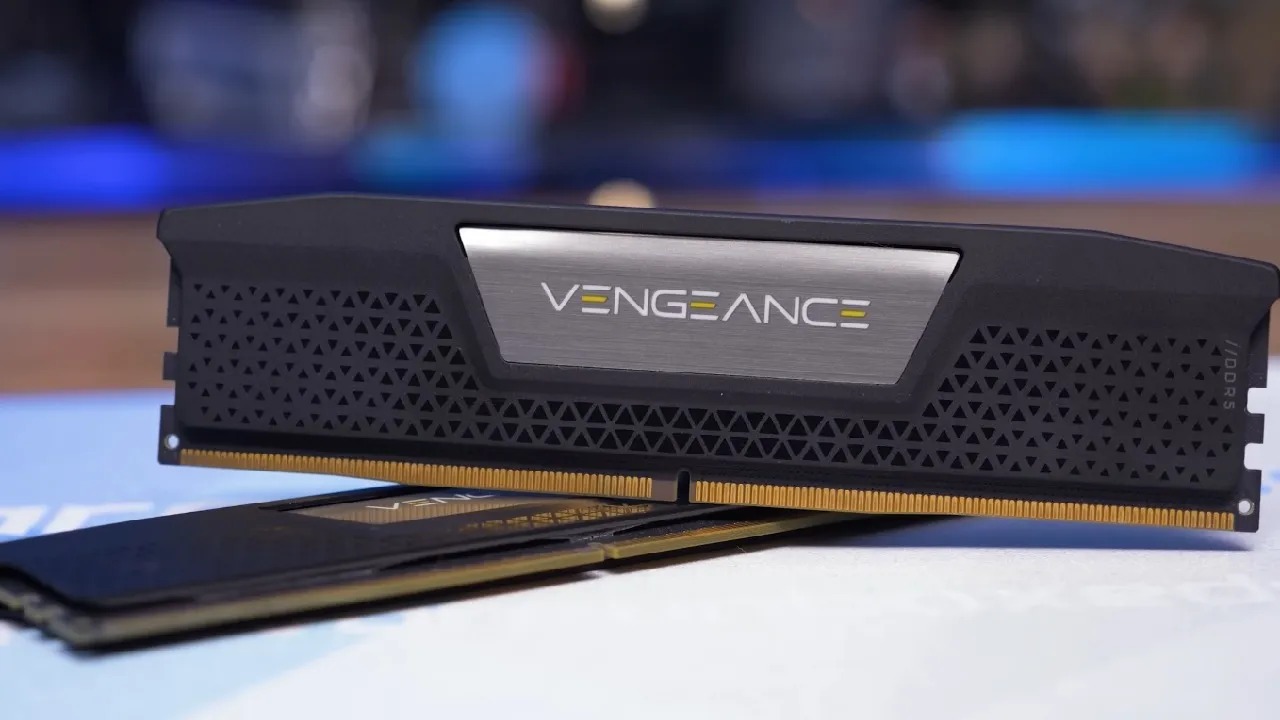
Xbox Project Helix and Massive Memory Targets
Xbox is also preparing next-generation hardware. Leaks about Project Helix describe a hybrid system combining console and PC features. Reported specifications suggest a memory bus up to 192bits and potentially as much as 48GB of GDDR7 memory.
Those numbers are extremely large for a console platform. Amid a memory shortage, it raises questions about how companies will secure sufficient supply.
Final Thoughts
Memory costs keep going up because AI uses up a lot of the supply. Strategies for making GPUs, making game hardware, and getting PC parts are all affected. Manufacturers are changing designs, bringing old hardware back to life, and trying out new combinations like 9GB GPUs. The market for hardware is changing quickly, and memory supply is having a bigger impact on prices, specs, and availability than standard gaming demand.
Also, check our other hardware articles:
- AMD Ryzen 9 9950X3D Review: Setting The Standard For 2025 Gaming CPU
- Amazon Luna 2025 Review: Is Prime Gaming's Cloud Service Your Go-To For Casual Fun?
- AMD RX 9070 XT Review: AMD's RDNA 4 Champion for 1440p Gaming
- GeForce Now Ultimate: Ditching Your Gaming PC For Cloud RTX 4080 Power?
- NVIDIA GeForce RTX 5080 Review (2025): Still A 4K Gaming Powerhouse?
- Intel Core Ultra 9 285K Review And Performance Breakdown (2025)
- AMD Ryzen 7 9800X3D Review: 3D V-Cache Goes God Mode with Stunning Gaming Performance
- Intel Core Ultra 9 285K vs AMD Ryzen 7 9800X3D: In-Depth Gaming Performance and Benchmark Comparison
- NVIDIA GeForce RTX 5080 Super Performance In Cyberpunk 2077: Path Tracing & DLSS 4.0 Tested
- AMD Radeon RX 9070 XT In Cyberpunk 2077: Ray Tracing & FSR 4.0 Tested
- Intel Arc B580 Review: The $250 GPU Revolutionizing 1440p Gaming
- Intel Arc B570 Vs. B580: Value, Specs, And Real-World Gaming Performance
- RTX 5090 Laptop Vs. M4 Max MacBook Pro: Ultimate Raw Performance Vs. Battery Endurance
- Intel Arc b580 Vs. RTX 4060: Game Performance And Value Analysis
- RTX5090 Hell Is Us Demo 4K Ultra Benchmark: DLSS Vs. Native Performance Guide
- NVIDIA RTX 5070 Review: Mid-Range Muscle or Marketing Hype?
- Nintendo Switch 2 Review: Handheld Performance, Features & Value Breakdown
- RTX 5070 Ti Review: Performance, Thermals & Power Efficiency Tested
- Samsung Odyssey OLED G81SF Review 2025: Ultimate 32-Inch QD-OLED Gaming Monitor
- AMD RX 9070 Performance Review: Thermals, Clocks, and Real-World FPS
- AMD Ryzen 5 7600 Review: Best Budget Gaming CPU of 2025?
- AMD Radeon RX 7800 XT Review: RDNA 3 Power For Midrange Gaming
- Asus ROG RTX 5090 Astral OC Vs. Founders Edition: The 4K Gaming Benchmark
Editor, NoobFeed
Gaming Hardware Updates
No Data.