
AMD RDNA5 Release Timeline, RTX 60 Competition, and What It Means for Next-Gen Gaming
Why RDNA5 Is Critical for Next-Generation Consoles and AMD’s Long-Term Graphics Strategy
Hardware by Mitsuba Miyu on Jan 21, 2026
One of the most talked-about issues in the GPU world is whether or not gamers can get RDNA5. There are still doubts about whether it will come out after Nvidia's RTX 60 series and whether it can really compete with a premium card like the RTX 6090.
RDNA5 is also an important design for AMD because it will likely be the basis for the GPU in the PlayStation 6 and the next-generation Xbox. There are new reports about architecture and leaked benchmarks for the Ryzen9 9950X3D2, which makes this a very full and complicated subject.
RDNA5 Release Date Ambiguity
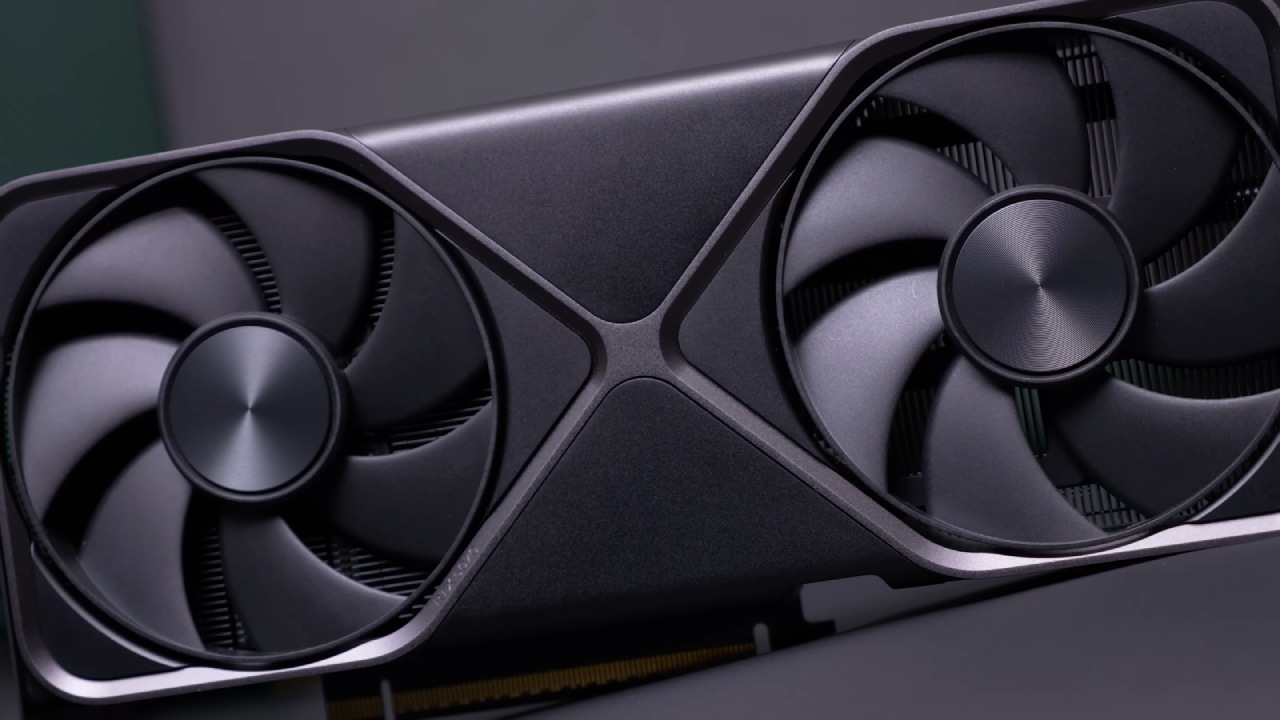
There is still a lot of doubt about when RDNA5 will be released. From earlier leaks, people thought it would happen between September and October. Some signs pointed to an announcement at Computex next year instead of a start.
According to new leaks, AMD might not release RDNA5 until after Nvidia's RTX 60 series. From what we've heard, the RTX60 should come out in the second half of 2027. However, Nvidia doesn't seem to have a firm release date yet because of ongoing memory issues.
It's now being said that RDNA5 might come out in the middle of 2027, which fits better with the idea of an announcement around Computex. We've seen that there can be a big difference between a press briefing, an architectural reveal, and a real retail sale.
Vega is a good example from the past because AMD showed off features and speed long before most people could buy them. This kind of method might be used again, especially since RDNA5 is so important for next-generation consoles.
Internal RDNA5 Configurations and GPU Variants
When people talk about RDNA5, they often refer to three internal setups: 80, 81, and 82. The most powerful version is likely to be built for cloud gaming, while a different version is primarily for gaming and will likely serve as the basis for the next-generation Xbox GPU.
People are still not sure what the structure of compute units means. Earlier information said each compute unit had 128 shaders. Still, new leaks suggest the layout has changed and could now have 192 shaders.
Some sources say that the best setup has 184 shaders, while others think that a version with 192 shaders may still exist. It's possible that configurations aren't set in stone yet or that different sources are referring to different internal targets.
There are signs that the configuration has been slashed for parts meant for gaming, with numbers like 154 compute units, 40MB of L2 cache, and power goals of around 380W being discussed. Infinity Cache is still unclear; there has been no official proof yet. It's more likely that RDNA5 will use a single compute die with a media die, rather than several compute dies.
Lower-end game versions are likely to be greatly reduced, possibly having as few as 64 compute units. According to estimates, these GPUs' performance is about the same as an RTX4090-class card. This would still be a big step forward if the promised efficiency gains happen.
Efficiency, Ray Tracing, and Architectural Priorities
As far as we can tell, RDNA5 places much greater emphasis on efficiency than AMD's previous architectures. Reports say that ray tracing speed is very important, which makes sense given what both Sony and Microsoft want from future consoles.
More and more attention is being paid to neural rendering through DirectX, along with improvements in radiance cores and better hardware support for ray tracing.
Because RDNA5 doesn't need high-end PC GPUs, efficiency is very important. People think that the same design will work on consoles and maybe even handheld devices, which have much smaller power budgets. For it to work, it will need to perform well without using a lot of power.
Work Group Processor Patent Insights
A cool patent on workgroup processors provides more background on RDNA5's design goals. The patent describes work-group processors that can start and manage tasks more quickly without relying on the GPU's centralized scheduling.
The patent is still being processed, but it was made public last year and shows how AMD might improve efficiency and parallelism in a basic way.
This approach, if implemented, could make it easier and faster for RDNA5 GPUs to handle different types of workloads. This aligns with AMD's overall goal of improving compute utilization and scalability across all platforms.
Memory Constraints and Market Challenges
Memory availability remains one of the biggest problems GPU startups face. Everything from graphics cards to computers and storage devices has been affected by rising prices and supply shortages. AMD has admitted that it's getting harder and harder to make GPUs at the right price without stable and cheap memory sources.
Taking care of the memory ecosystem has become increasingly important, especially as AI and high-performance computers continue to put a lot of demand on the supply.
Some signs point to relief at the end of this year or the beginning of next, but the situation is still hard to predict. The price and quantity of memory will likely have a big impact on when RDNA5 actually hits the market.
Ryzen9 9950X3D2 Benchmark Leak Discussion
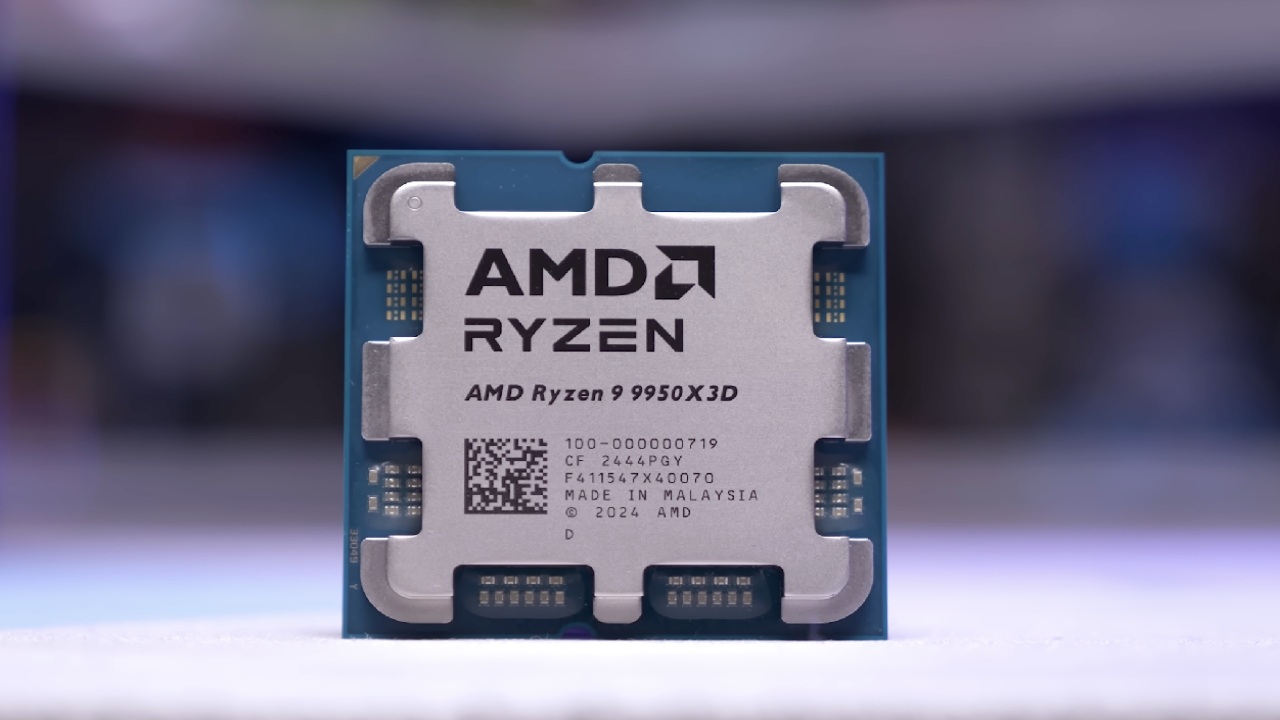
Along with GPU reports, benchmarks for the Ryzen9 9950X3D2 have also been leaked. A recent test gives scores of about 3553 for single-core and 24340 for multi-core. It looks like the benchmark was run on Arch Linux with a high-end Gigabyte motherboard, which gives it some authority, but results can always be fake.
The ad says it has 48GB of DDR5 memory, 96MBx2 of L3 cache, and memory speeds of around 8000MT/s. The specs listed here are in line with what we would expect from a real new CPU.
Even though partners hinted at it, this processor wasn't officially announced at CES. This suggests AMD may be saving it for a later release date, maybe around March, to compete with other processor refreshes.
Final Thoughts
RDNA5 looks like it will be one of the most important changes AMD has made to its architecture in years. With all the focus on speed, ray tracing, and compatibility with both consoles and PCs, it's easy to see why people have high hopes.
But because of limited memory and unclear release dates, it's hard to say for sure when players will be able to get their hands on these GPUs. As more leaks and official information come out, the picture should get clearer. For now, though, RDNA5 is still a mix of great potential and unanswered questions.
Also, check our other AMD articles below:
- AMD Ryzen 9 9950X3D Review: Setting The Standard For 2025 Gaming CPU
- AMD Ryzen 7 9800X3D Review: 3D V-Cache Goes God Mode with Stunning Gaming Performance
- AMD RX 9070 Performance Review: Thermals, Clocks, and Real-World FPS
- AMD Ryzen 5 7600 Review: Best Budget Gaming CPU of 2025?
- AMD Radeon RX 7800 XT Review: RDNA 3 Power For Midrange Gaming
- Sapphire NITRO+ AMD Radeon RX 9070 XT Review: The Ultimate 4K Gaming GPU
- AMD Ryzen 7 7800X3D: Delivers Gaming Performance Far Beyond Expectations
- AMD Ryzen 9 7900X Review: Powering the AM5 Era with DDR5 & PCIe 5.0
- Intel Core i9‑14900K vs. AMD Ryzen 7 7800X3D: Power Profiles & Gaming Benchmarks
Editor, NoobFeed
Gaming Hardware Updates
No Data.