
Rising DDR5 and NAND Costs Signal Pressure Across the Hardware Market
Expanding memory demand from AI, gaming, and mobile sectors continues to disrupt supply balance across the semiconductor industry.
Hardware by Shinji Okazaki on Mar 09, 2026
Spiraling memory costs are affecting everyone, as PC gamers are starting to feel the pressure. It is affecting consoles, cell phones, and many other devices that rely on computer components, which in the modern era includes nearly everything.
There is a common idea that what goes up eventually comes down. Despite months of rising memory prices, a price collapse may still occur. A report highlighted by DigiTimes indicates that memory prices could eventually fall after the current surge.
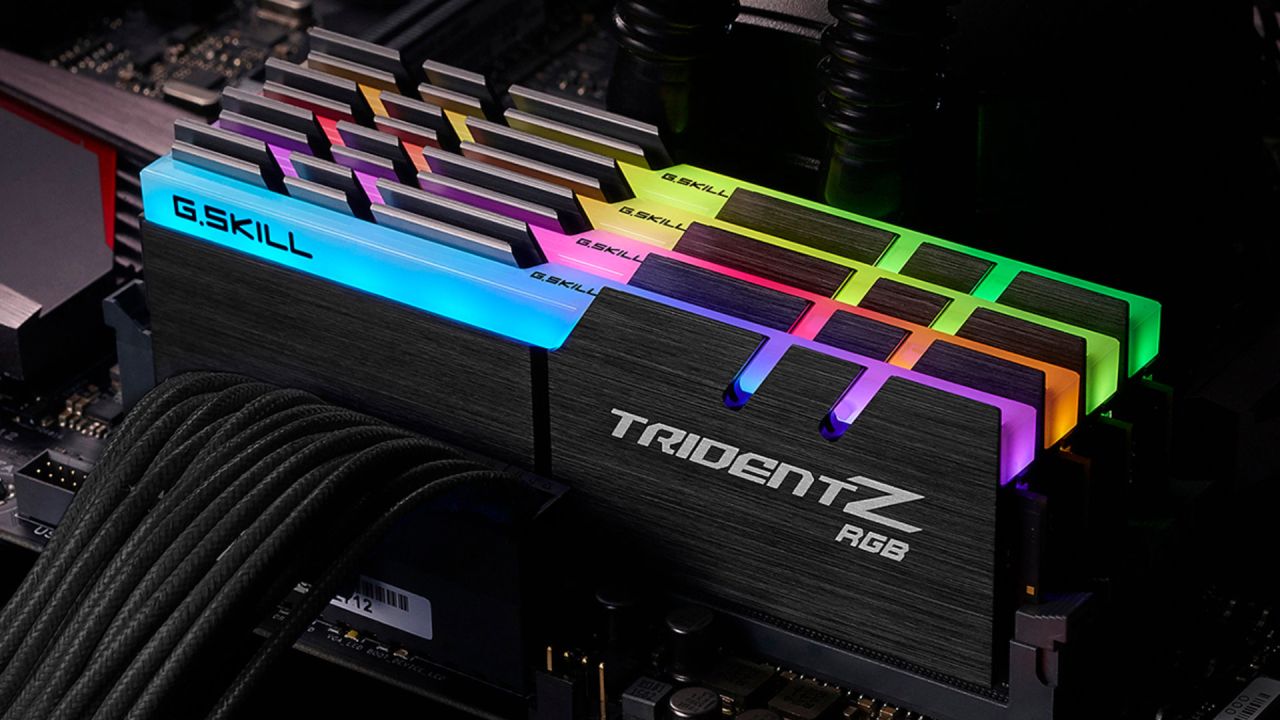
Rising Memory Spot Prices and Supply Pressure
Memory spot prices increased broadly in February, with NAND flash wafers leading the rise. The report indicates that the growing gap between demand and supply is driving rapid increases in spot pricing and creating procurement pressure. If this situation continues, it could trigger a collapse in the industry cycle.
Several examples illustrate the trend. DDR5 chips increased by 7.4%. TLC flash wafers reached $25, representing a 25% increase in a single month. Such rapid increases indicate strong demand pressure across the market.
Manufacturing Slowdown and Temporary Cooling
Prices cooled slightly during February due to the Lunar New Year period in China. During this period, manufacturing activity slows as factories reduce operations. When production slows in major hardware manufacturing regions, supply decreases temporarily.
Demand from the global market continues during this period, potentially leading to supply gaps. Once production resumes, prices often resume rising. That pattern is occurring now as prices move back upward.
Analysts Expect Supply Conditions to Improve Later
Industry analysts expect supply shortages to gradually ease between 2027 and 2028. However, pricing may remain elevated for some time because of current market volatility.
There is significant uncertainty in the technology market. AI investments, hardware demand, and semiconductor production capacity are all influencing pricing trends. These variables make it difficult to predict how quickly memory pricing will stabilize.
AI Investment Volatility in the Semiconductor Market
Recent developments in AI investment are also affecting the broader technology sector. NVIDIA previously committed significant funding to AI initiatives, including large investments in OpenAI. That commitment has since been reduced from $100B to roughly $30B.
Jensen Huang also indicated that Nvidia's $10B investment in Anic, announced in November, could mark the end of the company's direct backing of AI startups. These changes suggest that AI funding strategies are evolving as investors examine returns more closely.
DDR5 Memory Prices for Consumers
Looking at consumer trends through PCPartPicker data provides a clearer view of price movement. DDR5-5200 memory remains relatively slow compared to higher speed kits. However, it can still work well for systems using processors like the Ryzen 9850X3D.
Faster memory can deliver a few additional frames in gaming, but X3D processors tend to perform well even with slower memory configurations.
Prices for DDR5 memory increased significantly from December through January and February. More recently, pricing has stabilized slightly for DDR5-5600 and DDR5-5200 kits.
High-Speed Memory Becomes Expensive
DDR5-6000 memory kits are significantly more expensive. High-capacity kits, particularly 64GB configurations, have experienced major price increases.
Previously, these kits were available for around $200. That price level was considered reasonable compared to other PC components. However, similar kits are now approaching $1000, a significant increase in cost.
Price Differences Between Memory Speeds
choices for slower DDR5 memory are still cheaper than choices for faster memory. A 32GB DDR5-6000 kit might cost around $350, while a 32GB DDR5-5600 kit might cost around $270.
The most expensive choices are still 64GB DDR5-6000 kits with more memory. These price differences show how speed and quantity of memory affect prices on the market right now.
AI Demand and Future Market Changes
Reports and discussions about a possible slowdown in AI demand are increasing. By late this year or moving into next year, market dynamics may change.
Investors typically expect a clear return on investment. If AI infrastructure spending does not deliver sufficient returns, funding could decline. That shift would influence demand for high-performance memory and storage hardware.
Expanding Global Memory Production
China is also expanding its presence in the memory manufacturing sector. Production levels are still lower than those of companies like Samsung, but manufacturing volume is gradually increasing.
At the same time, established manufacturers such as Samsung are increasing supply capacity. These developments could improve the balance between supply and demand in the coming years.
Hardware Outlook and Steam Machine Plans
Valve continues to express confidence in launching the Steam Machine later this year. The company appears optimistic that hardware costs will become more manageable despite rising memory and storage prices.
This signals confidence that supply conditions could improve enough to support the release of new hardware.
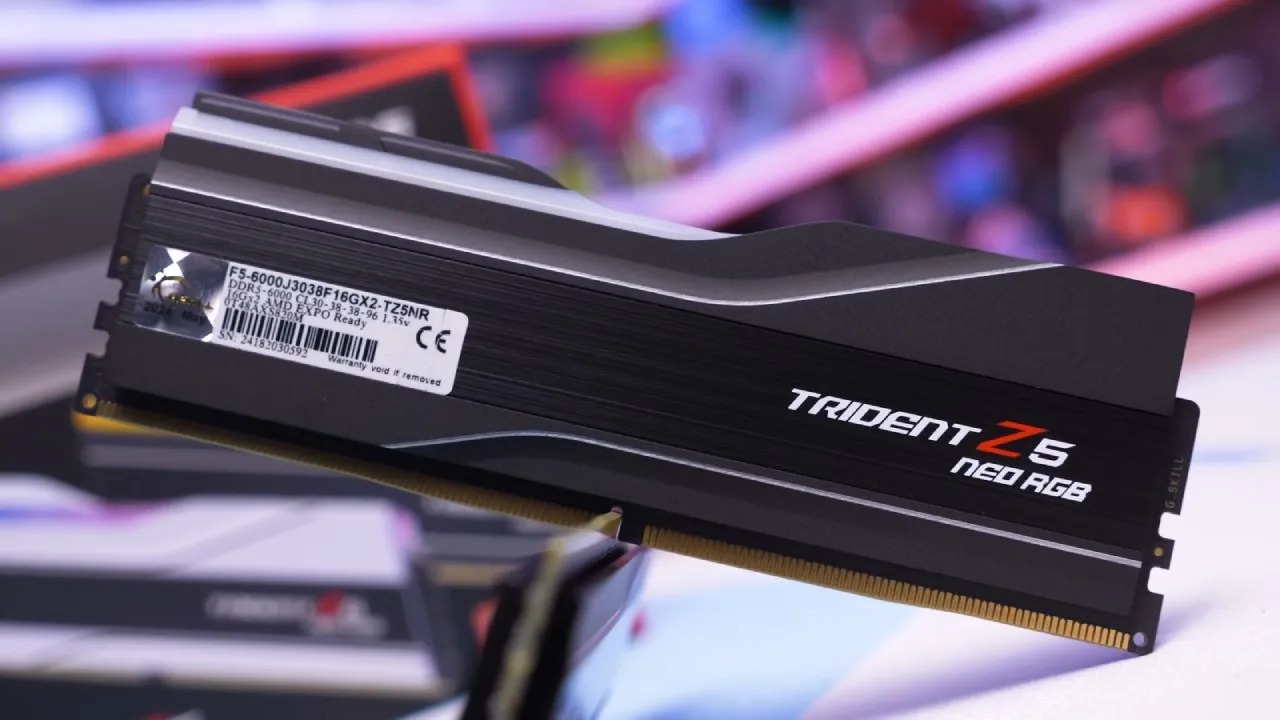
GPU Prices Compared to Memory
At the moment, memory prices are creating more pressure on PC hardware costs than graphics cards. Several GPU models have remained relatively stable in pricing.
For example, the RTX 5060 Ti has remained mostly flat since the start of the year. RTX 5080 has dropped slightly, while the RTX 5090 has remained stable. RTX 5090 may also see demand from AI workloads, not just gaming systems.
AMD's RX 7970 and RX 7970XT have also declined slightly in price, though the change is modest.
Final Thoughts
PC hardware still offers multiple upgrade options despite current pricing conditions. Memory remains the primary cost concern for many builds.
Fortunately, slower DDR5 memory continues to perform adequately with Ryzen X3D processors. Even older processors such as the Ryzen 5800X or 5800X3D remain capable for gaming and general workloads over the next several months and potentially longer.
Current market conditions do not indicate immediate crisis levels for PC hardware. Memory pricing remains the key factor that could influence system costs in the near future.
Also, check our other hardware articles:
- AMD Ryzen 9 9950X3D Review: Setting The Standard For 2025 Gaming CPU
- Amazon Luna 2025 Review: Is Prime Gaming's Cloud Service Your Go-To For Casual Fun?
- AMD RX 9070 XT Review: AMD's RDNA 4 Champion for 1440p Gaming
- GeForce Now Ultimate: Ditching Your Gaming PC For Cloud RTX 4080 Power?
- NVIDIA GeForce RTX 5080 Review (2025): Still A 4K Gaming Powerhouse?
- Intel Core Ultra 9 285K Review And Performance Breakdown (2025)
- AMD Ryzen 7 9800X3D Review: 3D V-Cache Goes God Mode with Stunning Gaming Performance
- Intel Core Ultra 9 285K vs AMD Ryzen 7 9800X3D: In-Depth Gaming Performance and Benchmark Comparison
- NVIDIA GeForce RTX 5080 Super Performance In Cyberpunk 2077: Path Tracing & DLSS 4.0 Tested
- AMD Radeon RX 9070 XT In Cyberpunk 2077: Ray Tracing & FSR 4.0 Tested
- Intel Arc B580 Review: The $250 GPU Revolutionizing 1440p Gaming
- Intel Arc B570 Vs. B580: Value, Specs, And Real-World Gaming Performance
- RTX 5090 Laptop Vs. M4 Max MacBook Pro: Ultimate Raw Performance Vs. Battery Endurance
- Intel Arc b580 Vs. RTX 4060: Game Performance And Value Analysis
- RTX5090 Hell Is Us Demo 4K Ultra Benchmark: DLSS Vs. Native Performance Guide
- NVIDIA RTX 5070 Review: Mid-Range Muscle or Marketing Hype?
- Nintendo Switch 2 Review: Handheld Performance, Features & Value Breakdown
- RTX 5070 Ti Review: Performance, Thermals & Power Efficiency Tested
- Samsung Odyssey OLED G81SF Review 2025: Ultimate 32-Inch QD-OLED Gaming Monitor
- AMD RX 9070 Performance Review: Thermals, Clocks, and Real-World FPS
- AMD Ryzen 5 7600 Review: Best Budget Gaming CPU of 2025?
- AMD Radeon RX 7800 XT Review: RDNA 3 Power For Midrange Gaming
- Asus ROG RTX 5090 Astral OC Vs. Founders Edition: The 4K Gaming Benchmark
Editor, NoobFeed
Gaming Hardware Updates
No Data.