
DDR5 Prices Crash While DRAM Costs Surge Across Global Market
Excess DDR5 stock pressures secondary markets as official DRAM pricing surges across new contract cycles.
Hardware by Shinji Okazaki on Apr 08, 2026
DDR5 prices are sending mixed messages as the market changes between having too much supply in alternate channels and having to pay more to make chips. Inventory gaps and changing contract prices make the memory market hard to understand.
In China, the price of DDR5 is going down, and resellers who got a lot of RAM when it was in short supply now have too much that they can't sell. Market reports say sellers are surrounded by unsold modules, suggesting excess supply and insufficient demand in some outlets.
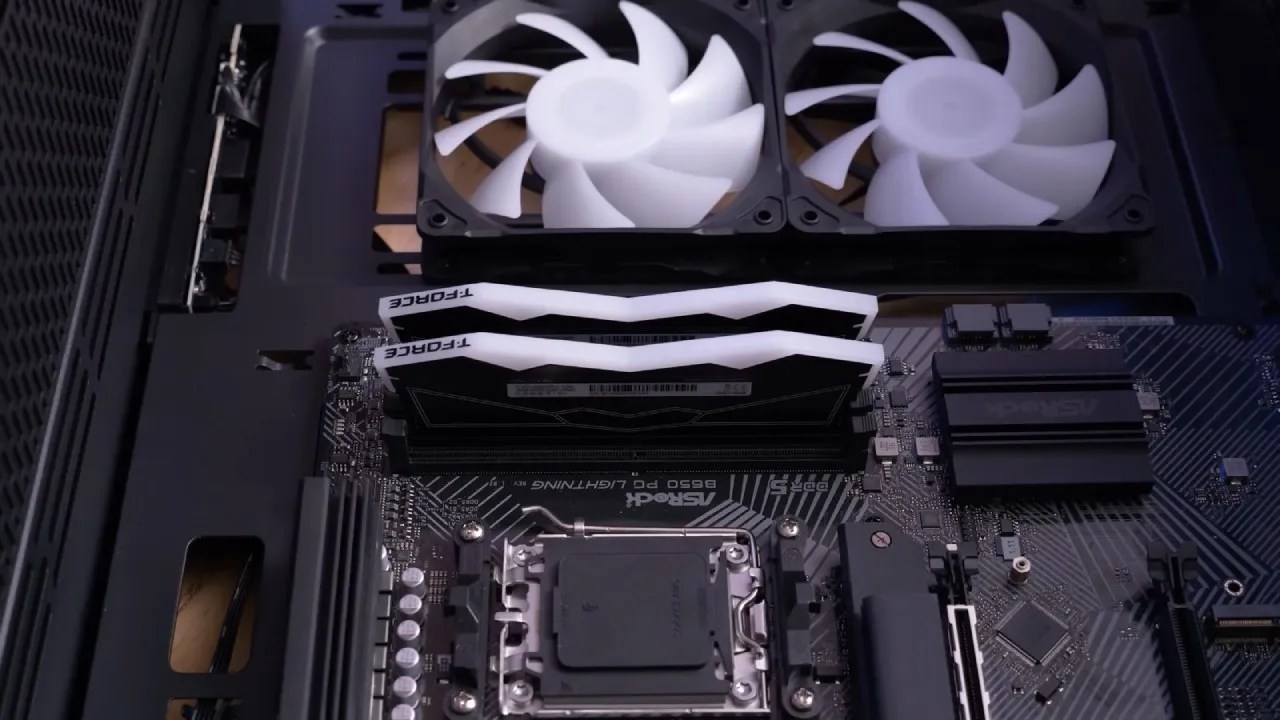
Prices for DDR5 Drop in Secondary Markets
The gray market is where prices are dropping the fastest. This is because things are typically recycled or repackaged rather than made new. Prices in this segment have dropped by 25% to 30% from their previous highs, indicating the market quickly corrected after past shortages. This drop shows how building up a lot of inventory on speculation may lead to big losses when demand levels off or drops.
Prices for Manufacturers go the Other Way
As prices decline on resale marketplaces, costs are rising upstream for manufacturers. According to industry data, DRAM contract costs rose significantly. They went up 30% in the second quarter after doubling in the first quarter. These prices are only for bulk purchasers and major partners, which means the costs for retail and the supply chain differ.
Because of this difference, producers still set prices, even as prices change elsewhere. Official pricing is still affected by production costs, supply deals, and long-term demand forecasts, even if there is excess inventory elsewhere.
Imbalance between Supply and Demand
The DDR5 problem right now shows that supply and demand are not aligning across different market levels. People who sold things stocked up when it was hard to get them because they thought demand would remain high and prices would rise. But once the supply leveled off, the market became full, especially with used goods.
It's different for manufacturers, who have to plan their work and make sure they meet the terms of their contracts. This splits the market, meaning consumer prices may drop briefly while costs remain high.
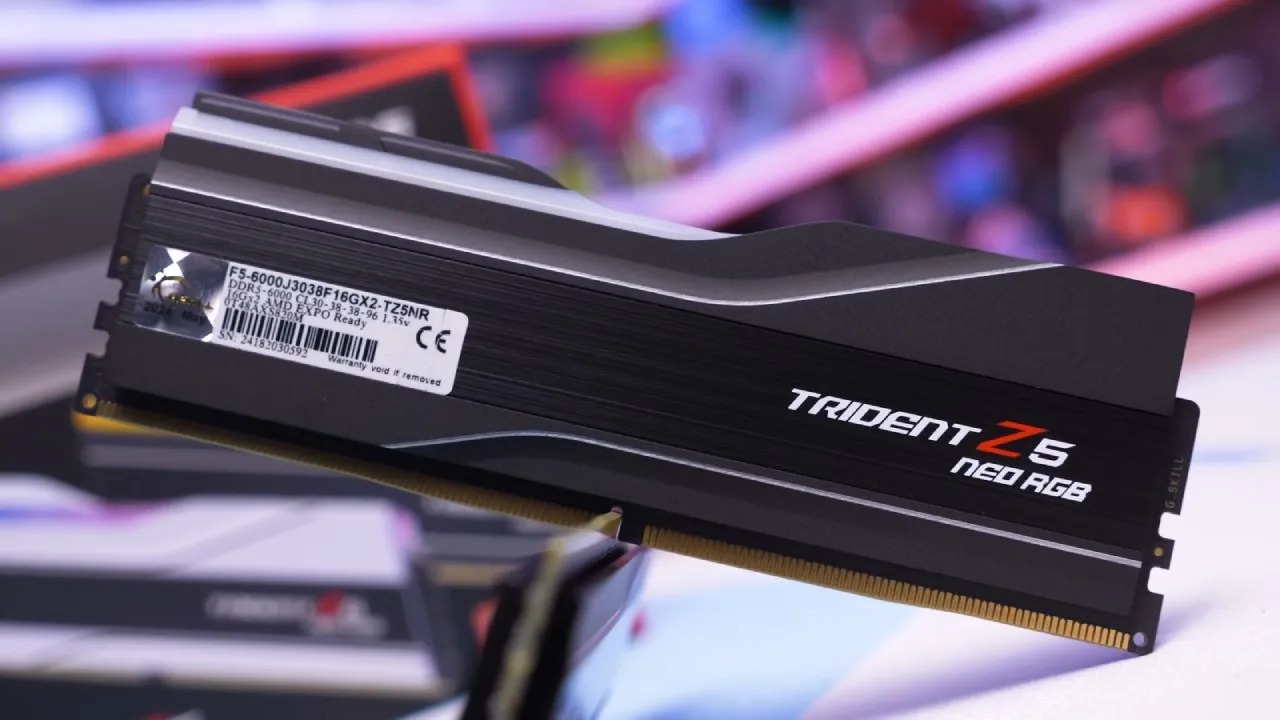
Final Thoughts
Prices for DDR5 remain volatile as these two forces continue to push against each other. Secondary market corrections may continue until there is no excess inventory. Still, contract pricing trends suggest manufacturers don't expect long-term difficulties. In the short run, whether prices stay the same or keep changing will depend on how these groups interact.
Also, check our other hardware articles:
- AMD Ryzen 9 9950X3D Review: Setting The Standard For 2025 Gaming CPU
- Amazon Luna 2025 Review: Is Prime Gaming's Cloud Service Your Go-To For Casual Fun?
- AMD RX 9070 XT Review: AMD's RDNA 4 Champion for 1440p Gaming
- GeForce Now Ultimate: Ditching Your Gaming PC For Cloud RTX 4080 Power?
- NVIDIA GeForce RTX 5080 Review (2025): Still A 4K Gaming Powerhouse?
- Intel Core Ultra 9 285K Review And Performance Breakdown (2025)
- AMD Ryzen 7 9800X3D Review: 3D V-Cache Goes God Mode with Stunning Gaming Performance
- Intel Core Ultra 9 285K vs AMD Ryzen 7 9800X3D: In-Depth Gaming Performance and Benchmark Comparison
- NVIDIA GeForce RTX 5080 Super Performance In Cyberpunk 2077: Path Tracing & DLSS 4.0 Tested
- AMD Radeon RX 9070 XT In Cyberpunk 2077: Ray Tracing & FSR 4.0 Tested
- Intel Arc B580 Review: The $250 GPU Revolutionizing 1440p Gaming
- Intel Arc B570 Vs. B580: Value, Specs, And Real-World Gaming Performance
- RTX 5090 Laptop Vs. M4 Max MacBook Pro: Ultimate Raw Performance Vs. Battery Endurance
- Intel Arc b580 Vs. RTX 4060: Game Performance And Value Analysis
- RTX5090 Hell Is Us Demo 4K Ultra Benchmark: DLSS Vs. Native Performance Guide
- NVIDIA RTX 5070 Review: Mid-Range Muscle or Marketing Hype?
- Nintendo Switch 2 Review: Handheld Performance, Features & Value Breakdown
- RTX 5070 Ti Review: Performance, Thermals & Power Efficiency Tested
- Samsung Odyssey OLED G81SF Review 2025: Ultimate 32-Inch QD-OLED Gaming Monitor
- AMD RX 9070 Performance Review: Thermals, Clocks, and Real-World FPS
- AMD Ryzen 5 7600 Review: Best Budget Gaming CPU of 2025?
- AMD Radeon RX 7800 XT Review: RDNA 3 Power For Midrange Gaming
- Asus ROG RTX 5090 Astral OC Vs. Founders Edition: The 4K Gaming Benchmark
Editor, NoobFeed
Gaming Hardware Updates
No Data.