
DDR5 Prices Surge 4X as AI Demand Disrupts Global DRAM Supply
CXMT enters spotlight as independent DRAM supplier amid tightening global memory supply.
Hardware by Nahe Yan on Feb 18, 2026
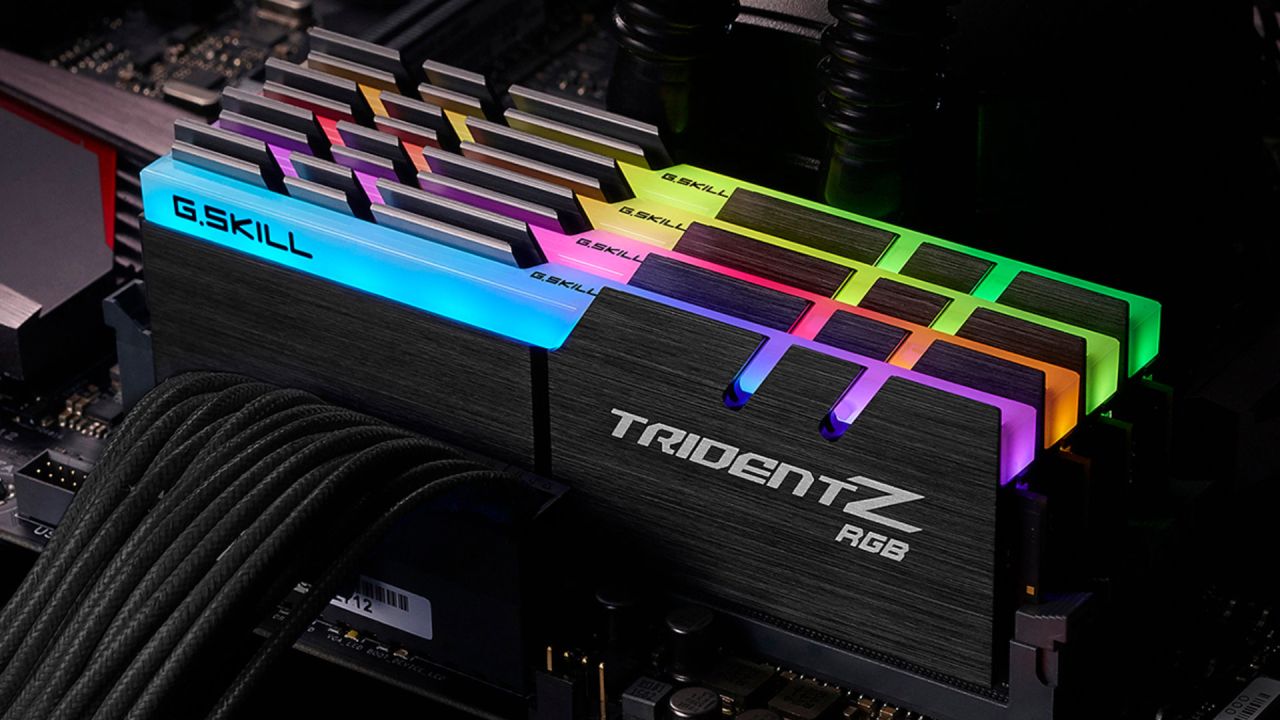
Prices in the DDR5 market remain high, putting pressure on the market. After a major shift in DRAM production toward high-bandwidth memory for AI applications, the prices of consumer-grade memory rose sharply.
This unexpected change made conventional DDR5 modules hard to find overnight, leaving PC builders with few, costly choices.
Why DDR5 Prices Went Up So Quickly
The price of DDR5 began to rise quickly when major purchasers focused on AI secured long-term production capacity from the world's largest DRAM makers. In response, these companies moved manufacturing lines away from consumer memory and toward HBM and server-grade products that generated higher revenue. The change made conventional DDR5 less available right away because only a few companies control most of the world's DRAM supply. Kits that used to be considered good value for money saw their costs rise by more than 4 times in just a few months.
What it means for PC builders
As DDR5 prices rose, many people considering building or upgrading gaming PCs considered switching to DDR4. But DDR4 production had already stopped, which led to higher costs there as well. This eliminated the last affordable option, leaving builders with either higher DDR5 prices or longer upgrade completion times.
A New Player Not Involved in AI Contracts
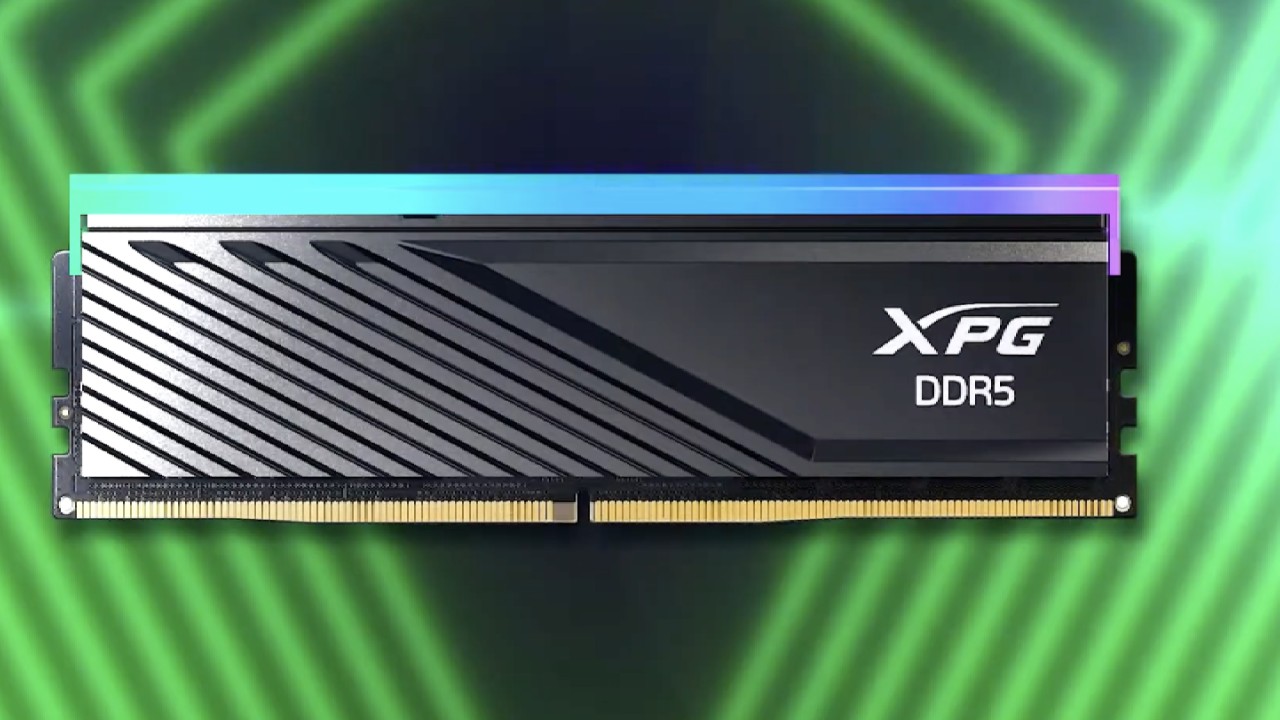
A smaller DRAM maker that wasn't part of these big AI contracts began to attract attention for offering cheaper memory. This manufacturer can't replace the large suppliers because it produces only a small share of the world's DRAM. Still, its presence gives customers another choice in a market with few options. Some brands began selling memory modules that used these chips, so testing was conducted to determine whether they worked well enough.
Setting up the Test and Comparing Methods
To test this memory, it was compared to modern processors and to high-end low-latency DDR5 kits and entry-level DDR5 alternatives. The idea was to find out whether cheaper modules could still deliver the same level of gaming performance. Even though processors with large caches are less affected by memory speed, further tests with regular CPUs showed no real differences in performance.
Results for Gaming Performance
The memory regularly performed as well as high-end DDR56000 kits across several game benchmarks. In games with high frame rates, the results were very similar, regardless of the type of RAM used, whether it was expensive or cheap. Some entry-level kits showed slight dips, though the variances remained small. Even in more demanding games, performance differences remained within a small range, indicating that memory speed and latency weren't major problems for gaming in these cases.
Thermal Stability and Behavior
When the memory modules were under constant load, they got to about 60°. Similar premium modules ran a little colder, although the difference was minimal compared to the price difference. It is a good idea to keep an eye on memory temperatures, especially with faster DDR5 kits. Keeping the working temperature at or below 60° can help keep things stable, and you may need to guide airflow over the modules. Simple cooling solutions worked well to lower temperatures significantly without making much noise.
Prices and Availability in the Real World
The first hopes for high prices didn't last long. Because there wasn't enough production capacity, prices quickly moved closer to the rest of the market. Still, these kits were cheaper than many other options, so while they were in stock, you might save a little money. All of this brand's cheaper kits used the same DRAM chips; they all worked the same way.
Is This Memory a Good Buy?
Given how the market is right now, memory that uses these DRAM chips performs just as well in games as memory that costs much more. It doesn't have the best specs, but real-world tests indicate it performs well for what it needs to do. There are some advantages to the price, but they are not very big. The build quality seems good enough for long-term use.
Final Thoughts
You can't just blame one company for the fact that DDR5 is still hard to find at a good price. Over time, smaller companies that make more could help lessen their reliance on the biggest providers, but because of limited space, this is not likely to happen quickly. For now, using these other DRAM chips for memory is a good option for anyone who needs to construct or update without paying the highest prices.
Also, check our other hardware articles below:
- AMD Ryzen 9 9950X3D Review: Setting The Standard For 2025 Gaming CPU
- Amazon Luna 2025 Review: Is Prime Gaming's Cloud Service Your Go-To For Casual Fun?
- AMD RX 9070 XT Review: AMD's RDNA 4 Champion for 1440p Gaming
- GeForce Now Ultimate: Ditching Your Gaming PC For Cloud RTX 4080 Power?
- NVIDIA GeForce RTX 5080 Review (2025): Still A 4K Gaming Powerhouse?
- Intel Core Ultra 9 285K Review And Performance Breakdown (2025)
- AMD Ryzen 7 9800X3D Review: 3D V-Cache Goes God Mode with Stunning Gaming Performance
- Intel Core Ultra 9 285K vs AMD Ryzen 7 9800X3D: In-Depth Gaming Performance and Benchmark Comparison
- NVIDIA GeForce RTX 5080 Super Performance In Cyberpunk 2077: Path Tracing & DLSS 4.0 Tested
- AMD Radeon RX 9070 XT In Cyberpunk 2077: Ray Tracing & FSR 4.0 Tested
- Intel Arc B580 Review: The $250 GPU Revolutionizing 1440p Gaming
- Intel Arc B570 Vs. B580: Value, Specs, And Real-World Gaming Performance
- RTX 5090 Laptop Vs. M4 Max MacBook Pro: Ultimate Raw Performance Vs. Battery Endurance
- Intel Arc b580 Vs. RTX 4060: Game Performance And Value Analysis
- RTX5090 Hell Is Us Demo 4K Ultra Benchmark: DLSS Vs. Native Performance Guide
- NVIDIA RTX 5070 Review: Mid-Range Muscle or Marketing Hype?
- Nintendo Switch 2 Review: Handheld Performance, Features & Value Breakdown
- RTX 5070 Ti Review: Performance, Thermals & Power Efficiency Tested
- Samsung Odyssey OLED G81SF Review 2025: Ultimate 32-Inch QD-OLED Gaming Monitor
- AMD RX 9070 Performance Review: Thermals, Clocks, and Real-World FPS
- AMD Ryzen 5 7600 Review: Best Budget Gaming CPU of 2025?
- AMD Radeon RX 7800 XT Review: RDNA 3 Power For Midrange Gaming
- Asus ROG RTX 5090 Astral OC Vs. Founders Edition: The 4K Gaming Benchmark
- Intel Core i5-13400F Gaming Performance: Still Worth It in 2025?
- ASUS GeForce RTX 5090 LC Liquid Cooled GPU Review: Unmatched Silence & Speed
- ASUS ROG Ally X Handheld Review: Double the Battery, Double the Comfort
- Lenovo Legion Go S Review: The Ultimate Steam Deck 2 Alternative
Editor, NoobFeed
Gaming Hardware Updates
No Data.