
GPU Pricing Insights: Why Graphics Cards Won't Follow DDR5 Price Surges in the Consumer Market
DDR5 memory pricing rises due to slowed consumer demand, high AI data center consumption, and reduced manufacturing output.
Hardware by Tanisha Aria on Dec 22, 2025
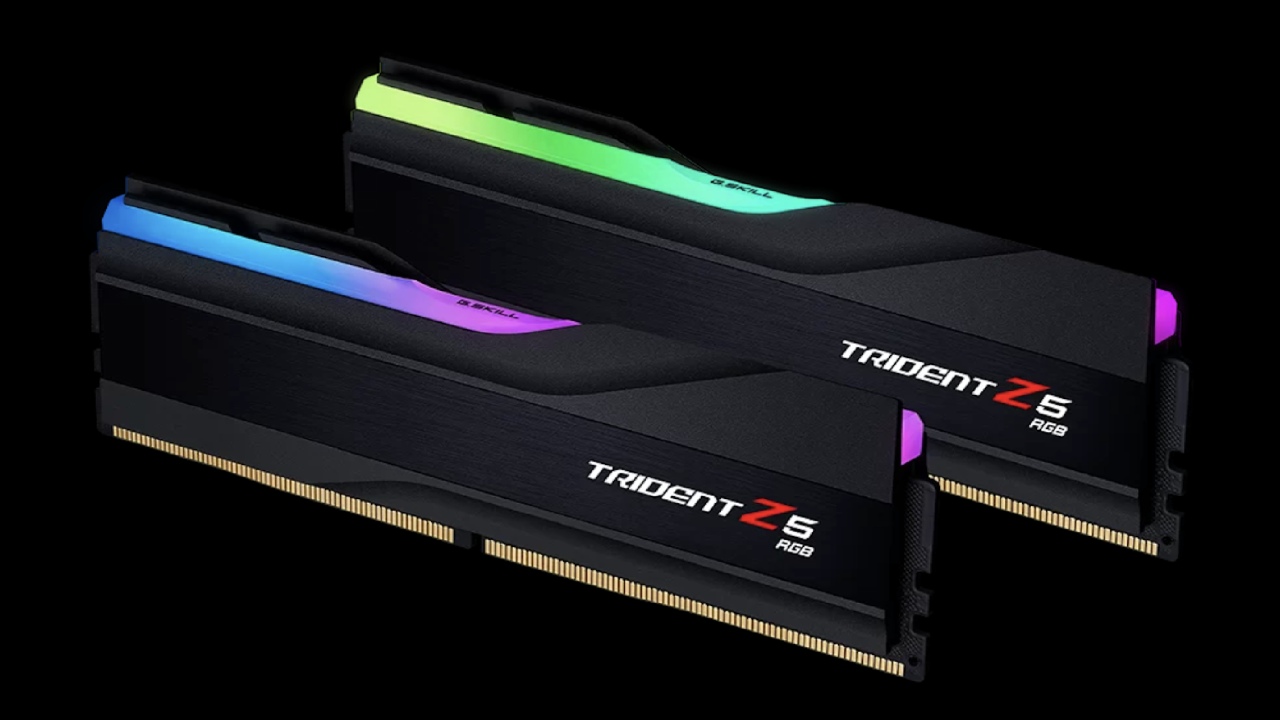
A little while ago, DDR5 kits with 64 GB cost about $200 or less. The time is over. Memory pricing has risen rapidly, leaving many makers annoyed and confused.
At the same time, as it becomes harder to make money on PC parts, compact PC hardware continues to evolve, delivering good performance in smaller spaces.
Compact Performance With a Clean Design Philosophy
The Athena M4M is a small micro-tower designed to deliver great performance for gamers, content creators, and anyone else who wants to avoid taking up too much desk space. With its mesh front panel, clean RGB light strip, and three pre-installed Notice M1 fans, it's sure to catch your eye right out of the box. These fans are linked through a PSU extension cord, which makes the building process easier, and an 8-port fan hub.
The overall build quality feels good. Modular pieces that can be removed and held in place with thumb screws and clasps make every part easy to access. The simple design fits easily into modern setups and doesn't take over the workspace.
Airflow and Cooling Capabilities
The Athena M4M's airflow is what makes it really special. A PSU layout with the PSU on the front and dust filters on the front, sides, and top, with holes, works together to keep cables out of the main cooling path. The system looks clean from every angle with BTF processor support.
The included Notice fans provide smooth, quiet airflow, and the case can accommodate up to 9 fans. Even though it's small, this case can fit two 360 mm radiators on the top and bottom, enabling water cooling that is normally only available in bigger cases.
Broad Hardware Compatibility in a Small Footprint
Compatibility gives you a lot of leeway. The case allows GPUs up to 395 mm, PSUs up to 150 mm, and mATX motherboards. You get the freedom of a full tower in a size that fits almost anywhere. The Athena M4M is as good as it claims to be: a small bag with many possible uses.
Why DDR5 Prices Are Skyrocketing
It's not just market talk that is causing problems with DDR5 prices. It's really a matter of supply and demand. Over the last few years, PC usage worldwide has slowed due to inflation and higher living costs. Samsung, SK Hynix, Micron, and other memory makers found themselves with too much stock. To protect their margins, they decided to make less.
The balance of manufacturing is fragile. Making too many wafers uses them and lowers prices, while making too few wafers raises prices by tightening supply. Recently, problems like power outages and environmental issues at manufacturing plants worsened, halting wafer production and causing costly restarts.
The Impact of AI on Memory Supply
The AI boom has greatly changed how much memory people need. Large AI data centers need a lot of RAM, mostly enterprise-grade ECC and registered DDR5. These units are not the same as consumer sticks, but they use many of the same technologies.
In terms of business, makers can sell data centers large allocations of 1TB DDR5, which makes much more money than individual kits like 32GB or 64GB. Because of this, consumer-grade DDR5 has fallen in priority, leading to higher prices.
Why GPU Pricing Is Not Following DDR5
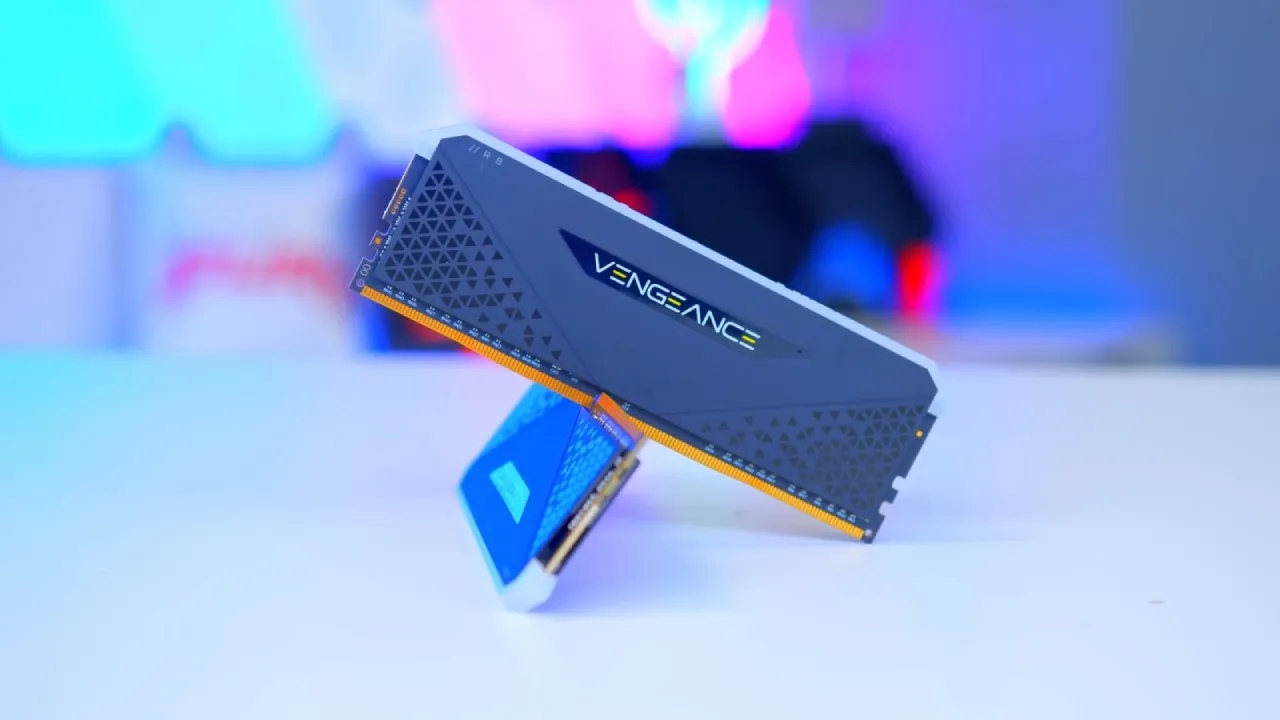
A lot of people think GPU prices will go up next, since graphics cards also depend on memory. GPUs, on the other hand, use GDDR memory, which is manufactured differently and at different fabs than DDR5. Most GDDR is made by Samsung and SK hynix, and its supply chain differs from that for user system RAM.
GPU makers lock in bill-of-materials prices well in advance. This is why, generally, GPU prices start high and drop over time rather than rising later. Once those who really want it buy it, demand automatically drops, allowing the supply to stabilize.
AI, HBM, and High-End Graphics Cards
AI processors depend on something very different from DDR5 and GDDR called HBM, or high-bandwidth memory. Some smaller AI makers are still interested in desktop GPUs with a lot of VRAM, like 24GB or 32GB, but this isn't as much in demand as those companies would use on a larger scale.
In consumer GPU pricing, most of the effects of the DDR5 problem are avoided because of this separation. Any short-term change is more likely due to seasonal demand than to production problems.
Storage and Seasonal Pricing Pressures
However, storage prices may also feel some pressure, but not as much as DDR5. For AI buildouts, storage is needed, but it isn't as important for speed as system memory is. As stores change their margins, seasonal factors, especially around the holidays, can also cause short-term price rises.
Still, many GPUs are available. According to inventory data from big retailers, there is no risk of widespread shortages in the near future.
A Frustrating Era for PC Builders
We get how annoying this is. A lot of us remember when it was easier to build a high-end game PC. In 2016, you could put together a high-quality machine for less than $1,500. These days, that same price can barely pay for a mid-range build.
Even though the industry keeps coming up with new products, it has become harder than ever to build PCs due to shifting goals, AI-driven demand, and global economic challenges. For now, knowing how these things work will help you make better choices without having to buy a lot of things because you're scared.
Also, check our other hardware articles:
- AMD Ryzen 9 9950X3D Review: Setting The Standard For 2025 Gaming CPU
- Amazon Luna 2025 Review: Is Prime Gaming's Cloud Service Your Go-To For Casual Fun?
- AMD RX 9070 XT Review: AMD's RDNA 4 Champion for 1440p Gaming
- GeForce Now Ultimate: Ditching Your Gaming PC For Cloud RTX 4080 Power?
- NVIDIA GeForce RTX 5080 Review (2025): Still A 4K Gaming Powerhouse?
- Intel Core Ultra 9 285K Review And Performance Breakdown (2025)
- AMD Ryzen 7 9800X3D Review: 3D V-Cache Goes God Mode with Stunning Gaming Performance
- Intel Core Ultra 9 285K vs AMD Ryzen 7 9800X3D: In-Depth Gaming Performance and Benchmark Comparison
- NVIDIA GeForce RTX 5080 Super Performance In Cyberpunk 2077: Path Tracing & DLSS 4.0 Tested
- AMD Radeon RX 9070 XT In Cyberpunk 2077: Ray Tracing & FSR 4.0 Tested
- Intel Arc B580 Review: The $250 GPU Revolutionizing 1440p Gaming
- Intel Arc B570 Vs. B580: Value, Specs, And Real-World Gaming Performance
- RTX 5090 Laptop Vs. M4 Max MacBook Pro: Ultimate Raw Performance Vs. Battery Endurance
- Intel Arc b580 Vs. RTX 4060: Game Performance And Value Analysis
- RTX5090 Hell Is Us Demo 4K Ultra Benchmark: DLSS Vs. Native Performance Guide
- NVIDIA RTX 5070 Review: Mid-Range Muscle or Marketing Hype?
- Nintendo Switch 2 Review: Handheld Performance, Features & Value Breakdown
- RTX 5070 Ti Review: Performance, Thermals & Power Efficiency Tested
- Samsung Odyssey OLED G81SF Review 2025: Ultimate 32-Inch QD-OLED Gaming Monitor
- AMD RX 9070 Performance Review: Thermals, Clocks, and Real-World FPS
- AMD Ryzen 5 7600 Review: Best Budget Gaming CPU of 2025?
- AMD Radeon RX 7800 XT Review: RDNA 3 Power For Midrange Gaming
- Asus ROG RTX 5090 Astral OC Vs. Founders Edition: The 4K Gaming Benchmark
Contributor, NoobFeed
Gaming Hardware Updates
No Data.