
GPU Production Cuts and Rising RAM Prices Shake the PC Market
Enterprise demand for HBM and GDDR7 reshapes consumer hardware availability and long term product roadmaps.
Hardware by Shinji Okazaki on Feb 22, 2026
The RAM issue caused by AI isn't slowing down, and there have been many recent advancements. Things are worse than we thought. The industry can make quick decisions, and manufacturers can do things that change the market's course. The value of the information presented here may alter over time.
NVIDIA, one of the biggest players in AI, won't make a new GPU in 2026. Several sources say there won't be any new GPUs for gamers in 2026. This means that the Super versions of the RTX 5070, 5070 Ti, and 5080, which many people were waiting for to upgrade their rigs, have been canceled or put off indefinitely.
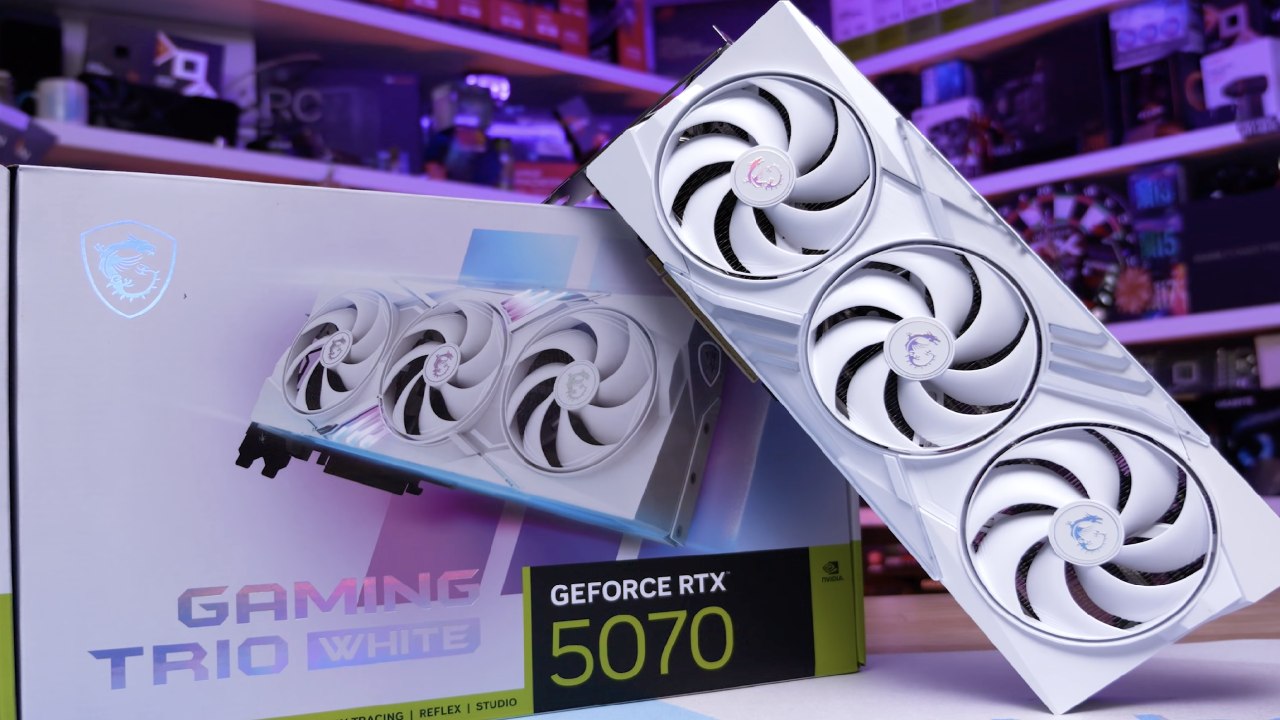
NVIDIA Stops Making Plans for New GPUs in 2026
The RAM crisis is the key explanation. It was thought that the RTX 50 Super series GPUs would have more VRAM instead of better performance. NVIDIA would rather see GDDR7 memory go to AI than gaming. Because of this, the RTX 50 Super series has been put on hold.
There are also speculations that the RTX 5070 Ti and RTX 5060 Ti 16GB variants are no longer being made. NVIDIA and ASUS have both said recently that this is not the case for now. But if AI demand rises again, the balance could shift.
A drop of about 40% is projected for current production models. Many Nvidia GPU models may see price increases or stock shortages as a result. To cut down on VRAM use and expenses, manufacturers are also likely to put more emphasis on GPUs with 8GB of VRAM, such as the 5060Ti, 5060, and 5050.
RTX 60 series would be out at the end of 2027. People think the launch has been pushed back to 2028 because of the VRAM crisis and because GDDR7 is highly profitable for AI infrastructure.
There is also news that the RTX 3060 12GB might be back in production. Costs have decreased as demand for GDDR6 memory has decreased. People who want to use AI need a lot of VRAM, and the RTX 3060 12GB may still be able to meet that need, depending on the price. There are newer options for gaming, but the pricing at launch will determine how well it does. It's also likely that the RTX 3060 will return with a Super label and a minor performance boost.
To sum up, the RTX 50 Super series has been put on hold. For now, manufacture of the RTX 5070 Ti and RTX 5060 Ti 16GB variants will continue. The number of Nvidia GPUs made is predicted to drop by 40%. The RTX 60 series might be put off, and the RTX 3060 12GB might come back.
AMD Changes Its Focus to Enterprise CPUs
AMD has said it will put more effort into the enterprise CPU market. The goal is to gain a larger share of the server and data center industry. AMD also said it is not giving up on individual consumers. Still, it will focus more on the high-end consumer market because PC prices are rising.
AMD is currently in a strong position in desktop processor performance. People don't necessarily think that Intel processors are the best choice, and there have been problems with Intel's modern production methods. AMD took advantage of this gap to invest more in AI.
RX 9000 series graphics cards employ GDDR6 memory on the GPU side. At first, they were less affected than those who used GDDR7. But in the US, prices for the RX 9000 series GPUs have started to rise. If we plan to buy an AMD GPU soon, we need to keep an eye on price changes.
Prices for SSDs are Going Up
Because SSDs are built solely of NAND memory, it was thought that the crisis would damage them. Models with DRAM had already begun to show signs of price increases. In other circumstances, SSD prices in the US have more than doubled. This is true for both SATA SSDs and M.2 SSDs.
It's not possible to build a whole PC with just an HDD. Because HDDs are slow, an SSD with at least 120GB of space is needed for the operating system. It's okay to have both an HDD and an SSD for storage needs, but you shouldn't rely on HDDs alone for everyday use.
Prices for HDDs have Gone Up
HDDs are mechanical storage devices that don't have NAND memory. They are slower than SSDs and are usually used for storing. Nevertheless, HDD costs have risen in the US.
The rise is due to increased storage needs. People are returning to HDDs for storage as SSD prices rise. Sellers have been able to raise prices since more people want them. Some servers also use HDDs, which increases demand. This also affects portable HDD devices. The issue affects both SSDs and HDDs.
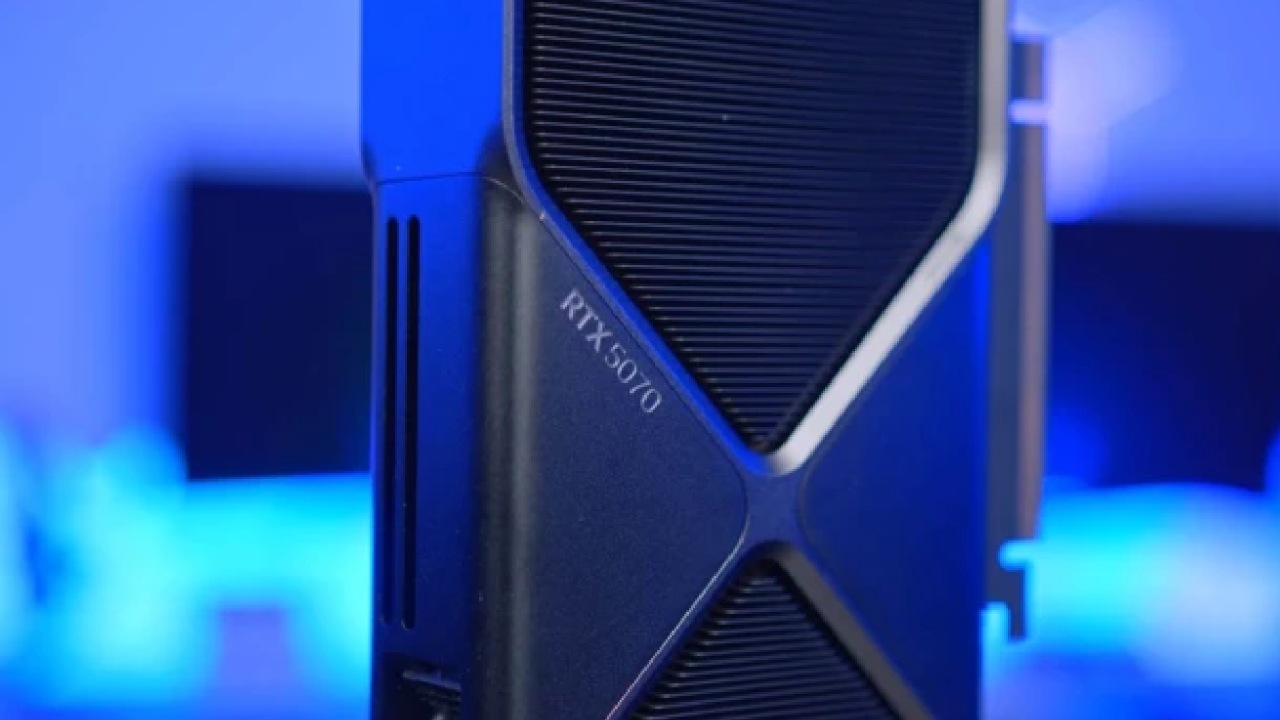
Prices for DDR5 and DDR4 RAM Keep Going Up
Over the past few months, the price of DDR5 RAM has gone up. Prices are stable right now, but they could go up again in the future. People started using DDR4 for upgrades or new builds as DDR5 prices rose.
AMD's 5000 series X3D CPUs and Intel's 13th generation and subsequent processors still work well with DDR4. For a while, it was appealing due to its performance and the reduced prices of DDR4.
But the prices of DDR4 RAM have also started to go up. There is still strong demand, but stock levels are declining. As a result, sellers have raised prices. DDR5 output has already gone down because there is a lot of demand for HBM memory. Manufacturers don't want to return to making DDR4 because HBM memory is more profitable. Because of this, there isn't much room for DDR4 supply to grow.
DDR3 and older RAM types have the same problems; availability is more of an issue than price.
Final Thoughts
Fake SSDs, RAM, and GPUs have been on the market for a long time. The number of fraudulent products is likewise rising as demand for parts increases. When buying used items, you need to be extra careful and employ the right testing methods. When you buy new things, you need to choose trustworthy merchants and sites.
There is increasing demand for AI, and investments are rising. The repercussions are not just on NAND and DRAM devices; they also affect the whole business. These market conditions are likely to remain unchanged until demand levels out.
Also, check our other NVIDIA articles below:
- NVIDIA GeForce RTX 5080 Review (2025): Still A 4K Gaming Powerhouse?
- NVIDIA RTX 5070 Review: Mid-Range Muscle or Marketing Hype?
- RTX 5070 Ti Review: Performance, Thermals & Power Efficiency Tested
- ASUS GeForce RTX 5090 LC Liquid Cooled GPU Review: Unmatched Silence & Speed
- MSI GeForce RTX 5090 32GB SUPRIM SOC Review: Power Efficiency, Cooling, and Gaming Performance
- INNO3D RTX 5060 Ti 16 GB X2 Review: Gaming Benchmarks, Temps, and Power Efficiency
- HP Omen 45L Review: RTX 5090 Performance, Thermals, and Value Analysis
- ASUS TUF Gaming GeForce RTX 5060 Ti Review: DLSS 4, Power Efficiency, and Gaming
- ASUS Prime RTX 5060 Ti OC 16GB Review: DLSS 4, Ray Tracing, & Thermals Tested
- NVIDIA GeForce RTX 5060 Review: Specs, Gaming, and Cost per Frame
- MSI GeForce RTX 5090 GAMING TRIO OC Review: A Monster Power GPU
Editor, NoobFeed
Gaming Hardware Updates
No Data.