

The Price of Lost Identity: How Corporate Trend-Chasing Pushed Ubisoft to the Brink
A historic decline reveals the consequences of Ubisoft abandoning its core audience and identity, choosing trend-chasing and dependence on external capital over creative consistency.
Games by Dhee_02 on May 25, 2026
Ubisoft has announced a record operating loss of 1.3 billion euros, and the company is in turmoil. Once the most valuable publisher in the industry, it is now surviving by virtue of a capital injection from Tencent. The dramatic loss in market value can be traced back to poor game design decisions.
For almost any other major publisher, a disaster of this magnitude would trigger panic. If Ubisoft is dependent on outside funding to survive, it demonstrates the danger of moving away from its core strengths. This dependence prompted a restructuring that dismantled the classic studio identity, creating units overseen and funded by Tencent.
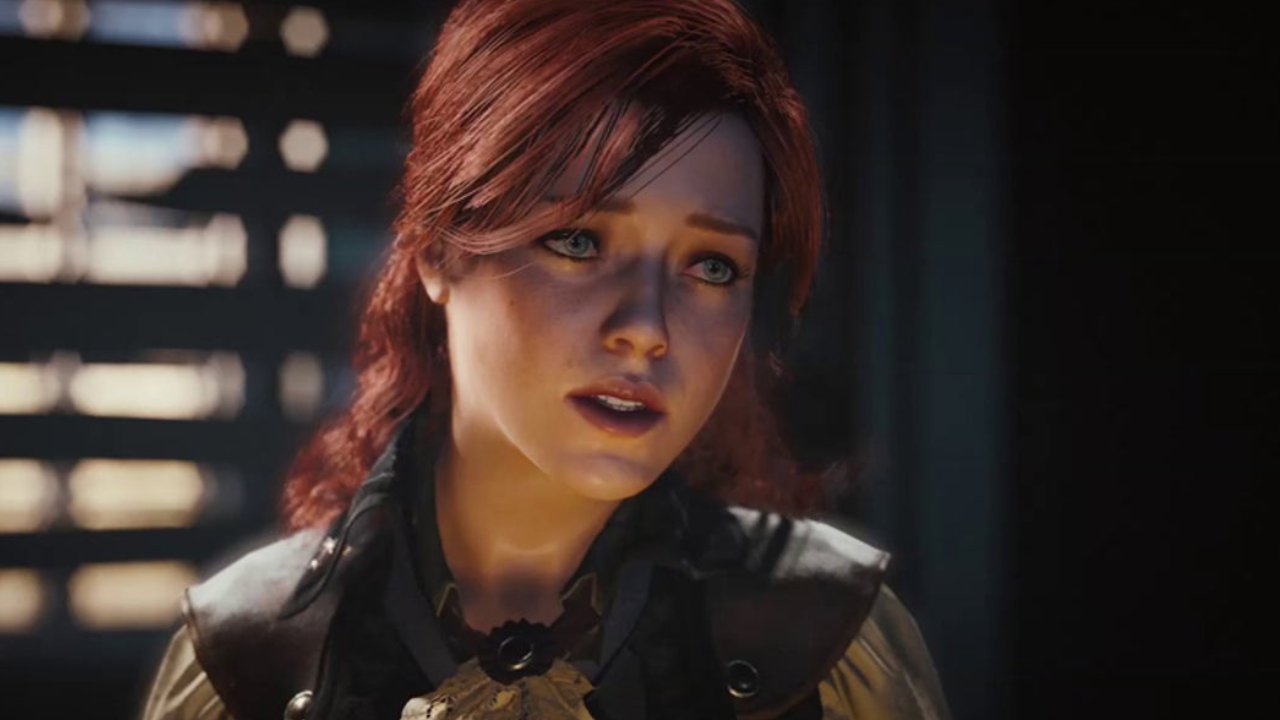
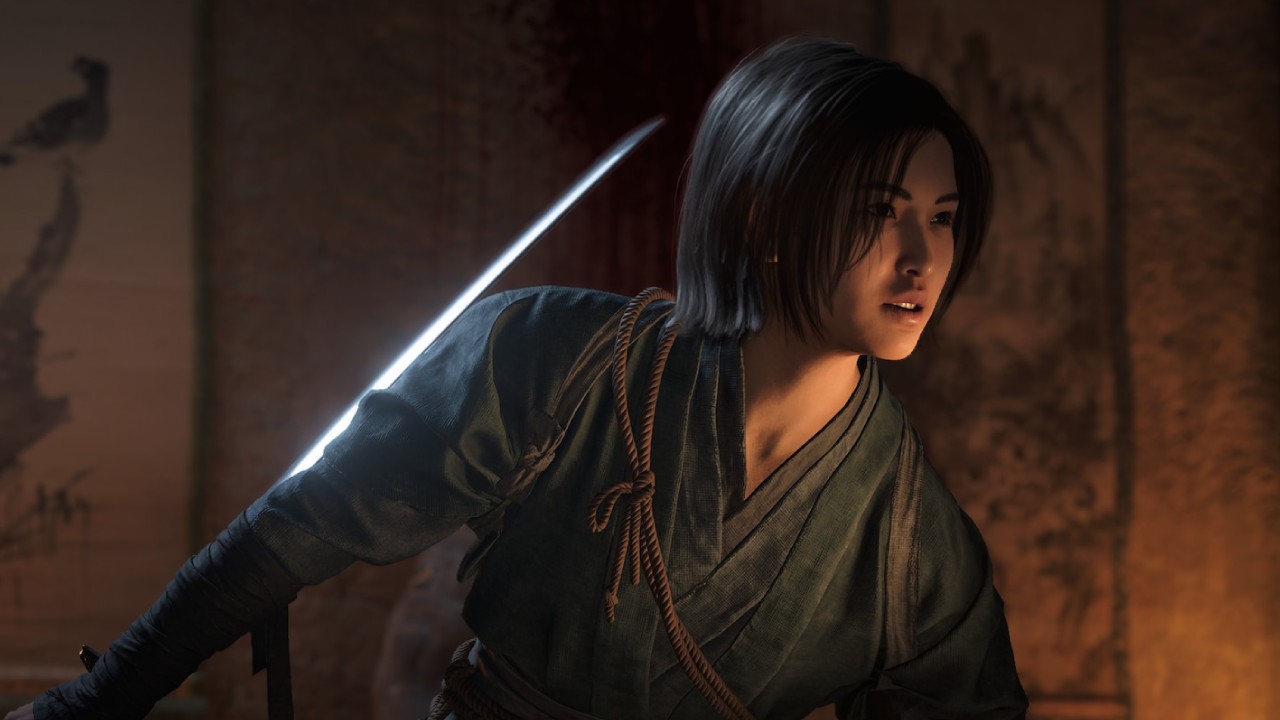
While fans are excited for the upcoming Black Flag remake, it is a rare moment of true optimism. Conversely, the release of Assassin’s Creed Shadows was a massive blunder. While media outlets tried to spin the launch as a success story, the game failed to turn around Ubisoft’s financial fortunes.
When Shadows was revealed, the corporate stock crashed. While shares have recovered slightly, long-term data shows a sharp decline: back in July 2018, a share was worth 102 euros, while now Ubisoft's value has plummeted.
Stalled Pipelines and Corporate Pressure
Commercial blockbusters helped push the financial heights reached at the time. Assassin’s Creed Valhalla also turned out to be a massive hit for Ubisoft, pulling in well over a billion dollars in revenue. Yet even a win of that scale was not enough to protect the publisher from its subsequent decline. A single video game generated more revenue than the entire current value of Ubisoft itself.
Valhalla was a success, but Ubisoft wanted more hits; instead, the period saw poorly received projects, the cancellation of much-anticipated sequels like Immortals Fenyx Rising, and delays for Splinter Cell.
The failure of Shadows is the most obvious example of how an internal identity crisis at Ubisoft is compounding its financial problems. Losses are forecast to continue, showing how ditching the core tenets of its games has provoked a backlash from investors and a protracted decline.
The Cost of Trend-Chasing
Corporate pressures led to a layoff of about 1,200. But cutting costs does not fix problems at the executive level, and Ubisoft still struggles to publish core franchise entries even with a sizable developer workforce. An investment in Ubisoft at its 2018 high of $10,000 would now be worth just $300–$450.
A drop this steep is a sign of a badly managed content pipeline, and that’s why a new strategy has been unveiled to get key franchises out by 2029, a long delay. Ubisoft’s stalled content pipeline is a stark contrast to its prolific and lauded past. Longtime fans, who remember the company’s classic identity of immersive historical worlds and stealth gameplay, now see few promising releases
The Warning Signs of Disconnect
Once a bastion of creativity and experimentation, Ubisoft built handcrafted worlds in the likes of Splinter Cell: Chaos Theory, Far Cry 3, and Prince of Persia: The Warrior Within. But over the years, the studio became obsessed with mass-market trends, resulting in overinflated budgets, massive maps, and repetitive gameplay.
The failures of Skull and Bones and Star Wars Outlaws, both costly flops, are emblematic of how out of touch the decision-makers are with gamers. Ubisoft is now a prime warning sign of what happens when a formerly creative entertainment company forsakes its identity and pursues passing trends at the expense of sustainable artistic vision.
Recent financial data shows that support for big titles now ends quickly, proving modern games fail to retain players. When a game works, publishers support growth, and Ubisoft's rapid abandonment of projects is a testament to the unsustainable nature of their approach.
Ubisoft’s decline is not due to a more difficult crowd, but to neglecting core design principles. If leadership wants to be successful again, it needs to embrace gameplay-first approaches and respect the audience.
Editor, NoobFeed
Latest Articles
No Data.