
Next-Gen Console Gaming: How Xbox Magnus Stacks Against PS6
Xbox Magnus delivers unprecedented raw compute power and AI-driven performance surpassing traditional console and PC hybrids.
Hardware by Tanvir Kabbo on Nov 26, 2025
Xbox and PS6 development has officially begun, and insiders have already uncovered early hardware tests and emerging details about the power and performance of the AMD chips that will drive next-generation gaming. One of these console manufacturers reportedly has a surprising advantage that could shock the gaming world.
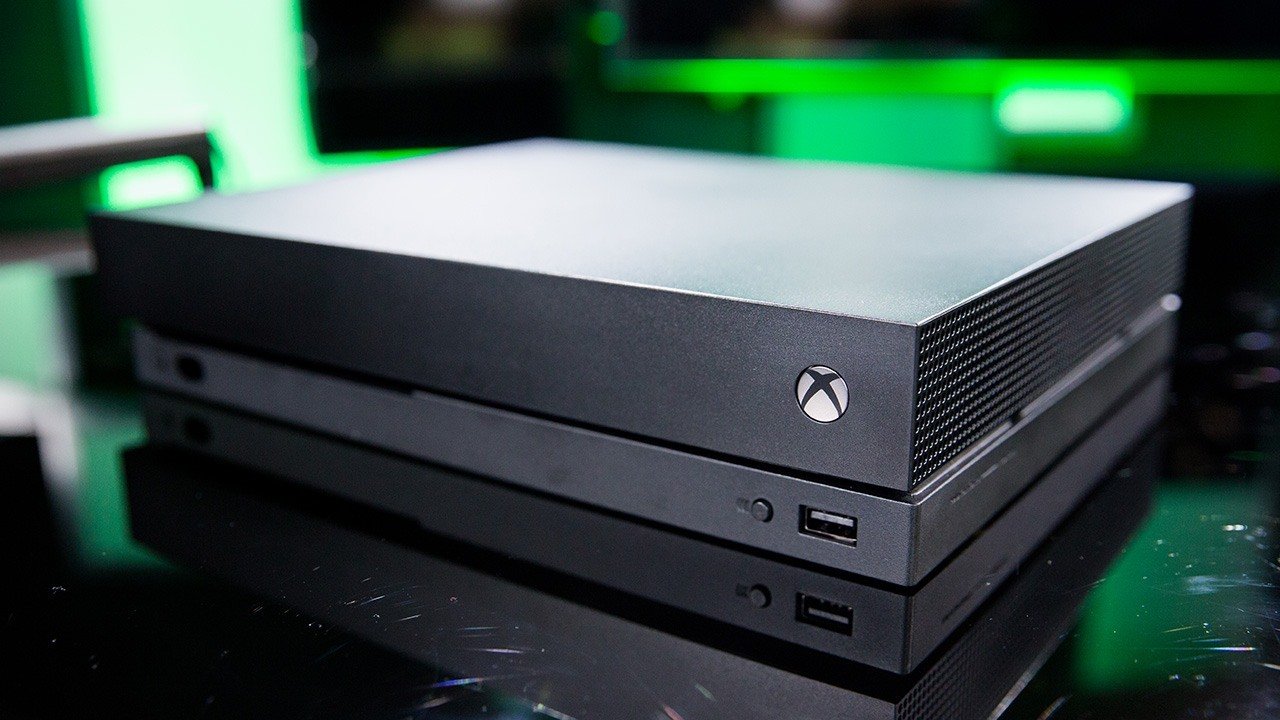
Road to Next-Generation Gaming
Xbox and PlayStation are deep in development with AMD on the Xbox Magnus and Project Orion, super-massive gaming CPU and GPU combinations that appear far more powerful and capable than many expected.
The crucial questions revolve around power, performance, and cost—areas where both companies are taking dramatically different approaches.
Xbox Magnus: A PC-Console Hybrid
We see the Xbox hardware team positioning the next Xbox as a PC-console hybrid capable of running Steam, Epic, Ubisoft, and, surprisingly, many popular PlayStation games. Most importantly, it will maintain full compatibility with your current Xbox library.
The Xbox Magnus SoC introduces a unique dual-chiplet design aimed at high-end gaming performance. The configuration includes a 144mm² die for CPU cores and a dedicated AI engine paired alongside a larger 264mm² die, forming a combined 408mm² chip. All of this operates within a power range of 250–350watts.
PS6 APU: Leaner, Cooler, More Efficient
Sony's next-generation console is built on the AMD Orion APU, a custom chip designed for efficiency. Multiple leaks suggest a chiplet configuration possibly using Navi5 architecture. Its GPU performance reportedly aligns with an RTX 5080, and the entire chip comes in at 280 mm² on a 3nm process with a notably lower 160-watt power draw.
The smaller size and cooler profile may translate into a more affordable system, with a focus on broad adoption among long-time PlayStation users.
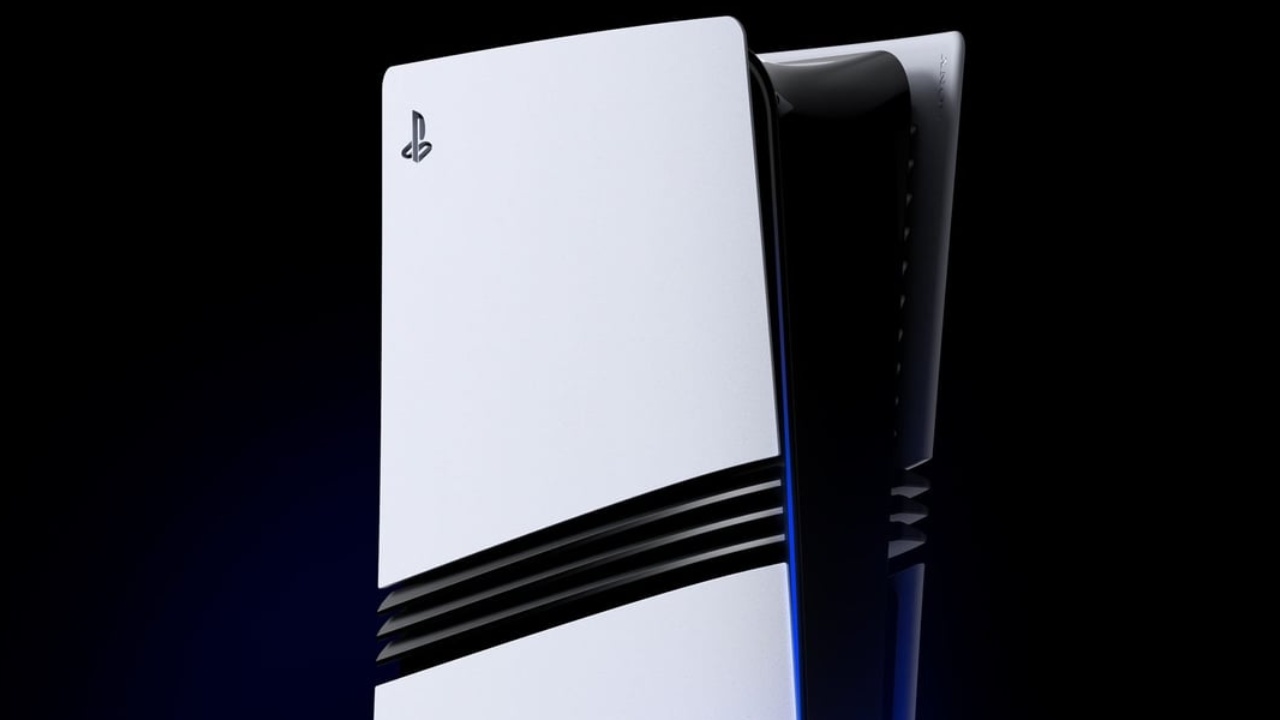
CPU Architecture Comparison
The Xbox Magnus has a dual-bridge setup that combines three Zen6 cores with eight Zen6C cores. This gives it a total of 9 high-speed cores and 12 MB of L3 cache. This approach frees up system RAM for gameplay that is heavy on open-world scale, adversary AI, and simulation.
The PS6 uses a semi-custom AMD APU with seven Zen6C cores and two Zen6 LP cores—a disadvantage compared to Xbox's five-core lead. However, Sony maintains a balance between performance and efficiency that aligns with its ecosystem strategy.
GPU Power: RDNA5 Compute Units
The PS6 GPU features 52 RDNA 5 compute units targeting native 4K60–100fps gameplay with advanced ray tracing and AI-driven visuals, reaching an estimated 18–20 TFLOPs.
The Xbox Magnus steps beyond that with 68 RDNA 5 compute units—a 30% advantage—using four shader engines and 24MB of L2 cache. Hardware experts suggest a 150% increase in pixel rendering performance over current consoles, reaching around 26 TFLOPs.
AI-Driven Performance Enhancements
We see one of the biggest generational leaps arriving through AI.
The Xbox Magnus includes a dedicated neural processing unit delivering 110TOPS, doubling the Series X's performance. This NPU handles intelligent imagery refinement, low-latency frame-rate boosting, and AI-enhanced rendering.
The PS6 will rely on AMD FSR 4.0 and PlayStation's PSSR 2.0 for AI-assisted upscaling. By 2027, these technologies should deliver 4K clarity at up to 25% higher frame rates. However, they will still be around 25% behind Xbox's hardware-based NPU performance.
Sony's advantage appears in ray tracing, where the PS6 reportedly offers 5–10× more compute power over the PS5, enabling real-time full-quality lighting at 60–120fps.
Memory and Bandwidth
The Xbox Magnus features 48GB of GDDR7 RAM on a 192-bit bus—three times the RAM of the Series X and offering substantially faster data throughput.
The PS6 includes 32GB of GDDR7 RAM on a 160-bit bus, a 100% increase over PS5. With 10MB of L2 cache, Sony focuses on efficiency and balanced resource allocation.
Overall, Xbox holds a 25–33% performance advantage driven by memory bandwidth, AI acceleration, and raw compute.
Future of Physical Media
Sony plans to continue supporting physical media with a detachable disc drive for PS6, allowing the same drive to be used across form factors. With around 80% of players already digital-only, PS6 may be the final generation supporting discs.
Xbox is expected to move entirely to digital next generation, ending traditional disc-based compatibility.
.jpg)
Next-Gen Handhelds: A True Hardware Shift
Both companies are developing native handhelds.
Xbox Handheld
We expect a lower-spec variant of the Magnus chip using binned cores. The device will play console and PC games natively, positioning itself above current cloud-focused handhelds.
PlayStation Handheld
The next Sony handheld will launch in 2027, along with the PS6. It will have a smaller APU and be able to play games at 720–1080p with a lot of PSSR 2.0 upscaling.
Both handhelds are likely to be expensive, high-end devices.
Pricing Outlook for Next-Gen Consoles
Microsoft wants to make money when the Xbox Magnus comes out, and it is expected to cost between $800 and $1000. Expected lifetime sales are 10-20 million units, positioning Magnus as a premium enthusiast device.
The PS6 is expected to land between $700–$800, continuing its role as the mainstream dedicated gaming console without the hybrid PC focus.
Looking Toward 2027
We look ahead to an era where console, handheld, and PC gaming ecosystems blend across devices. PlayStation is likely to stay on top of the market, while Xbox wants to change gaming in ways that go beyond the platform.
Both businesses expect to show off their next-generation systems in 2026 and release them in 2027.
Also, Check Our Other PS5 Pro Articles:
- PS5 Pro vs. PS5 Slim: Frame‑Rate, Graphics & Performance
- PS5 Pro vs. Radeon RX 9060 XT vs RTX 5060 Ti: Ultimate $700 Gaming Showdown
- ASUS ROG Ally PS5 Remote Play | How to do Remote play on PS5 Using Sony's Official Remote Play App
- Stream PS5 Games on Steam Deck OLED: Step-by-Step Installation and Configuration
- AI Upscaling on PS5 Pro: Can PSSR Finally Match DLSS?
- PS5 Pro vs. PS5 Slim vs. PS5 — Design, Storage, Specs, and Gaming
- PS5 Pro vs. Xbox Series X: Specs, Price, Storage, Customization, and Gaming
- PS5 Pro vs. PC Gaming: Comparison of Graphics, Frame Rates, and Price
Senior Editor, NoobFeed
Gaming Hardware Updates
No Data.