
Next-Gen Gaming Preview: Xbox Magnus Power Boost vs. PS6 Efficiency
Next-generation consoles integrate advanced AMD chipsets with AI processing units and high-performance GPUs for superior graphics and smooth gameplay.
Hardware by Tanvir Kabbo on Dec 03, 2025
Xbox and PlayStation are working hard on their next-generation hardware platforms, which will use new AMD chipsets. Early reports from insiders indicate that both systems will see significant improvements in performance, efficiency, and features.
One manufacturer is even planning a startling change that would change the way games are played. Hardware tests reveal that both new Xbox Magnus and Sony's Project Orion (PS6) aim to redefine console expectations through advanced chiplet designs, AI-driven performance, and PC-grade graphics technologies.
.jpg)
Look at Xbox Magnus and PS6 Hardware Goals
We explore how both Xbox and PlayStation are working with AMD to create high-performance systems capable of delivering next-gen visuals, frame rates, and game fidelity that push far beyond current hardware.
If you follow the development closely, you start to see how both companies are approaching the next generation from different angles—Xbox pursuing a hybrid PC-console platform while PlayStation aims for maximum efficiency and broad ecosystem cohesion.
Xbox Magnus: A Powerful PC-Console Hybrid
Next Xbox, codenamed Magnus internally, is based on a dual-chiplet AMD design that combines the best parts of a PC with those of a console. We observe a system-on-chip with two chiplets next to each other. One is a 144 mm² SoC with CPU cores and a dedicated AI NPU, and the other is a 264 mm² GPU die. Together, they make up 408mm². Despite this size, the chip reportedly maintains a modest thermal output between 250W and 350W.
Magnus rivals what you would expect from a high-end PC, with insiders comparing its rasterization performance to that of an RTX 5090. Suppose you are interested in open-world gaming or high-resolution rendering. In that case, Xbox Magnus appears set to deliver massive memory throughput, high geometric accuracy, and ultra-fast shading performance.
PS6: Efficiency-Focused Orion Architecture
Sony's PS6 uses AMD's Orion APU, a chiplet-based architecture believed to incorporate RDNA 5 graphics and Zen 6 CPU cores. A 280 mm² 3nm SoC sits at the heart of the system, offering a smaller, more efficient design than Magnus while still delivering powerful performance. The GPU performance reportedly aligns closely with that of an RTX 5080, a premium graphics card.
If you follow the efficiency trend, you'll notice PS6 aims to balance cost, power savings, and performance. With a 160W power draw—50% lower than PS5 Pro—PS6 appears designed for long-term adoption while staying competitive with next-generation expectations.
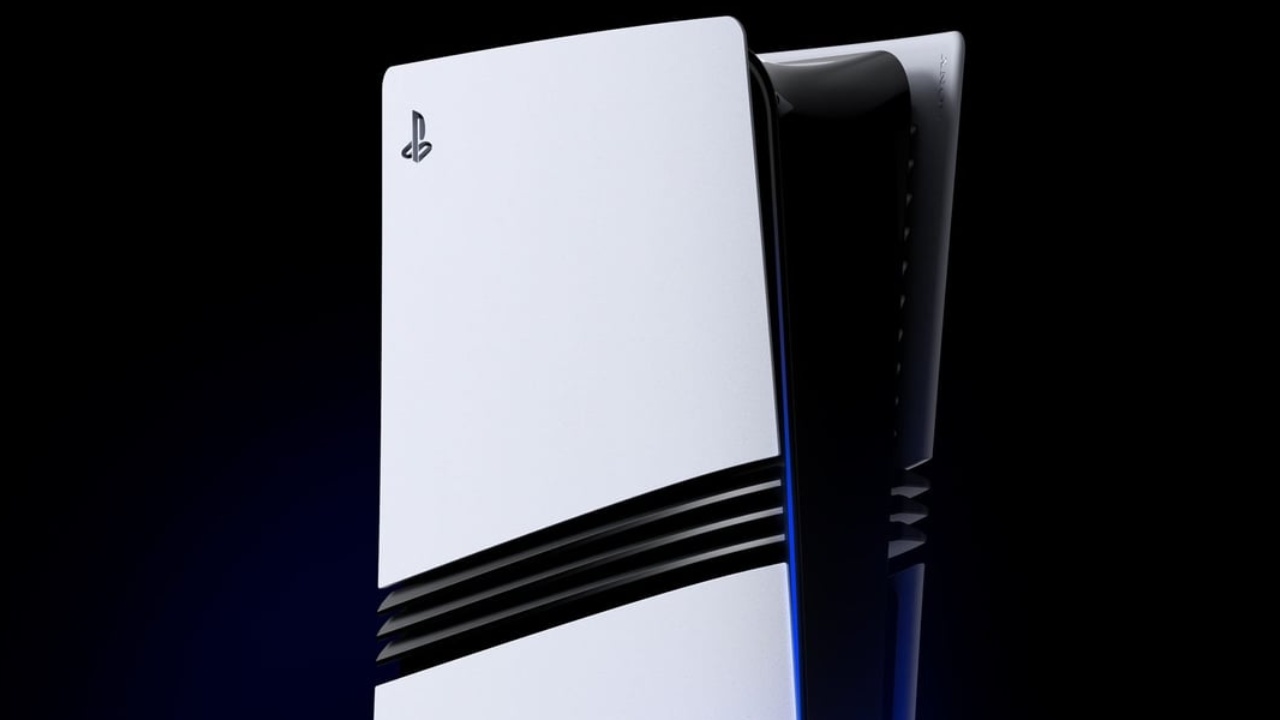
CPU Breakdown: Magnus vs. PS6
Xbox Magnus uses a unique dual-bridge CPU architecture with three Zen 6 cores and eight Zen 6C cores, both built on the 3nm process. The combined nine cores and 12MB of L3 cache provide major improvements in multitasking, AI processing, and open-world simulation. You will see cleaner gameplay performance when dealing with dense environments, large enemy counts, and physics-heavy scenes.
PS6, meanwhile, features seven Zen 6C cores paired with two Zen 6LP cores, giving it fewer total cores than Magnus. As someone comparing both systems, you might notice this advantage gives Magnus more raw processing throughput for complex workloads.
GPU Performance and Rendering Power
Xbox Magnus carries 68 RDNA 5 compute units—roughly a 30% edge over PS6's 52 compute units. With 24MB of L2 cache and four shader engines, Magnus is reported to deliver 150% more pixel throughput than the current Xbox generation, enabling higher settings, richer geometry, and more consistent frame rates. This adds up to about 26 teraflops of compute performance.
Sony's PS6 GPU targets native 4K60-100 fps gameplay with advanced ray tracing and AI-driven visual enhancements. The system runs at about 18–20 teraflops and can handle high-end lighting effects at 60–120 fps, which PS5 generally limits to 30 fps.
Differences between AI upscaling and neural processing
AI hardware is a big part of the divide. Xbox Magnus has a dedicated NPU that delivers 110 TOPS, which is twice that of Series X. We expect frame interpolation, reconstruction, and latency-free visual enhancement to be central to Xbox's rendering strategy.
PlayStation leans heavily into software solutions with AMD FSR 4 and PSSR 2.0, achieving up to 25% frame rate improvements and drastically sharper images without dedicated AI hardware. If you want AI help at the hardware level, Magnus is clearly trying to go much further than that.
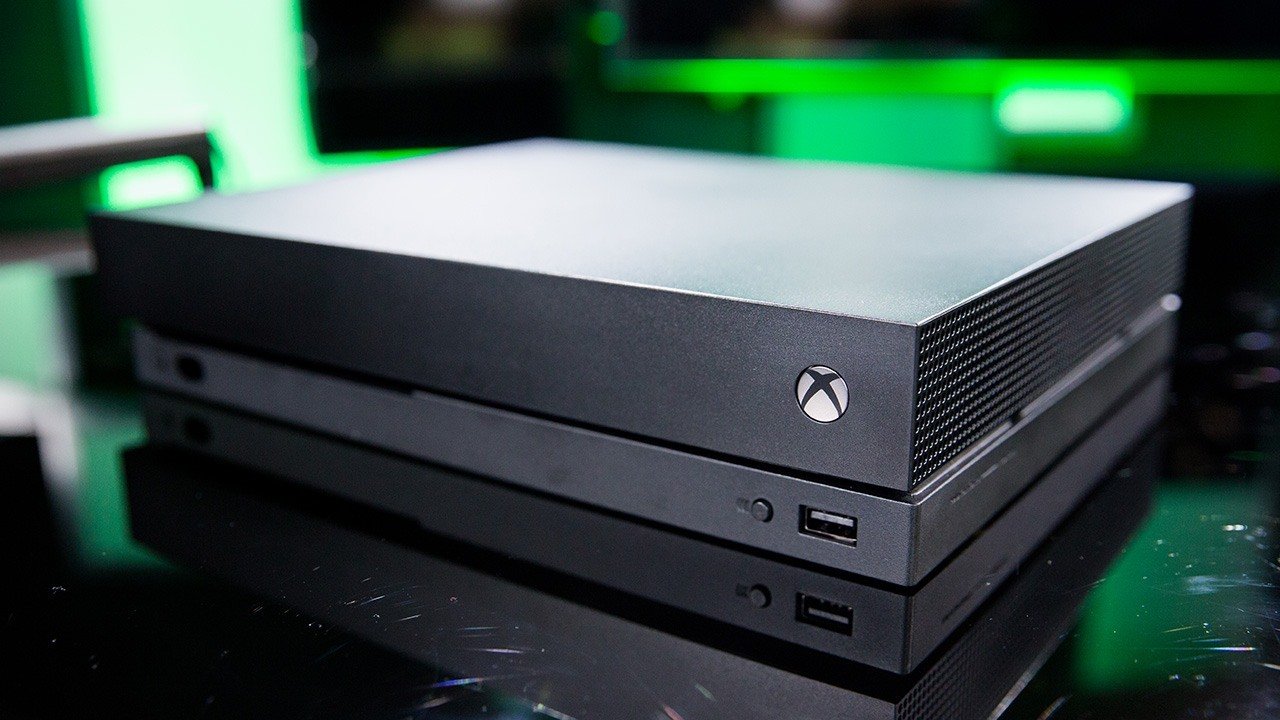
Memory Architecture and Bandwidth
Xbox Magnus has a 192-bit memory bus and 48GB of GDDR7 memory, which is three times the RAM of Series X. If you like open-world games, the extra RAM and bandwidth will help with longer draw distances, more detailed assets, and smoother transitions.
PS6 ships with 32GB GDDR7 and a 160-bit memory bus. Although smaller than Xbox's configuration, it still offers a 100% improvement over PS5 and provides enough bandwidth for 4K-focused performance.
Physical Media and Ecosystem Strategy
We see a clear generational shift. PS6 is expected to support a detachable disc drive and may be the final PlayStation system to accept physical media.
Xbox Magnus, on the other hand, is said to stop supporting discs altogether and go to a fully digital ecosystem that works with PC stores like Steam, Epic, and Ubisoft.
Next-Gen Handheld Hardware Plans
Both firms are working on handhelds that use smaller versions of their console APUs.
Xbox Handheld:
A lower-tier binned Magnus chip is expected to power a native handheld capable of running Xbox console and PC games without compromise. We may see this launch early in the generation and priced similarly to premium handheld PCs.
PlayStation Handheld:
Sony's handheld will use a scaled-down Orion APU, aiming for 720p-1080p gameplay with heavy reliance on PSSR 2.0 to upscale modern titles. This device is expected to ship alongside PS6 in 2027 and will likely be expensive.
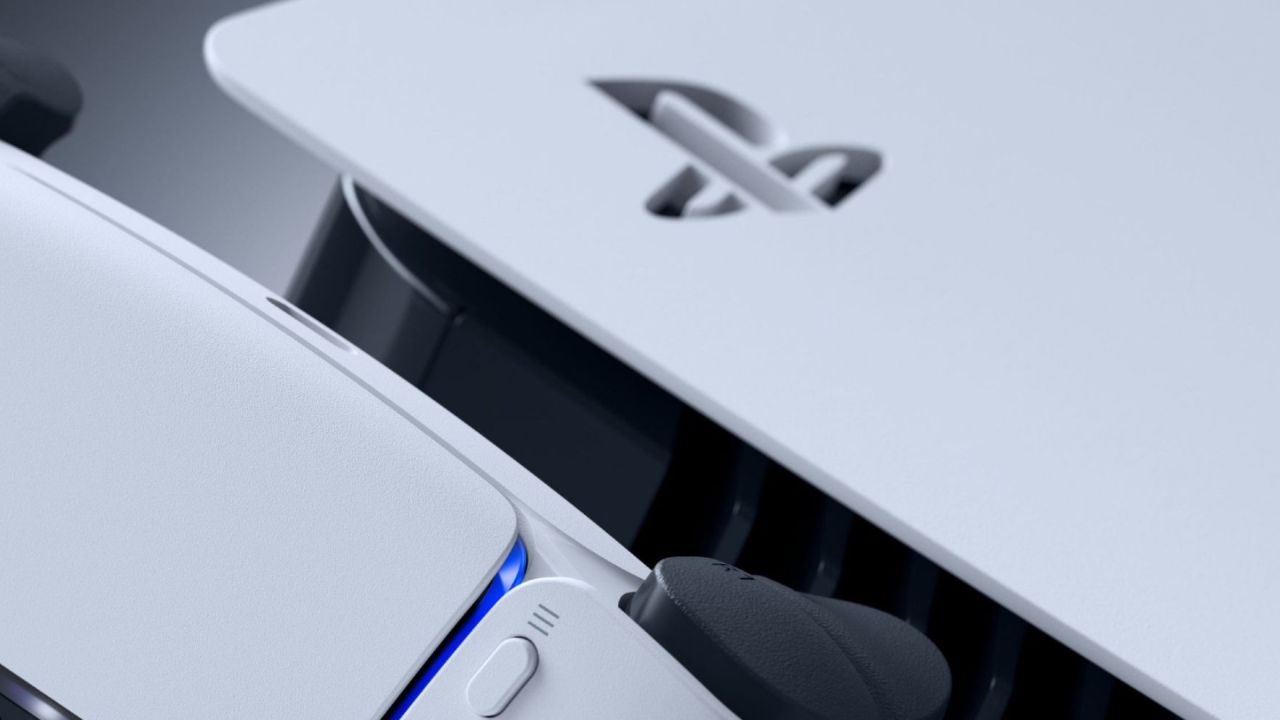
Projected Pricing for Both Consoles
Xbox Magnus is marketed as a high-end device for fans, and it is projected to cost between $800 and $1,000. It won't be sponsored, and it will only be for a small group of people who care about raw hardware performance.
PS6 is expected to cost between $700 and $800 when it comes out. Sony is unlikely to lower its margins now that it doesn't anticipate direct competition from Xbox in mass-market pricing. This is because their SoC is efficient, and component costs are rising.
Looking Toward 2026 and Beyond
This is a time of change for console gaming. Both systems will support console, portable, and PC connectivity, and they will invest heavily in AI and chiplet development. If you keep up with gaming hardware trends, you'll see that the next generation is building up to be one of the most ambitious in a long time.
As development continues into 2026 and releases draw closer in 2027, we will see new benchmarks for how well things work, how good they look, and how flexible the ecosystem is.
Also, check our other Console articles:
- PS5 Pro vs. PS5 Slim: Frame‑Rate, Graphics & Performance
- PS5 Pro vs. Radeon RX 9060 XT vs RTX 5060 Ti: Ultimate $700 Gaming Showdown
- ASUS ROG Ally PS5 Remote Play | How to do Remote play on PS5 Using Sony's Official Remote Play App
- Stream PS5 Games on Steam Deck OLED: Step-by-Step Installation and Configuration
- AI Upscaling on PS5 Pro: Can PSSR Finally Match DLSS?
- PS5 Pro vs. PS5 Slim vs. PS5 — Design, Storage, Specs, and Gaming
- PS5 Pro vs. Xbox Series X: Specs, Price, Storage, Customization, and Gaming
- PS5 Pro vs. PC Gaming: Comparison of Graphics, Frame Rates, and Price
Senior Editor, NoobFeed
Gaming Hardware Updates
No Data.