
NVIDIA CPU Benchmarks Rival Intel and AMD as Zen6 Delay Rumors Grow
NVIDIA expands beyond GPUs as ARM-based processors approach desktop-class performance and introduce new multi-threading architecture.
Hardware by Nahe Yan on Mar 06, 2026
When it comes to PC gaming, NVIDIA is usually linked to graphics cards and technologies like DLSS and RTX. More often, people are more interested in the company's GPUs and new graphics technologies. NVIDIA is also making CPUs, though. The corporation isn't going to let Intel and AMD have the whole CPU industry to themselves.
NVIDIA has previously put out ARM-based CPUs for servers. For a while now, these processors have been on the market. The company is now preparing to bring similar technologies closer to the computers people use. There have been rumors about the N1X processor for a while, and some benchmarks are already available. Some of these results date back to June of last year, and a few even further. Rumors say that these chips might come out later this year, and there are also plans for an N2 generation in the future.
.jpg)
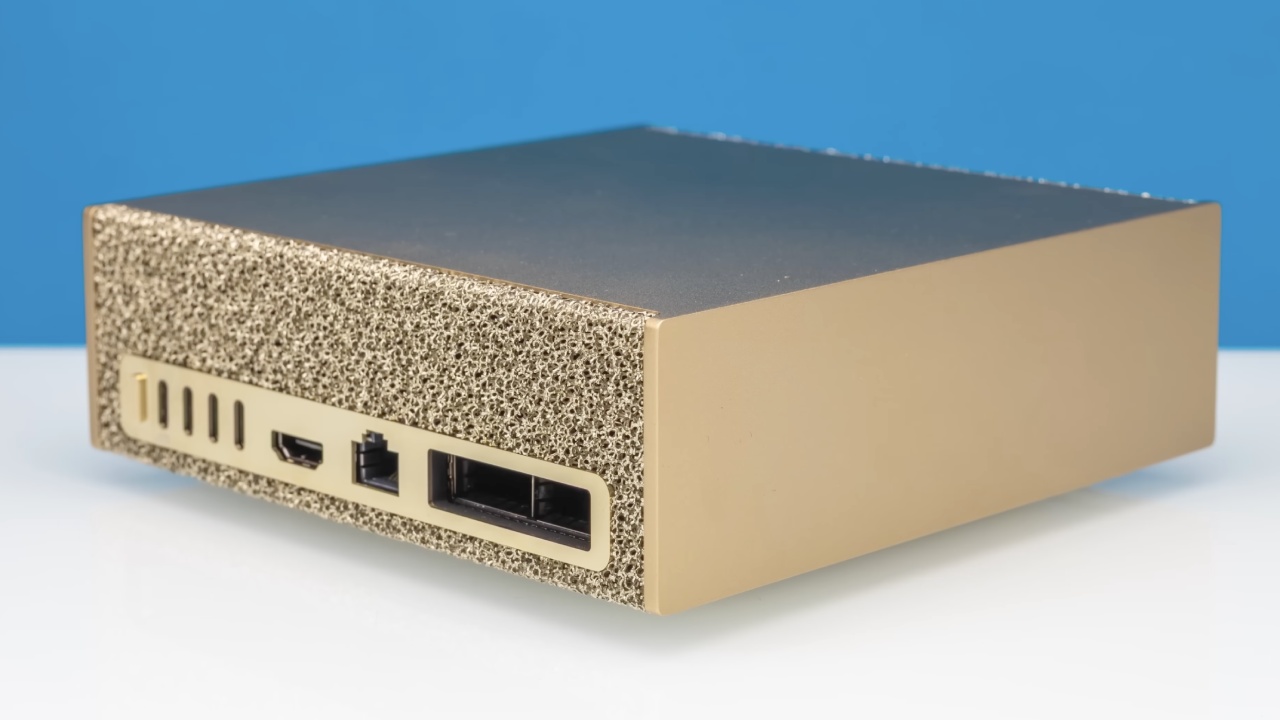
GB10 processor powering the DGX Spark system is already delivering quantifiable benchmark results. Early tests show that the cores in Nvidia's new PC CPU are performing at levels similar to those of Intel and AMD's most recent processors.
Results from Benchmarks and ARM Performance Parity
Chips and Cheese provides a comprehensive technical analysis, including benchmark data, for these processors. The chip tested runs at about 4 GHz and is based on the Cortex-X925 architecture. Some Dell computers are experimenting with the GB10 processor.
SPEC CPU2017 integer workload suite's benchmark results reveal that all systems perform at about the same level. Some tests work better with AMD CPUs, some with Intel processors, and some with Cortex-based processors. A similar trend is evident in floating-point workloads.
These results show that ARM-based cores are approaching the performance levels needed to handle both laptop and desktop tasks. The benchmarks also show that this level of performance can be achieved at about 4 GHz, which is not a very high clock speed for many desktop CPUs.
Problems with Gaming Compatibility on ARM
There are still questions regarding how well games run on ARM CPUs. Most of the time, current gaming workloads are made for the x86 architecture. This is why software compatibility is so important.
Windows on ARM can translate x86 code into ARM instructions, allowing games already on the market to run via compatibility layers. Native ARM apps are also starting to appear. This region is also seeing progress in Linux development, which might make support even better.
But AMD gaming processors typically include features like 3D V-Cache, as seen in the Ryzen X3D lineup. These technologies improve game performance by increasing the cache's capacity. NVIDIA's ARM chips don't have this kind of design right now.
As development goes on, the performance of these processors in games will depend on how effectively they support operating systems and how many native apps are available.
NVIDIA CPU Roadmap and Olympus Core Architecture
The Grace CPU is Nvidia's current server processor. It has 72 Neoverse V2 cores. Processors in the future will have a new architecture.
The new Vera CPU will include 88 unique Nvidia Olympus cores. These cores will add more cache space and use spatial multi-threading. The L2 cache will double, and the unified L3 cache will grow as well. The total memory capacity and memory bandwidth will also increase significantly.
These CPUs can be used in servers that can hold up to 1.5TB of LPDDR5X memory. That sort of capability wouldn't be in consumer goods. However, Nvidia could still use that architecture in desktop or laptop designs if they make consumer versions.
NVIDIA is working on a processor design focused on single-thread performance and efficiency.
Design for Spatial Multi-Threading
With the Olympus cores, a new type of multi-threading called spatial multi-threading is introduced. This approach physically divides execution resources, unlike standard simultaneous multi-threading systems, which share execution resources between threads.
There are two hardware threads per core. The processor doesn't swap execution across threads over time; instead, it breaks the execution units into discrete halves. Then, each thread uses the hardware resources that it was given.
For instance, if only one thread is executing, it can consume all available execution resources. When two threads run concurrently, they share resources.
This method lets the processor balance speed and efficiency based on the task at hand. A task can run on one thread and use all of the execution resources, or it can split the work between two threads and use only some of the resources.
Possible Uses in Consumer Electronics
NVIDIA's long-term plans for CPU development suggest consumers may be more interested in certain types of systems than in standard desktop sockets.
We could see this design in laptops, all-in-one desktop computers, or small PCs. This design might also be good for handheld gaming systems. Processors made with ARM efficiency and Nvidia's unique architecture could be used in devices like handheld PC gaming systems.
Competition in the CPU sector could also affect prices and development in the whole industry. When more companies develop high-performance processors, it can change how much things cost and how quickly technology advances.
AI Demand and Possible Delay of Zen6
Supply problems related to artificial intelligence workloads are another factor affecting the CPU industry.
Lisa Su, the CEO of AMD, said that agentic AI workloads have significantly increased CPU demand. The supply chain hasn't properly adjusted to this sudden rise in demand. It can take three to six months to make adjustments, and throughout that time, the supply remains restricted.
One worry is that there isn't enough manufacturing capacity for sophisticated semiconductor nodes. Many companies want TSMC's 2nm process capability very badly.
AMD may change the schedule for its next-generation processors as a result. There were reports before that Zen 6 desktop processors, which are likely part of the Ryzen 10000 series, could launch in the second half of the year. Some rumors said that X3D versions and mobile chips would be available around CES next year.
But right now, there is much greater demand for server processors than for consumer chips. Processors in data centers make more money per unit. AMD might prioritize server production over consumer releases, potentially leading to delays.
Pressure on Supply in the Semiconductor Industry
There is still strong demand for high-performance CPUs for AI and data center applications. Companies that make AI infrastructure need a lot of high-end CPUs and GPUs.
This demand puts a lot of stress on the ability to make semiconductors. Companies that use sophisticated nodes are fighting for a limited supply of wafers. When demand for data centers increases, the manufacturing of consumer hardware may decrease.
Right now, AMD's server chips are selling very well. The high demand from business clients makes it hard to get enough of the product. It takes time to increase manufacturing capacity; shortages may persist for a while.
Changes That Could Happen to PlayStation PC Releases
Another change is that PlayStation games are now available on PC. Reports say that Sony might change how it handles PC ports right now.
Some new games may not come out on PC, or they may come out later than planned. Ghost of Yoai and other games like it might only be available on PlayStation consoles. Other titles mentioned include SOS and Wolverine.
Multiplayer games like Marathon and Marvel Tokon will come out on PC. But Sony is looking into how first-party games are sold.
One thing that affects this choice is how well sales are doing. Some PC ports haven't sold as well as their console predecessors. When games come out on PC one or two years after their original release, interest may fade as the initial excitement dies off.
These results may also be affected by marketing strategies. In some circumstances, PC versions don't get as much advertising as console counterparts.
Another thing to think about is platform costs. When games are sold through distribution services like Steam, the publisher typically receives only about 70% of the revenue.
Industry Strategy and Platform Exclusivity
Platform exclusivity is still a big part of the console business. Exclusive games can affect hardware sales by incentivizing gamers to prefer a particular platform.
If console makers don't have exclusive content, they might not be able to differentiate their platforms. Companies depend on exclusive franchises to sustain high demand for their hardware.
At the same time, users benefit from expanded platform access, allowing them to play games in more places. The balance between exclusivity and cross-platform distribution is always changing.
These selections could be influenced by future hardware platforms. If devices can run regular PC stores, the line between console and PC platforms might not be as clear-cut as it used to be.
Final Thoughts
Many changes are happening at once in the gaming hardware sector. NVIDIA is getting into making CPUs while still being the best at making GPUs. AI workloads are making AMD's server chips more popular. As many businesses compete for advanced nodes, semiconductor production capacity remains under pressure.
Game publishers are also revisiting their platform strategies and distribution structures. The way these tendencies evolve will determine where the ecosystems for gaming hardware and software go in the next few years.
Also, check our other hardware articles:
- AMD Ryzen 9 9950X3D Review: Setting The Standard For 2025 Gaming CPU
- Amazon Luna 2025 Review: Is Prime Gaming's Cloud Service Your Go-To For Casual Fun?
- AMD RX 9070 XT Review: AMD's RDNA 4 Champion for 1440p Gaming
- GeForce Now Ultimate: Ditching Your Gaming PC For Cloud RTX 4080 Power?
- NVIDIA GeForce RTX 5080 Review (2025): Still A 4K Gaming Powerhouse?
- Intel Core Ultra 9 285K Review And Performance Breakdown (2025)
- AMD Ryzen 7 9800X3D Review: 3D V-Cache Goes God Mode with Stunning Gaming Performance
- Intel Core Ultra 9 285K vs AMD Ryzen 7 9800X3D: In-Depth Gaming Performance and Benchmark Comparison
- NVIDIA GeForce RTX 5080 Super Performance In Cyberpunk 2077: Path Tracing & DLSS 4.0 Tested
- AMD Radeon RX 9070 XT In Cyberpunk 2077: Ray Tracing & FSR 4.0 Tested
- Intel Arc B580 Review: The $250 GPU Revolutionizing 1440p Gaming
- Intel Arc B570 Vs. B580: Value, Specs, And Real-World Gaming Performance
- RTX 5090 Laptop Vs. M4 Max MacBook Pro: Ultimate Raw Performance Vs. Battery Endurance
- Intel Arc b580 Vs. RTX 4060: Game Performance And Value Analysis
- RTX5090 Hell Is Us Demo 4K Ultra Benchmark: DLSS Vs. Native Performance Guide
- NVIDIA RTX 5070 Review: Mid-Range Muscle or Marketing Hype?
- Nintendo Switch 2 Review: Handheld Performance, Features & Value Breakdown
- RTX 5070 Ti Review: Performance, Thermals & Power Efficiency Tested
- Samsung Odyssey OLED G81SF Review 2025: Ultimate 32-Inch QD-OLED Gaming Monitor
- AMD RX 9070 Performance Review: Thermals, Clocks, and Real-World FPS
- AMD Ryzen 5 7600 Review: Best Budget Gaming CPU of 2025?
- AMD Radeon RX 7800 XT Review: RDNA 3 Power For Midrange Gaming
- Asus ROG RTX 5090 Astral OC Vs. Founders Edition: The 4K Gaming Benchmark
Editor, NoobFeed
Gaming Hardware Updates
No Data.