
NVIDIA RTX 60-Series Rumors Point to Bigger VRAM and Next-Generation GPU Changes
Rumored RTX 60-series memory configurations continue fueling discussions around future gaming and AI hardware expectations.
Hardware by Shinji Okazaki on May 27, 2026
There are still rumors going around about Nvidia's RTX 60-series graphics cards. The most recent one gives information on possible specs, memory setups, and architectural changes. There has been a lot of talk about the next generation of GPUs, even though nothing official has been announced. As a result, rumors often get ahead of facts.
More stories are coming in, and much of the information reported as true is hard to verify, especially at this point in the process. In recent speculation about Nvidia’s next generation of GPUs, there’s been a fair amount of talk about rumored configurations around the RTX 60-series portfolio. There are whispers that the RTX 6090 might have 32GB of VRAM, the RTX 6080 could offer 20GB, and the RTX 6070 might sport 16GB.
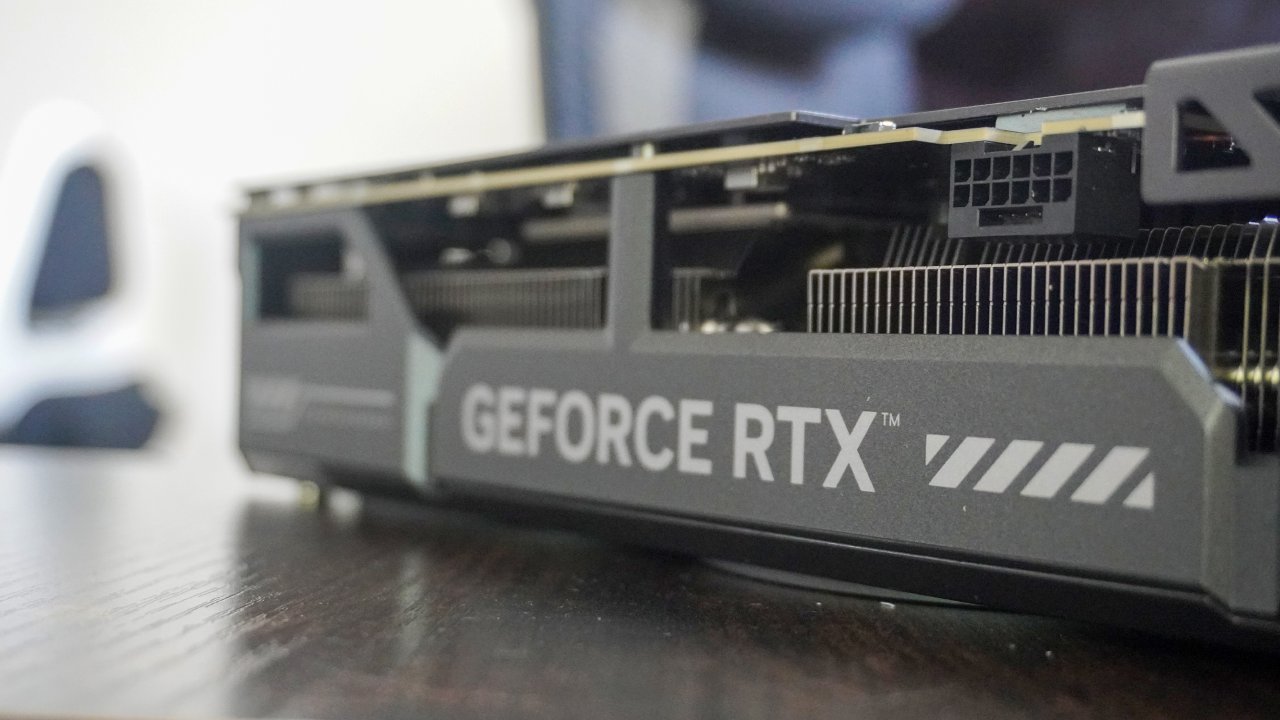
RTX 60-Series Spec Rumors Continue to Spread
On the surface, those numbers seem to align with the increased demand for RAM from gaming, AI workloads, and pro apps. Higher-resolution gaming, larger textures, more demanding ray-tracing workloads, and machine-learning applications continue to drive demand for greater GPU memory capacity. If you’re following hardware trends, then bigger VRAM sizes can look reasonable since software needs keep shifting.
But just because there is discussion about memory capacity doesn’t mean the information is inherently accurate. At this point, none of the claimed numbers have been confirmed by official Nvidia statements or board partner disclosures.
One of the biggest worries is when the reporting on the current RTX 60-series will come out. Several of the outlets reporting on the leaks also noted that many of the purported details sound suspiciously precise for hardware that is supposedly still a long way ahead.
Why You Should Be Skeptical of Many RTX 60-Series Claims
Exact VRAM configurations, clock rates, and core counts are often statements made with the understanding that the engineering is locked down. But reports also say the work is still early enough that big specs could remain subject to change. If the hardware hasn’t completely cycled through production phases, super-detailed leaks are less believable.
Talking about exact boost clocks or any performance targets in general is met with skepticism, since products at this point tend to undergo several changes before launch. Memory allocations, power needs, and compute architectures might all change throughout development.
For GPU rumor followers, this implies that the line between possible and confirmed specifications is becoming increasingly crucial. While the precise hardware specs are still unknown, some projections for the RTX 60-series seem easier to guess than others.
Historically, across generations, NVIDIA has upgraded its tensor cores and ray tracing technology, suggesting the assumptions about continued advancements in AI acceleration and rendering capabilities may matter more than the precise memory claims.
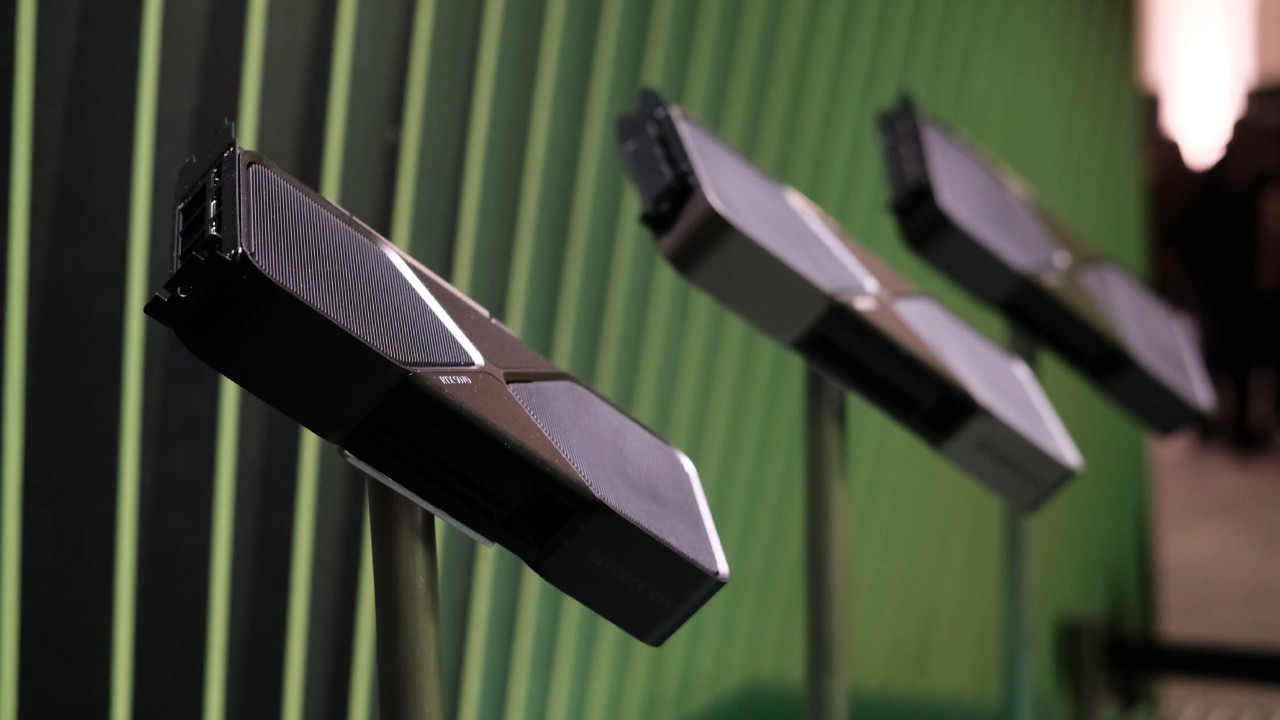
Hardware Development is often Preceded by Speculation
Given NVIDIA's ongoing focus on AI-powered innovation for gaming and creator workflows, it’s not unreasonable to anticipate improved ray tracing and machine-learning acceleration. If you’ve followed recent GPU releases, generational gains are usually seen with larger architectural changes, before the final clock rates or VRAM capacity are announced. But expectations should be tempered until NVIDIA directly confirms the product specifics.
The current RTX 60-series discussion underscores a common trend in the GPU market: rumors often circulate well ahead of actual product announcements. Even with little evidence to back them up, leaked charts, memory configs, and performance assumptions can get going online very rapidly.
With excitement building around future gear, the discussion sometimes turns to expectations rather than things that can be verified. Reports on the RTX 60-series included reminders that many of the specs currently circulating should not be taken as final.
Some coverage in the business press explicitly notes that many of the details in the claims currently circulating online have not yet been officially confirmed. If you’re already thinking about your next graphics card purchase, conjecture can indicate where the technology may be headed, but relying too heavily on early reports can create expectations that vary drastically as the months go by.
Nvidia’s RTX 50-series remains the company’s current hardware platform.
There’s been a lot of talk about the RTX 60-series, but only officially announced devices determine what’s available to buy and what's available to benchmark today. When buyers want to upgrade, it can be hard to match their hopes for the future with what is currently available.
While we can listen to rumors, compare news stories, and keep an eye on the debate, planning based on unproven information is often not a good idea. Until NVIDIA releases official specs, the RTX 60-series is still more of a guess than a real piece of hardware knowledge. One of the most realistic ways to wait for the next GPU cycle is to be patient.
Editor, NoobFeed
Gaming Hardware Updates
No Data.