
NVIDIA RTX 6000 Series Could Redefine Performance Without Big Leaps
Nvidia’s upcoming RTX 6000 lineup appears focused on incremental performance gains rather than dramatic generational leaps
Hardware by Tanvir Kabbo on Feb 08, 2026
There has already been extensive discussion around high expectations for AMD’s next-generation GPUs, with the assumption that they will deliver meaningful improvements. The focus now shifts toward Nvidia’s upcoming 6000 series and what level of progress can realistically be expected.
Most of the portfolio is expected to see small boosts of 15% to 20%, along with a very pricey flagship model, possibly a 6090, that will perform over 40% better than the 5090. But it's not easy to compare the 50 series to the 40 series because the industry is likely to move on to a new process node.
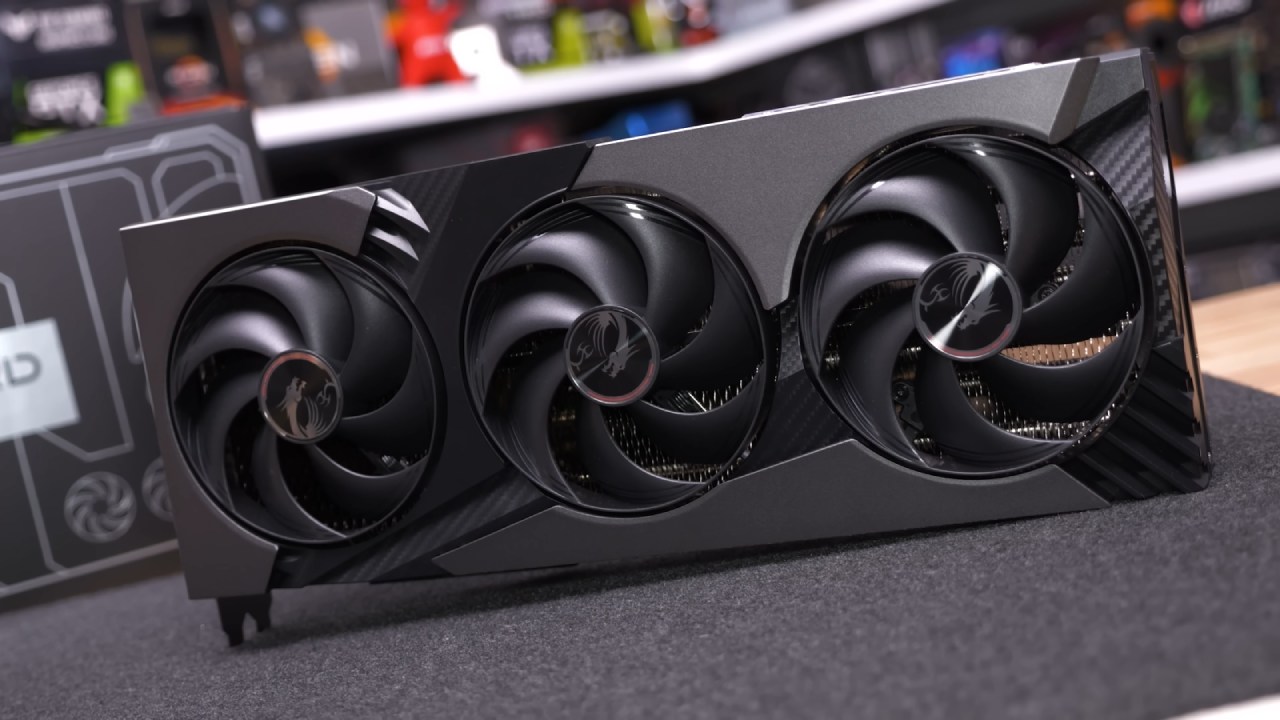
Process Nodes and Performance Scaling
One of the main grounds for hope is the switch to a new way of making things. Since RDNA5 is thought to be based on a 3nm technology, people naturally expect a bigger stride ahead. In the past, new nodes have made big advances in both performance and efficiency.
Looking back at the move to 4nm with the 40 series, additional performance was achieved, but it came at a higher cost. As a result, performance gains are inseparable from pricing considerations. Without knowing what prices will ultimately look like, percentage improvements become a moving target rather than a fixed expectation.
Pricing Strategy Over Raw Specifications
There is also the ongoing discussion around RDNA5 reportedly being limited to higher-end mobile processors. If that holds true, the market could be facing a situation similar to the 40 series launch, where pricing dictated product positioning more than raw specifications.
A hypothetical comparison between a 6070 and a 5070 could end up meaning very little in practical terms. Such a product would likely be aimed at a specific price bracket, with performance shaped around that target rather than delivering a clear generational leap. In that context, expectations need to be tempered.
Architecture and Machine Learning Focus
Rather than relying on brute-force increases in shader counts, future designs appear to be moving toward a more holistic architectural approach. Scaling shaders alone no longer delivers the returns it once did, making specialized acceleration and smarter resource allocation more attractive paths forward.
Machine learning-based features are expected to remain central to Nvidia’s strategy. This mirrors what is being seen with AMD’s FSR Redstone and the broader RDNA5 design philosophy. The emphasis is less on raw rasterization gains and more on leveraging advanced techniques to improve perceived performance and image quality.
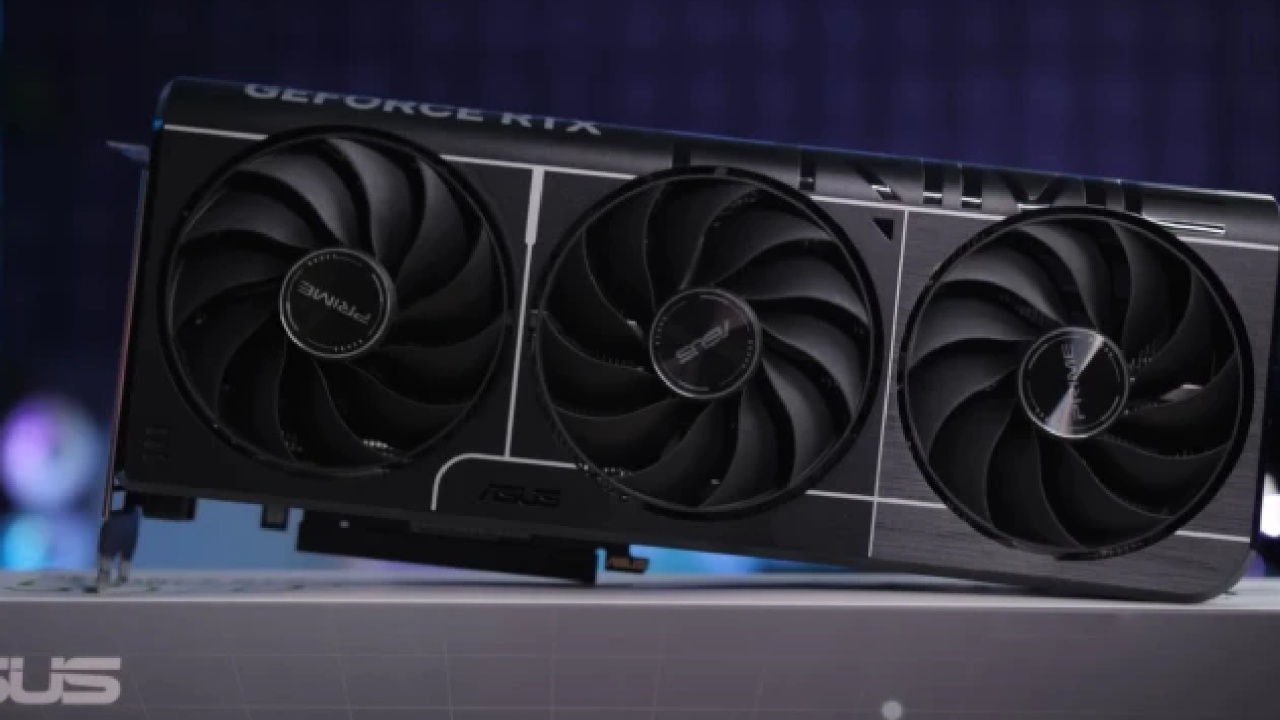
Comparing Blackwell and What Comes Next
Blackwell did not significantly raise the performance bar, which fuels expectations that the next architecture will be more robust by comparison. Still, it probably won't make the big jump that prior versions did.
From a generational point of view, gains may look more like small steps than big leaps. The price strategy, not just the technical skill, will likely decide if a 6070 works more like a 5070Ti or a 5080.
Specialized Hardware Acceleration
Future gains are expected to come from more specialized hardware acceleration, particularly in ray tracing. Certain workloads, such as BVH building and refitting, are still handled through general compute rather than dedicated hardware. There are known ways to accelerate these processes more efficiently, and that remains an area with untapped potential.
Blackwell introduced features like linear swept spheres, but adoption has been limited. If graphics APIs start to provide these kinds of features, they could be used more widely. A lot of this new technology is happening behind the scenes right now, which lets vendors make things work better without letting developers see the improvements right away.
Tensor Cores and Image Quality Improvements
Another big goal is to speed up machine learning with tensor cores. Strengthening these units provides justification for advanced features like DLSS ray reconstruction and newer iterations such as DLSS4.5. While early implementations have shown growing pains, the long-term goal is clear.
Improving image quality using highly specialized hardware is widely seen as a net positive. If future GPUs can improve visuals instead of just frame rates, the total experience could feel more important even if there aren't huge performance advances.
Shifting Definitions of Performance
The meaning of performance is changing. Newer technologies, such as dynamic frame generation, try to make scenarios more immersive instead of just increasing the frame rate. These methods give you a different kind of performance, one that puts smoothness and realism ahead of raw numbers.
As machine learning takes on more tasks, it becomes harder to see the benefits of upgrading technology. The question changes from "How much faster is a GPU?" to "How much better does the experience feel?"
Cost as the Central Challenge
Cost remains the dominant concern. Producing cutting-edge hardware has become increasingly expensive, raising questions about how such products can remain accessible. There is a noticeable shift away from prioritizing high-end capabilities for the broader market, with flagship GPUs increasingly serving niche use cases.
A theoretical 6090 would likely function as a bottleneck remover rather than a necessity. It would help people who use very high-resolution displays or push settings that don't work, which would move system bottlenecks to other places.
Diminishing Returns at the High End
Recent launches bring up the problem of diminishing returns. Even when a new GPU is 25% to 30% faster, the experience may not feel transformative if existing hardware is already more than sufficient for current games. In many cases, excessive GPU demands stem from poor optimization rather than genuine necessity.
Games are no longer scaling in ways that consistently justify extreme increases in raw GPU horsepower. When they do, it often raises questions about efficiency rather than capability.
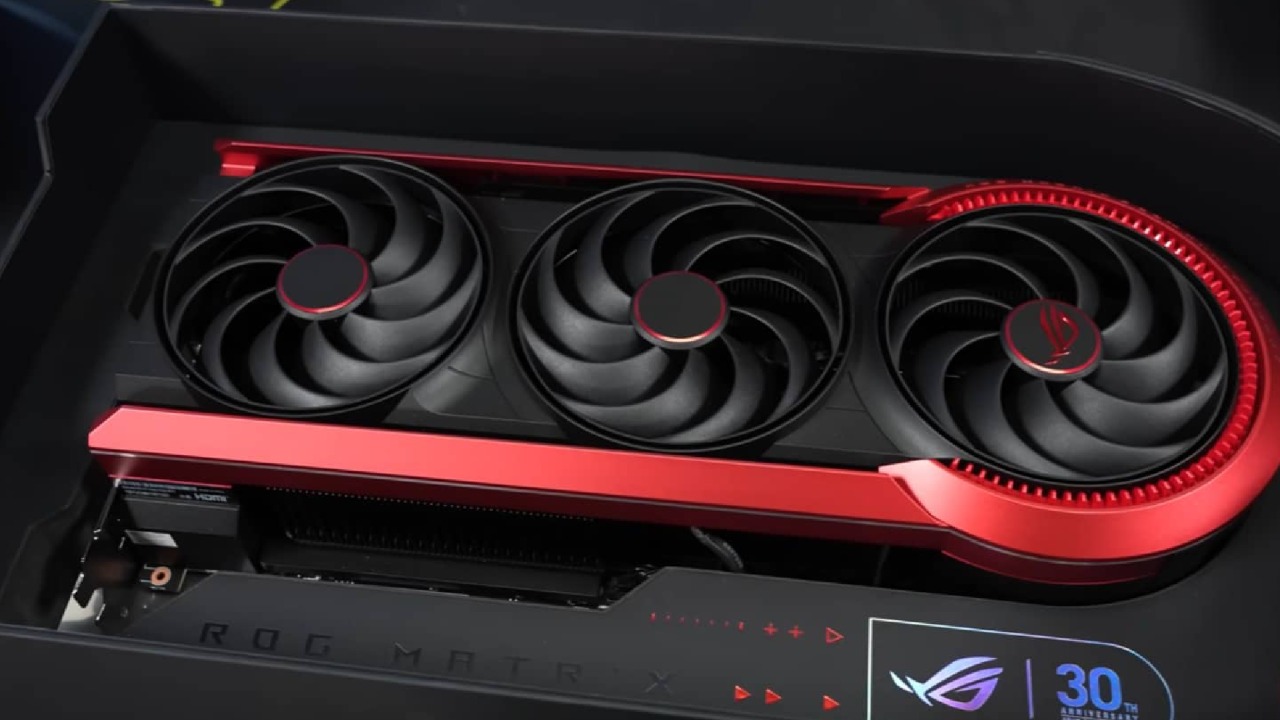
Memory Constraints and the Midrange Reality
Concerns around memory capacity persist, particularly in the lower tiers. The idea of an 8GB 6060 no longer feels far-fetched, even if it is deeply unpopular. Prices in the 60 series have remained relatively stable over time, which is notable given broader inflationary pressures.
However, there is no such thing as a free lunch. The compromise has increasingly been on memory capacity. While performance comparisons can look impressive on paper, workloads exceeding 8GB often tell a very different story.
Paying More for Better Experiences
The market is slowly going toward a situation where you have to spend more money to have better experiences. The main reason why earlier generations were so popular was that they offered huge performance improvements at similar pricing.
If hardware vendors had been clearer about things, the transition might have gone more smoothly, especially when prices changed earlier. Even so, sales figures show that consumers continue to invest heavily in gaming hardware, suggesting that demand remains strong despite rising costs.
New Normal for GPUs
The era of dramatic generational leaps at lower prices appears to be over. The market is still one where advancement is slow, features are more and more software-driven, and big upgrades often cost a lot of money.
There are still affordable solutions, but they don't offer the same combination of performance and value as they did in the past. The future of GPUs is less about explosive gains and more about careful trade-offs between cost, capability, and experience.
Also, check our other articles below:
- AMD Ryzen 9 9950X3D Review: Setting The Standard For 2025 Gaming CPU
- AMD Ryzen 7 9800X3D Review: 3D V-Cache Goes God Mode with Stunning Gaming Performance
- AMD RX 9070 Performance Review: Thermals, Clocks, and Real-World FPS
- AMD Ryzen 5 7600 Review: Best Budget Gaming CPU of 2025?
- AMD Radeon RX 7800 XT Review: RDNA 3 Power For Midrange Gaming
- Sapphire NITRO+ AMD Radeon RX 9070 XT Review: The Ultimate 4K Gaming GPU
- AMD Ryzen 7 7800X3D: Delivers Gaming Performance Far Beyond Expectations
- AMD Ryzen 9 7900X Review: Powering the AM5 Era with DDR5 & PCIe 5.0
- Intel Core i9‑14900K vs. AMD Ryzen 7 7800X3D: Power Profiles & Gaming Benchmarks
- NVIDIA GeForce RTX 5080 Review (2025): Still A 4K Gaming Powerhouse?
- NVIDIA RTX 5070 Review: Mid-Range Muscle or Marketing Hype?
- RTX 5070 Ti Review: Performance, Thermals & Power Efficiency Tested
- ASUS GeForce RTX 5090 LC Liquid Cooled GPU Review: Unmatched Silence & Speed
- MSI GeForce RTX 5090 32GB SUPRIM SOC Review: Power Efficiency, Cooling, and Gaming Performance
- INNO3D RTX 5060 Ti 16 GB X2 Review: Gaming Benchmarks, Temps, and Power Efficiency
- HP Omen 45L Review: RTX 5090 Performance, Thermals, and Value Analysis
- ASUS TUF Gaming GeForce RTX 5060 Ti Review: DLSS 4, Power Efficiency, and Gaming
- ASUS Prime RTX 5060 Ti OC 16GB Review: DLSS 4, Ray Tracing, & Thermals Tested
- NVIDIA GeForce RTX 5060 Review: Specs, Gaming, and Cost per Frame
- MSI GeForce RTX 5090 GAMING TRIO OC Review: A Monster Power GPU
Senior Editor, NoobFeed
Gaming Hardware Updates
No Data.