
PSSR vs Other Upscalers: Why Motion Clarity Matters More Than Still-Image Sharpness
Motion clarity has become a defining factor in evaluating modern upscaling technologies across console and PC platforms.
Hardware by Masaru Hoshino on Oct 01, 2025
One of the most essential parts of contemporary upscaling technology is how clear motion is. As new technologies like PSSR become available, people are starting to argue about whether sharpness in still images or clarity in motion should be more important.
Still images are typically used to make direct comparisons, but it's clear that most people play games while they're moving, thus clarity during gaming is quite important.
The Importance of Motion Clarity
We can acknowledge that PSSR demonstrates clear superiority in terms of motion clarity compared to many other upscaling methods. Its sharpness in motion gives it a unique advantage, addressing one of the most common criticisms of TAA, where players often complain about excessive softness or ghosting in movement.
For many, this sharper presentation in dynamic gameplay makes PSSR stand out as a solution that enhances the experience rather than hinders it.
Balancing Stability and Still Clarity
At the same time, it is essential to recognize that motion clarity is only one factor among many. Image stability and sharpness at rest are also extremely important. Some players may be more sensitive to instability, shimmering, or aliasing artifacts than to slight softness during movement.
Suppose you are someone who finds flickering or instability distracting. In that case, still-image performance can matter just as much as in-motion clarity. We must also consider how well the upscaler handles elements such as ray-traced reflections, screen-space reflections, and other post-processing effects, as these can directly impact visual quality.
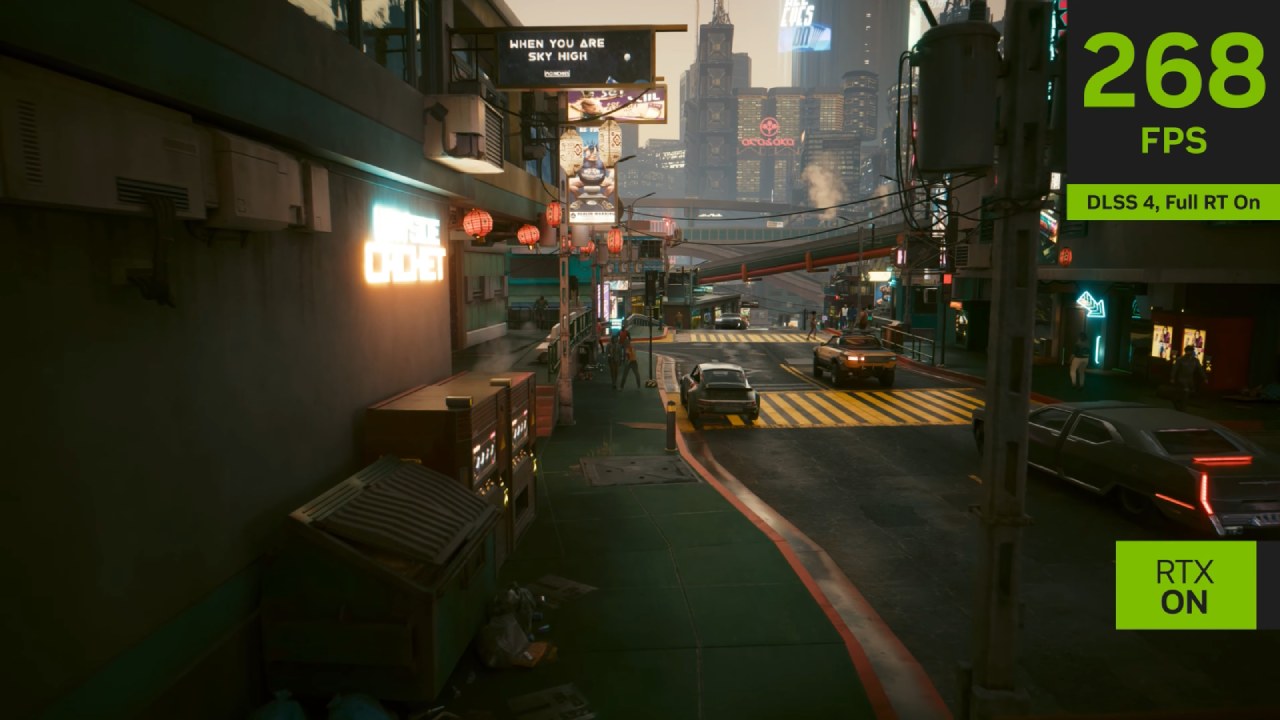
The Role of Display Technology
Another layer to this discussion is the display technology itself. Motion clarity is not determined solely by the upscaler—the persistence issues of sample-and-hold flat panels also shape it.
Even OLED displays, despite their fast pixel response times, are still subject to persistence-related blur without strobing. At 60Hz, and even more so at 30Hz, these issues can become obvious, making the overall macro image during camera movement critical.
In fact, PSSR has shown exceptional results in delivering sharpness during movement. Still, it can also introduce moments of flicker in certain post-processing elements. When this happens, it can be just as distracting as blurring or softness, since flicker affects the entire image in a way that cannot be ignored.
Perception and Bias in Evaluation
When judging how clear motion is, it's also important to think about your own prejudices and preferences. Some players might like a smoother presentation with more motion blur, while others might like sharpness and stability more. For instance, we can be more bothered by instability or shimmering than by a little blur when things move quickly.
Moreover, the way we perceive clarity can change based on how we focus on the screen. Looking straight at an image for long periods may cause us to tune out certain issues, but shifting our gaze or observing peripherally can reveal flickering or instability that was otherwise overlooked.
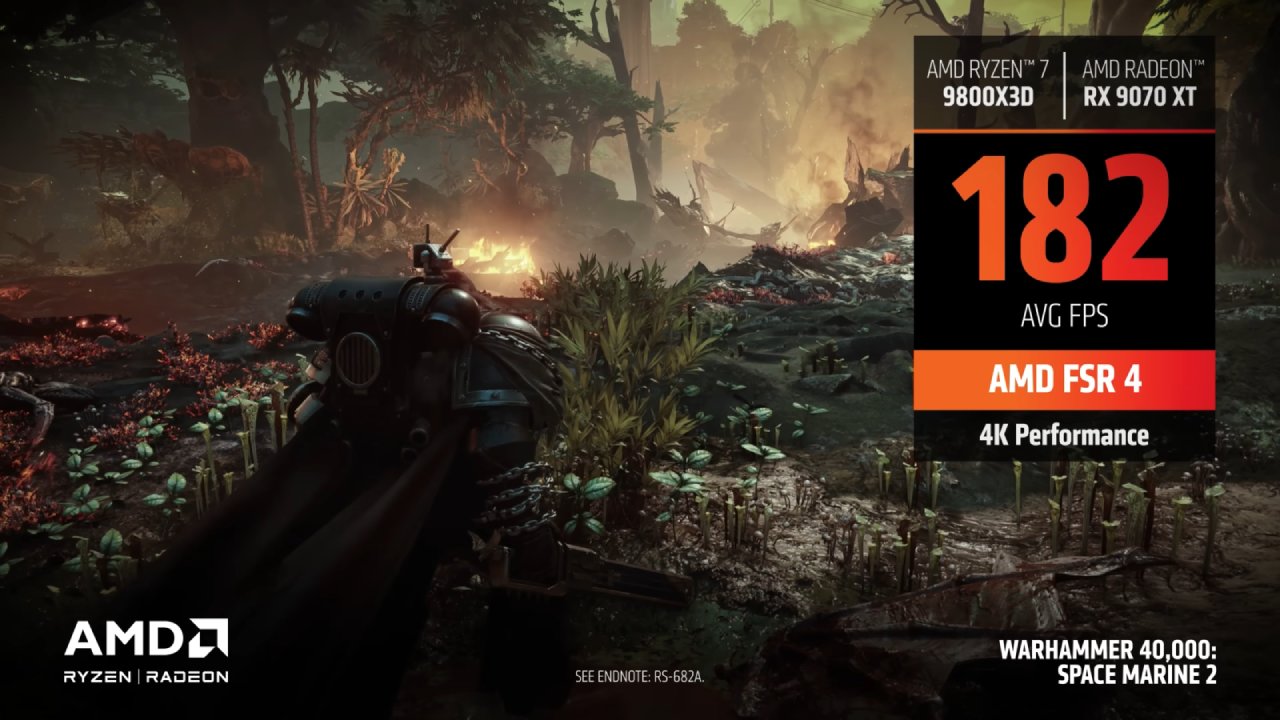
Comparing Across Platforms
PC gamers have more alternatives for image treatment, which lets them examine several solutions side by side and choose the one that best fits their needs. However, on the console, there aren't as many options, which makes it easier to see the pros and downsides of a certain solution, like PSSR.
This difference is what makes PSSR seem like such a big deal: it makes motion apparent in a way that many console players have wanted for a long time, even though it doesn't always function perfectly.
Final Thoughts on PSSR and Motion Clarity
In the end, we have to accept that each upscaler has its own set of trade-offs that are unique to it. PSSR excels in delivering exceptional clarity in motion, a factor that significantly enhances gameplay for those sensitive to blur and ghosting.
Yet, stability at rest, artifact management, and consistency in post-processing remain equally important. The key takeaway is that priorities vary—some players will prefer the sharper in-motion look. In contrast, others will value a cleaner and more stable still image.
What we can conclude is that PSSR represents a major step forward in addressing motion clarity, and it has set a new bar among upscaling technologies. For those of us who have long struggled with softness in motion, it finally feels like a solution that prioritizes gameplay.
Check Our Other Upscaling Articles:
- FSR vs. XeSS vs. DLSS: Best Upscaling Technology for Gaming in 2025
- FSR 4 vs. DLSS 4 at 4K: A Detailed Comparison
- FSR 4 vs. DLSS 4 in 1440p Gaming: Visual Fidelity and Frame-Rate Uplift Analysis
- DLSS 4 Ray Reconstruction: Elevating Ray Traced Visuals with AI
- DLSS 4 vs. DLSS 3: How Transformer‑Based Upscaling Sharply Outpaces the Old AI Model
- AI Upscaling on PS5 Pro: Can PSSR Finally Match DLSS?
- DLSS 4 Balanced vs. Performance: Striking the Perfect FPS and Image Quality Balance
Editor, NoobFeed
Gaming Hardware Updates
No Data.