
Steam Machine vs. Modern PC Builds: The Surprising 2026 Winner
Rising GPU costs signal a dramatic shift in how the gaming hardware industry prioritizes its most profitable markets.
Hardware by Tanvir Kabbo on Jan 04, 2026
GPU prices have gotten so high that they don't look like anything that long-time PC users are used to. Parts that used to cost a few hundred dollars now cost more than whole systems did just a few years ago. There are a lot of rumors, guesses, and conflicting explanations going around online, but at the heart of it all is a big change in how the industry works.
What seems like rising prices is really the product of bigger shifts in the structure of the gaming, hardware manufacturing, and tech industries as a whole.
Shock of Modern GPU Pricing
Every PC gamer has had that moment of bewilderment while looking at GPU prices. We go online thinking we know how much hardware should cost, but then we find out that the price ranges we know have broken down. Some people say that corporate greed is to blame, while others say that AI is wrecking everything. Still others think that some firms are working together in secret.
When we look at the real data instead of all the noise, things become clearer. Prices for GPUs are going up, and this is an indication that PC gaming will never be the same again. Things that used to be regular, like spending a few hundred dollars for a mid-range GPU, are no longer typical.
Entering a $5,000 GPU Era
Reports said that Nvidia and AMD would hike GPU prices by a lot. Now that the prices are going up, the RTX 5090 might go from $2,000 to $5,000. Both companies are apparently getting ready to hike costs every month, which will harm both consumer GPUs and the data center devices that make them the most money. Companies that construct AI servers will be able to easily cover these expenditures.
Customers won't. A few years ago, paying $900 for a GPU seemed like too much, but now we're seeing enthusiast cards cost almost $5,000 with only small performance benefits. The 30-series was the last big jump for gamers, and since then prices have gone up and advances have slowed down. NVIDIA has no need to keep pricing low for consumers when AI clients buy a lot more gear than we gamers do.
.jpg)
How Manufacturing Constraints Changed Everything
For more than ten years, we thought of prices in obvious levels: $200 to $300 for mid-range, $400 to $500 for high-end, and anything over $700 as enthusiast level. Those price ranges are no longer available. Modern GPUs need very advanced fabrication nodes, a lot of transistors, and a lot of fast VRAM. These constraints put them in direct conflict with AI server gear that uses the same resources.
Because of this, GPUs are no longer made mostly for gaming. Their designs are becoming more and more suited to AI workloads, which is why technologies like frame generation and DLSS get so much attention. Hardware developments that make pure rasterization run faster have slowed down a lot.
Gamers keep upgrading, though, since it's what they do, even if many GPUs from the last six years are still powerful enough for most tasks. The industry's priorities changed, and manufacturing now follows those interests instead of the gaming market that helped develop the companies in the first place.
AI Competition and VRAM Pressure
The price of VRAM has a bigger effect on the cost of a GPU than the GPU chip itself. Faster memory, bigger memory pools, and more powerful controllers are all very important for modern graphics cards. AI data centers need the same things, which makes demand go up and prices go up.
When memory providers boost prices, manufacturers pass those expenses on to us. This makes entry-level GPUs feel stuck, mid-range GPUs becoming more expensive with each new generation, and high-end GPUs jump into completely new price ranges. Because gaming GPUs and AI accelerators are fighting for memory resources, gaming becomes less important in the market.
Gamers Are No Longer the Priority
Nvidia used to mostly make products for gamers, but that is no longer the case. Gaming just makes up a small part of their entire sales currently. Data centers, AI, and corporate gear make a lot more money. Gaming GPUs are still important largely to keep people loyal to a brand and keep them in the ecosystem.
This makes it unpleasant for all of us to face the fact that we are no longer the most important customer. This change is shown by Nvidia's concentration on services like GeForce Now. Subscriptions for cloud gaming bring in steady money and make it less necessary for people to purchase expensive hardware.
If firms can get us to switch to streaming, they will have more control and steady income, and they won't have to rely as much on hardware sales. The idea that gamers will "revolt" over exorbitant prices falls apart when there is no good place to go. AMD has trouble getting enough parts, while Intel is still behind in high-end performance. The market just doesn't have enough competition to drive costs down.
How the Steam Machine Fits Into All This
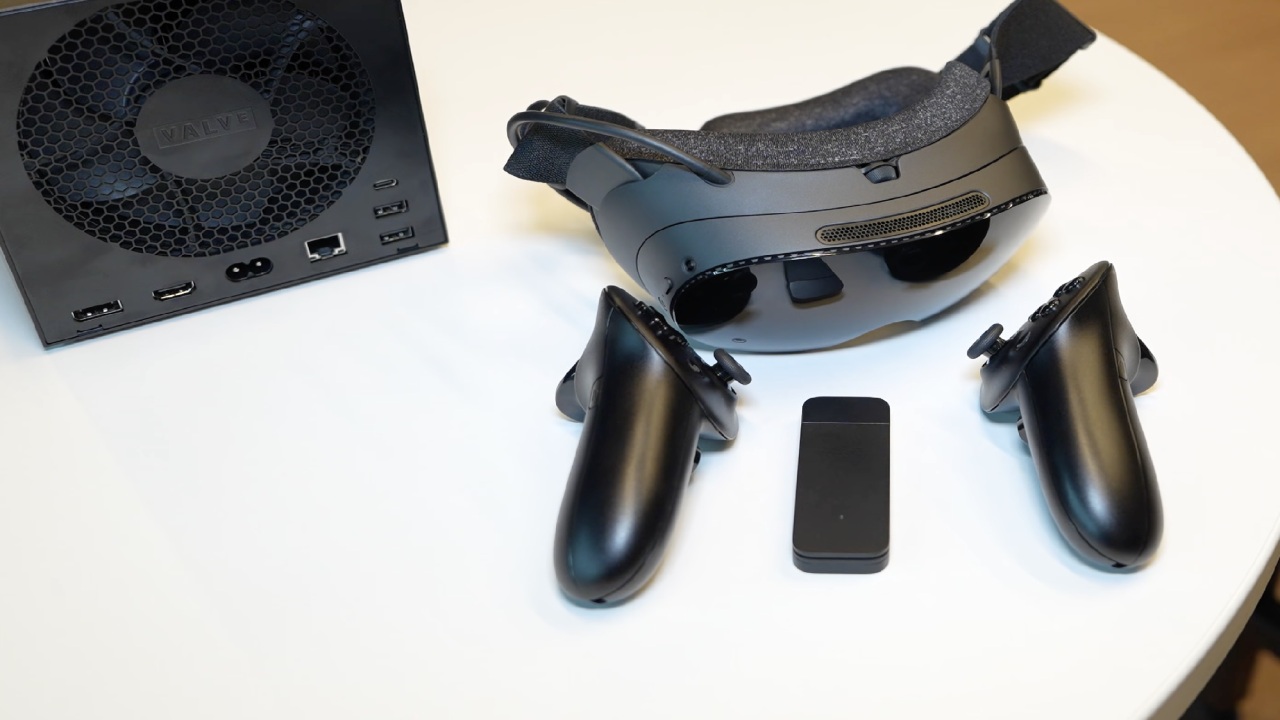
People were doubtful of the original Steam Machine idea, especially because it only had 8GB of RAM. In a market where even a mid-range PC can cost $4,000 to $5,000, a Steam Machine that costs $700 to $800 becomes unexpectedly important.
It is not only a console-like gadget. It is a working PC that can run a real desktop operating system. For people who only need basic computing, productivity tools, or general-purpose desktop features, it might be one of the few economical solutions left.
People who go back to their online shopping carts and find that the prices of the PCs they were going to build have gone up by two or three times will cancel their upgrades. This gives Valve a unique chance. If promoted well, the Steam Machine might compete with pricey pre-built computers, cloud subscriptions, and GPUs that cost too much. But supply problems and scalpers might suddenly make things hard to find.
Still, the Steam Machine is a good option for people who really need a computer right away, especially since older technology from the last six years generally works better than current-gen consoles.
.jpg)
Industry Push Toward Cloud Dependence
Rising hardware prices, fewer GPUs being made, AI-driven demand, and companies putting subscription models ahead of alternative options all work together to push people into cloud gaming and other paid services.
This change is good for businesses since it guarantees steady income and makes owning hardware less important. It also makes it harder for consumers to regulate things in the long run. As GPUs get more expensive, cloud systems look better and better, just as enterprises want them to.
Why Older Hardware Still Matters
If you need a computer but can't afford the prices of new PCs, the Steam Machine or older hardware bought second-hand are still the best solutions. Many graphics cards from six years ago still work better than today's consoles, so they are more than good enough for gaming and other uses. Backing companies that use extreme pricing strategies just makes those choices stronger.
Even systems that are already built are getting more expensive as big companies boost pricing on all of their products. In this situation, outdated technology is still one of the few places where you can get a good deal. The Depressing Reality of $5,000 GPUs
It used to sound crazy that GPUs could cost $5,000, but now it's happening. Prices are likely to keep going up until there is real competition or changes to the way things work. We are starting the year with such bad news that it is evident that the GPU market is entering a new age.
In this new era, gaming hardware is no longer the main focus and affordability is no longer the norm. Things could become worse before they get better.
Also, check our other articles below:
- AMD Ryzen 9 9950X3D Review: Setting The Standard For 2025 Gaming CPU
- AMD Ryzen 7 9800X3D Review: 3D V-Cache Goes God Mode with Stunning Gaming Performance
- AMD RX 9070 Performance Review: Thermals, Clocks, and Real-World FPS
- AMD Ryzen 5 7600 Review: Best Budget Gaming CPU of 2025?
- AMD Radeon RX 7800 XT Review: RDNA 3 Power For Midrange Gaming
- Sapphire NITRO+ AMD Radeon RX 9070 XT Review: The Ultimate 4K Gaming GPU
- AMD Ryzen 7 7800X3D: Delivers Gaming Performance Far Beyond Expectations
- AMD Ryzen 9 7900X Review: Powering the AM5 Era with DDR5 & PCIe 5.0
- Intel Core i9‑14900K vs. AMD Ryzen 7 7800X3D: Power Profiles & Gaming Benchmarks
Senior Editor, NoobFeed
Gaming Hardware Updates
No Data.