
Valve GDC Leak Reveals Steam Machine Specs and Performance Targets
Valve outlines performance targets and optimization strategies for developers to improve compatibility across lower spec hardware ecosystems.
Hardware by Shinji Okazaki on Mar 19, 2026
Valve's GDC presentation deck came out, and it included a lot of information on how developers should go about making games for Valve hardware. It discussed how to improve things, how to stop cheating, and how the verified system will work in future technology.
One important point made was that games should be optimized for lower-spec computers to make them more accessible.
Focus on Developer Guidance and Optimization
We see Valve telling devs directly how to ensure their games work well on its hardware. One important point is that you should focus on improving performance on lower-spec devices. They make it clear that improving performance on lower-spec computers will help you reach more people. This aligns with the premise that not everyone upgrades their hardware very often, and creators need to consider what users can actually do when they release new games.
You can tell that developers are already changing their minds. Instead of aiming for higher-end hardware assumptions for future releases, the focus is now on scaling performance to match what most users are likely to have.
Goals for Steam Machine Performance
We find out that Valve wants 1080p to be the standard. The expectations for 4K 30 fps have been lowered. The minimal criteria for verified performance on the Steam Machine is 1080p 30fps. It may be feasible to get better performance, such as 4K 60fps with upscaling, but that is not the minimum need.
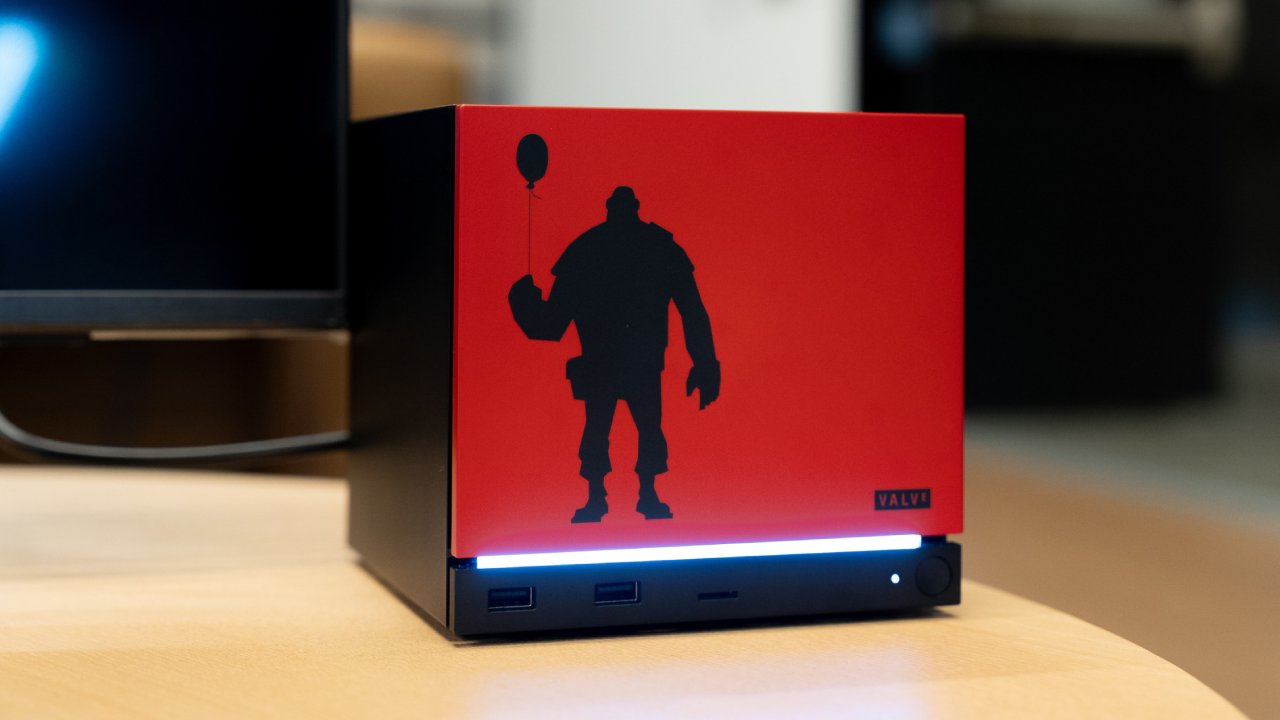
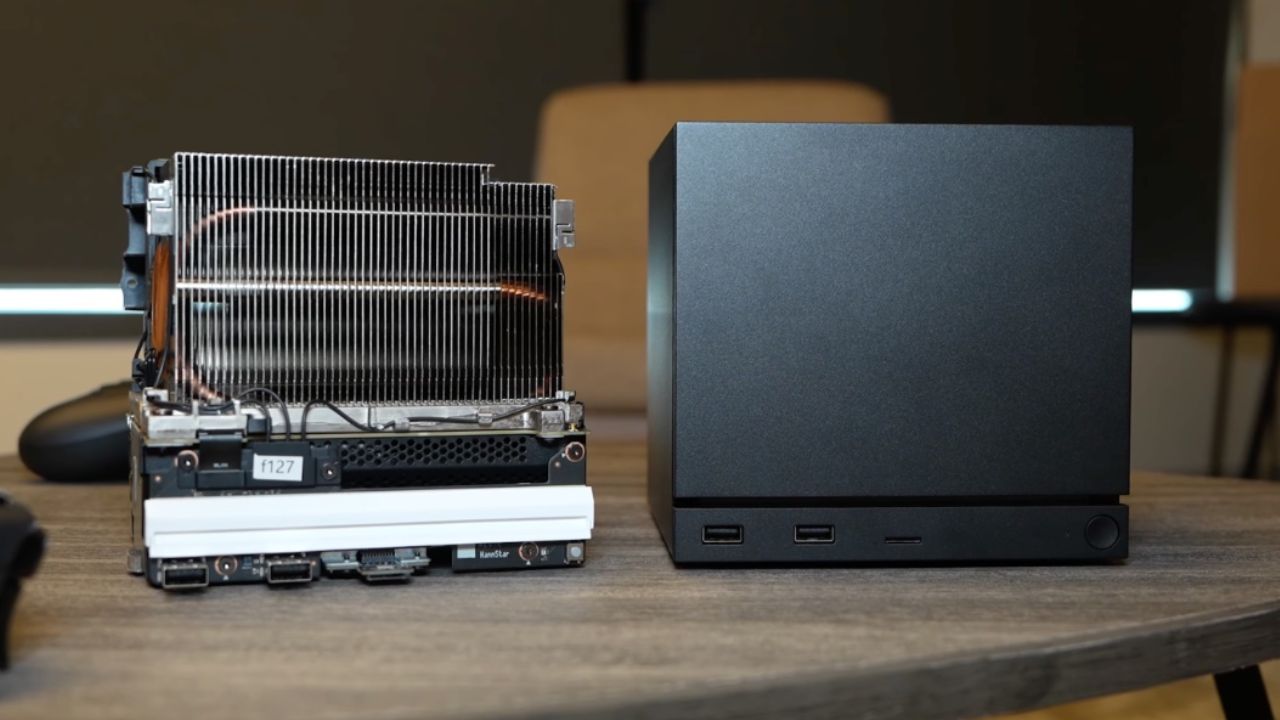
There is also talk on how the Steam Machine is built, with some people pointing out how small it is by comparing it to a power supply.
Requirements for Steam Frame and VR
We learn more about the Steam Frame and what needs to be verified. For VR games that run directly on the device, the minimum frame rate is 90fps. This is true for standalone VR experiences, meaning the device must maintain 90 fps to be certified.
For standalone 2D games, the requirement is lower: 30 fps at 1280x720. People generally call these flat games because they don't use VR.
We know that prioritizing 90 fps in VR is associated with lower motion sickness. Higher frame rates make visuals more stable, making the experience more pleasant. Even if this worsens picture quality, the primary goal is still to keep performance steady.
Comparing it to Other Devices
We can compare this method to other devices that don't have rigorous 90fps requirements. In some circumstances, those devices may provide superior pictures at lower frame rates. Valve, on the other hand, prioritizes consistency and user convenience over visual fidelity.
Higher performance requirements might degrade the visuals, but make the program easier to use.
Confirmed System and Standards
We can now better understand the verified system. Valve specifies performance goals for developers, such as 30 or 90 fps, depending on the type of experience. But these goals aren't often well stated to users.
You might be wondering why these figures aren't shown to customers. One reason is that performance can change. If a game slips below its promised frame rate, even for a short time, players may be unhappy or ask for a refund. Setting internal goals for developers gives them freedom while preventing them from making promises they can't keep.
Things to think about when it Comes to Hardware and Resources
There is also a note about needing RAM, which is an example of a resource limitation. Even though it was funny, it shows serious problems with getting and making hardware.
We know that hardware limitations affect design choices. Developers and platform owners need to strike a balance between performance goals and available resources.
Final Thoughts
There is a common thread throughout the PowerPoint deck. Valve is focusing on making things easier to access, more stable, and more widely available. They want to make games more widely playable by pushing optimization for lower-spec hardware. This means moving away from creating only high-end experiences toward creating scalable ones that work across more systems.
Also, check our other hardware articles:
- AMD Ryzen 9 9950X3D Review: Setting The Standard For 2025 Gaming CPU
- Amazon Luna 2025 Review: Is Prime Gaming's Cloud Service Your Go-To For Casual Fun?
- AMD RX 9070 XT Review: AMD's RDNA 4 Champion for 1440p Gaming
- GeForce Now Ultimate: Ditching Your Gaming PC For Cloud RTX 4080 Power?
- NVIDIA GeForce RTX 5080 Review (2025): Still A 4K Gaming Powerhouse?
- Intel Core Ultra 9 285K Review And Performance Breakdown (2025)
- AMD Ryzen 7 9800X3D Review: 3D V-Cache Goes God Mode with Stunning Gaming Performance
- Intel Core Ultra 9 285K vs AMD Ryzen 7 9800X3D: In-Depth Gaming Performance and Benchmark Comparison
- NVIDIA GeForce RTX 5080 Super Performance In Cyberpunk 2077: Path Tracing & DLSS 4.0 Tested
- AMD Radeon RX 9070 XT In Cyberpunk 2077: Ray Tracing & FSR 4.0 Tested
- Intel Arc B580 Review: The $250 GPU Revolutionizing 1440p Gaming
- Intel Arc B570 Vs. B580: Value, Specs, And Real-World Gaming Performance
- RTX 5090 Laptop Vs. M4 Max MacBook Pro: Ultimate Raw Performance Vs. Battery Endurance
- Intel Arc b580 Vs. RTX 4060: Game Performance And Value Analysis
- RTX5090 Hell Is Us Demo 4K Ultra Benchmark: DLSS Vs. Native Performance Guide
- NVIDIA RTX 5070 Review: Mid-Range Muscle or Marketing Hype?
- Nintendo Switch 2 Review: Handheld Performance, Features & Value Breakdown
- RTX 5070 Ti Review: Performance, Thermals & Power Efficiency Tested
- Samsung Odyssey OLED G81SF Review 2025: Ultimate 32-Inch QD-OLED Gaming Monitor
- AMD RX 9070 Performance Review: Thermals, Clocks, and Real-World FPS
- AMD Ryzen 5 7600 Review: Best Budget Gaming CPU of 2025?
- AMD Radeon RX 7800 XT Review: RDNA 3 Power For Midrange Gaming
- Asus ROG RTX 5090 Astral OC Vs. Founders Edition: The 4K Gaming Benchmark
Editor, NoobFeed
Gaming Hardware Updates
No Data.