
Valve Steam Machine 2026: Barebones Edition and RAM Shortages Explained
Understanding the importance of a barebones Steam Machine model amid ongoing RAM shortages and supply issues.
Hardware by Tanisha Aria on Dec 11, 2025
The hardware business is still worried about the changes in RAM prices and supply. As market instability persists, the availability of long-term parts becomes uncertain, especially for businesses preparing to release hardware systems that are expected to remain supported for years.
When production relies on always having access to RAM and SSDs, even short-term shortages can make it very difficult to meet manufacturing goals and deliver products to stores.
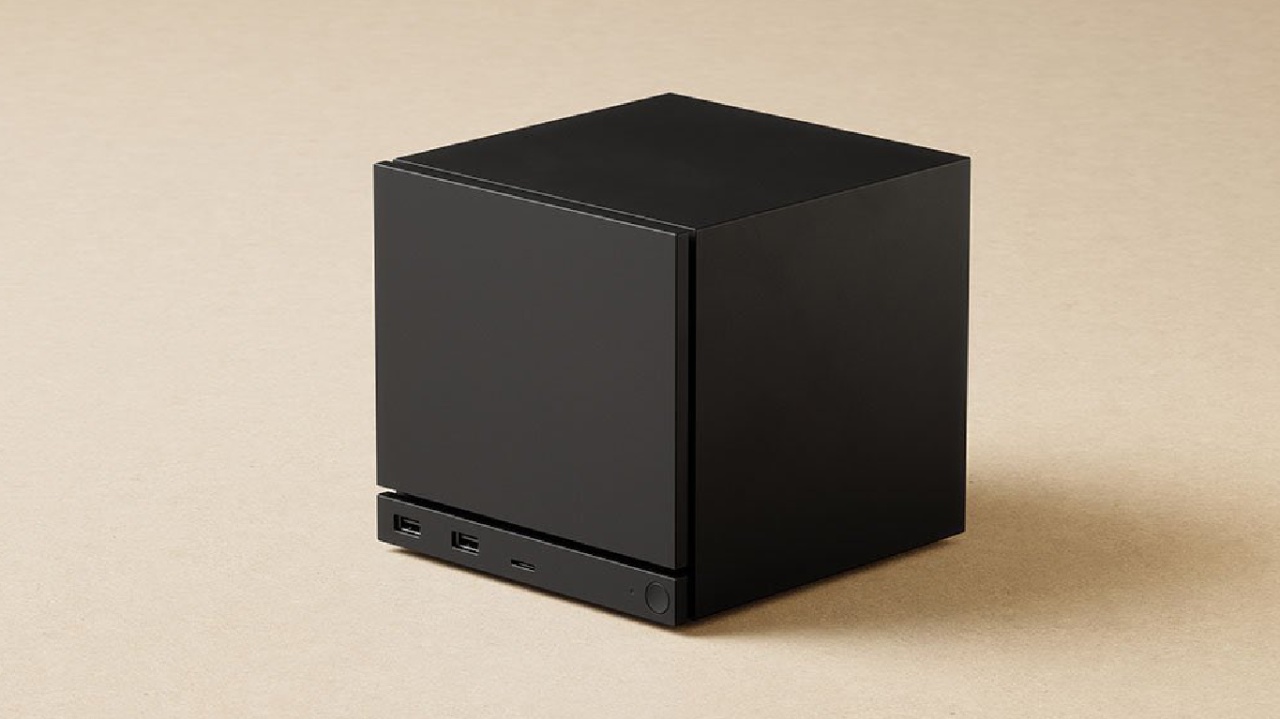
This makes it harder for any company that wants to make a gadget that bundles memory by default and can be used by anyone.
Why a Barebones Steam Machine Is Practical
Given what's going on right now, we think Valve should consider offering a barebones Steam Machine. The simple idea is to sell a model that doesn't come with RAM, an SSD, or a processor.
Most people already have a keyboard for a PlayStation, Xbox, or another device, so it makes sense to take it out. If Valve removes RAM, SSD, and a controller from the bill of materials, they could probably make $400 with a 20% to 30% cushion.
This pricing system is based on that main idea, and it doesn't rely on subsidies. According to the study we did earlier, which aligns with Digital Foundry's view, the profits are still there at that price.
We think Valve bought some SSDs and RAM ahead of time, but not enough for many years of making Steam Machines.
If you were Valve, a price range like $400–450 for the basic version, $450–550 for a 16GB/512GB version without a controller, and $600–650 for a 16GB/2TB version with a controller would make sense. The framework is more important than whether the exact numbers are 400, 500, and 600 or 450, 550, and 650.
How Valve Could Balance Supply With Tiered Models
Valve could spread out the launch over time by using a three-tier approach. The 2TB luxury model with a controller would get a lot of press attention when it launched and sell out quickly.
If Valve makes about half a million pieces, there could be 300,000 of the 512GB version and 200,000 of the 2TB version. The barebones version, on the other hand, would always be available for purchase and would be used as a backup when RAM or SSD supplies are low.
Any time Valve gets a good deal on memory or storage, the higher-end preconfigured versions would come back in small groups. The barebones machine would always be in stock, even though other items would often be out of stock.
In a market facing RAM shortages expected to last until at least the middle of next year—and maybe the year after that—this level of adaptability would matter. We would honestly be shocked if Valve didn't take this route.
Letting Users Reuse Old Laptop Parts
The barebones method can be seen as environmentally friendly, and there is a strong argument for this. You may already have an old HP laptop or a small PC that you don't use anywhere.
You could take out an SSD or DDR5 stick and reuse it with a screwdriver. A lot of people have older computers with NVMe drives that work just fine and 8GB or 16GB modules just sitting around.
Valve could even promote this by pointing out how it creates less e-waste and urging users to return parts on their own. It's still easy to get cheap sticks or drives on local selling sites if you don't have any with you. Allowing users to do this reduces overall costs and helps Valve avoid supply and production issues.
It also sets a stable $400 entry-level price that is lower than similar products like the Xbox Series S. You could build a Steam Machine for $400 with an old laptop drive and a DDR5 module. It would work better than the Series S. That by itself would change what people expect from ready-made console-style PCs.
.jpg)
Reducing Market Pressure With a Base Model
Offering a barebones version would stabilize the Steam Machine's position even as part prices rise. RAM prices could still make the more expensive models change, but there would always be a $400 model.
If Valve offered a simple guide to installing your own RAM and SSD, they could avoid supply-chain issues entirely. They could still offer higher-end, ready-to-go versions when possible.
We believe that this is the most likely thing that Valve will do. Unless they already have enough RAM for millions of units, which is unlikely, they will need a backup plan as shortages get worse.
They're likely set for the first six months, but they might not have enough to keep the system going for as long as it exists.
Why Steam Machine Leaks Are So Limited
Another common question is why there are so few leaks about the Steam Machine or Steam Deck 2. It's easy to make sense of when we look at how Valve makes hardware. The Steam Deck 2 probably doesn't have its exact specs yet.
A Steam Deck 2 APU isn't mentioned in any of the deep AMD paperwork, including codenames and information about projects that haven't been launched yet. Valve likely has performance goals and thoughts for how things should work, but they probably haven't picked out a chip yet.
There isn't much to share about the Steam Machine. The hardware is built on parts that have been out for over a year. The GPU will be almost three years old by the time it comes out.
On the other hand, leaks about PS5, PS6, Orion, and Kynis are more interesting because they discuss new design styles, codenames, and parts that have never been used before.
Valve is a small private company with about 400 workers. Nvidia has over 30,000 workers, and Intel has about 100,000. Many people working in many areas can cause leaks.
Valve has less product leakage and better internal control, so they lose less. Still, early details and past leaks, like those from Decard and SadlyItsBradley, did come out. It's just that Valve's work doesn't make as many of those really unique things.
Final Thoughts
A barebones Steam Machine seems useful, if not necessary, since RAM prices keep rising and shortages are expected to last until next year.
Valve can keep its stock steady, avoid supply chain problems, and give users a cheap, flexible way to build their own system with used parts by selling a version that doesn't include RAM, an SSD, or a controller.
It becomes a useful fix that helps the market stay stable, gives users options, and keeps the platform running for a long time.
Also, check our other Console articles:
- PS5 Pro vs. PS5 Slim: Frame‑Rate, Graphics & Performance
- PS5 Pro vs. Radeon RX 9060 XT vs RTX 5060 Ti: Ultimate $700 Gaming Showdown
- ASUS ROG Ally PS5 Remote Play | How to do Remote play on PS5 Using Sony's Official Remote Play App
- Stream PS5 Games on Steam Deck OLED: Step-by-Step Installation and Configuration
- AI Upscaling on PS5 Pro: Can PSSR Finally Match DLSS?
- PS5 Pro vs. PS5 Slim vs. PS5 — Design, Storage, Specs, and Gaming
- PS5 Pro vs. Xbox Series X: Specs, Price, Storage, Customization, and Gaming
- PS5 Pro vs. PC Gaming: Comparison of Graphics, Frame Rates, and Price
Contributor, NoobFeed
Gaming Hardware Updates
No Data.