
Valve Steam Machine Pricing Crisis Could Push 512GB Model to $999
Rising memory and storage costs are forcing Valve to reconsider pricing and release schedules for the Steam Machine and Frame.
Hardware by Tanvir Kabbo on Feb 18, 2026
Valve's next hardware portfolio is still shrouded in mystery, as the prices and release dates haven't been announced yet. Due to a lack of memory and storage in the industry, costs have had to be reevaluated, which leaves the future of the Steam Machine, Steam Frame, and Steam Controller up in the air.
With component prices surging and AI-driven demand reshaping supply chains, the viability of these products now hinges almost entirely on whether they can launch at a price people actually want to pay.
The Core Problem: Price Has to Be Sellable
The key question isn’t just what it needs to be priced at to cover costs. It needs to be sellable. People need to want to buy the thing. That’s where the challenge lies.
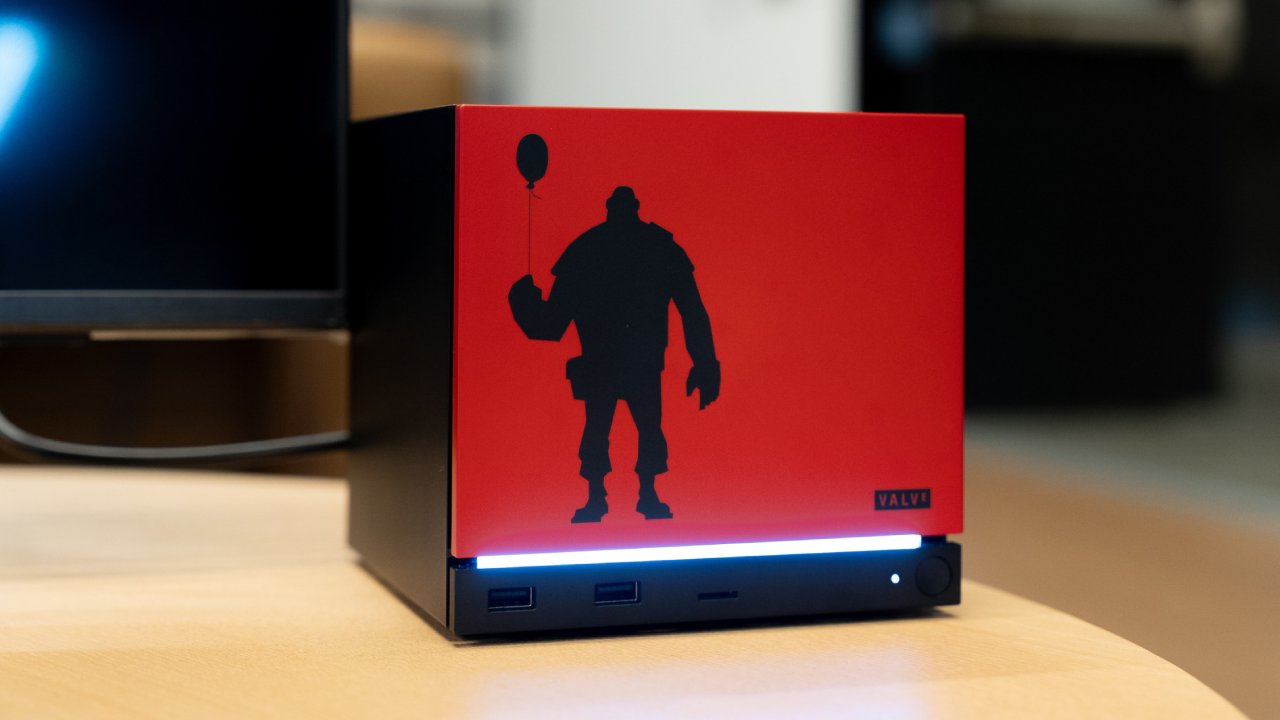
The Steam Machine is essentially a small gaming PC featuring hardware somewhere between an RX 7400 and RX 7600 class GPU, paired with a Zen4 CPU, 16GB of RAM, and two configurations: 512GB or 2TB SSD. It’s last-gen tech. Not cutting-edge, but not ancient either. Most users probably wouldn’t notice it’s last-gen in daily use. Still, that matters when pricing comes into play.
Valve previously stated it intends to price the Steam Machine like a PC, not a console. In practical terms, that means no heavy subsidies. They are not planning to sell the hardware at a loss and make it back through the Steam Store. They aim for price parity with a similarly performing PC.
That sounds reasonable. But the market has changed dramatically since those early expectations.
The Memory Crisis and Rising Costs
When the products were announced, the expectation was that specific pricing and launch dates would follow soon after. Instead, memory and storage shortages escalated. AI demand has pushed prices upward at an alarming rate.
A Crucial Pro 32GB DDR5 CL36 kit that cost $80 last year now sits around $325. That alone tells the story. Manufacturing costs jumping at that level have a massive impact on hardware releases.
Analyst firms recently noted that memory costs surged up to 90% so far in 2026, and it’s only February. That figure reflects the raw cost of memory chips before packaging, integration, or form-factor adjustments, such as SODIMM modules or LPDDR5.
And we are not expecting that situation to improve anytime soon. Projections suggest that expanded production capacity from companies such as Samsung, Micron, and SK hynix may not meaningfully ease consumer prices until 2027 at the earliest. Even then, rising AI demand may simply absorb any increased supply.
SSDs have also climbed in price. A 2TB drive can now exceed $200, compared to far cheaper deals seen during last year’s sales periods. Storage inflation compounds the problem.
From Optimism to Reality
Back in November, we made optimistic guesses. We thought the 512GB model might land around $529, with the 2TB version at $649. A sub-$500 entry point would have been ideal, making it a great gateway into PC gaming.
Those estimates now seem wildly optimistic.
Previously, you could find an RTX5060-based gaming PC with DDR5 for around $750 to $800. Today, similar systems hover at $900 or more, and even those are rare. When you look at current listings, modern-spec computers don't show up until several pages in, and they often have outdated GPUs and DDR4 RAM.
Because of that change, a new estimate for the 512GB Steam Machine might be around $899. That still seems too hopeful. The 2TB version is even harder to justify, since the drive alone can cost more than $200.
Valve is not Dell or HP in terms of manufacturing scale. They won’t benefit from the same massive component pricing leverage. They could cut costs by using a single RAM stick instead of dual-channel memory, but that would reduce performance.
Another projection lands even higher, around $999 for the 512GB version, potentially pushing the 2TB model toward $1500. At that point, we have to ask whether it even makes sense to release it.
Would You Buy One?
That’s the real question. If it launches at $899 or $999 for 512GB, would you buy one?
Pricing can’t just reflect manufacturing realities. It has to reflect desirability. If it feels overpriced, people may simply wait. But there is also a chance the prices of gaming PCs will rise so much that $999 will seem like a good deal.
We've already seen that in some areas, premium hardware sells out quickly, even when employing outdated chips. The form factor and ecosystem are important. Valve's ecosystem integration—such as microSD card support, gamepad compatibility, and a smooth UI—adds value beyond the specs.
Still, there’s a tipping point. A $1500 Steam Machine with 512GB of storage would be difficult to justify.
The Steam Frame and Steam Controller Factor
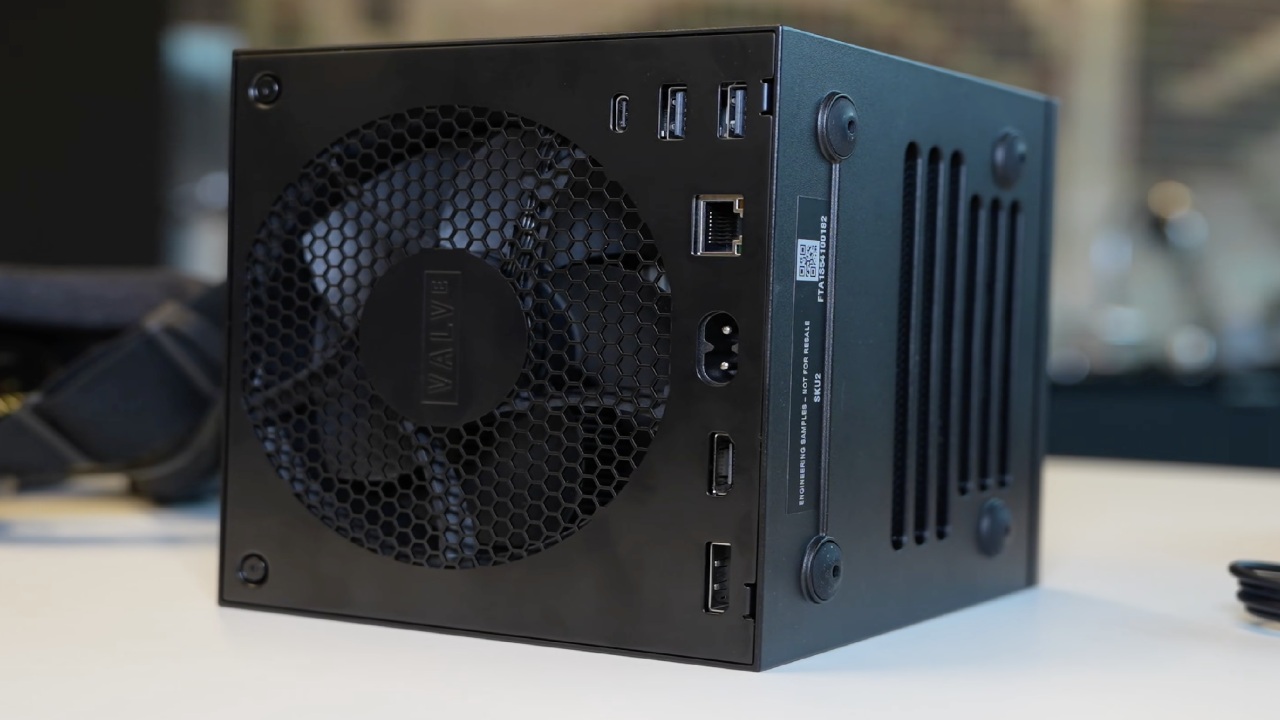
The Steam Frame is also affected. It includes 16GB of LPDDR5 and either 256GB or 1TB of storage. That memory is soldered, limiting sourcing flexibility. While it offers double the VRAM of a Quest3, rising component prices are also putting pressure on its launch viability.
The Steam Controller, however, remains relatively insulated from the memory crisis. It contains minimal memory components and could theoretically launch independently.
Splitting the launches might undermine the ecosystem strategy, but it could also preserve momentum. A standalone Steam Controller release would at least signal forward movement.
The Risk of History Repeating
There’s an uncomfortable parallel with the original Steam Machines launched around 2014 to 2015. That initiative generated huge hype but ultimately fizzled out. Back then, reliance on third-party manufacturers diluted execution.
This time, Valve controls the process. They set the prices, the margins, and the plan. That control gives me a little bit of optimism. They can decide whether to go for profit, break even, or take small losses in the short term for long-term ecosystem benefits.
But if prices get too high, the Steam Machine could end up with two options: launch at a crazy price or not at all.
A Narrow Path Forward
The best time to launch might have been 2025. The longer the delay, the more volatile pricing becomes. Valve wants concrete numbers they can confidently announce. The problem is that the component landscape keeps shifting.
If prices continue climbing through mid-2026, even July may not provide stability. And without pricing clarity, enthusiasm fades.
There is still hope for the Steam Controller. It feels like the safest bet in the lineup. Meanwhile, the broader PC gaming ecosystem needs relief from the current pricing spiral.
We want to be optimistic. We want the Steam Machine to succeed. We want a simple, clean, living-room-friendly PC gaming experience without Windows overhead. But unless the price lands in a place that feels fair, it will be difficult to feel confident.
Right now, it feels like either a heroic pricing move changes everything, or history risks repeating itself.
Also, check our other articles below:
- AMD Ryzen 9 9950X3D Review: Setting The Standard For 2025 Gaming CPU
- AMD Ryzen 7 9800X3D Review: 3D V-Cache Goes God Mode with Stunning Gaming Performance
- AMD RX 9070 Performance Review: Thermals, Clocks, and Real-World FPS
- AMD Ryzen 5 7600 Review: Best Budget Gaming CPU of 2025?
- AMD Radeon RX 7800 XT Review: RDNA 3 Power For Midrange Gaming
- Sapphire NITRO+ AMD Radeon RX 9070 XT Review: The Ultimate 4K Gaming GPU
- AMD Ryzen 7 7800X3D: Delivers Gaming Performance Far Beyond Expectations
- AMD Ryzen 9 7900X Review: Powering the AM5 Era with DDR5 & PCIe 5.0
- Intel Core i9‑14900K vs. AMD Ryzen 7 7800X3D: Power Profiles & Gaming Benchmarks
Senior Editor, NoobFeed
Gaming Hardware Updates
No Data.