
Another Eden Begins Review
Nintendo Switch 2
Another Eden Begins brings classic time-travel JRPG storytelling to a standalone adventure, but its repetitive combat keeps the experience from reaching its full potential.
Reviewed by Rahe Numa on Sep 17, 2026
Another Eden Begins has an unusual origin. Rather than being designed from the ground up as a traditional console JRPG, it takes the first major story arc of Another Eden: The Cat Beyond Time and Space, the long-running mobile gacha RPG, and rebuilds it into a standalone experience. The idea is simple but appealing: remove the gacha pulls, energy systems, and always-online requirement, then turn more than 20 chapters of story into a complete game.
For fans who have followed the mobile game for years, that approach makes a lot of sense. The original Another Eden has always emphasized storytelling and character development, but its mobile structure naturally comes with systems that can get in the way of simply enjoying the adventure. Another Eden Begins strips much of that away and gives the story a more traditional JRPG framework.
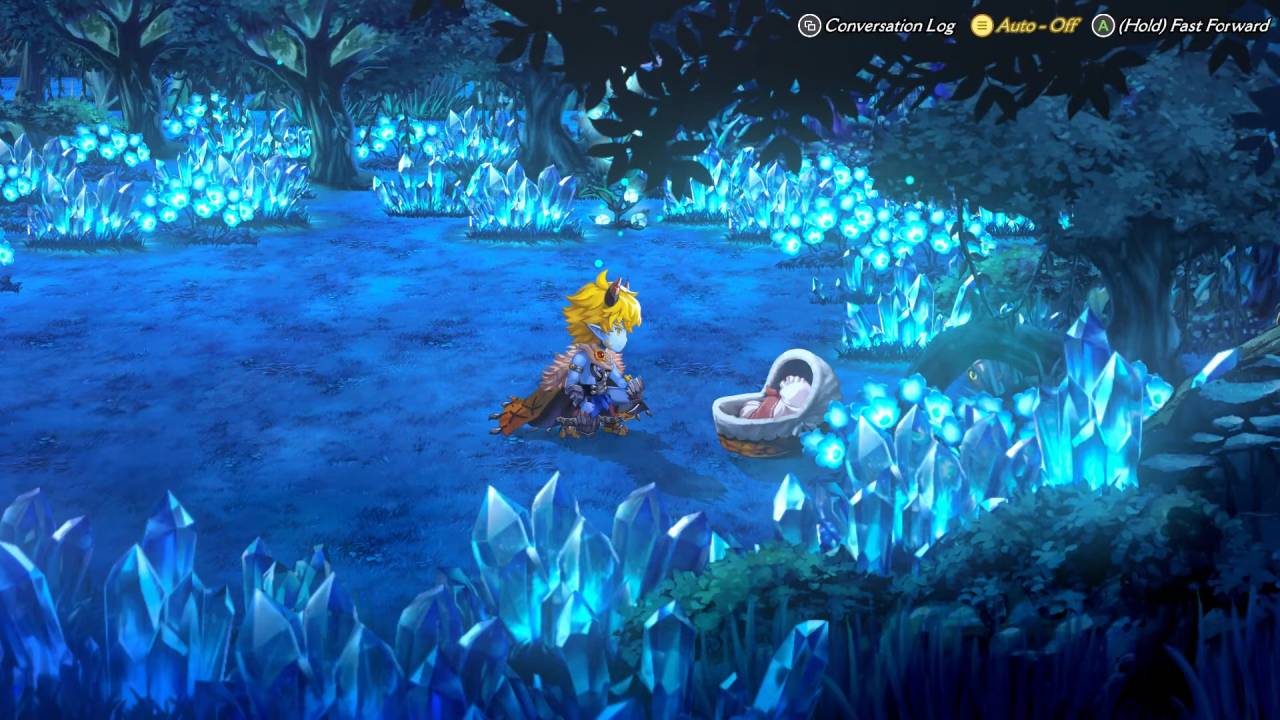
You aren't waiting for energy to recharge or relying on random character pulls to build your party. Instead, the focus shifts much more heavily to Aldo's journey, the characters around him, and the world they're traveling through. This change is one of the game's most interesting aspects. It lets you experience content originally made for a mobile RPG in a way that fits a traditional single-player adventure better.
Even more, the story is strong enough to make this transition worth it. A big reason the story stands out is the person behind it. Masato Kato wrote and directed Another Eden Begins, and he also worked on Chrono Trigger, Chrono Cross, and Xenogears. That background is perfect for a time-travel game, and you can see those influences throughout.
The story takes you through three different eras: 20,000 BC, 300 AD, and 1,100 AD.
Each time period brings a new setting and context, and the time-travel setup lets events in one era affect what happens in another. While it's similar to classic 90s time-travel JRPGs like Chrono Trigger, Another Eden Begins doesn't just depend on nostalgia to tell its story.e the story work. The adventure centers on Aldo and his drive to save his sister, Fine.
This simple motivation gives the bigger time-travel story a personal touch. Before the plot grows into larger conflicts, you know exactly why Aldo keeps going. His bond with Fine stays central, even as the adventure grows. Balancing a personal story with a big time-travel plot is one of the game's best features. The different eras do more than add variety—they let the story explore new situations while keeping the main characters in focus.
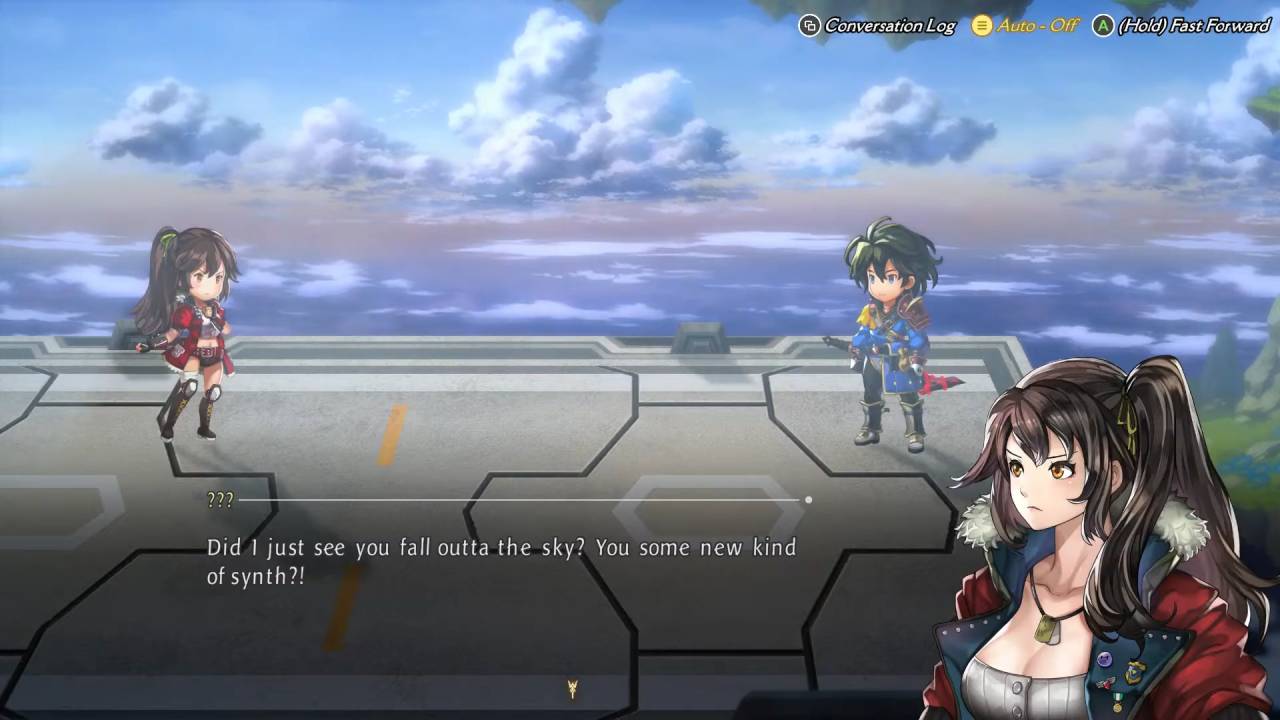
This makes the narrative feel more emotionally real than you might expect from a game with such a big sci-fi and fantasy setting. The supporting cast gets more attention than you might expect from a game that began as a gacha title. There are 18 playable companions, but you don't get them through random pulls. Instead, you build relationships with them through combat and gift-giving, which eventually unlocks special Kinship Quests for each character.
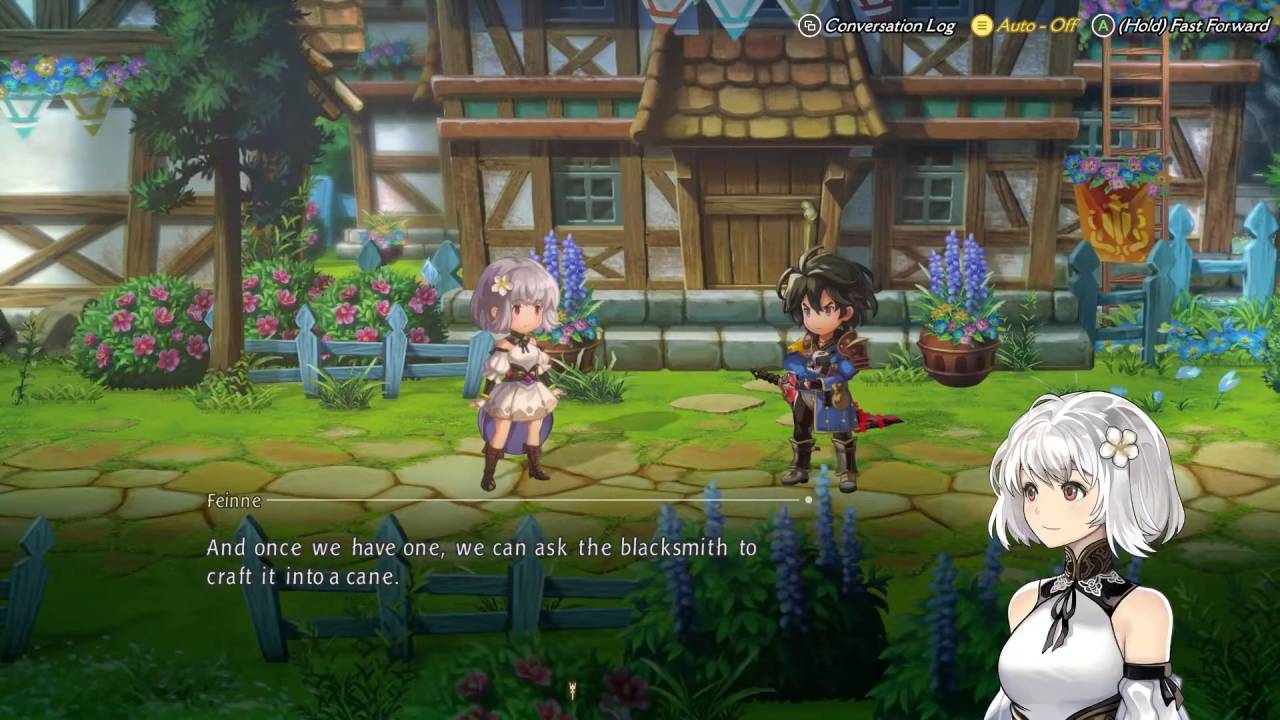
These quests matter because they help the wider cast feel like more than extra fighters.
Each companion gets a chance to show their personality and story, making your relationships with them feel more natural. Instead of just focusing on stats or rarity, you have real reasons to care about the characters themselves. This character focus fits the main story well. Aldo and Fine remain at the heart of things, but the Kinship Quests give the rest of the cast their own moments.
As a result, the 18 characters feel like a real group on a shared adventure, not just a bunch of units for fighting. The presentation also helps tell the story. The English voice acting sounds natural and well done, making the dialogue feel comfortable during emotional scenes and character moments. While some JRPG localizations can feel too dramatic or awkward, that's not really a problem here.
The music is another highlight. Yasunori Mitsuda worked on the soundtrack, which fits well given his work on Chrono Trigger and Chrono Cross. The score adds to the time-travel feel and supports the story's emotional side. With Kato's writing and Mitsuda's music, Another Eden Begins has a creative team that's hard to overlook.
Gameplay is where things get a bit more complex.
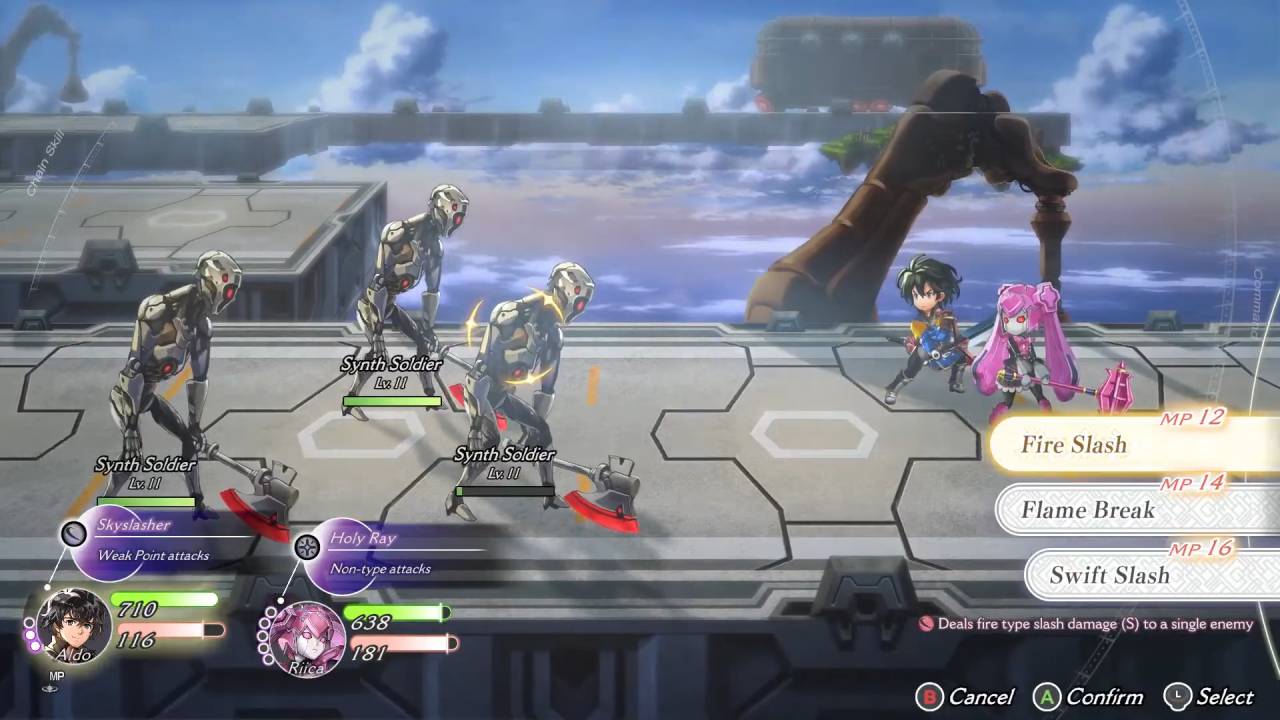
The battle system should offer a lot of tactical depth. Fights are turn-based, but you can see enemies while exploring, so you know when battles are coming instead of being surprised by random encounters. This gives you more control during exploration and makes the world feel less like a series of hidden battles.
When a fight starts, you have several systems to use. If you target enemy weaknesses, you build up Chain Skills for extra free attacks. Another Force lets you freeze time for a moment and deal big combo damage. Valor Charge allows you to switch party members during battle without slowing down. Character development is deeper than it first appears.
Each character has two skill trees, giving you 26 upgrade paths in total. These systems show that the developers wanted combat to be more than just picking an attack each turn. New Game Plus adds even more. It gives you over 10 different endings and introduces Romu, a new character you can only play in this mode.
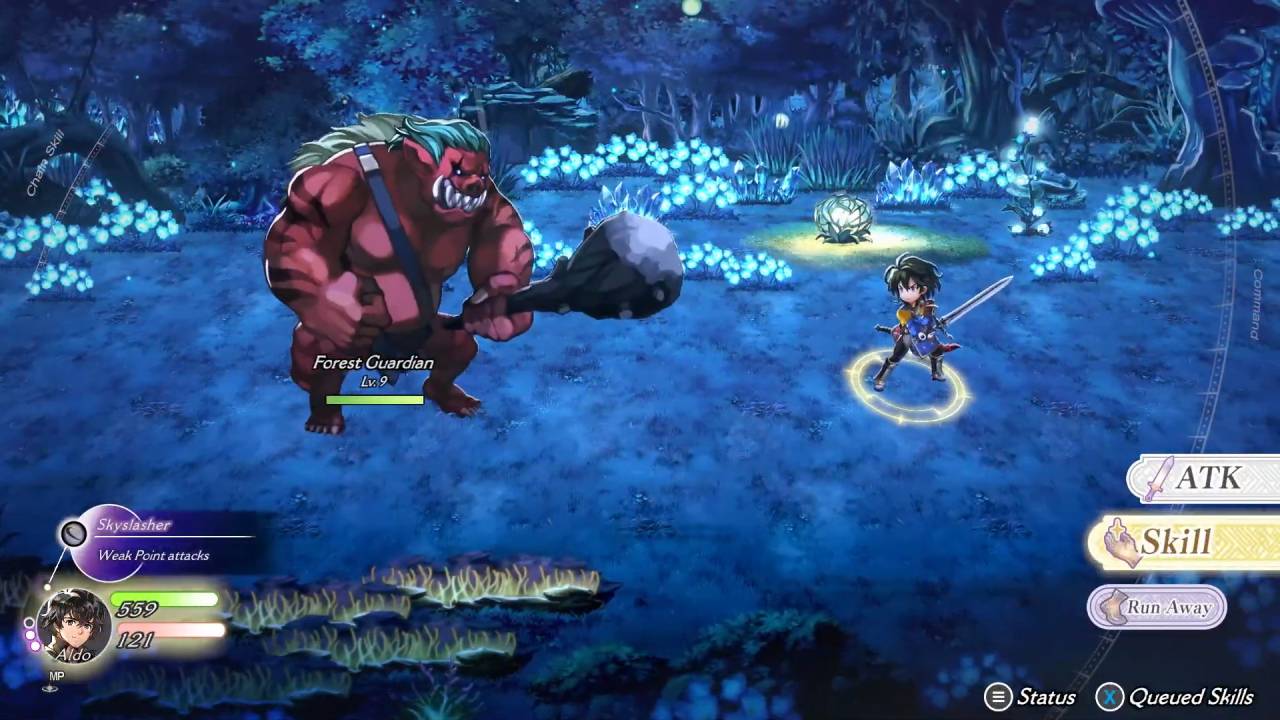
This adds replay value and makes the game feel more complete. The problem is that the game's difficulty rarely makes you use these mechanics to their fullest. You have access to Chain Skills, Another Force, Valor Charge, dual skill trees, and other combat tools, but most regular battles don't really require you to use them in depth.
Simple attacks are usually enough, so the more interesting mechanics often feel optional instead of necessary. This can be frustrating because the systems themselves are not bad. There are good ideas behind them. Using weaknesses, switching party members, combos, and character specialization could make battles more interesting if the fights required more strategy.
Instead, the game's difficulty often lets you skip over that depth. As a result, combat can start to feel repetitive. Instead of thinking about which system will help you most, you often use the same attacks and move forward. The game offers plenty of combat options, but it doesn't always give you a reason to use them.
Equipment shops provide straightforward stat upgrades, but there isn't much variety between different pieces of gear. You can improve your characters, but the process rarely feels like you're making an interesting build decision. The numbers go up, but the choices behind those upgrades aren't particularly exciting.
Many areas are just straight hallways with little reason to explore. For a game focused on different eras and discovery, the environments often feel more practical than exciting. Even cooking, which could have been a fun side system, feels basic.
Since there isn't much challenge elsewhere, these extra features don't really matter.
You can use them, but you rarely feel like you need to master them. These issues are most obvious in the early chapters. The start of the game can feel too simple, especially since the combat doesn't require much strategy. The story gives you reasons to keep playing, but the gameplay doesn't always keep up.
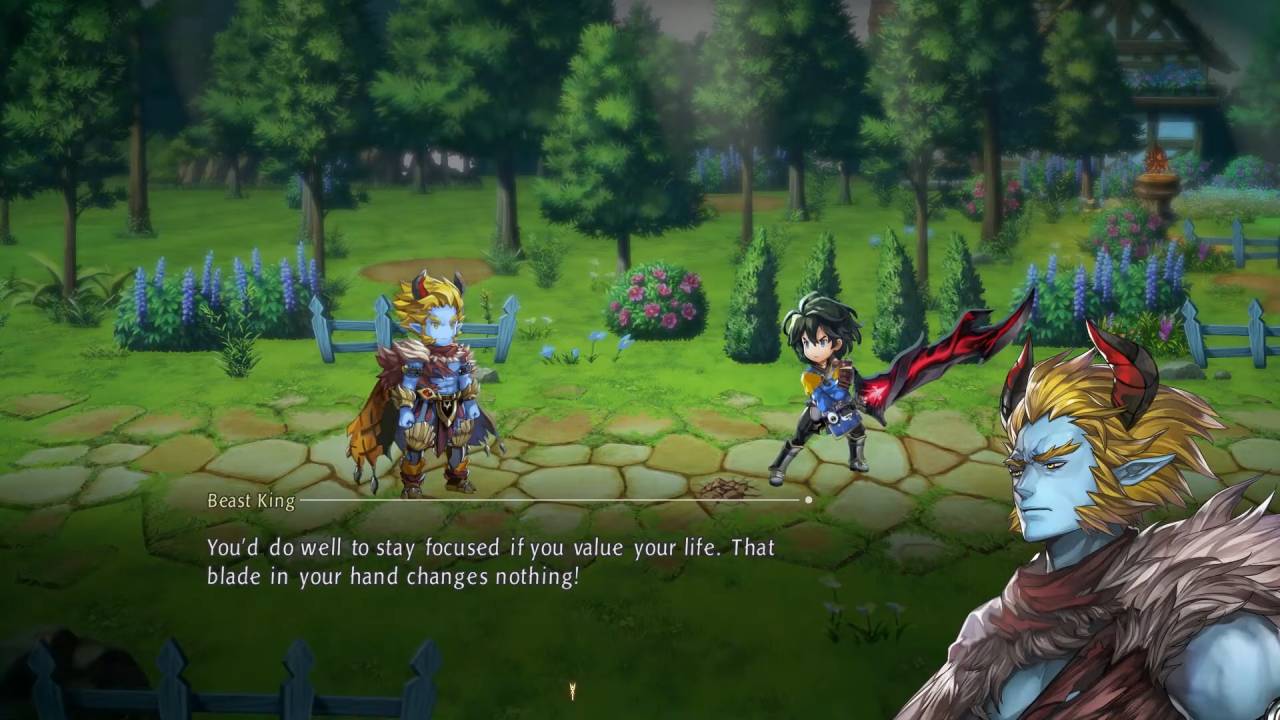
This creates an odd situation: the story makes you want to keep going, but the combat sometimes makes you wish you could get through parts of the game faster. Visually, the game does a good job supporting its different eras and time-travel theme, though you can still see its JRPG roots. The three time periods add variety, and moving between them keeps the adventure from feeling repetitive.
The visuals mainly support the story and world instead of trying to steal the spotlight. This works because the game's best features are its characters, dialogue, atmosphere, and music. Each era has enough personality to support the story, and the voice acting and soundtrack make key moments feel more emotional.
The soundtrack deserves special attention because it stands out and is one of the game's most memorable parts. Mitsuda's work connects the music to classic time-travel JRPGs, but the score fits well within Another Eden Begins instead of just relying on nostalgia. It works as a complete package because its strongest and weakest elements are so different.
When it comes to story, Another Eden Begins is impressive. The plot has a solid base, the time-travel setup allows for lots of interesting twists, and Aldo's relationship with Fine gives the adventure heart. The supporting characters get their own Kinship Quests, and the voice acting and music make the presentation even better. On the gameplay side, though, the game doesn't quite live up to its ambitions.
The combat has some cool ideas, but regular battles don't challenge you enough.
Chain Skills, Another Force, Valor Charge, and the dual skill trees can be useful, but the game's difficulty often lets you ignore what makes them special. The same issue shows up in progression. Equipment upgrades offer little variety, dungeons can feel repetitive and straightforward, and side systems like cooking aren't deep enough to feel important.
That doesn't mean Another Eden Begins is a bad JRPG. In fact, it's easier to appreciate once you know what to expect. If you love story-driven JRPGs, you'll have plenty to enjoy here. The time-travel setup, Aldo and Fine's relationship, the larger cast, and the Kinship Quests all give you reasons to keep playing.
Fans of Chrono Trigger, Chrono Cross, and Xenogears will also notice the storytelling influences. The standalone format is especially nice if you've wanted to try Another Eden without the mobile game's gacha mechanics. Without random character pulls, energy systems, or the need to be online, the story stands on its own as a classic single-purchase JRPG.
If you played the mobile game, this version gives you a new way to experience familiar content. Instead of dealing with the usual mobile RPG systems, you can enjoy the adventure and its characters. The game is less appealing if you mainly want tough turn-based combat. The systems exist, but the game rarely makes you use them to their full potential.
If you like building specialized characters, exploiting weaknesses, and making every turn matter, the lack of challenge in most fights can be disappointing. That's the biggest missed opportunity. Another Eden Begins has everything it needs for a deeper combat system, but the final game doesn't deliver. The features suggest a game full of tactical choices, but easy battles mean you can often ignore them.
Even so, the story is strong enough to keep the right players interested.
You might keep going through a repetitive dungeon to see what happens next, meet a new companion, or find out where the time-travel story leads. That's not a knock on the story—it shows how much better the narrative is than the gameplay.
In the end, Another Eden Begins does a good job of turning a mobile game's story into a traditional JRPG. The story is well crafted, the characters have real moments, and the soundtrack adds a lot to the atmosphere. Still, the combat and progression systems don't always deliver the depth they promise. If you care most about story, this imbalance might not bother you.
You still get a big adventure with over 20 chapters, three eras, 18 companions, special character quests, multiple endings, and a New Game Plus mode with Romu. There's a lot of content, even if not every system is equally fun. Overall, the game works better as a story experience than as a tactical RPG.
The best parts are following Aldo and Fine, meeting the rest of the cast, enjoying the time-travel story, listening to the music, and seeing how everything fits together across the eras. Its weaker moments come when the game asks you to fight another routine encounter, walk through another linear dungeon, or upgrade equipment without any real choices.
These parts don't ruin the game, but they do make it harder for the gameplay to match the quality of the story in this mobile JRPG. It puts it in a more accessible standalone format, while keeping the writing and character-driven storytelling that made the original worth following in the first place.
Editor, NoobFeed
Verdict
Another Eden Begins delivers an excellent time-travel story, memorable characters, strong voice acting, and beautiful music. Its shallow combat, repetitive dungeons, and limited progression depth hold back an otherwise promising standalone JRPG.
70
Related News
No Data.