
Lumines Arise Review
PC
A bold reimagining that carries the evolution of Lumines Arise forward.
Reviewed by Zahra Morshed on Nov 20, 2025
With a better sense of rhythm and style, the famous block-dropping series confidently steps into the modern age and starts a new chapter. What started in 2004 as a PSP trend has grown into a more complex visual experience that has been shaped by years of iteration.
The people who made this game took the rhythmic puzzle elements of the previous games and changed them to work better for modern players. As a result of this history, Lumines Arise comes out with new goals, wanting to provide both memories and forward movement.

Behind the scenes, the creative team uses their knowledge of music-driven games to improve on the original idea without changing what it's all about. The mixing of light, sound, and rhythm is still very important, but each mechanic shows a stronger dedication to being open and letting people express themselves.
Lumines Arise does well because it stays true to its roots while adding new, flexible forms for users. The way it is known is based on this mix of respect and innovation.
The game came out after a lot of research into what worked in the past and what the community wanted. Fans wanted new tasks, graphics that were more up-to-date, and scoring systems that worked with modern hardware. In response, the developers made a project that showed how well clear design and rhythmic complexity can work together. Lumines Arise steps into this space with confidence, presenting itself as a bridge between eras.
This evolution is more than a technical upgrade. It is a renewal of the franchise's creative philosophy, showing how rhythm can define gameplay as strongly as mechanics do. Lumines Arise positions itself as a successor designed to captivate a new generation while honoring the players who shaped its legacy. The result is a title born from tradition yet crafted for today.
As expected from a puzzle-focused experience, the game offers minimal traditional storytelling. Instead, narrative shows up in the form of symbolic bits that are expressed through art, music progression, and themed stages. This style stays true to the franchise's long-standing focus on telling vague emotional stories instead of clear story structures. Lumines Arise uses changes in its visuals as a way to tell a story with a central theme that pulses with hidden meaning. Each stage becomes its own atmospheric narrative.
Players move through environments that evolve as blocks clear, mirroring emotional arcs built through sound and color. This kind of narrative expression relies on ambiance rather than dialogue. Lumines Arise excels in this format because it trusts atmosphere to carry emotional resonance. The game's world-building emerges through rhythm rather than words.
The soundtrack drives these transitions with energy that flows between genres, merging electronic beats with melodic layers. Stage backgrounds shift with movement and highlight the emotional tone of each musical track. Lumines Arise conveys narrative through its audiovisual duality, teaching players to read mood rather than plot. It becomes a different kind of storytelling, one shaped by rhythm.
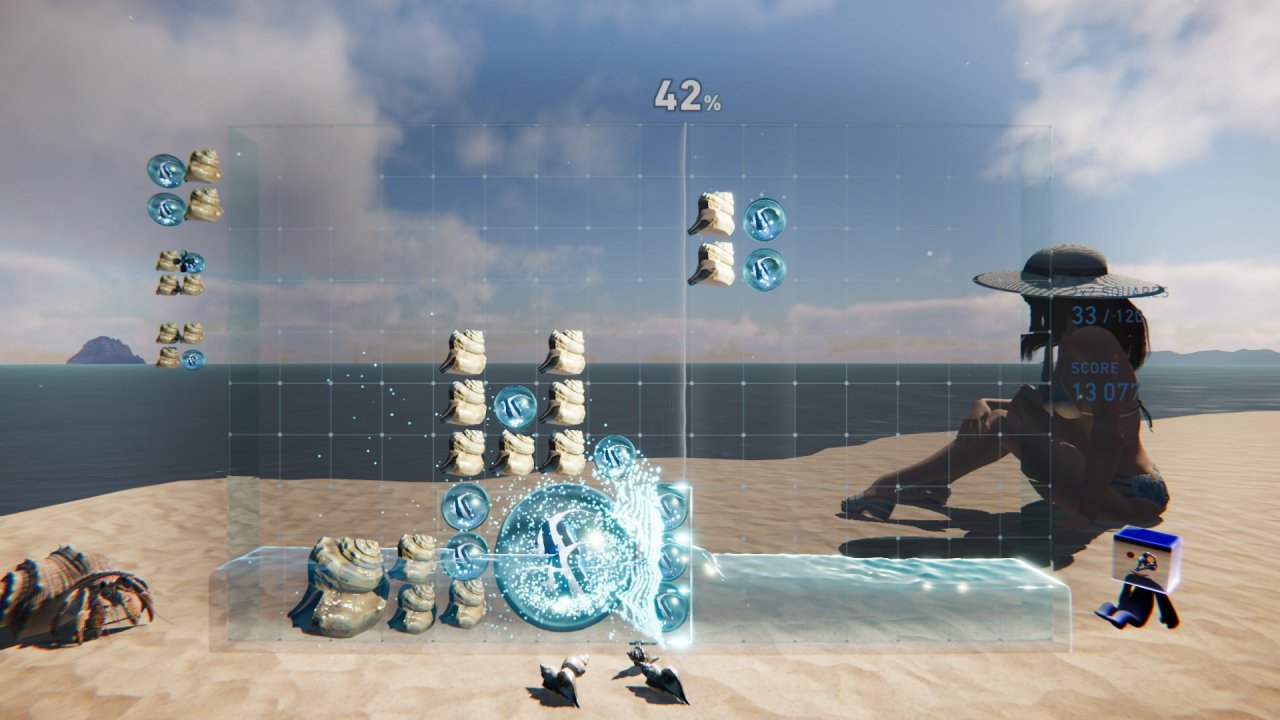
This artistic approach may leave some players wanting more traditional arcs, yet it stays true to the franchise's identity. Lumines Arise values interpretive meaning, allowing players to create their own emotional narrative. The experience is introspective by design, offering personal reflection rather than predetermined character stories. Its narrative philosophy is subtle yet consistent.
The core gameplay revolves around dropping two-by-two blocks to form color matches, which the timeline bar then clears in rhythm with the music. This simple concept grows into intricate patterns as the pace increases and the stage conditions evolve. Lumines Arise reinforces tension through rhythmic timing that dictates both the pace of clearing and the momentum of scoring. The loop remains timeless yet refreshed.
New play modes expand the familiar formula to deliver deeper control and creative freedom. In Classic Mode, players can get standard scores.
In Challenge Mode, players can take structured tests, and in Creator Mode, players can make their own stages. These changes are used in Lumines Arise to make the experience more varied than just moving puzzle pieces around. The structure makes it so that players can enjoy small bursts or long sessions just as much.
The game adds new types of blocks and modifiers that change how each session goes. Some stages change the gravity, and others change the speed of the clearing to make rhythms that are hard to guess. These changes are used by Lumines Arise to keep things interesting and raise the level of skill needed. The system pushes people to be flexible and quickly spot patterns.
The core principles are still strong, but as the stage speed goes up, there are sudden increases in difficulty. Players may sometimes find it hard to balance the changes between early and advanced routines. While Lumines Arise is generally successful, there are times when the pace is off. In these times, the design's strength and rigidity are shown off.
Pattern recognition, music awareness, and planning your space are still very important parts of the puzzle structure. Each stage turns into a battlefield with blocks rising and beats speeding up. Puzzle-solving in Lumines Arise is like a kinetic dance, and strategy grows out of pure reflex and expectation. As blocks pile up, the game gets more complicated and needs quick decisions.
Adding different kinds of special blocks gives you more options for how to play. Some pieces can clear a chain if they are put in a certain way, which makes players think about their next moves. Lumines Arise works best when these mechanics and the music flow together smoothly, turning chaos into controlled motion. The experience awards planning carefully when time is short.
Even though it has some good points, the puzzle flow can be hard for beginners when it speeds up without any cues to help them adjust. Some stage designs put pressure on quickly, making learning walls that are very high. Lumines Arise sometimes gives up ease to go for intensity. This challenge will thrill experienced players but might annoy new ones.
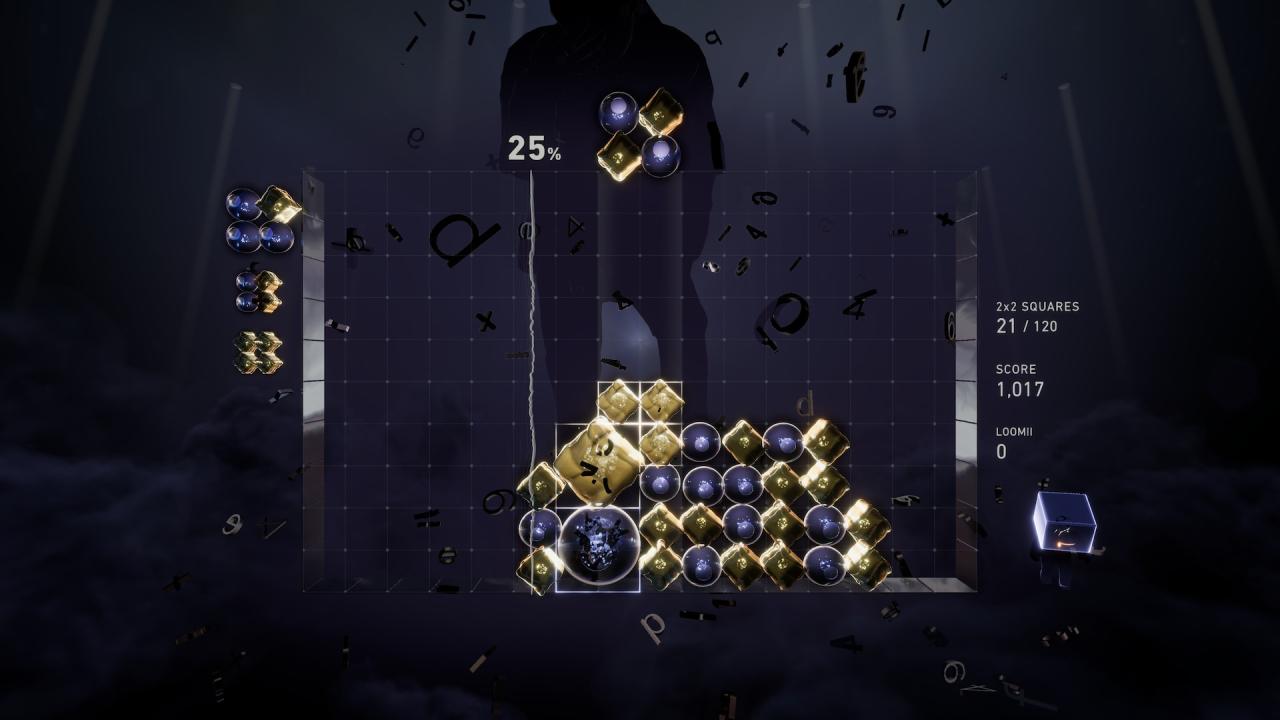
Since there is no fighting, the focus stays on completing the puzzles, which makes the game more cohesive. Every test is more about figuring out patterns and time than about a threat from the outside. Lumines Arise is great because it uses rhythm to give problems emotional weight. Its mechanics work, even though there are some small difficulty imbalances that could be fixed by calibrating them more smoothly.
Performance scores, completing challenges, and unlocking stages instead of standard XP bars show how far you've come. With each milestone, you can get new skins, music tracks, and block styles that let you change how the game looks. Lumines Arise uses this method to reward mastering skills instead of doing the same thing over and over again. The feeling of progress is satisfying without being too much.
In Creator Mode, you can move forward by discovering new things and trying new things.
Designing stages gives you access to new tools, and playing shared creations opens up new rhythmic options. Lumines Arise has a lot of different ways to play it again and again. This system motivates people to express themselves and work together.
The pacing makes sure that benefits come at regular times, which keeps people interested during long sessions. But some unlock structures feel a bit repetitive when they are linked to the same performance goals. Lumines Arise does well with variety, but it sometimes relies too much on well-known development loops. Changing the standards could make people more motivated in the long run.
Still, the progression system complements the game's rhythmic focus. Advancement reflects skill growth, not arbitrary numbers. Lumines Arise succeeds in building a sense of journey even without traditional leveling. This approach fits the tone of the franchise and respects the player's time.
The game uses bright neon colors and clean geometric shapes to make it look good. Every stage has lights that move and change colors in time with the music. Lumines Arise is great at visual rhythm, putting motion, color, and time together in a way that makes you feel hypnotized. These images make the experience more immersive while also making the game clearer.
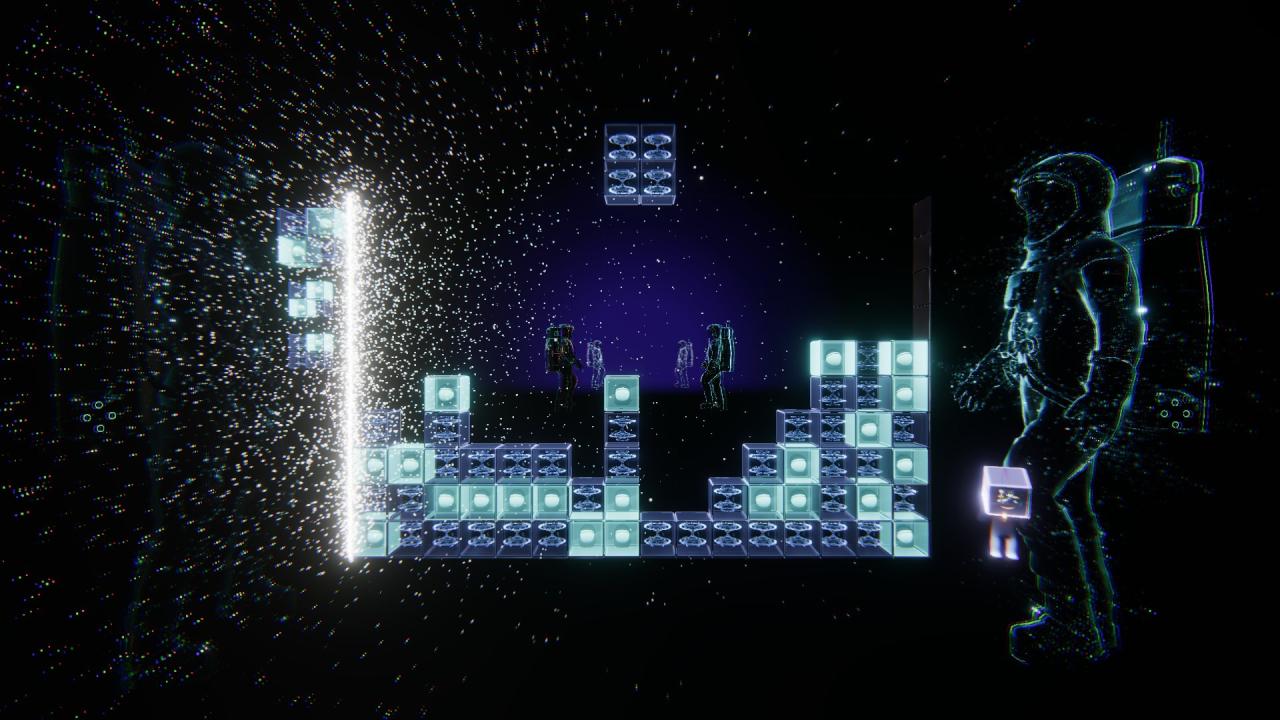
Different themes have very different backgrounds, ranging from calm abstract designs to lively bursts of color. The changes from one stage to the next feel smooth and dramatic without being too much. Lumines Arise reduces visual noise so that blocks can still be read even when things are going crazy. This balance requires careful calibration and succeeds most of the time.
Improved clarity in block outlines and shadowing enhances visibility at high speeds. The design team clearly focused on readability without sacrificing style. Lumines Arise uses color theory strategically to guide player focus. This ensures that aesthetic flourish never overshadows mechanical function.
Some backgrounds, on the other hand, add small distractions when designs get too busy. These times don't happen very often, but you can tell when they do in later stages. Lumines Arise could use some extra visual effects to make things clearer. Even so, one of its best features is still the way it shows things visually.
The sound is still the most important part of the experience; it sets the pace and energy of every moment.
Electronic pulses, ambient textures, and warm melodies are mixed together in tracks to make rich emotional settings. As the main way to play Lumines Arise, sound is used to make the timeline bar move in time with the music. This connection gives the piece life and makes it fit together.
There is a different sound personality for each step that changes the tone and tension. The sounds used for placing blocks, clearing them, and interacting with them fit in perfectly with the background music. Lumines Arise has a slick mix that keeps the sound clear even during high-intensity sections. The design team knows that sound can change the way we think and feel.
The music is varied enough to stay interesting over time, but also cohesive enough to feel like a whole. The changing tempos make the game unpredictable while also pushing players to learn new patterns. These changes are used by Lumines Arise to push players to improve their timing and attention. The sound and physics still work very well together.
When songs lean heavily on hard beats, volume spikes can sometimes throw off the balance. These times can be too much for some players or stop the flow. Still, the soundscape is one of the best things about the series. Still, Lumines Arise is a great example of how to make a game with sound in mind.
This game brings a popular puzzle series back to life by adding to its signature mix of rhythm and strategy. The best parts of the game are the fast-paced parts where the sound and graphics work together better. Lumines Arise does a good job of balancing ease of use with difficulty, giving players both comfort and high skill peaks. Its polished brand shows that the design was thought out.
There are some problems with pace and difficulty spikes that make the game not feel completely smooth. These flaws don't take away from the main draw, but they do show where improvements can be made. Lumines Arise works best when its beat stays steady, but it struggles when the changes aren't smooth. Even when things go wrong, the experience is still constantly compelling.
The best things about it are the art direction, sound design, and range on stage. These parts improve the gameplay loop and keep it interesting even after many sessions. Lumines Arise takes players on a journey through their senses that rewards deep focus and pushes them to get into a rhythmic state of flow. In important ways, it brings the brand back to life.
In the end, this chapter is both a tribute to the past and a call for change in the future. Lumines Arise shows that puzzle games can still be new by using artistic purpose and subtle changes to the way they work. It shows that rhythm is still a strong base for both emotional and strategic play. It stays with you long after the screen goes away.
Contributor, NoobFeed
Verdict
A vibrant, rhythmic, and visually striking evolution that honors the franchise while introducing new depth. Lumines Arise delivers a compelling fusion of puzzle mastery and musical artistry, offering both challenge and beauty in equal measure.
75
Related News
No Data.