
AMD’s Handheld GPU Strategy Leaves RDNA 4 on the Sidelines
AMD’s mobile graphics roadmap shows prolonged reliance on RDNA3.5 while newer architectures target higher margin segments.
Hardware by Tanvir Kabbo on Feb 10, 2026
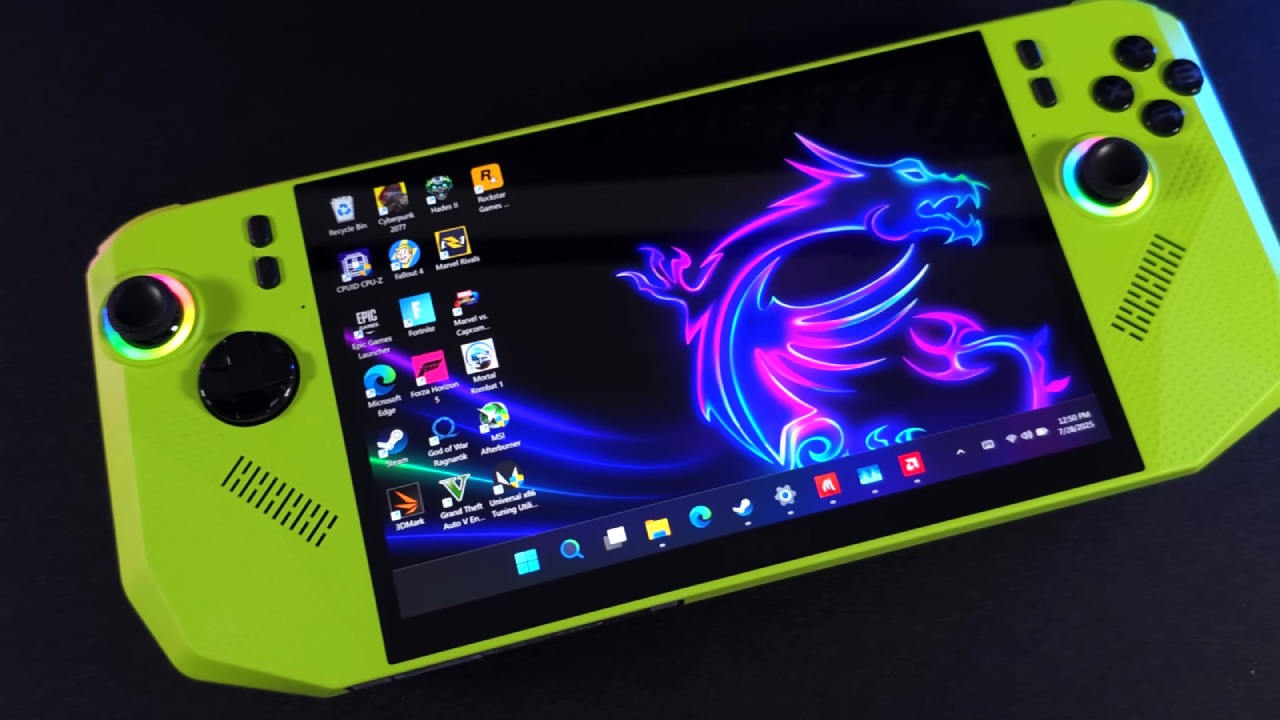
As mobile graphics technology improves, it's becoming increasingly clear that handhelds and small PCs don't have an RDNA 4-based SoC.
People were hoping for a smoother architectural development. Still, RDNA 4 seems to be missing from this part of the market, so people have to guess what AMD is doing based on leaks, rumors, and prior trends.
What the Current Rumors Suggest
Based on information circulating from well-known industry sources, RDNA5 SoCs are expected to arrive at the premium end of the mobile market. Everything below that tier is rumored to remain on RDNA 3.5. If that holds true, RDNA 4 effectively gets skipped for integrated graphics and handheld devices.
That seems paradoxical on paper, especially since customers want to see advances on a regular basis instead of staying on the same architecture for a long time.
Cost, Nodes, and Real-World Limitations
One theory that still makes sense has to do with production. If RDNA 4 is linked to a newer, more advanced manufacturing node, it could not make sense for mid-range or low-margin SoCs. New nodes are expensive, and companies often use them for items that can charge more to cover the costs.
From that point of view, it might not be a mistake to preserve RDNA 3.5 in low-cost iGPUs and save newer designs for higher-margin goods.
Why incremental updates might not be enough
As consumers, we risk getting bored with RDNA 3.5-based releases that come out too often. Handhelds and small PCs do well when each new generation provides clear improvements in speed, efficiency, and features. Interest can level off without that forward push. If new architectural technologies don't reach these devices quickly, we could see slower progress in this area.
That opens the door to competitors. Intel’s renewed focus on mobile graphics, especially with upcoming platforms like Panther Lake, is already drawing attention. If AMD’s roadmap remains conservative here, competitive pressure will only intensify.
Looking Further Ahead at Competition
When we extend the timeline, the picture becomes even more complex. By the latter part of the decade, the market could look very different. NVIDIA’s potential moves, whether through ARM-based processors or partnerships, add another layer of uncertainty.
With architectures on par with Blackwell in play, the performance and efficiency bar for mobile graphics will continue to rise.
RDNA 3.5 and the Upscaling Question
One of the most noticeable gaps right now is the lack of upscaling support. RDNA 3.5 still lacks a truly compelling, widely deployed solution. This is particularly important for handhelds, where performance headroom is limited.
What makes this puzzling is that AMD already has the technology. An int8 version of FSR 4 exists. While it is heavier and slightly lower in image quality than the full implementation, it still represents a clear improvement over FSR 3.
Knowing that such a solution exists but is not fully leveraged only adds to the frustration. It reinforces the idea that internal priorities or constraints are guiding these decisions, which we cannot see from the outside.
A Familiar Console-First Pattern
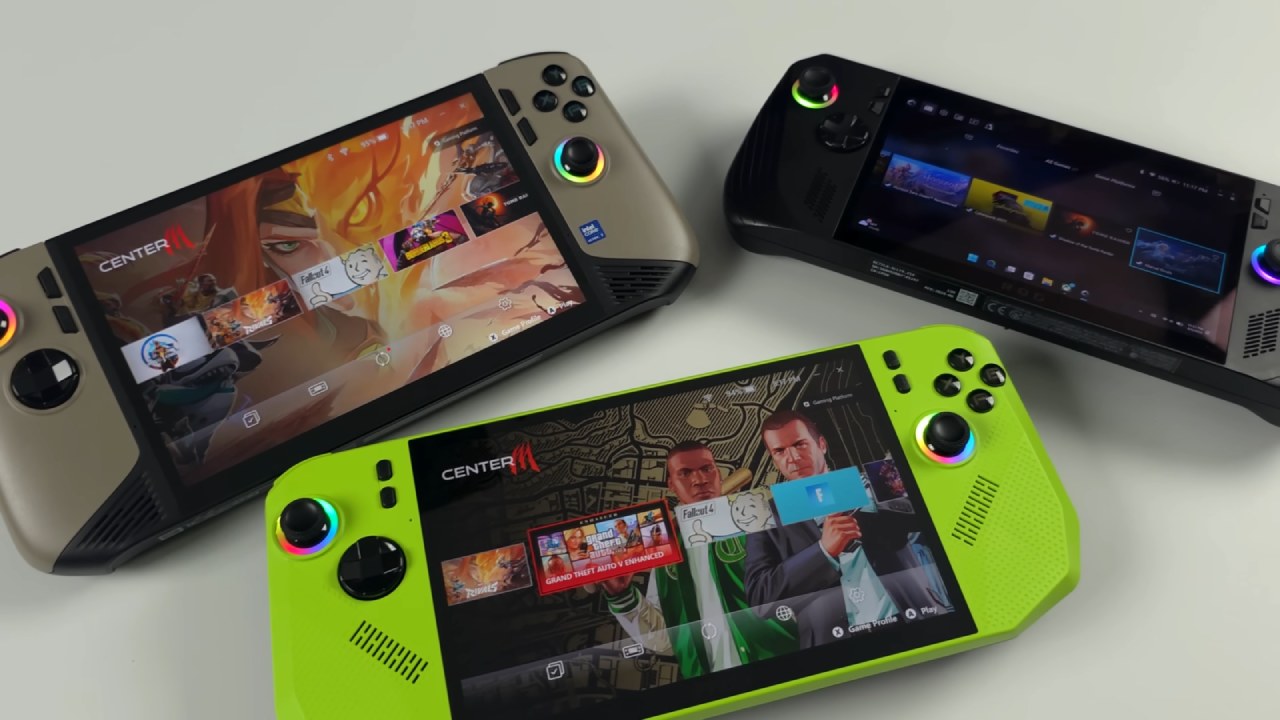
There is also historical context to consider. Some of AMD's most unique architectural changes have first appeared in consoles before reaching the PC market. RDNA 2 took that path. It is possible that production capacity or early deployments of a newer architecture are being reserved for a console or a dedicated handheld project, with PC derivatives coming later.
If so, that would align with past behavior, even if it leaves the current mobile PC space feeling underserved in the short term.
An Unsettled but Interesting Future
Right now, the situation remains unresolved. RDNA 3.5 is still the best option for SoCs, RDNA 5 is the best option for high-end graphics, and RDNA 4 is stuck in an odd spot that may never close for integrated graphics. At the same time, Intel's comeback and Nvidia's impending prominence are changing expectations.
We might not have all the answers yet. Still, one thing is for sure: mobile graphics is becoming more competitive and less predictable. How AMD navigates this transition will play a major role in defining the next generation of handhelds and small-form-factor PCs.
Also, check our other AMD articles below:
- AMD Ryzen 9 9950X3D Review: Setting The Standard For 2025 Gaming CPU
- AMD Ryzen 7 9800X3D Review: 3D V-Cache Goes God Mode with Stunning Gaming Performance
- AMD RX 9070 Performance Review: Thermals, Clocks, and Real-World FPS
- AMD Ryzen 5 7600 Review: Best Budget Gaming CPU of 2025?
- AMD Radeon RX 7800 XT Review: RDNA 3 Power For Midrange Gaming
- Sapphire NITRO+ AMD Radeon RX 9070 XT Review: The Ultimate 4K Gaming GPU
- AMD Ryzen 7 7800X3D: Delivers Gaming Performance Far Beyond Expectations
- AMD Ryzen 9 7900X Review: Powering the AM5 Era with DDR5 & PCIe 5.0
- ASRock Radeon RX 7800 XT Challenger OC Review: Best Price-to-Performance GPU of 2025
- Intel Core i9‑14900K vs. AMD Ryzen 7 7800X3D: Power Profiles & Gaming Benchmarks
Senior Editor, NoobFeed
Gaming Hardware Updates
No Data.