
RDNA 5 and Project Amethyst Point Toward the Future of Graphics
RDNA5 stands out due to strong platform backing, forward-looking design goals, and consistent signals from reliable sources.
Hardware by Tanvir Kabbo on Feb 05, 2026
There are rumors about RDNA 5 that AMD is getting ready to make a big change to its GPU design, one that goes beyond little updates. Many rumors suggest that RDNA 5 is a complete overhaul from the ground up, which many people are calling AMD's "Zen moment" for graphics.
We are hearing that AMD is not just improving its current architectures; it is also rethinking how high-end GPUs are made, scaled, and used.
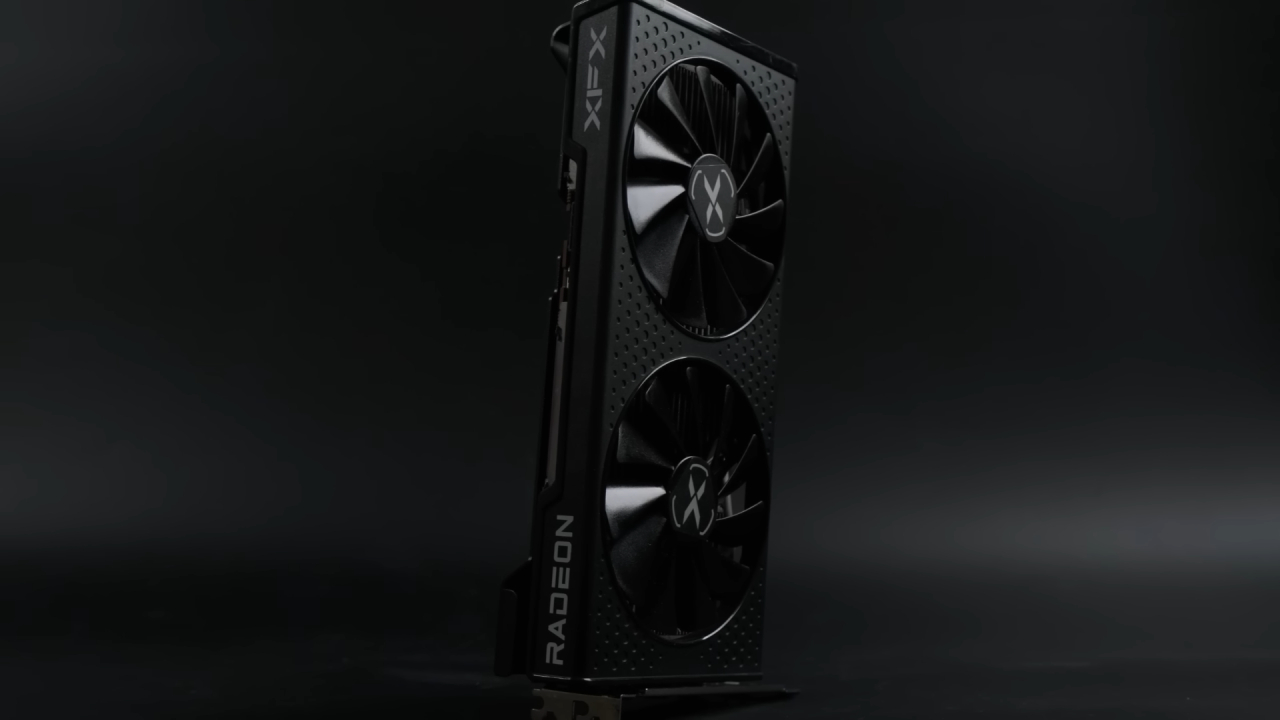
RDNA5 is said to have many compute dies per GPU, unlike RDNA 3, which used a chiplet architecture with a single computing die. This change alone shows that the architecture has made a big jump. Early reports about a scrapped design said it would have more than 144 workgroup processors, but current reports said RDNA5 might go far beyond that.
We have heard claims of more than 300 compute units. However, the actual setup remains unclear due to conflicting leaks and the possibility of multiple SKUs.
Because RDNA 5 is likely to make big changes to the cache hierarchy, ray tracing hardware, clock behavior, and execution efficiency, it's not possible to directly compare it to preceding RDNA generations. Even if the number of computers is the same, performance would not be. The design should be able to handle more work per clock, scale better, and support significantly higher overall throughput.
High-End Scaling and Memory Bandwidth
People say the RDNA 5 memory will have a wider-than-384-bit bus at the high end. Some sources say that 384 bits may apply only to lower-end devices, whereas flagship models may have more. No matter what the ultimate setup is, it doesn't seem like bandwidth limits will be a problem.
The general design philosophy emphasizes aggressive scalability, clearly aimed at competing at the very top of the GPU market rather than focusing solely on value segments.
Timing and Intention to Compete
People are currently expecting RDNA 5 to come out in early or Mid 2026. By then, NVIDIA's Blackwell architecture have been out for a while, meaning RDNA 5 is being designed with full knowledge of its competitors. The goal is clear from a strategic perspective: RDNA 5 should be able to compete with, or even beat, NVIDIA's current flagship products, not just catch up to them.
RDNA 5 is expected to be created with technology that will be useful in the future, not just for performance. As path tracing and other advanced lighting techniques become more prevalent, the extra power of next-generation GPUs could make these features standard instead of optional.
Sony–AMD Collaboration and Project Amethyst
Project Amethyst is a long-term partnership between Sony and AMD that is also having a big impact on the future of graphics. Project Amethyst, announced during a technical symposium, is a joint effort to improve machine learning and artificial intelligence in games beyond simple upscaling.
The project is portrayed as a new trip that will leverage ML-driven solutions to improve both graphics and gameplay. If PlayStation Spectral Super Resolution is any indication, the goal is to make the GPU work less hard while boosting image quality and speeding up development.
Developers could focus on getting most of their visual targets right, while machine learning handled the details and cleanup. This would make complex features easier to use without breaking the bank on hardware.
Machine Learning That Goes Beyond Pictures
One of the most interesting aspects of Project Amethyst is that it suggests machine learning shouldn't be used solely for graphics. Making AI and ML easier to use in games could lead to smarter simulations, worlds that respond more effectively, and improved overall system behavior.
We hope the focus stays on performance, optimization, and gameplay depth rather than creating new material. This is because creative direction should stay in human hands.
The goal of the partnership is also to enable machine learning to run on more devices. This could mean the technology used for Project Amethyst extends beyond a single generation of consoles and impacts PC gaming, cloud platforms, and broader hardware ecosystems through licensing or shared frameworks.
Looking Ahead
When you put RDNA 5 and Project Amethyst together, they show that graphics technology is undergoing a major shift. On the one hand, it looks like AMD is poised to change the way its GPUs work at the highest level.
On the other hand, Sony and AMD are working to make machine learning a key part of how games are made and played. The fact that these efforts are coming together makes it likely that the next generation of hardware will not only be quicker, but also wiser in how it delivers performance and visual fidelity.
Also, check our other AMD articles below:
- AMD Ryzen 9 9950X3D Review: Setting The Standard For 2025 Gaming CPU
- AMD Ryzen 7 9800X3D Review: 3D V-Cache Goes God Mode with Stunning Gaming Performance
- AMD RX 9070 Performance Review: Thermals, Clocks, and Real-World FPS
- AMD Ryzen 5 7600 Review: Best Budget Gaming CPU of 2025?
- AMD Radeon RX 7800 XT Review: RDNA 3 Power For Midrange Gaming
- Sapphire NITRO+ AMD Radeon RX 9070 XT Review: The Ultimate 4K Gaming GPU
- AMD Ryzen 7 7800X3D: Delivers Gaming Performance Far Beyond Expectations
- AMD Ryzen 9 7900X Review: Powering the AM5 Era with DDR5 & PCIe 5.0
- Intel Core i9‑14900K vs. AMD Ryzen 7 7800X3D: Power Profiles & Gaming Benchmarks
Senior Editor, NoobFeed
Gaming Hardware Updates
No Data.