
First Wave of OLED Gaming Laptops with 480Hz Displays
Explore the rise of 480Hz OLED gaming laptops, their benefits, hardware demands, and whether the leap from 240Hz is worth it for competitive gamers.
Hardware by Masaru Hoshino on Aug 16, 2025
OLED technology has already transformed the way gamers experience visuals, bringing deep blacks, infinite contrast ratios, and vibrant color reproduction that traditional LCDs struggle to match. Now, manufacturers are cranking things up another notch — or several hundred — by introducing 480Hz OLED displays in gaming laptops.
In fast-paced games, these ultra-high-refresh panels guarantee buttery-smooth action and razor-sharp clarity. But are we moving into the era of diminishing returns, or is this really the next big thing in handheld gaming?
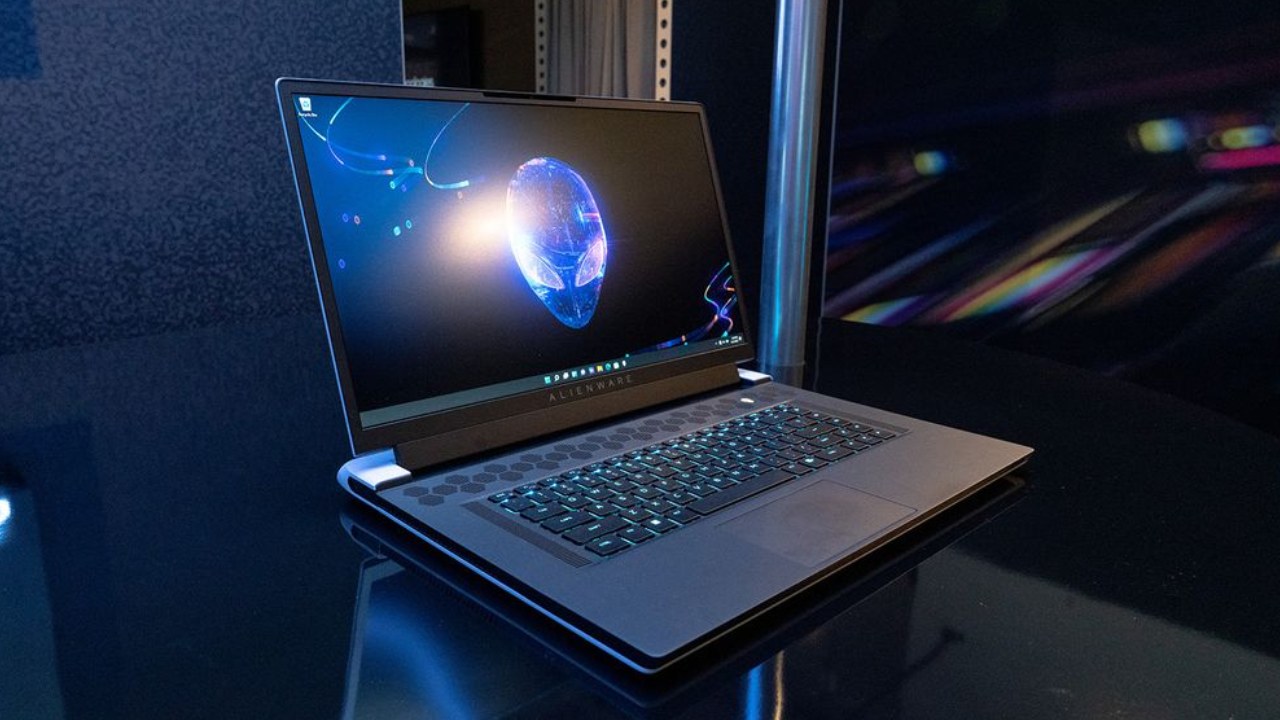
The Leap from 240Hz to 480Hz in OLED Laptops
For years, 240Hz has been the gold standard for competitive gaming laptops. Moving to 360Hz LCD panels brought some gains, but many argued the improvement was subtle. Now, OLED displays are entering the high-refresh race — starting at 240Hz and leaping straight to 480Hz.
The theory is simple: doubling the refresh rate halves the time between frames, reducing motion blur and improving responsiveness. In esports shooters like Valorant, CS2, or Overwatch 2, milliseconds can mean the difference between a clutch win or a quick defeat. On paper, a 480Hz OLED should provide the smoothest competitive experience yet.
Why OLED Changes the Equation
Unlike LCD panels, OLED pixels emit their own light and can switch on and off far faster, often in 0.2 to 0.3 milliseconds. That means less ghosting, cleaner edges on moving objects, and reduced input latency.
A 480Hz OLED doesn’t just refresh faster — it delivers motion clarity that LCDs often struggle with even at similar refresh rates. The absence of backlight strobing also makes gameplay easier on the eyes over extended sessions.
The Science vs. Human Perception
The dispute gets heated when it comes to whether or not most players can actually feel the change from 240Hz to 480Hz. Under normal conditions, the average human eye's motion perception reaches a plateau at 200–250 Hz, according to study. However, gamers who compete, especially those accustomed to high frame rates, frequently say they see a difference, especially in terms of lower input latency.
Each frame lasts 2.08 milliseconds at 480 Hz, while at 240 Hz, it lasts 4.16 milliseconds. That small difference can feel important in a heated esports encounter. The change is less important for casual gamers, though, as the improvement might not be noticeable.

The Hardware Demands
A 480Hz display is only as good as the frames you can feed it. To truly take advantage, you’ll need hardware capable of pushing 480 FPS in your target games. For lightweight esports titles, modern GPUs like the RTX 4080 Laptop GPU or Radeon RX 7900M can come close. But in graphically intensive AAA games, hitting even 240 FPS can be a challenge without lowering settings.
Battery Life and Heat Considerations
High-refresh OLED panels are more power-hungry than their LCD counterparts, and pushing them at 480Hz means your battery life will take a hit. Expect shorter unplugged gaming sessions unless you lock the refresh rate down when on battery. Heat is also a concern, as sustained high frame rates push both the GPU and CPU harder.
The Early Adopters’ Verdict
Initial hands-on impressions from early adopters suggest that 480Hz OLED laptops feel incredibly smooth in competitive play, with noticeable improvements in clarity and response over 240Hz OLEDs. However, outside of esports, the benefit becomes much harder to justify — especially given the expected price premium.
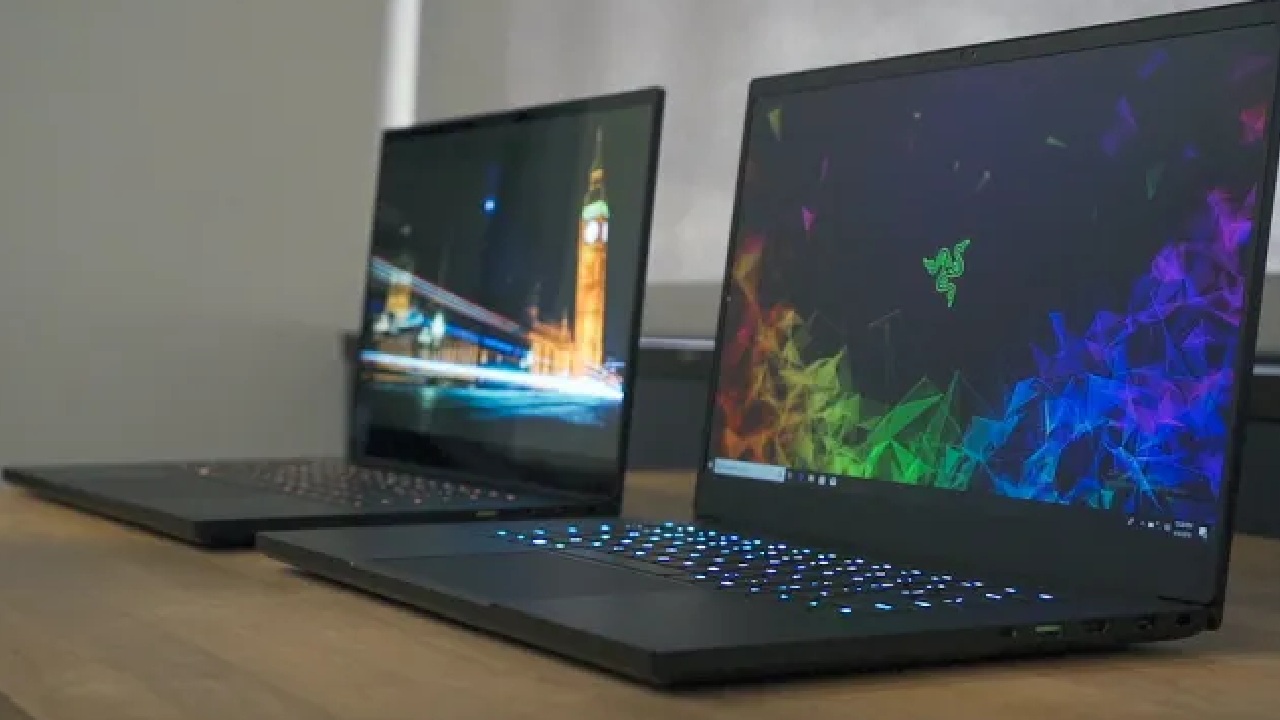
Should You Upgrade?
If you’re a competitive gamer chasing every possible edge, a 480Hz OLED laptop could be a legitimate advantage — provided your hardware can keep up. However, the update gives no advantage over a nice 240Hz OLED if you mostly play single-player or cinematic games, and you might be better off investing in a GPU, storage, or cooling upgrades.
480Hz OLED gaming laptops, which combine the quickness of extremely high refresh rates with the visual splendor of OLED technology, are an exciting technological milestone. Similar to aiming for a greater frame rate, the returns are progressively insignificant, and your priorities as a gamer will determine whether or not they are worthwhile.
480Hz OLED gaming laptops represent an exciting technical milestone, combining the speed of ultra-high refresh rates with the visual brilliance of OLED technology. But just like chasing higher FPS, the returns are increasingly marginal — and whether they’re worth it depends entirely on your priorities as a gamer.
Check Our Other NVIDIA Articles:
- GeForce RTX 5090 Unleashed: Is NVIDIA's New Flagship the Ultimate 4K Gaming GPU?
- NVIDIA GeForce RTX 5080 Review (2025): Still A 4K Gaming Powerhouse?
- RTX 5090 Performance Testing In GTA 5 – 1080p, 1440p, and 4K Max Settings Benchmark
- RTX 5090 Laptop Vs. M4 Max MacBook Pro: Ultimate Raw Performance Vs. Battery Endurance
- NVIDIA RTX 5070 Review: Mid-Range Muscle or Marketing Hype?
- RTX 5070 Ti Review: Performance, Thermals & Power Efficiency Tested
- Asus ROG RTX 5090 Astral OC Vs. Founders Edition: The 4K Gaming Benchmark
- ASUS ROG Astral RTX 5090 OC Edition Review: 32GB GDDR7 & 4K Gaming Benchmark
- ASUS GeForce RTX 5090 LC Liquid Cooled GPU Review: Unmatched Silence & Speed
- MSI GeForce RTX 5090 32GB SUPRIM SOC Review: Power Efficiency, Cooling, and Gaming Performance
- INNO3D RTX 5060 Ti 16 GB X2 Review: Gaming Benchmarks, Temps, and Power Efficiency
- HP Omen 45L Review: RTX 5090 Performance, Thermals, and Value Analysis
- ASUS TUF Gaming GeForce RTX 5060 Ti Review: DLSS 4, Power Efficiency, and Gaming
- ASUS Prime RTX 5060 Ti OC 16GB Review: DLSS 4, Ray Tracing, & Thermals Tested
- NVIDIA GeForce RTX 5060 Review: Specs, Gaming, and Cost per Frame
- MSI GeForce RTX 5090 GAMING TRIO OC Review: A Monster Power GPU
Editor, NoobFeed
Gaming Hardware Updates
No Data.