
GPU Pricing Update 2025: Market Trends, Availability Changes, and VRAM Cost Impacts
GPU pricing trends shift amid memory supply changes and partner sourcing adjustments impacting overall market stability
Hardware by Nahe Yan on Dec 01, 2025
The GPU market has been changing all year, but it has started to look solid just as other parts of the industry have become unstable. Memory is the most unstable area, and it also affects GPUs. A fresh report says that Nvidia will stop including memory with GPUs.
This means that partners will have to find their own memory. That will almost certainly lead to differing prices for board partners, giving FE a stronger edge and aligning with how the memory supply affects VRAM prices. This doesn't mean that Nvidia will start shipping GPUs with no memory, but that's where the firm wants to go in the end.
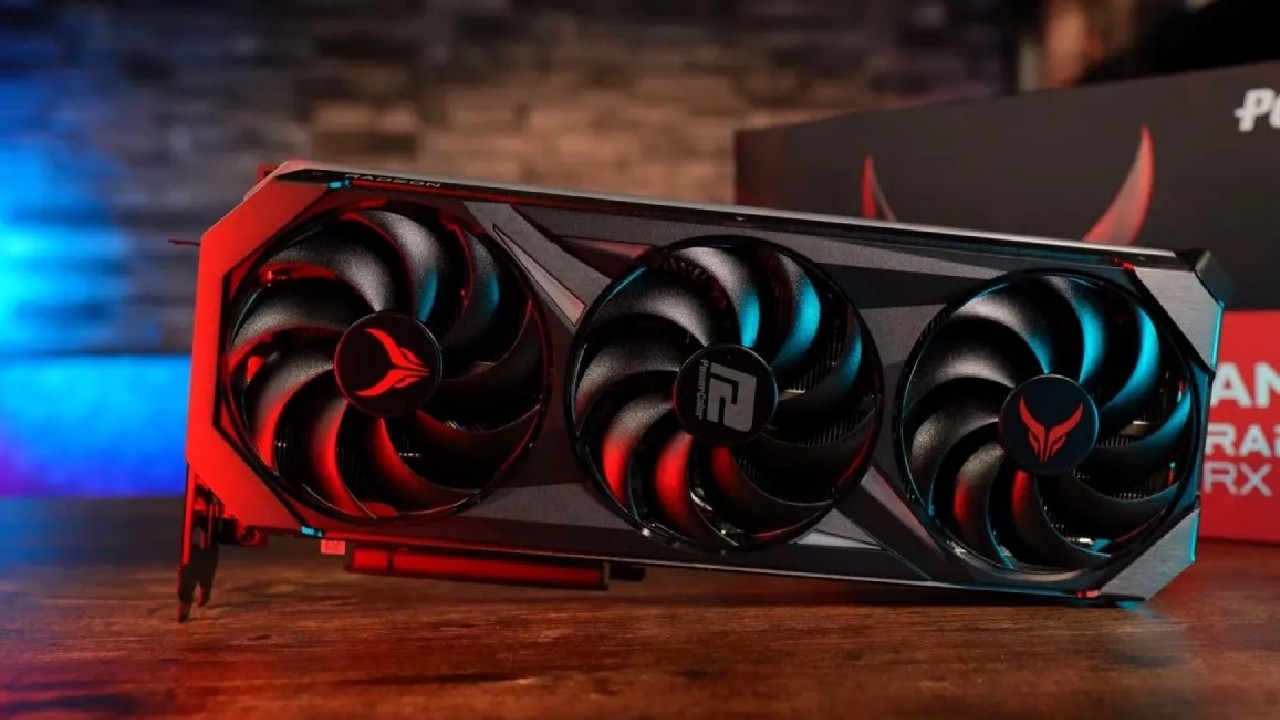
Nvidia's ambition for AI and the money it can make are part of this trend. This change is connected to the memory business, which will affect VRAM prices and, in turn, GPU prices.
The prices and availability of GPUs have altered since the beginning of the year. Prices have gone up since early June, when we got the first set of data, and shortly before Thanksgiving, when we got the most recent set. There were only 13 current-generation GPU models available at MSRP before, but today, there are 58 listings in stock at MSRP.
The number of items in stock went up from 135 to 171. Almost all current-generation GPUs saw an increase in average price for in-stock listings, with the 5090 being the only exception. It was also the only GPU whose average price went up, and that was not available for MSRP. This still shows how Nvidia's lack of competition from AMD and Intel in the high-end market hurts customers.
The earlier talk about phoney MSRPs mostly covered the 9070, and how their MSRPs were wrong. This update returns to the bigger picture of pricing, with a focus on the 9070 XT because of the more complex pricing issues that arose when AMD launched. The MSRP at launch didn't match the actual market price, and the data clearly shows this persisted until recently.
How to Collect Data
We gathered several data points over the last few months to examine price trends. The most recent snapshot was obtained soon before Black Friday to capture the most stable environment before any sales and before the expected DRAM cost increases had a significant effect. The price of DRAM will affect the price of video card memory, giving us one last look at the present prices before they change again.
There are rumours that Nvidia's 50-series Super launch, which has not yet been announced, could be delayed due to a VRAM shortage. AMD is going down a similar route. Supply chain memos say that AMD will raise prices across all its graphics cards by 10% due to rising memory chip prices.
This would be AMD's second price increase. Nvidia might also discontinue supplying GPUs with packed memory. This could mean that AIB partners get worse rates than Nvidia, which would affect retail prices.
This review only gets its information from Newegg. Newegg has the most steady prices right now and the most first-party listings. We don't have the number of inventory units per model, but the number of models in stock still lets us make a good guess.
Changes in the price of GPUs right now
All current-generation GPUs, except the 5090, have received price cuts since June. RX 9070 XT, RTX 5080, and RTX 5070 Ti had the largest decreases. The price of the 9070 XT dropped from $837 to roughly $655, a more than 20% decline and closer to its $600 MSRP.
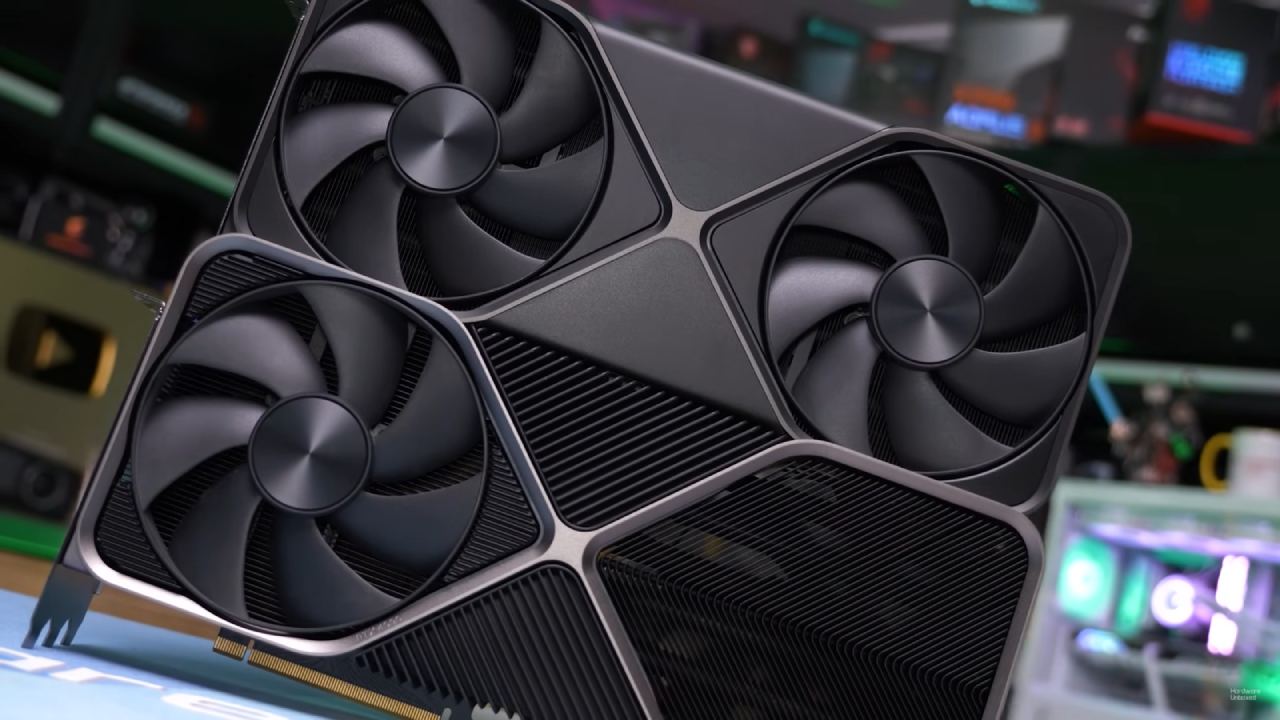
The price of the 5080 dropped by $155 to $1360, and the price of the 5070Ti dropped by $130 to $820. Cards that cost less, such as the 5060Ti, 5060, and 960 XT, only went down by $15 to $50 because they were closer to MSRP when they first came out.
Intel's prices got a lot better. The B580 fell from $344 to $264, which is closer to its $250 MSRP. The price of the B570 went down from $380 to its $220 MSRP. These are cuts of 23% and 29%.
The average price of the RTX 5090 increased by $50. There is no direct competition for it, and the biggest impact will be cost increases driven by VRAM capacity. This card may keep going up in price if Nvidia doesn't control it by buying it directly.
The average price of items in stock relative to MSRP decreased from 27.8% above MSRP in June to 10.7% now. This is a clear sign of lower overall prices, but the upcoming memory shortage will change that.
Better availability of GPUs
There were 135 total in-stock listings, which increased to 171, a 26.7% increase. The number of in-stock MSRP listings increased from 13 to 58, a 346.2% increase. Intel's ARC portfolio had fewer in-stock listings since Wheelie's Battle Mage models were taken off the market, which had raised the average prices. The 5090 also became less available, dropping from 9 listings to 4.
The 5070Ti had the most new listings, going from 12 to 27. The 9070 XT, 16GB 5060Ti, and 960 XT all introduced eight to nine versions that were in stock. The 5070 and the 8GB 5060Ti each got 10 MSRP cards in stock.
At the time the data was collected, all current-generation GPUs except the 5090 had listings at MSRP.
The history of 9070 XT prices
The 9070 XT launched at an average price of $729, which is 21.5% above the MSRP. By June, the average price had risen to $787, 31.2% above the MSRP. Since then, it has dropped to $660, which is 10% above the MSRP. Availability also got a lot better.
A smaller data set of eight models that were continuously included in all snapshots supports the trend: prices rose between launch and June, then fell after June. The average price increased from $720 to $810 and then back down to $675.
Average Low Price Study
The average low price, the second metric, used the four cheapest in-stock listings for each GPU to exclude partner models that were too expensive. The 5060Ti 8GB, 5070, 5060, 960 XT 8GB, and 9070 all had average low prices that were $7.50 to $32.50 lower than the manufacturer's suggested retail price (MSRP).
Many other GPUs were very close to MSRP, indicating that prices were stabilising. RTX5090 was the most extreme case, with an average low price of $1,100 below its $2,000 MSRP. This shows what happens when high-end products don't have to compete.
.jpg)
Final Thoughts
Prices went up for almost all GPUs, save the 5090. There were more items in stock, more available at the manufacturer's suggested retail price (MSRP), and lower average prices. Because it is at the top end, the 5090 is still protected from progress. Prices seem stable for now, but GPU prices are expected to rise soon as memory prices rise.
If you want to learn more about the changes in memory, read the in-depth analysis of DRAM trends, which will affect GPU prices in the future.
Also, check our other NVIDIA articles below:
- NVIDIA GeForce RTX 5080 Review (2025): Still A 4K Gaming Powerhouse?
- NVIDIA RTX 5070 Review: Mid-Range Muscle or Marketing Hype?
- RTX 5070 Ti Review: Performance, Thermals & Power Efficiency Tested
- ASUS GeForce RTX 5090 LC Liquid Cooled GPU Review: Unmatched Silence & Speed
- MSI GeForce RTX 5090 32GB SUPRIM SOC Review: Power Efficiency, Cooling, and Gaming Performance
- INNO3D RTX 5060 Ti 16 GB X2 Review: Gaming Benchmarks, Temps, and Power Efficiency
- HP Omen 45L Review: RTX 5090 Performance, Thermals, and Value Analysis
- ASUS TUF Gaming GeForce RTX 5060 Ti Review: DLSS 4, Power Efficiency, and Gaming
- ASUS Prime RTX 5060 Ti OC 16GB Review: DLSS 4, Ray Tracing, & Thermals Tested
- NVIDIA GeForce RTX 5060 Review: Specs, Gaming, and Cost per Frame
- MSI GeForce RTX 5090 GAMING TRIO OC Review: A Monster Power GPU
Editor, NoobFeed
Gaming Hardware Updates
No Data.