
DRAM Price Surge and Its Growing Impact on PC Building and GPU Market Stability
AI infrastructure expansion is reshaping DRAM allocation as manufacturers shift production capacity toward higher margin enterprise memory products.
Hardware by Tanisha Aria on Nov 19, 2025
PC hardware market is becoming less certain amid a sudden worldwide rise in DRAM prices. Prices for DDR5 modules have risen sharply over the past few weeks, sometimes doubling. GDDR-based graphics card memory is also starting to feel pressure from above.
The main reason for this change is the huge demand for server-grade memory caused by AI. As a result, production capacity has been moved away from consumer components. It's getting harder and harder to ignore the risk that GPU prices will keep rising.
AI Infrastructure Boom Is Driving DRAM Scarcity
When we study the market more closely, it becomes clear how quickly AI growth is changing the memory supply. You can see the change in how the big DRAM makers talk to AI customers.
Companies building large data centers for next-generation AI models are placing large orders with short deployment windows. This is forcing memory suppliers to focus on HBM and server DRAM rather than on the more traditional DDR5 or GDDR lines.
We're seeing the results happen right now. As soon as companies like Samsung and SK Hynix shift to meet the AI demand, the supply of DRAM for consumers gets tight.
When you look at memory prices from week to week, you can feel it, and so can we on the study side. It's like how profitable markets took capacity away from gaming goods during the cryptocurrency boom.
DDR5 Pricing Has More Than Doubled in Weeks
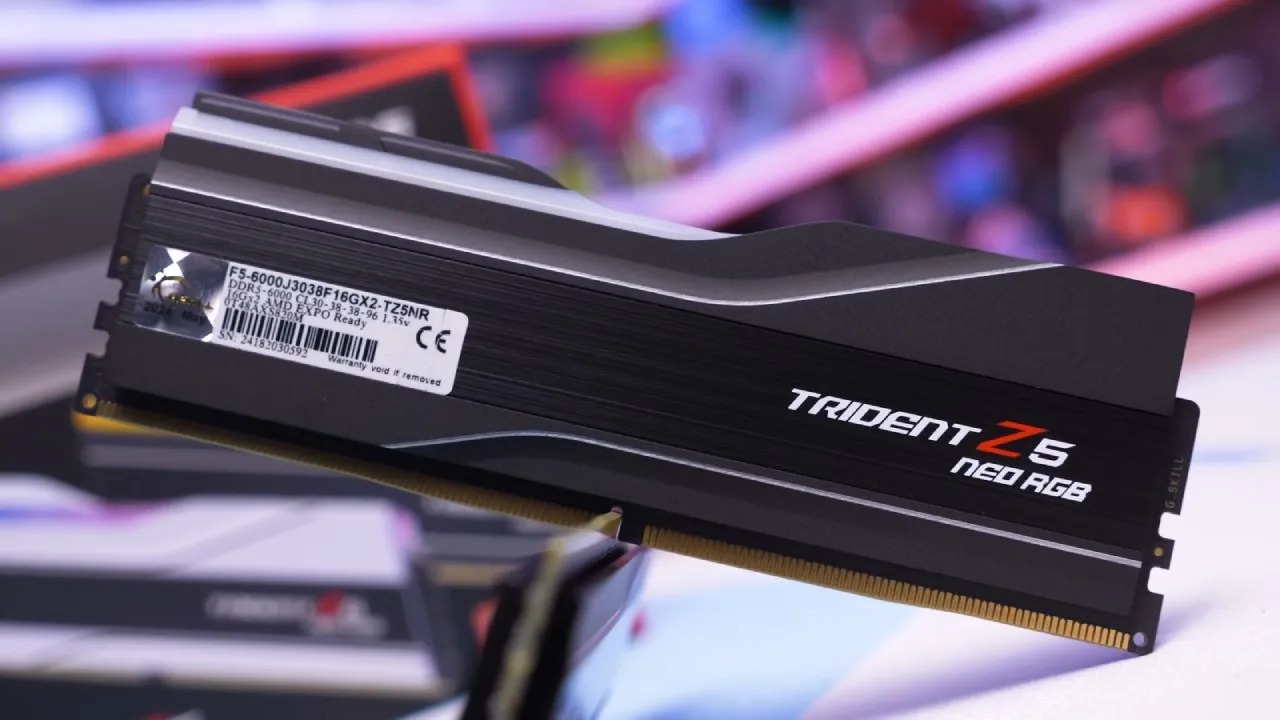
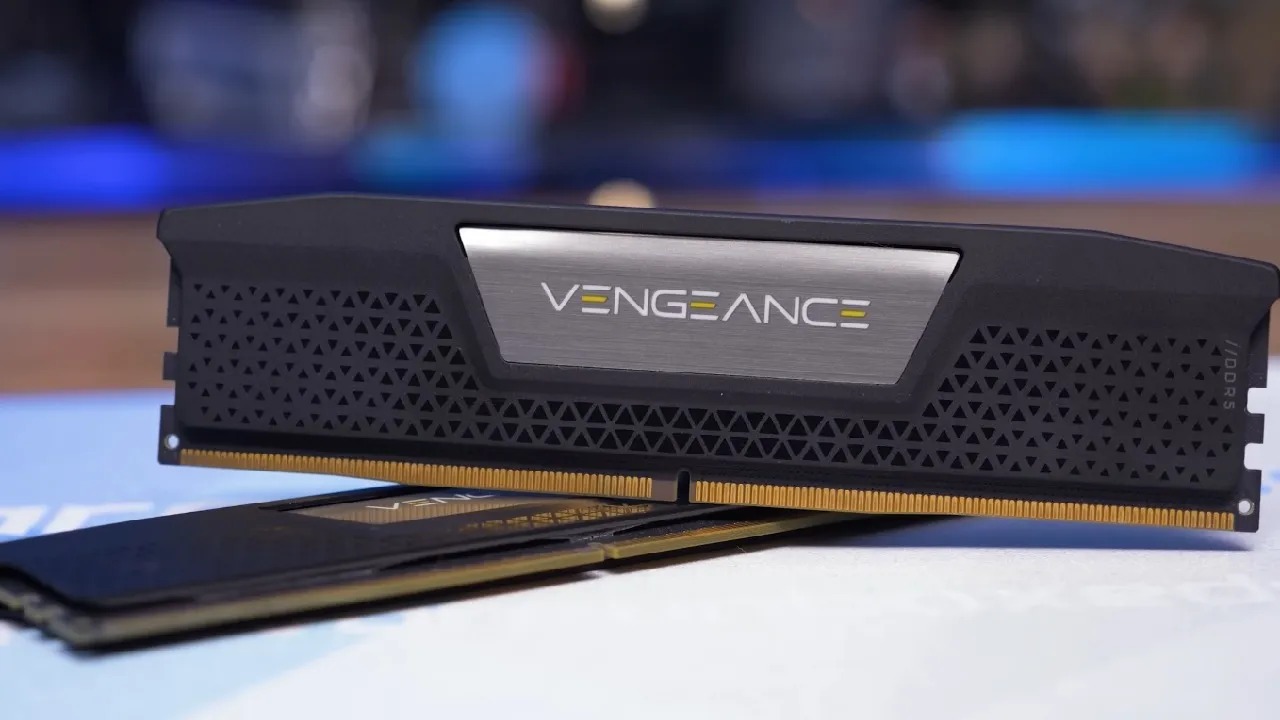
The trend is clear when you look at the DDR5 market in particular. In the past few months, 32 GB DDR5-6000 kits cost about $125, but now they cost more than $250.
The prices of 64 GB and even basic 4800 MHz modules have gone up in similar ways. These modules used to be well under $100 but are now approaching $200.
We've been keeping a close eye on this rise, and if you've recently looked at memory kits, you've probably felt it too. It doesn't look like the problem will be solved quickly.
With DRAM suppliers already projecting constraints that will run deep into 2026, the expectation is that high prices will remain. If you're building a PC, this changes what you think is a fair amount of memory to spend.
Rising GDDR Costs Could Soon Push GPU Prices Higher
Retail prices for consumer GPUs haven't changed much yet, but we expect significant changes in the future. The GDDR-based cards you and I both use come from the same small manufacturing environment that AI is now putting under pressure.
Even though spot prices for GDDR6 have already risen about 30 percent, they haven't risen as much as DDR5's. Here's where things start to go wrong for GPUs. When the price of VRAM bombs rises by $10 to $15, the final price of the GPU usually increases by $25 to $40 after Nvidia or AMD takes its cut.
When we look at 16 GB cards in particular, we see how quickly small gains multiply by the time they reach you. In the next few months, standard cards could become much more expensive if the price of VRAM changes even a little.
Modeling Possible GPU Price Increases
The effect becomes clear very quickly when we model the data. If GDDR prices keep rising at the current rate, GPUs with 12 GB or 16 GB of VRAM could go up by $25 to $50. If the situation escalates into DDR5-style doubling, the increases could reach $100 or more, especially for mid-range GPUs that rely heavily on VRAM cost structure.
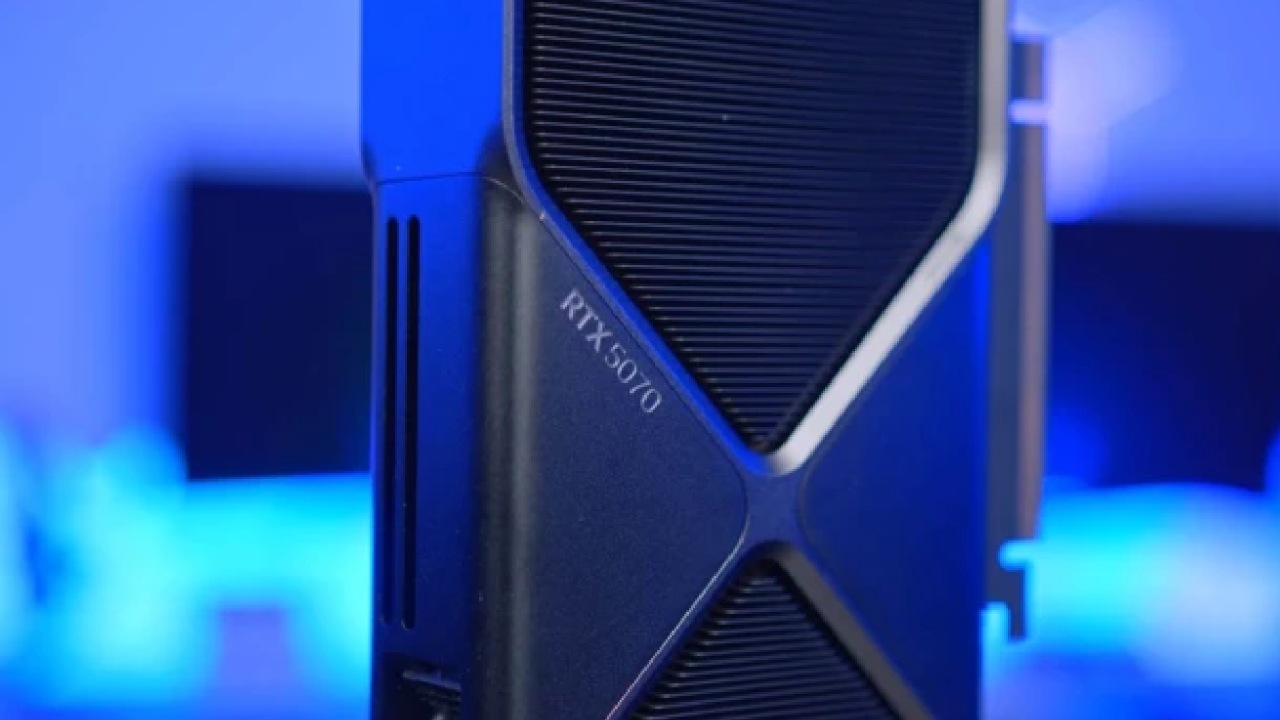
It's clear how open the mid-range segment is, as seen in examples like the RTX 5070 and Radeon RX 9060 XT. Should the price of GDDR double, the RTX 5070 could easily reach $600, and the RX 9060 XT could reach $400. You would have to pay a lot more for things that used to fit most people's budgets, and the value equation in this market would change quickly.
Price Pressure Complicates the RTX 50 Super Series
The recent reports that the RTX 50 Super lineup will be delayed or canceled make a lot more sense when viewed through the lens of rising VRAM prices.
These cards were alleged to feature expanded VRAM configurations, which would have been affordable under normal pricing but would quickly become problematic in the current environment. We can see that the math doesn't work when we try to model the reported 18 GB RTX 5070 Super.
When the price of GDDR rises, a larger VRAM loadout costs much more. If the price of GDDR7 doubles, Nvidia would have to charge a lot more for the card than the regular 5070, which would take away all the draw of a Super version. It's easy to see how this could prompt Nvidia to pause or rethink its plans.
Should You Buy a GPU Now?
As we consider all this knowledge, it becomes clearer that if you wait too long, GPU prices may rise. You might still find sales and discounts now and then, but once new GPUs are launched with VRAM costs higher than expected, we expect price floors to rise rather than fall.
We think it's better to buy now than to wait if you're already planning to upgrade. Finally, only you can decide what works best for your build. But based on what we're seeing, this could be the last time GPUs are reliably available at or below MSRP.
We hope that makers decide to take some of the shock, but neither Nvidia nor AMD has been willing to give up profits in the past. We'll be keeping a close eye on this as it develops, and you can expect updates as soon as prices start to change.
Also, check our other hardware articles:
- AMD Ryzen 9 9950X3D Review: Setting The Standard For 2025 Gaming CPU
- Amazon Luna 2025 Review: Is Prime Gaming's Cloud Service Your Go-To For Casual Fun?
- AMD RX 9070 XT Review: AMD's RDNA 4 Champion for 1440p Gaming
- GeForce Now Ultimate: Ditching Your Gaming PC For Cloud RTX 4080 Power?
- NVIDIA GeForce RTX 5080 Review (2025): Still A 4K Gaming Powerhouse?
- Intel Core Ultra 9 285K Review And Performance Breakdown (2025)
- AMD Ryzen 7 9800X3D Review: 3D V-Cache Goes God Mode with Stunning Gaming Performance
- Intel Core Ultra 9 285K vs AMD Ryzen 7 9800X3D: In-Depth Gaming Performance and Benchmark Comparison
- NVIDIA GeForce RTX 5080 Super Performance In Cyberpunk 2077: Path Tracing & DLSS 4.0 Tested
- AMD Radeon RX 9070 XT In Cyberpunk 2077: Ray Tracing & FSR 4.0 Tested
- Intel Arc B580 Review: The $250 GPU Revolutionizing 1440p Gaming
- Intel Arc B570 Vs. B580: Value, Specs, And Real-World Gaming Performance
- RTX 5090 Laptop Vs. M4 Max MacBook Pro: Ultimate Raw Performance Vs. Battery Endurance
- Intel Arc b580 Vs. RTX 4060: Game Performance And Value Analysis
- RTX5090 Hell Is Us Demo 4K Ultra Benchmark: DLSS Vs. Native Performance Guide
- NVIDIA RTX 5070 Review: Mid-Range Muscle or Marketing Hype?
- Nintendo Switch 2 Review: Handheld Performance, Features & Value Breakdown
- RTX 5070 Ti Review: Performance, Thermals & Power Efficiency Tested
- Samsung Odyssey OLED G81SF Review 2025: Ultimate 32-Inch QD-OLED Gaming Monitor
- AMD RX 9070 Performance Review: Thermals, Clocks, and Real-World FPS
- AMD Ryzen 5 7600 Review: Best Budget Gaming CPU of 2025?
- AMD Radeon RX 7800 XT Review: RDNA 3 Power For Midrange Gaming
- Asus ROG RTX 5090 Astral OC Vs. Founders Edition: The 4K Gaming Benchmark
- Intel Core i5-13400F Gaming Performance: Still Worth It in 2025?
- ASUS GeForce RTX 5090 LC Liquid Cooled GPU Review: Unmatched Silence & Speed
- ASUS ROG Ally X Handheld Review: Double the Battery, Double the Comfort
- Lenovo Legion Go S Review: The Ultimate Steam Deck 2 Alternative
- Sapphire NITRO+ AMD Radeon RX 9070 XT Review: The Ultimate 4K Gaming GPU
- Alienware 16 Area 51 Review: The Ultimate 2025 Gaming Laptop
- Alienware Area-51 Review: Unmatched 4K, Thermal, and Acoustic Performance
- AMD Ryzen 7 7800X3D: Delivers Gaming Performance Far Beyond Expectations
- AMD Ryzen 9 7900X Review: Powering the AM5 Era with DDR5 & PCIe 5.0
- Intel Core i9‑14900K vs. AMD Ryzen 7 7800X3D: Power Profiles & Gaming Benchmarks
- Intel Core i9 14900K: Specs, Benchmarks, and Competitor Comparison
- ASRock Radeon RX 7800 XT Challenger OC Review: Best Price-to-Performance GPU of 2025
Contributor, NoobFeed
Gaming Hardware Updates
No Data.