
PS6 Leaks Reveal Silent Powerhouse: Is Sony’s Next-Gen Console the Real Game-Changer?
From 24GB unified memory to revolutionary ray tracing and modular DualSense fixes, the PS6 promises to redefine console power and seamless gaming like never before.
Opinion by Zahra Morshed on Aug 08, 2025
There are rumors about the PlayStation 6, so Sony's next-generation system is no longer just an idea—it's a real thing that's meant to surprise people and quietly start a new era of console gaming. There have been a lot of amazing leaks about the PS6, like its 11-core CPU, 24GB of unified memory, ray tracing innovations, and lightning-fast SSD speeds. But the community has a deeper question: is the PS6 really the generational leap it claims to be, or is it just another iteration with next-gen polish?
What's going on below the surface isn't just about better numbers. In this day and age, raw wattage is not the only way to measure success. This changes what "console power" means.
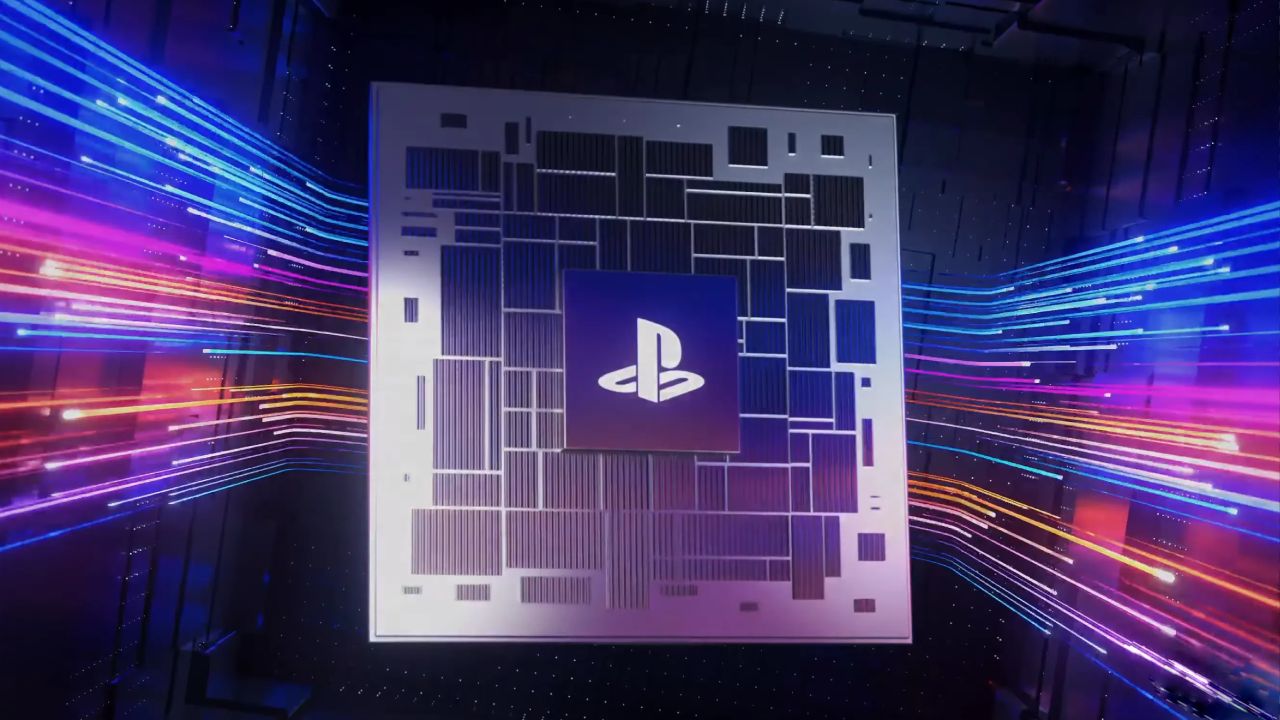
Unified Memory: 24GB That Thinks Like a GPU
First, let's talk about the most-talked-about number: 24GB of RAM. At first look, the number may not seem very high when compared to gaming PCs with 32GB or more. But console design has its own set of rules, one that puts optimization ahead of brute force.
The PS6 is likely to use united memory, which is different from PC memory, which is split between system RAM and GPU VRAM. This means a single, lightning-fast pool of 24GB accessible by both CPU and GPU in real-time, with near-zero latency, zero OS bloat, and no background processes hogging resources. No Discord overlays. No Chrome tabs devouring memory. Just raw performance.
The PS5 runs on 16GB of this unified RAM and still manages to outperform mid-tier PCs in optimized titles, thanks to this shared architecture. Now imagine expanding that to 24GB, clocked higher and backed by faster throughput. It's not just a spec sheet. It's a deliberate reimagining of console efficiency—less horsepower, yet more speed, precision, and consistency.
RTX 4090 Rival? A Different Kind of Beast
It's easy to pit the PS6 against Nvidia's RTX 4090, but that's a flawed comparison. The 4090 is a thermal and electrical titan, demanding up to 450W just to breathe. That doesn't account for the rest of the PC it inhabits, nor the electricity bills that follow.
The PS6, by contrast, is engineered for elegance under pressure. Sony's rumored adoption of AMD's 3nm process means lower power consumption, dramatically reduced heat, and tighter component synergy. Peak performance without the roar of fans or fear of tripping a breaker.
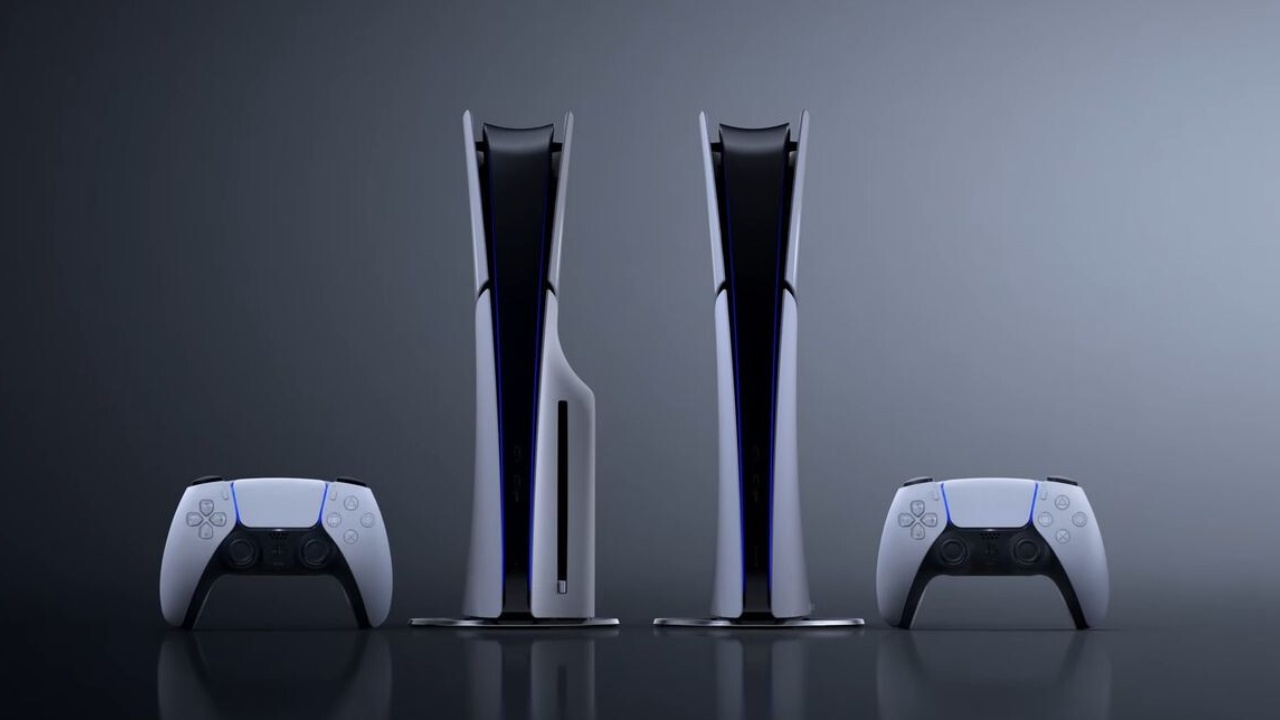
Think of the PS6 not as a roaring supercar, but as a silent bullet train—faster, sleeker, built to deliver power with grace. It may not outmuscle the 4090 in raw TFLOPs, but it doesn't need to. What matters is sustained, optimized, and consistent performance at a fraction of the energy cost. And that's exactly what it's designed to do.
Ray Tracing Gen 3: Photorealism Without Compromise
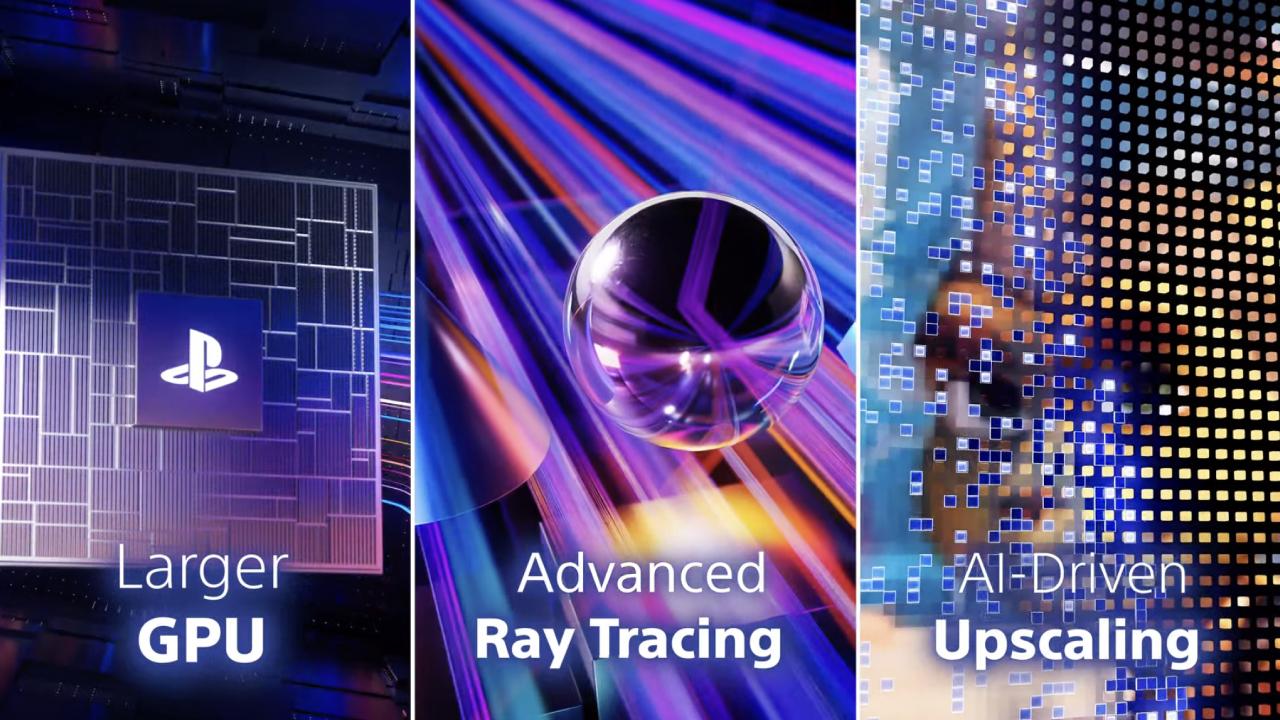
Ray tracing once came with a caveat—visual beauty at the cost of frame rate. But PS6 aims to flip that script. With what industry insiders are calling "Ray Tracing Gen 3," the next PlayStation could offer real-time global illumination, smarter denoising algorithms, and path tracing that doesn't cripple performance.
The leap from Gen 1 to Gen 3 is monumental. PS5 introduced hardware-accelerated ray tracing, but with limitations. Reflections, shadows, and ambient occlusion were achievable—but only sparingly. The PS6, however, is positioned to offer full-scene ray tracing in all major AAA titles, with machine learning-driven upscaling (think DLSS, FSR, or Sony's rumored proprietary tech, PSSR) baked directly into the rendering pipeline.
This means not just realism, but sustainable realism. Cyberpunk 2077's Overdrive Mode-like fidelity—only this time, accessible without a $2,000 PC.
Storage at the Speed of Thought
Load times are already nearly extinct on the PS5, thanks to its 5.5 GB/s SSD. But the PS6? It's poised to triple that speed.
With a Gen 5 SSD projected to reach 14 GB/s, Sony's next-gen console could make even fast travel feel slow. Envision moving from one end of an open-world map to another before your thumb lifts off the button. No fade to black. No masking elevators. No asset pop-ins. Just instantaneous traversal of expansive, fully-detailed worlds—buildings with interiors, cities without loading screens, environments with no barriers.
And with 2TB to 4TB capacities rumored, the PS6 is bracing for the inevitable—game installs ballooning past 250GB, driven by photorealistic assets and high-res textures. Storage isn't just a convenience. It's survival.
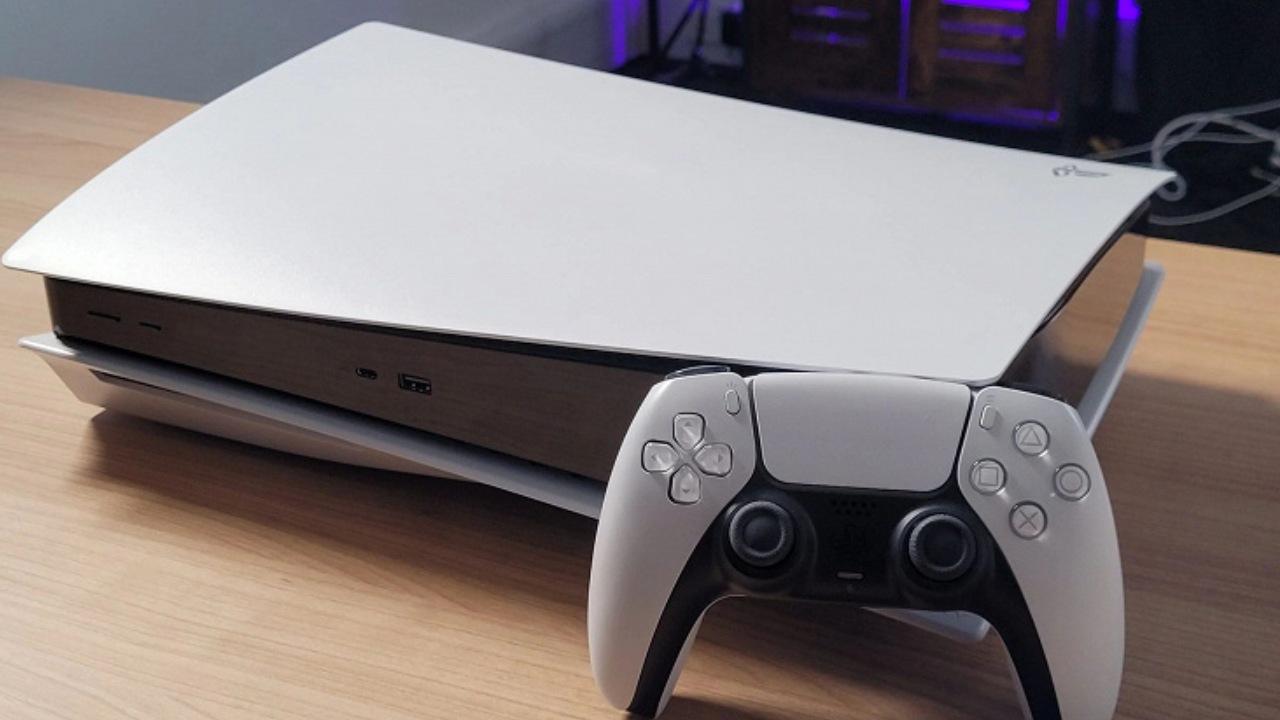
Fixing the DualSense's Achilles Heel
The DualSense controller was a revelation—adaptive triggers, precise haptics, integrated mic—but battery life has remained its glaring weakness. The proposed fix? A smart, ultra-low power idle mode.
It's a solution that already exists across devices. Smartphones dim and sleep. TV remotes sit idle for months. The fact that the current DualSense doesn't automatically enter a deep sleep after a few idle minutes is a software oversight begging to be corrected.
Implementing customizable idle settings—1, 5, or 10-minute timeouts—would quadruple battery life instantly. And it's not hypothetical. It's doable. Sony simply has to flip the switch.
Drift Be Gone: A Modular Future
Stick drift has plagued even the most premium controllers, and it's time for a permanent solution. Sony has already explored the answer with the DualSense Edge—modular sticks. But at a $200 premium, it remains inaccessible to most.
The PS6 should democratize this feature. Every DualSense should include hot-swappable sticks. No tools. No repairs. No rage-quits. A failed analog should no longer mean a new controller or surgical intervention. Just snap, swap, and return to play.
And while we're at it, let's bury the cord. Wireless charging has become ubiquitous—from phones to earbuds—and the PS6 controller should be no exception. Drop the controller on a magnetic pad post-session and let it silently power up. No fiddling with cables. No dead batteries mid-boss fight. Just readiness, always.
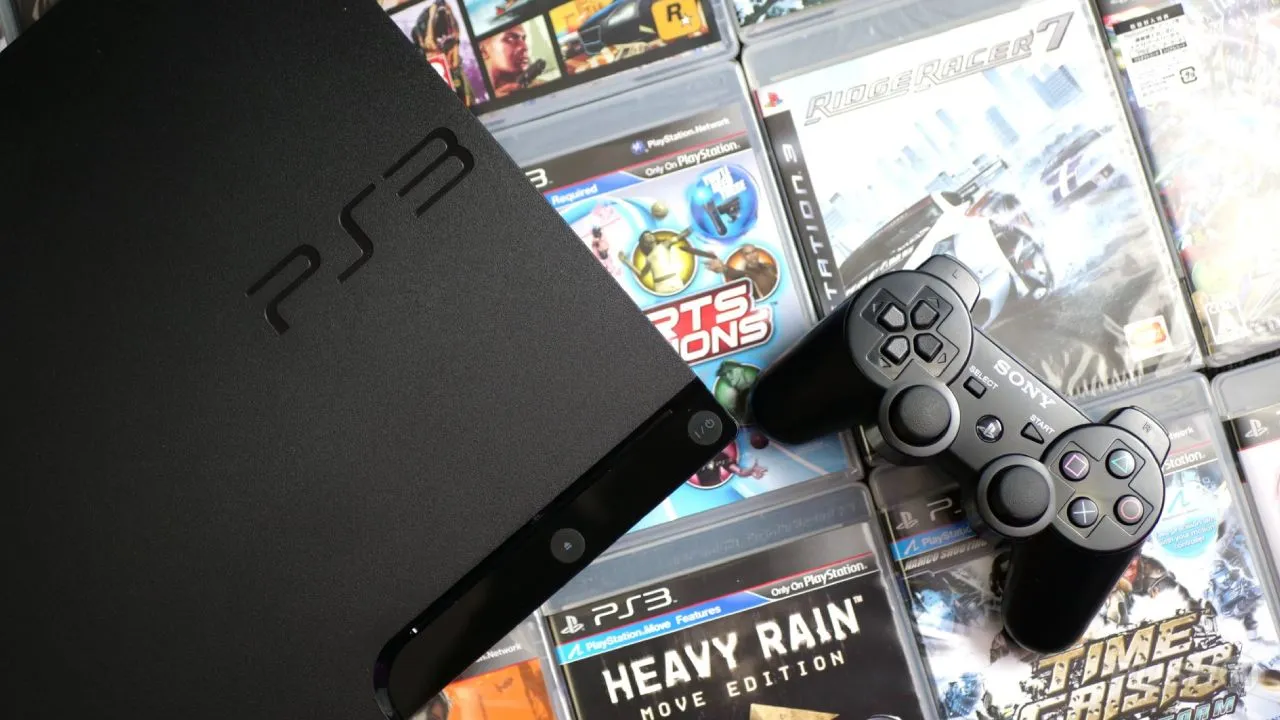
Backwards Compatibility: The True Legacy Feature
Here lies the PS6's most emotionally-charged challenge: true, full-spectrum backwards compatibility. PS1 through PS5. Especially PS3.
The PS3's CELL processor has been Sony's greatest technical anomaly—powerful yet notoriously difficult to emulate. Its architecture is fundamentally alien to modern x86-based CPUs. That's why, even today, emulators like RPCS3 struggle with performance, even on enthusiast-grade hardware.
But the PS6 might finally have the muscle to bridge the gap. And with modern AI-driven upscaling and frame interpolation techniques, the opportunity is larger than emulation. Imagine this: older titles not only run—they evolve. Machine learning enhances textures. Frame rate caps are unlocked. The resolution is boosted. No patches, no remasters, no paywalls. Just one console respecting its own legacy.
Smart upscaling tech, like a DLSS-style integration under the hood, could redefine what "backwards compatibility" means. The console itself doing the work. Old games, reborn without compromise.
A Display on the DualSense? Here's Why It Makes Sense
The wild card that could change how we play games is a screen that's built into the next DualSense. It sounds expensive and maybe even pointless until you think about what could happen.
A small screen could show your inventory, health, task goals, or mini-map without taking up too much space on the main screen. It could transform into a dynamic keyboard, reduce reliance on clunky thumbstick typing, or act as an interactive HUD extension for multiplayer games.
The concern? Battery life. But combine that display with the aforementioned smart idle mode, and suddenly, the drain is no longer a dealbreaker. Auto-dimming. Auto-sleep. Toggle settings. Flexibility, not compromise.
And for developers, the potential is limitless—context-sensitive controls, real-time stat displays, or touch-based inventory systems. The PS5's touchpad was a promise; the PS6's display could be the fulfillment.
The Final Question: What Else Are They Hiding?
This one is very close to Sony's chest. Even though specs have been leaked, the PS6 is more than just faster hardware and more functions. It's about getting rid of tiredness. It's about going beyond what's expected without shouting. The company that brought gaming out of the arcade and into the living room may be quietly preparing to do it again—by delivering not just a next-gen console, but a platform that ages with you.
But what else lurks beneath the surface? Full PS Now integration? Cloud save resurrection for long-forgotten games? A completely redesigned interface with native Discord integration?
We're still not sure of everything. That's what makes it exciting.
Because the PS6 won't just be a system when it comes out. It could be the moment when Sony changes the standard, not by making things louder, but by making them better. And if it's even half as good as they say it is, the future of games won't be loud.
It'll be seamless. Silent. And unstoppable.
Contributor, NoobFeed
Latest Articles
No Data.