
PlayStation 6 Preview: Next Gen-3 Ray Tracing & Full Backward Compatibility
Gen 3 ray tracing paired with machine learning upscaling may produce realistic lighting effects without sacrificing frame rates
Hardware by Tanvir Kabbo on Aug 05, 2025
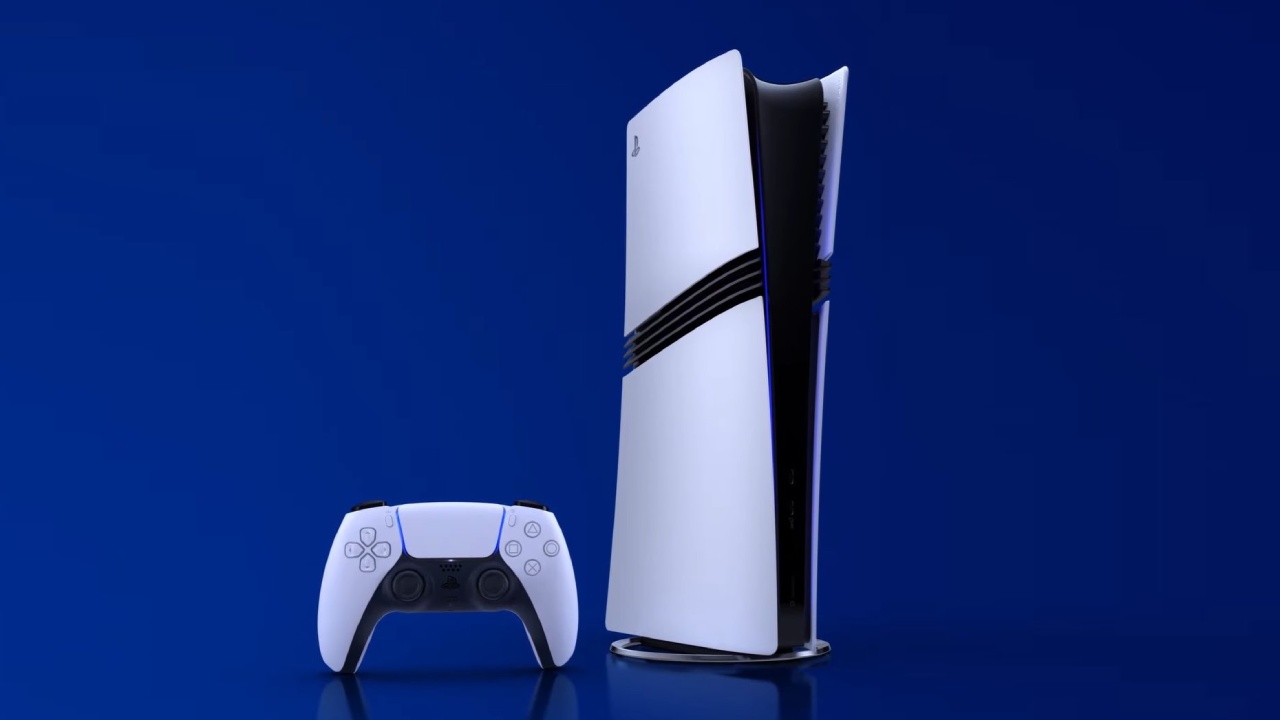
PlayStation 6, the next-generation PlayStation console, is on the horizon, promising to bring faster load times, smoother graphics, and smarter performance. Early leaks suggest that the console will feature a powerful new processor with 11 cores, a generous 24GB of shared memory, and improved ray tracing for more realistic lighting and reflections.
In addition, the controller itself may gain a built-in screen, and there's hope for full backward play of older PlayStation titles—including those from the PS3 era.
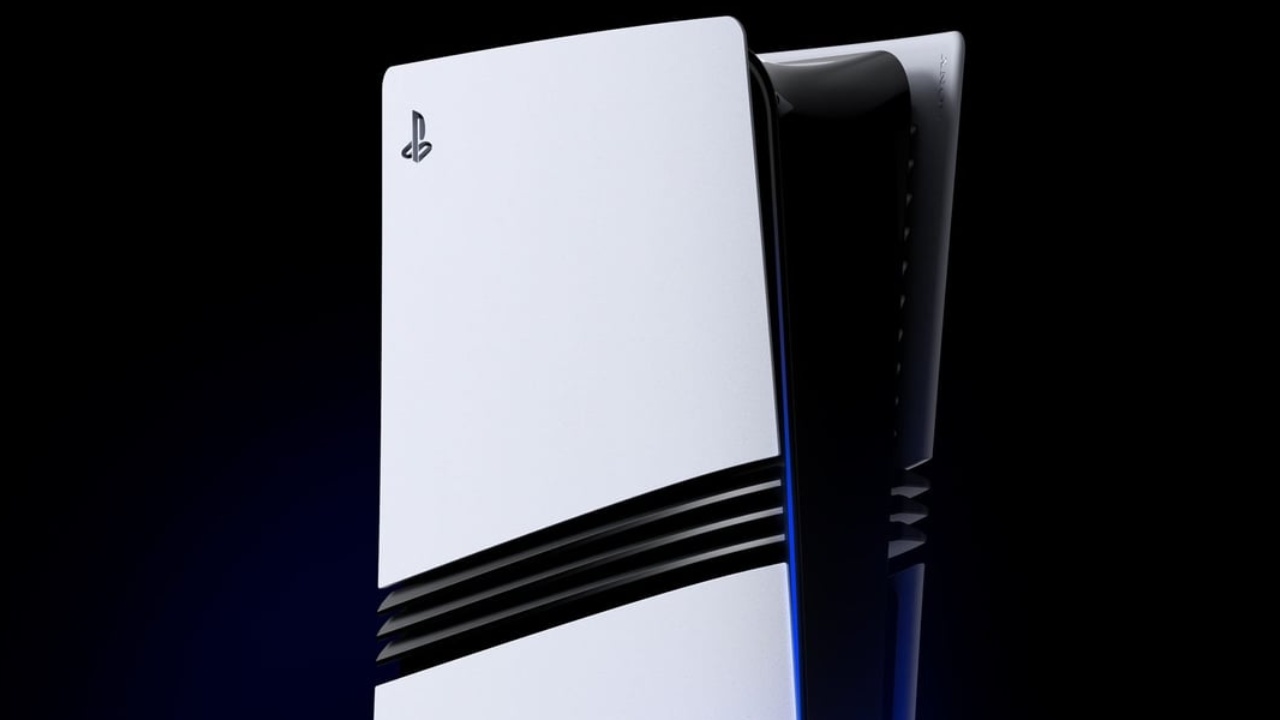
We broke down all the details available, what matters most—from raw specs to everyday usability—and explored which innovations will truly define Sony's next flagship.
Unified Memory: More Than Just Capacity
When you hear "24GB of RAM", it's tempting to compare it directly with a PC that boasts 32GB. In console architecture, however, unified memory is shared seamlessly between CPU and GPU, eliminating OS overhead, background apps, or wasted VRAM pools.
On PS5, 16GB of unified RAM already outperforms many PCs with dedicated 8GB VRAM; there's no juggling assets between separate memory banks. In PS6, 24GB of direct-access memory will act like a 24GB graphics card bolted into your living room—optimized for maximum bandwidth and zero bottlenecks.
AI Upscaling(PSSR)
PSSR is an AI-based upscaling technology that is expected to be a core feature of the PlayStation 6. Building upon the version introduced with the PS5 Pro, the PS6's iteration of PSSR is anticipated to be more mature and capable. It will leverage machine learning to intelligently reconstruct lower-resolution images into sharper, high-fidelity visuals.
This will enable developers to achieve higher performance targets, such as consistently reaching 4K at 120fps or even 8K at 60 fps, while dedicating the console's horsepower to more demanding features like advanced ray tracing.
The goal of PSSR on the PS6 is to provide a significant graphical leap and more fluid gameplay experiences without sacrificing visual quality.
Power Efficiency and Performance Balance
PC gamers chasing RTX 4090-level performance often face 450W power draws, elaborate cooling, and constant noise. By contrast, PS5 peaks around 200W while delivering buttery 4K gameplay. We expect PS6 to maintain that ethos: a Zen 6 CPU, RDNA5 GPU, and 3nm process that reduce heat and power consumption, yet push performance higher.
In console terms, it's like trading a fuel-guzzling V8 for a silent, high-torque electric motor—punching far above its wattage without demanding a dedicated circuit.
Gen 3 Ray Tracing: Photo-Realism at Playable Frame Rates
Gen 1 ray tracing (PS5, RTX 2000 series) delivered basic shadows and reflections at steep performance costs. Gen 2 (PS5 Pro, RTX 3000–4000) improved denoising and added DLSS/FSR support. Gen 3, as rumored for PS6, promises full global illumination and path tracing in real time, tightly coupled with machine learning for smart lighting and reflections.
Imagine Cyberpunk Overdrive quality that holds 60fps or more, without needing a $2,000 GPU—finally blending console simplicity with photo-realism.
Gen 5 SSD: Instant Worlds, Infinite Detail
PS5's SSD already made load times vanish; a Gen 5 SSD rated up to 14GB/s (vs 5.5GB/s on PS5) will shatter old limits. With 2TB–4TB of storage, massive games won't just fit—they'll stream entire skyscrapers, textures, and NPCs in real time.
Fast travel turns into teleportation: no black fades, no loading icons—just instant immersion. As file sizes balloon (250GB+ for ray-traced 4K textures), a spacious, ultra-fast SSD becomes essential rather than optional.
Controller Battery Life: Smart Idle Modes
Moments of inactivity—doorbells, breaks, YouTube detours—currently drain DualSense batteries as if you were playing nonstop. We need an ultra-low-power idle mode that kicks in after a customizable timeout (1min/5min/10min) to sleep the controller, quadrupling battery life without sacrificing haptics or triggers.
You should be able to tweak settings in the PS6 menu, ensuring that adaptive feedback remains ready when you return—never tethered to a charging cable again.
Modular Sticks to Banish Drift
Stick drift ruins immersion. Opening the controllers voids the warranty, replacements cost $70–$80, and "suffer through it" isn't an option in 2025. If Nintendo can hot-swap Joy-Cons and PC gamers rebuild rigs at will, we deserve hot-swappable stick modules on every DualSense.
When drift appears, pop the old module, snap in a fresh one—no tools, no fuss—so you stay in the game.
Wireless Charging: A Cable-Free Experience
Plugging in USB-C feels archaic when phone chargers and remotes work wirelessly. Sony should bundle a Qi-style charging pad: drop your DualSense on the mat after play, and come back to a full battery. No more mid-boss-fight panic, no frayed cables—just seamless power top-ups.
Backward Compatibility: All Generations at Once
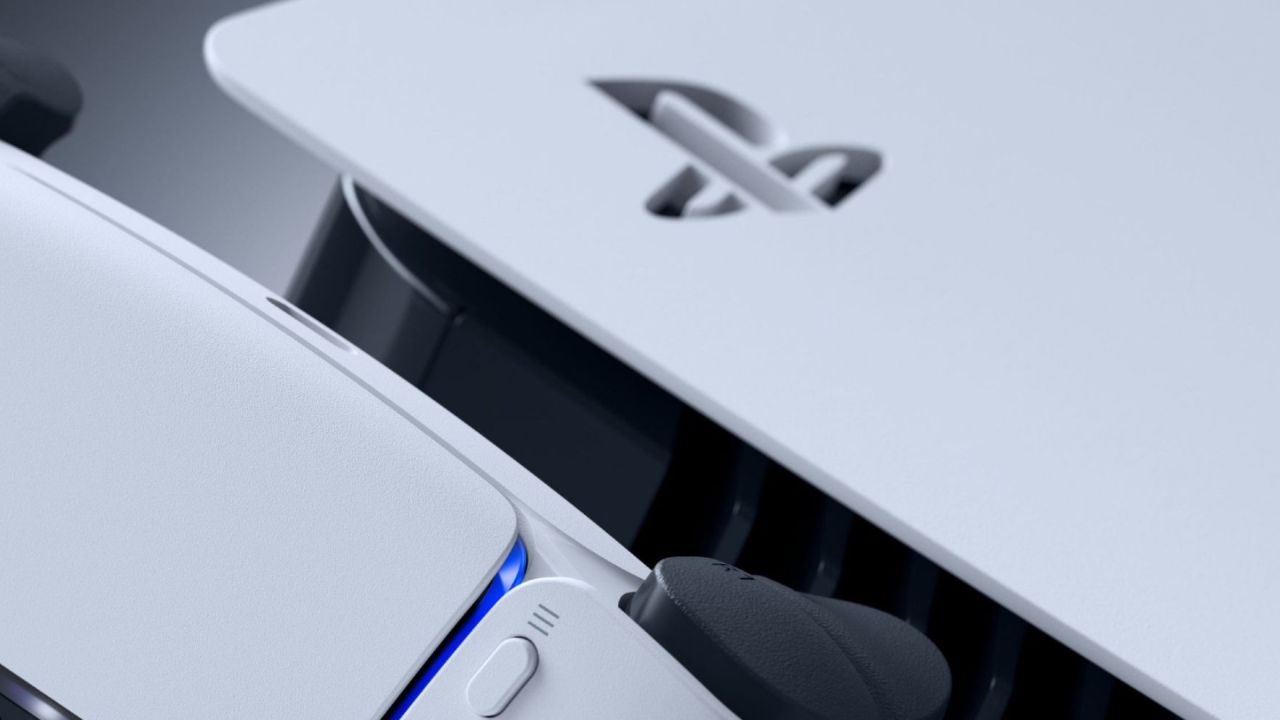
PS1 and PS2 emulation is trivial compared with PS3's Cell architecture, which is why native PS3 support remains elusive. True backward compatibility means machine-learning upscaling and frame-rate unlocking baked into the console: automatic 4K60 or 4K120 conversions, smart texture sharpening, and VRR support—all without remasters or extra purchases. Your favorite classics should feel modern, with fidelity and performance options at your fingertips.
DualSense Screen: A Miniature HUD
A built-in screen on the DualSense transforms the touchpad into a dynamic companion display—health bars, mini-maps, mission objectives, or a touchscreen keyboard for quick chats. With smart idle dimming and customizable toggles (on/off/auto), the power draw becomes negligible. Give developers an SDK to integrate contextual info effortlessly, and gameplay gains a new layer of immersion without cluttering the main screen.
Key Takeaways
In the end, PS6 is aiming to make gaming faster, smoother, and more fun for everyone. With its powerful new chip and 24GB of shared memory, games should run without hiccups. The super-fast SSD will all but erase load times, and advanced ray tracing will make worlds look more real.
A screen on the controller could give you handy info at your fingertips, and better backward play means you can enjoy old favorites without extra work.
Moreover, fixes like smart controller sleep modes and easy stick swaps will keep you in the game longer and with less fuss. Whether you care most about graphics, speed, or playing classic titles, the PS6 seems designed to deliver—and we can't wait to see it in action.
Check Our Other Articles:
- GeForce RTX 5090 Unleashed: Is NVIDIA's New Flagship the Ultimate 4K Gaming GPU?
- NVIDIA GeForce RTX 5080 Review (2025): Still A 4K Gaming Powerhouse?
- RTX 5090 Performance Testing In GTA 5 – 1080p, 1440p, and 4K Max Settings Benchmark
- NVIDIA RTX 5070 Review: Mid-Range Muscle or Marketing Hype?
- RTX 5070 Ti Review: Performance, Thermals & Power Efficiency Tested
- ASUS ROG Astral RTX 5090 OC Edition Review: 32GB GDDR7 & 4K Gaming Benchmark
- ASUS GeForce RTX 5090 LC Liquid Cooled GPU Review: Unmatched Silence & Speed
- MSI GeForce RTX 5090 32GB SUPRIM SOC Review: Power Efficiency, Cooling, and Gaming Performance
- INNO3D RTX 5060 Ti 16 GB X2 Review: Gaming Benchmarks, Temps, and Power Efficiency
- HP Omen 45L Review: RTX 5090 Performance, Thermals, and Value Analysis
- ASUS TUF Gaming GeForce RTX 5060 Ti Review: DLSS 4, Power Efficiency, and Gaming
- ASUS Prime RTX 5060 Ti OC 16GB Review: DLSS 4, Ray Tracing, & Thermals Tested
- NVIDIA GeForce RTX 5060 Review: Specs, Gaming, and Cost per Frame
- MSI GeForce RTX 5090 GAMING TRIO OC Review: A Monster Power GPU
Senior Editor, NoobFeed
Gaming Hardware Updates
No Data.