
PS6 vs. PS5 vs. PC GPUs: Ray Tracing, 4K Performance, and Next-Gen Graphics
Advanced GPU architecture in the PS6 allows high-quality visuals with minimal performance trade-offs compared to high-end PC graphics cards.
Hardware by Tanvir Kabbo on Sep 14, 2025
Before going into all of the technical specifications, it is important to first address a common notion that the PlayStation 6 may not bring as much of an uplift as the previous generation. This perception comes from the fact that Mark Cerny is not focusing on rasterization performance as heavily as PlayStation did in the last two generations.
Many see projections of 2.5x or 3x rasterization improvements and assume that is the whole story. However, what is often overlooked is that the PS6 is expected to deliver around 5 to 10 times more ray tracing performance.
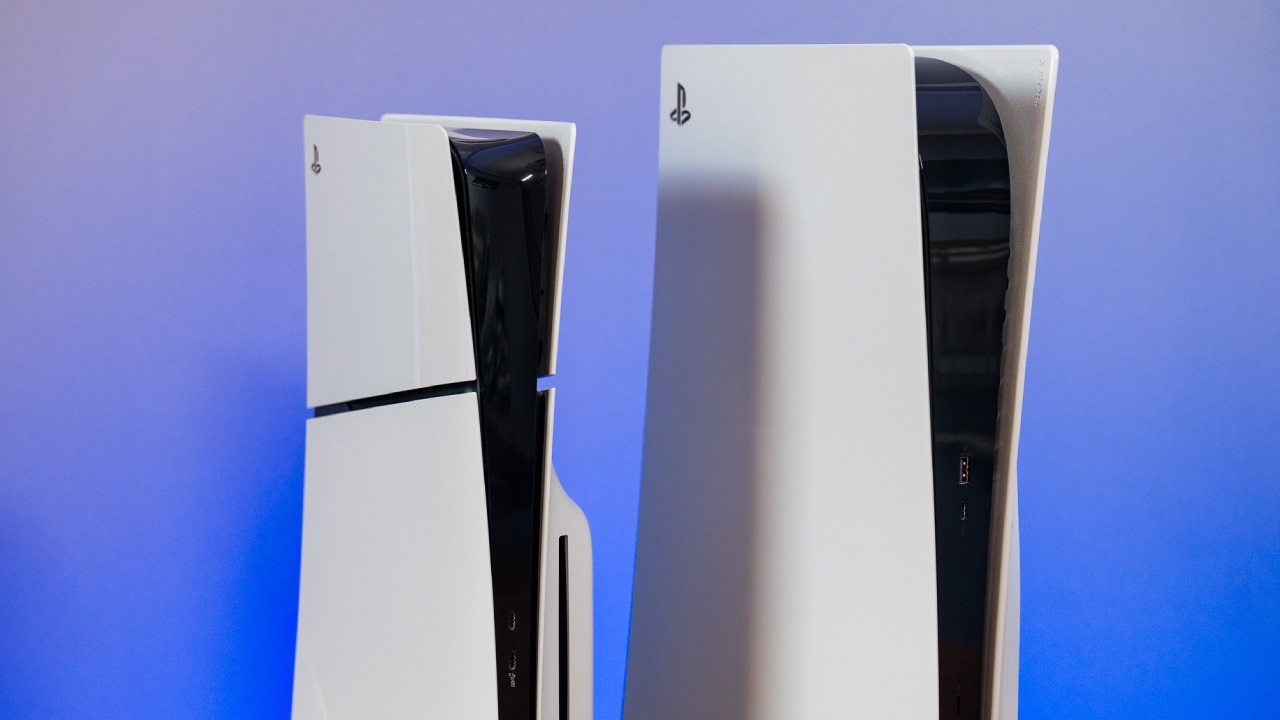
Every single specification doesn't need to increase by 10x each generation for a console to feel vastly superior. For example, the PlayStation 4's CPU was not significantly faster than the PS3's, and in some cases was even considered weaker.
Yet, the PS4 was a far superior gaming device because it focused on a much stronger GPU for rasterization and included 16 times the RAM of the PS3. Similarly, the PS5 only doubled the RAM of the PS4, technically less when considering additional DDR memory.
These companies choose which components to prioritize for the best experience, rather than simply multiplying all specifications equally each generation.
Rasterization Performance in PS6
What Mark Cerny has decided this time is to focus on the areas we will notice most. The PS5's GPU performance roughly compares to an RX 6700. Scaling up by about 2x to 3x faster would put the PS6's GPU performance somewhere between an RX 9070 and an RTX 5080. That level of rasterization power should comfortably achieve 4K60 in AAA titles at launch.
Even when accounting for future, more demanding games, benchmarks show frame rates well above 60fps before adding technologies like DLSS or FSR.
Since the PS6 will undoubtedly use FSR 4, FSR 5, and PSSR 2, it is reasonable to expect 4K60 in high fidelity modes and 4K120 in performance modes with aggressive upscaling.
This performance target is more than enough for the majority of displays in use. Most people will connect the PS6 to 4K60 displays, some will use 4K120, and a surprising number may still use 1080p screens.
Solid 4K120 performance is arguably more than necessary until 4K240 or 8K60/120Hz displays become mainstream, which will not happen in the next generation. From this perspective, the rasterization performance is sufficient.
It is also worth noting that consoles often benefit from deeper hardware–software optimization compared to PCs. Developers know the exact specifications of the hardware and can fine-tune engines to extract every bit of performance.
This means that while the raw numbers might look close to a PC GPU like the RX 5080, the PS6 can still deliver smoother and more consistent results in practice.
.jpg)
Ray Tracing Uplift
Ray tracing is where the PS6's true leap lies. Comparing PC graphics cards is tricky because most games combine rasterization with ray tracing.
However, a good example can be drawn from path tracing benchmarks. The RX 7900 XTX, which is about 2.5x to 3x faster than the RX 6700 found in the PS5, struggles to maintain 30fps in Alan Wake with full path tracing enabled.
Scaling this performance to the expected 6x to 12x uplift in ray tracing capability for the PS6 results in 60fps to 120fps performance levels with path tracing enabled.
This highlights a key advantage. In rasterization-heavy games, the PS6 will not outperform something like an RX 5080, but in ray tracing or path tracing workloads, it could surpass even an RTX 5090.
For titles designed around advanced lighting and ray tracing, the PS6 will deliver a level of performance far beyond what its rasterization numbers alone suggest.
The Bigger Picture
While PC GPUs will always have an advantage in raw power, consoles like the PS6 strike a balance between performance, accessibility, and cost. A gaming PC equipped with an RTX 5090 will easily outperform the PS6 in most scenarios, but it will also cost several times more than the console itself.
When you add in features like PSSR2, variable rate shading, mesh shaders, and improved storage pipelines, the PS6 will still offer a premium gaming experience without the complexity of managing drivers, hardware upgrades, and compatibility issues.
Ultimately, the PS6 should not be judged solely by raw rasterization numbers. Its real strength lies in a balanced design that pushes ray tracing and upscaling technologies forward, making games look more lifelike while still running at smooth frame rates.
When combined with console-level optimization, this makes the PS6 a true generational leap over the PS5 and a competitive alternative to high-end PC builds for years to come.
Final Thoughts
PlayStation 6 demonstrates that gaming in the next generation is about more than just statistics. With an emphasis on ray tracing, clever upscaling, and close hardware–software interaction, Sony has created a system that offers breathtaking images while remaining playable by a variety of gamers.
The PS6 is a major improvement for gamers who appreciate ease of use, seamless performance, and stunning graphics at 4K60 or 4K120.
The PS6 demonstrates that careful design and well-balanced hardware can produce a similarly amazing gaming experience—without the exorbitant cost or the hassles of maintaining a complicated setup—even as top-tier PCs continue to push the boundaries of performance.
For both casual and dedicated players, the PS6 represents the next step in immersive, next-generation gaming.
Also, Check Our Other PS5 Pro Articles:
- PS5 Pro vs. PS5 Slim: Frame‑Rate, Graphics & Performance
- PS5 Pro vs. Radeon RX 9060 XT vs RTX 5060 Ti: Ultimate $700 Gaming Showdown
- ASUS ROG Ally PS5 Remote Play | How to do Remote play on PS5 Using Sony's Official Remote Play App
- Stream PS5 Games on Steam Deck OLED: Step-by-Step Installation and Configuration
- AI Upscaling on PS5 Pro: Can PSSR Finally Match DLSS?
- PS5 Pro vs. PS5 Slim vs. PS5 — Design, Storage, Specs, and Gaming
- PS5 Pro vs. Xbox Series X: Specs, Price, Storage, Customization, and Gaming
- PS5 Pro vs. PC Gaming: Comparison of Graphics, Frame Rates, and Price
Senior Editor, NoobFeed
Gaming Hardware Updates
No Data.