
PlayStation 6 Full Specs and Performance: RDNA5 GPU, 40GB RAM, and Next-Gen AI Features
Compared to older consoles, next-gen console architecture and optimized hardware enable significantly improved rasterization, AI, and game performance.
Hardware by Tanvir Kabbo on Sep 14, 2025
PlayStation 6 represents a significant leap forward in console gaming. This next-generation system is designed to deliver a more immersive and technically advanced experience, with a focus on advanced AI, highly detailed ray tracing, and rasterization strong enough to fully saturate modern TVs at higher frame rates than the previous generation.
PS6, in contrast to previous generations, places more emphasis on clever performance enhancements than on pursuing raw resolution and frame rates. This guarantees that games feel more responsive and energetic in addition to looking better.
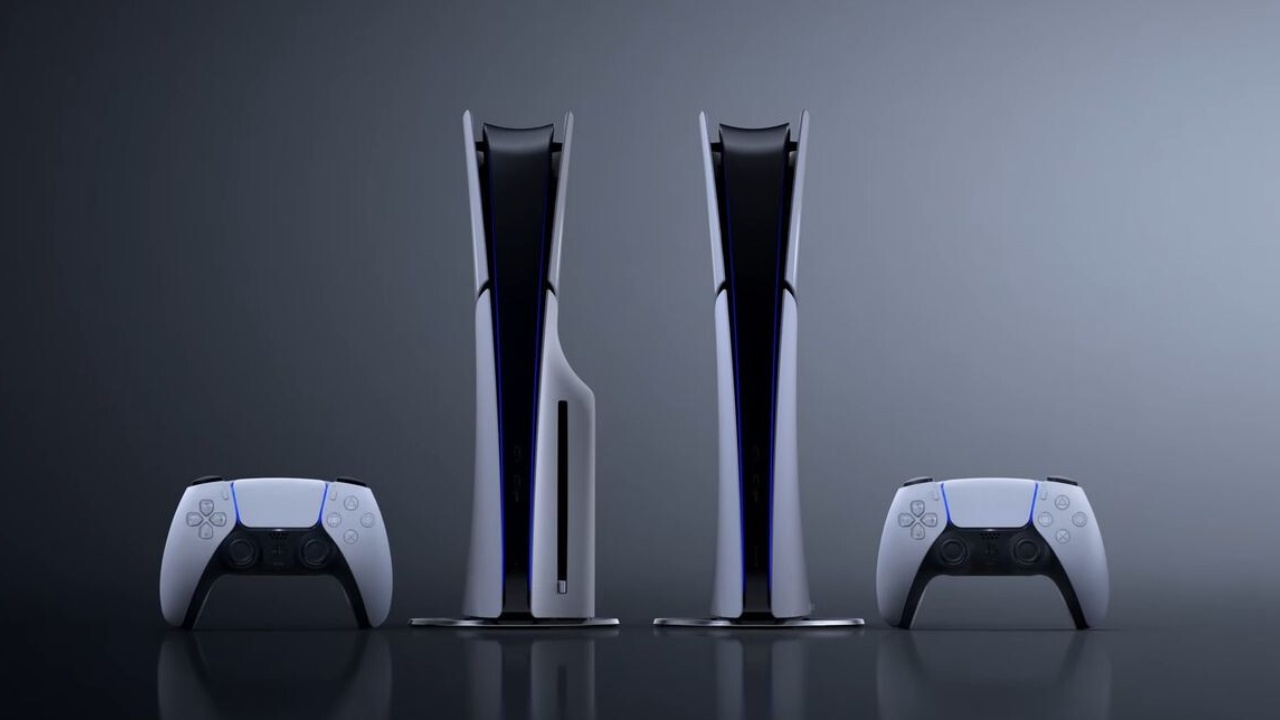
CPU and Architecture
A monolithic 280mm² die made with TSMC's state-of-the-art 3nm technology forms the core of the PS6. The CPU configuration features 7 to 8 high-performance Zen 6C cores, with one core potentially disabled to improve yields. In addition, there are 2 low-power Zen 6 cores, bringing the total to 9 to 10 cores depending on the final setup.
These low-power cores handle background tasks and system processes, freeing the main cores to focus entirely on gaming workloads. According to internal documentation, this approach can improve CPU efficiency by up to 20% in real-world scenarios, especially in games running at higher frame rates such as 60-120fps.
Developers can push more intricate simulations, AI-driven NPC behavior, and physics-based interactions without sacrificing speed thanks to the PS6's CPU architecture, which is optimized to strike a compromise between raw processing capability and energy economy.
Next-generation games will be able to maintain greater consistency throughout expansive, open-world settings because of this design concept.
Memory and Bandwidth
Memory performance has received a major upgrade. PS6 includes a 160-bit GDDR7 memory controller running at 32GT/s, resulting in 640GB/s of bandwidth. This high-speed memory enables up to 40GB of RAM, although the ultimate configuration may depend on memory pricing in 2027.
Higher texture resolutions, intricate shaders, and more intricate worlds are supported by the broad memory bus and GDDR7 combo, which guarantees that both the CPU and GPU can access data with the least amount of latency.
GPU and Graphics
Graphics performance on the PS6 is based on RDNA 5 architecture. The GPU contains up to 54 compute units, with most configurations likely using 52 enabled units. This setup delivers an estimated 34-40TFLOPs of raw compute power, roughly 2.5x higher than the PS5 Pro.
Combined with 10MB of L2 cache, the system offers substantial efficiency gains, allowing developers to achieve more with less power.
Ray tracing performance is expected to see a major boost, with estimates ranging from 6-12x the PS5. When paired with FSR 4, overall performance improvements are projected to be 4-8x depending on the game and workload.
Rasterization performance is estimated at 2.5-3x that of the PS5, providing smoother frame rates, higher polygon counts, and better lighting effects across next-generation titles.
Backward Compatibility and Storage
Games for the PS4 and PS5 are backward compatible; however, PS3 support has not been confirmed. According to reports, Sony is also incorporating a removable disc drive, which will allow gamers to use physical media more freely.
While making the complete switch to next-generation storage and IO performance, these design decisions show an emphasis on long-term compatibility.
Manufacturing and Release Timeline
PS6 is anticipated to go into mass production in the middle of 2027 and be released in the fall of that same year. The technology appears to be built to support both AI-driven game improvements and conventional home console workloads, according to early leaks and documentation.
Comparing PS6 and Xbox Magnus
When comparing PS6 with the Xbox Magnus, preliminary data indicate that the Xbox Magnus may be about 25% faster on paper. However, the difference may not be as apparent in practice. Both consoles will offer highly optimized experiences at high frame rates, in contrast to previous generations; the main factors influencing these changes are OS-level efficiency, clock speeds, and memory configurations.
Sony's low-level OS allows games to take full advantage of the hardware, whereas the Windows-based architecture of Xbox Magnus might require additional optimization to reach the same efficiency.
Next-Gen Leap in Gaming
PS6 is expected to deliver a next-generation leap comparable to or exceeding the PS4-to-PS5 transition. The focus on AI-driven features, advanced ray tracing, and fully optimized hardware ensures that games will not just look better—they will behave in ways previously impossible on home consoles.
PC gamers also benefit, as developers will no longer need to optimize for older, weaker consoles, raising the baseline for game quality across platforms.
.jpg)
Final Thoughts
PlayStation 6 might change console gaming forever with its next-generation CPU design, fast RAM, RDNA 5 GPU, and AI upgrades. It goes beyond just better resolutions and frame rates to offer a gaming experience that is inherently smarter and more powerful.
PS6 is poised to make the next generation feel like a bigger leap than any before it, both for home console players and PC enthusiasts.
Check Our Other PS5 Pro Articles:
- PS5 Pro vs. PS5 Slim: Frame‑Rate, Graphics & Performance
- PS5 Pro vs. Radeon RX 9060 XT vs RTX 5060 Ti: Ultimate $700 Gaming Showdown
- ASUS ROG Ally PS5 Remote Play | How to do Remote play on PS5 Using Sony's Official Remote Play App
- Stream PS5 Games on Steam Deck OLED: Step-by-Step Installation and Configuration
- AI Upscaling on PS5 Pro: Can PSSR Finally Match DLSS?
- PS5 Pro vs. PS5 Slim vs. PS5 — Design, Storage, Specs, and Gaming
- PS5 Pro vs. Xbox Series X: Specs, Price, Storage, Customization, and Gaming
- PS5 Pro vs. PC Gaming: Comparison of Graphics, Frame Rates, and Price
Senior Editor, NoobFeed
Gaming Hardware Updates
No Data.