
PS6 vs. Xbox Magnus: Launch Timelines and Next-Gen Strategies
Discover how PS6 and Xbox Magnus will push next-gen gaming with huge ray tracing gains, RDNA5 power, and 2027 launch plans.
Hardware by Masaru Hoshino on Aug 15, 2025
Many people see that the PS6 is 5–10 times the performance of the PS5 in ray tracing and dismiss it, thinking the PS5 can barely do ray tracing, so it's "10 times zero". That's not the case. Looking at the difference in ray tracing performance between RDNA architectures, RDNA3 is 50–80% faster than the previous gen, while RDNA4 is roughly double RDNA3's ray tracing performance.
In fully path-traced games, 9060 XT can deliver around 2.5x the performance of 7600XT on the same compute unit count, which proves the uplift.
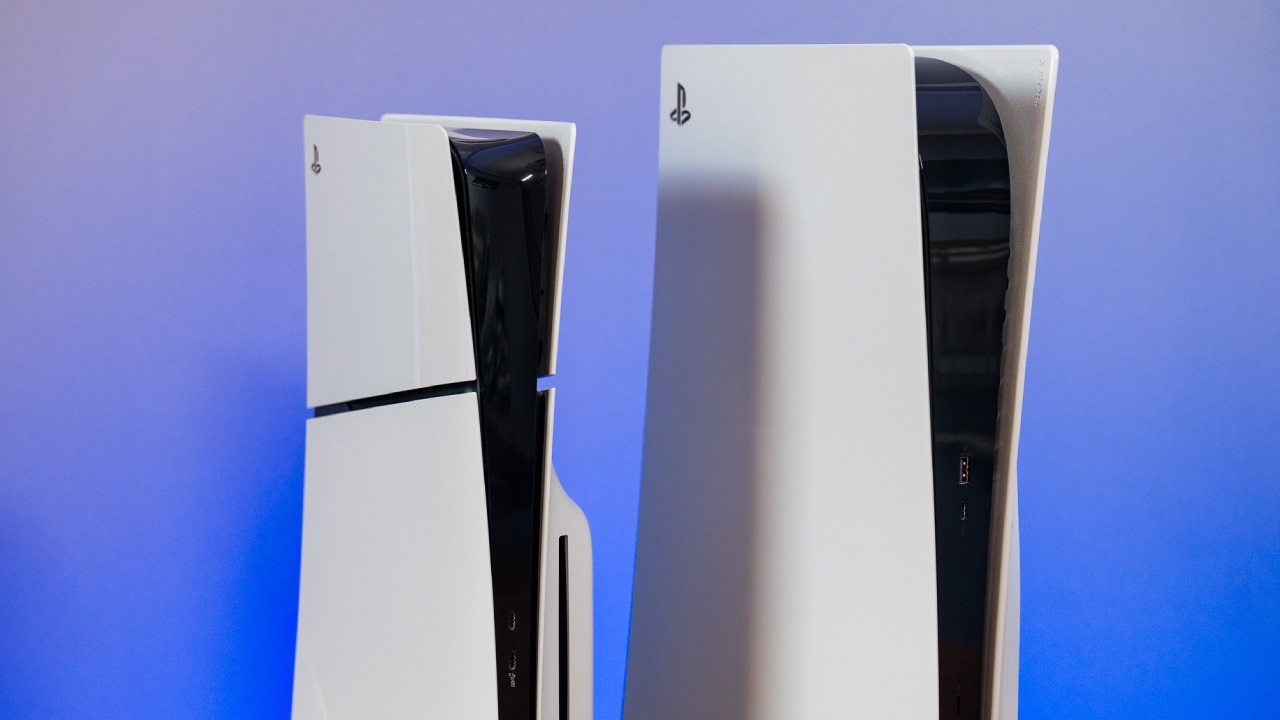
So yes, it is double the ray tracing performance if you can target 30 fps. Multiplying the gains, 1.5×2 equals 3, and 1.8×2 is almost 4. That means RDNA4 can be 2–4x the ray tracing capability of the PS5 per compute unit. Notably, 2–4x is what the PS5 Pro offers as well, meaning the PS5 Pro effectively has RDNA4-level ray tracing even without all the other architectural changes.
RDNA5's Impact on PS6 and Next-Gen Visuals
A 5–10x uplift for the PS6 would then translate into about 2.5x or more over the PS5 Pro's ray tracing. This suggests RDNA5 doubles ray tracing performance over RDNA4. In rasterization, PlayStation Orion might land around RTX 4070–class performance, but its ray tracing could be closer to an RTX 5090, or at least better than an RTX 5080.
If ray tracing improves 2–3x over PS5 Pro and becomes the baseline for all games, then we can expect PS6 titles to look significantly more like true next-gen experiences compared to PS5 titles, even more so than the jump from PS4 to PS5. The real generational uplift could also come from achieving true 4K120Hz raster performance with much better lighting.
Xbox Magnus and Hardware Strategy
Looking at Microsoft's plans for Xbox Magnus, it makes sense to use off-the-shelf consumer hardware to unify the architecture between console, handheld, and PC. Even though not all devices are identical—the upcoming Asus Ally with an Xbox badge uses RDNA2 and RDNA3.5—the advantage lies in optimizing for a single AMD hardware family.
We believe that this approach also capitalizes on AMD's advantages. Because consoles use desktop chiplets, all games are automatically optimized for that architecture. AMD may take advantage of economies of scale by negotiating better terms on GDDR7, achieving better wafer pricing from TSMC, and producing tens of millions of units. This helps the PC and console product lines.
For Microsoft, this reduces R&D costs and shifts Xbox from a fully independent console line to a brand that can be attached to a wide range of devices. In many ways, it could turn AMD into the de facto gaming chip supplier for Windows gaming hardware.
Launch Timelines for PS6 and Xbox Magnus
When it comes to launch timing, evidence suggests both PS6 and Xbox Magnus are targeting mid-2027. Documentation indicates PS6 manufacturing begins around that time. Unless RDNA5 development accelerates or Xbox's AT2 GPU chiplet experiences delays, the most likely scenario is that both launch within the same quarter.
Sony's approach includes a cheaper PS6 model to encourage PS4 users to upgrade, establish a new hardware baseline, and make the next-gen jump more appealing at around $500 for the main model and $300 for the cheaper version. Microsoft's strategy, however, doesn't seem to include a smaller model—just a single flagship console supplemented by Xbox-branded partner devices.
Diverging Strategies Between PlayStation and Xbox
We need to stop looking at PS6 and Xbox Magnus as if they are direct competitors in the old "console war" sense. PS4 and Xbox One were fighting for the same niche with nearly identical goals, but that's not true anymore. The modern comparison is more like PS6 vs. Nintendo Switch 2—different strengths, different target audiences.
Microsoft's primary competition isn't just Sony; it's mini PCs, Game Pass growth, and expanding its storefront reach. PlayStation focuses on its exclusive experiences and console ecosystem, while Microsoft is moving toward a multi-device, platform-oriented strategy.
So when an Xbox game is announced, it's not necessarily bad news for PlayStation—many of these titles will appear on both platforms. The industry is entering a new era where hardware specs like teraflops matter less in defining "winners" and more in defining niche strengths.
Check Our Other Upscaling Articles:
- FSR vs. XeSS vs. DLSS: Best Upscaling Technology for Gaming in 2025
- FSR 4 vs. DLSS 4 at 4K: A Detailed Comparison
- FSR 4 vs. DLSS 4 in 1440p Gaming: Visual Fidelity and Frame-Rate Uplift Analysis
- DLSS 4 Ray Reconstruction: Elevating Ray Traced Visuals with AI
- DLSS 4 vs. DLSS 3: How Transformer‑Based Upscaling Sharply Outpaces the Old AI Model
- AI Upscaling on PS5 Pro: Can PSSR Finally Match DLSS?
- DLSS 4 Balanced vs. Performance: Striking the Perfect FPS and Image Quality Balance
Editor, NoobFeed
Gaming Hardware Updates
No Data.