
Steam Deck 2 Release Window Leak Points to 2028 Timeline and Possible Delays
Steam Deck 2 reportedly targets 2028 release window amid hardware constraints and evolving component supply conditions.
Hardware by Nahe Yan on Apr 04, 2026
There isn't much new information concerning Valve's hardware intentions. There aren't many leaks or real news on projects like the Steam Machine or Steam Deck. A new source says the Steam Deck 2 is aiming for a 2028 release. This raises concerns regarding delays, hardware strategy, and long-term positioning.
A known leaker named Kepler L2 posted on NeoGAF and then on other boards, saying that Valve is aiming for 2028 for a possible Steam Deck successor. The report also says there may be delays due to ongoing problems in the hardware industry. Based on what we know right now, it doesn't seem probable that we'll hear anything solid in the near future.
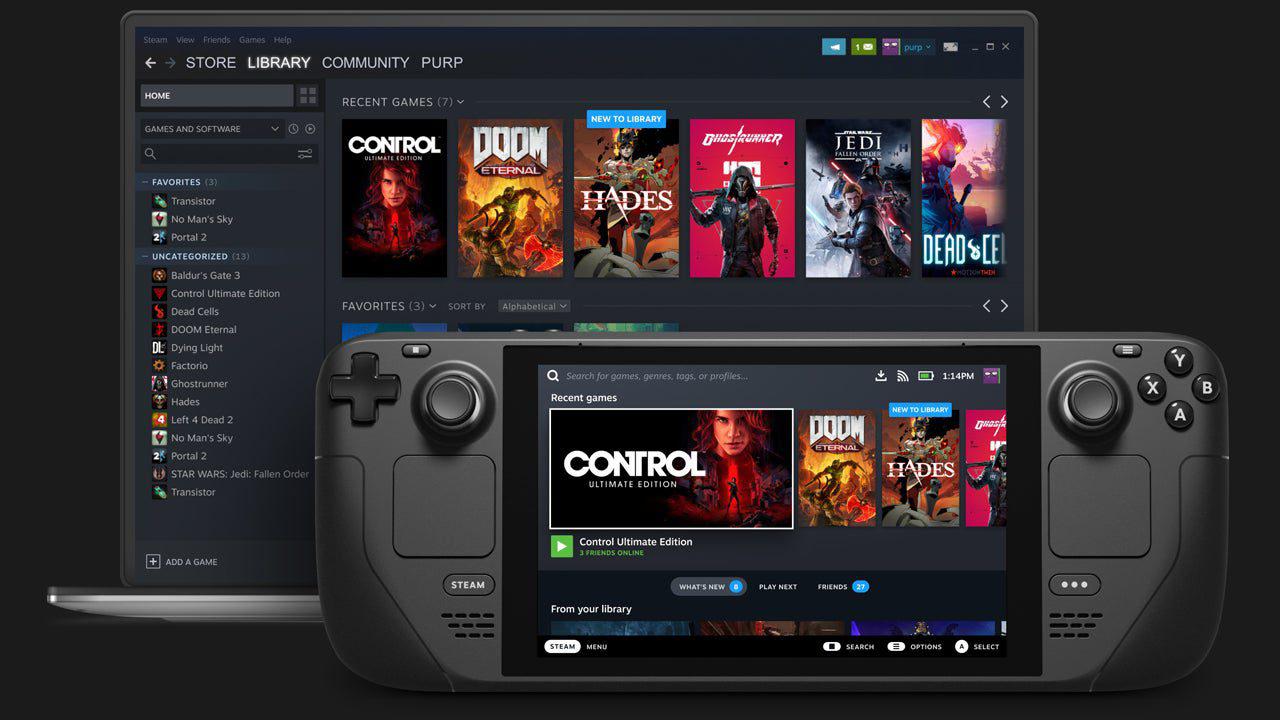
Details about the Leak and When it will Happen
Valve had said before that there wouldn't be much to talk about a Steam Deck successor until at least late 2026. Expectations for announcements remain low in the short term because the new timeframe extends further into the future.
Hardware Limitations and Effects on the Market
The persistent RAM crisis is directly linked to worries about delays. Due to supply problems, the Steam Deck is harder to find in some places right now. Uncertainty about prices and uneven availability continue to slow down adoption.
We can already see how these things affect long-term planning. You might find it hard to stick to production schedules when you can't count on having the right parts on hand.
A Flexible Design Approach Compared to Consoles
One big distinction between Valve and other console makers is how they build their hardware. Steam Deck has a semi-custom system-on-chip and mostly employs off-the-shelf parts with a few changes.
On the other hand, major consoles set their specs years in advance. Companies promise how many chips they will make and how they will be made early on, locking in manufacturing capacity through long-term contracts. Valve has more freedom to make changes based on market conditions.
This flexibility lets Valve change direction. If the delays keep happening, you might see modifications in the processors you can choose from or the performance goals. This could improve the final product.
Possible Benefits of a Delay
A later release might mean better hardware. Steam Deck 2 could have a better chipset if Valve waits until 2029 or even 2030. That would make it significantly more powerful than the current model when it comes out.
We might get better performance and efficiency. You could expect smoother gaming in demanding games, but newer devices would eventually be better.
How well the Steam Deck Works Now
The current Steam Deck is still useful for many things. Indie and AA games run well, while some lighter AAA games operate well enough. You might not be able to get stable performance in tough future games like Elden Ring 2, but the overall usability stays the same.
A Lifecycle Strategy like that of a Console
Valve marketed the Steam Deck as a console-like device rather than a mobile PC that changes frequently. The corporation has focused on a longer life cycle instead of regular improvements.
Compare this to older systems like the PS4 and Xbox One, which stayed popular for a long time. You might see that other handheld PCs come out more often, but Valve's cycle is slower.
The original Steam Deck would fit in well with that long-lasting model if the Steam Deck 2 comes out around 2029.
How to Position Yourself in the Gaming Market
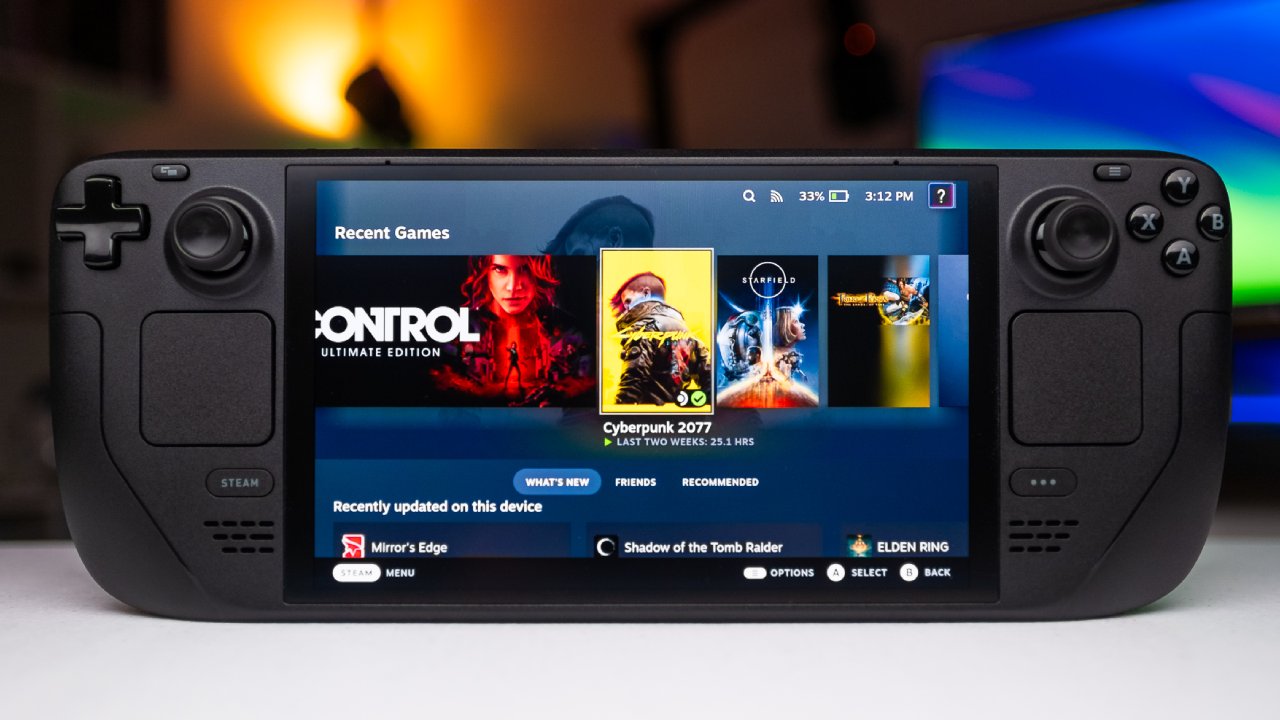
Steam Deck is in a special place between PC and console ecosystems. It works like a portable PC, but it also looks like a gaming console.
It's possibly the fourth pillar of the console world. You might recognize similarities with older handheld devices that let you play games at home or on the go.
Memory Prices and Trends in the Industry
New breakthroughs in AI technology could affect hardware costs. New methods have enabled the use of less memory for large-scale models. This has led to a 30% drop in NAND demand in some areas and a 10% drop in pricing.
We could see this trend keep the market stable. If the trend continues, you might have better availability and lower pricing for parts.
Final Thoughts
The timeframe revealed makes it much more likely that a new Steam Deck won't be released anytime soon. Delays may appear bad, but they could lead to better results with the gear.
We need to be careful with the information because it is still a leak. You shouldn't expect big news right now; instead, you should expect small changes over time. Valve will keep changing its plans based on how the market is doing.
Also, check our other hardware articles:
- AMD Ryzen 9 9950X3D Review: Setting The Standard For 2025 Gaming CPU
- Amazon Luna 2025 Review: Is Prime Gaming's Cloud Service Your Go-To For Casual Fun?
- AMD RX 9070 XT Review: AMD's RDNA 4 Champion for 1440p Gaming
- GeForce Now Ultimate: Ditching Your Gaming PC For Cloud RTX 4080 Power?
- NVIDIA GeForce RTX 5080 Review (2025): Still A 4K Gaming Powerhouse?
- Intel Core Ultra 9 285K Review And Performance Breakdown (2025)
- AMD Ryzen 7 9800X3D Review: 3D V-Cache Goes God Mode with Stunning Gaming Performance
- Intel Core Ultra 9 285K vs AMD Ryzen 7 9800X3D: In-Depth Gaming Performance and Benchmark Comparison
- NVIDIA GeForce RTX 5080 Super Performance In Cyberpunk 2077: Path Tracing & DLSS 4.0 Tested
- AMD Radeon RX 9070 XT In Cyberpunk 2077: Ray Tracing & FSR 4.0 Tested
- Intel Arc B580 Review: The $250 GPU Revolutionizing 1440p Gaming
- Intel Arc B570 Vs. B580: Value, Specs, And Real-World Gaming Performance
- RTX 5090 Laptop Vs. M4 Max MacBook Pro: Ultimate Raw Performance Vs. Battery Endurance
- Intel Arc b580 Vs. RTX 4060: Game Performance And Value Analysis
- RTX5090 Hell Is Us Demo 4K Ultra Benchmark: DLSS Vs. Native Performance Guide
- NVIDIA RTX 5070 Review: Mid-Range Muscle or Marketing Hype?
- Nintendo Switch 2 Review: Handheld Performance, Features & Value Breakdown
- RTX 5070 Ti Review: Performance, Thermals & Power Efficiency Tested
- Samsung Odyssey OLED G81SF Review 2025: Ultimate 32-Inch QD-OLED Gaming Monitor
- AMD RX 9070 Performance Review: Thermals, Clocks, and Real-World FPS
- AMD Ryzen 5 7600 Review: Best Budget Gaming CPU of 2025?
- AMD Radeon RX 7800 XT Review: RDNA 3 Power For Midrange Gaming
- Asus ROG RTX 5090 Astral OC Vs. Founders Edition: The 4K Gaming Benchmark
Editor, NoobFeed
Gaming Hardware Updates
No Data.