
AI Demand Drives RAM Crisis and Disrupts Consumer PC Market
Data center demand continues to distort consumer PC hardware pricing and long-term manufacturing priorities
Hardware by Shinji Okazaki on Jan 25, 2026
This week, the CEOs and board members of several tech manufacturing and AI companies formed a circle around the mutilated and corpse-like body of the consumer PC hardware market. They twisted their bodies and leered as they danced, sealing an awful deal or ritual that sacrificed the once-beloved sector to data center demand.
Of course, this is a metaphor. While this tech disaster is happening in plain sight, the people in charge are trying to ignore objections and make worries about AI's effects on society seem like they are bad for society, even though more and more examples of misuse are coming to light. Putting that aside, the focus shifts to typical tech news that isn't completely shaped by AI.
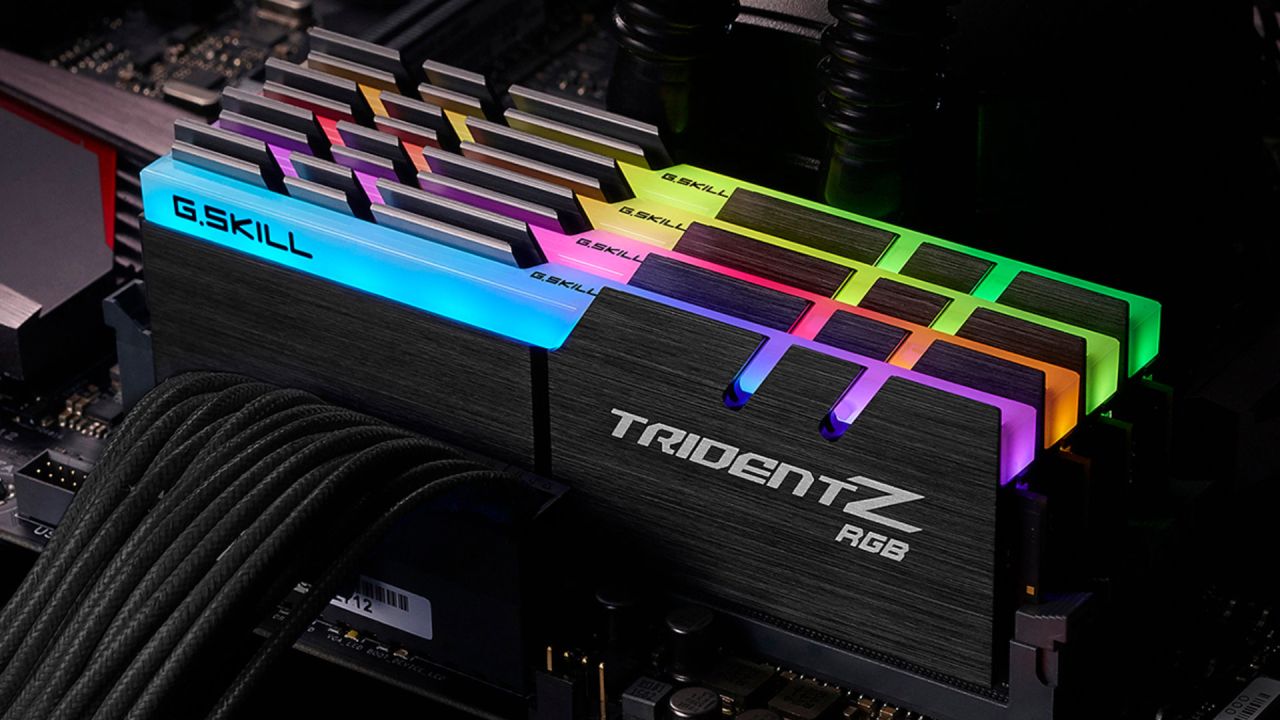
Hardware Shortages and Prices are Rising
There is still not enough hardware for building and fixing PCs. By 2026, the memory scarcity will have spread to storage devices like SSDs and hard drives, as well as video cards. The pattern is clear: prices rise faster when the hardware is higher quality and requires more DRAM or VRAM chips, more NAND flash capacity, or larger GPU dies. This makes many people wonder when things will get better.
This is basically a problem with supply and demand. AI data centers are driving recent demand, and by 2026, they are expected to account for almost 70% of all memory chips produced. People are already reserving output for 2027 and 2028. As a result, additional devices that use DRAM, such as smartphones and cars, are likely to be affected. This will make people even more negative about AI and may speed up a correction in the AI sector.
In 2025, more data center projects were halted because local communities didn't want them. Prices might go down if AI development encounters greater resistance and data center construction slows. Statements from top AI and software leaders indicate they are aware of the growing pessimism about AI. An increase in DRAM supply could also help, but it takes at least 2 years to build plants capable of producing DDR5 wafers. Major memory companies don't want to increase capacity while there are shortages.
Companies like Micron had project plans in place before the shortages began, but these facilities won't be ready until 2028. A new $1.8 billion agreement with Power Chip includes the purchase of an existing DRAM fab clean room, which shortens the lead time. Still, we don't expect to see any real results until the second half of 2027.
The AMD Ryzen 7 9850X3D Launch
AMD's Ryzen 7 9850X3D is set to come out on January 29 at $499, according to company leaders and early sales. Benchmarks show that the 9800X3D has a 3% to 8% faster FPS at 1080p gameplay, a $20 higher MSRP, and a 400MHz higher peak boost frequency. This is reasonable in normal circumstances.
The area around the launch is not normal. There aren't any other big desktop hardware releases coming up, and the RTX 5090 GPU, which would work best with this CPU, is selling for almost $4000, which is $1500 to $2000 more than it was a few months ago. Prices have gone up for more than just the CPU and GPU. SSDs, memory, and even motherboards have all gone up in price.
AMD said that using DDR5 4800 instead of DDR5 6000 results in the 9850X3D's performance declining by around 1%. This makes slower memory a possibility during the price rise, with a 32GB kit costing about $400 compared to $470 for faster kits.
In recent generations, Intel CPUs have had problems, including inconsistent performance and failures in the 13th and 14th generations, as well as the Core200 series not being as well-received. Intel has said that its next big CPU generation will be out in late 2026. This timetable was shared with investors, which shows that they are confident in the projection.
Before then, there will probably be an AeroLake refresh for LGA1851 motherboards that are already out there. This may be called the Core300 series. This update won't introduce any new architecture, and expectations remain low. There are reports that BIOS updates are in the works. Nova Lake, on the other hand, has a novel architecture and a new LGA1954 socket. It is thought to feature a new iGPU and a large last-level cache, putting it in competition with AMD's 3DVCache CPUs. Unlike AeroLake, which uses external manufacturing, Nova Lake will be manufactured fully on Intel's 18A technology.
The Nvidia and AI Data Controversy
NVIDIA has been involved in a scandal over AI training data after claims that its GPUs were not working as well for consumers. Court records show that Nvidia wanted quick access to Anna's Archive, a shadow library with protected material, in order to train language models. People knew about the risks because they were writing to each other. The fact that this behavior was seen by everyone made those risks even greater.
Advancements in Cooling Technology
Cooling technology keeps becoming better. For example, a 3D-printed liquid cooler with no fans or pumps can remove 600W of heat using a two-phase thermosiphon. This is more than the 575W TDP of an RTX 5090. The design is meant for data centers, where much of the money and time is spent on development. The technology is interesting, but it's unclear whether people will use it.
What Executives Think About AI's Effectiveness
A recent poll of 4,454 CEOs found that 55% said AI products didn't help them at all. At the same time, approximately one-third reported a return on investment. The conclusion showed that using AI more widely could lead to better results, but this is still up for debate. The mixed results indicate that people remain unsure about how AI might help operations.
Final Thoughts
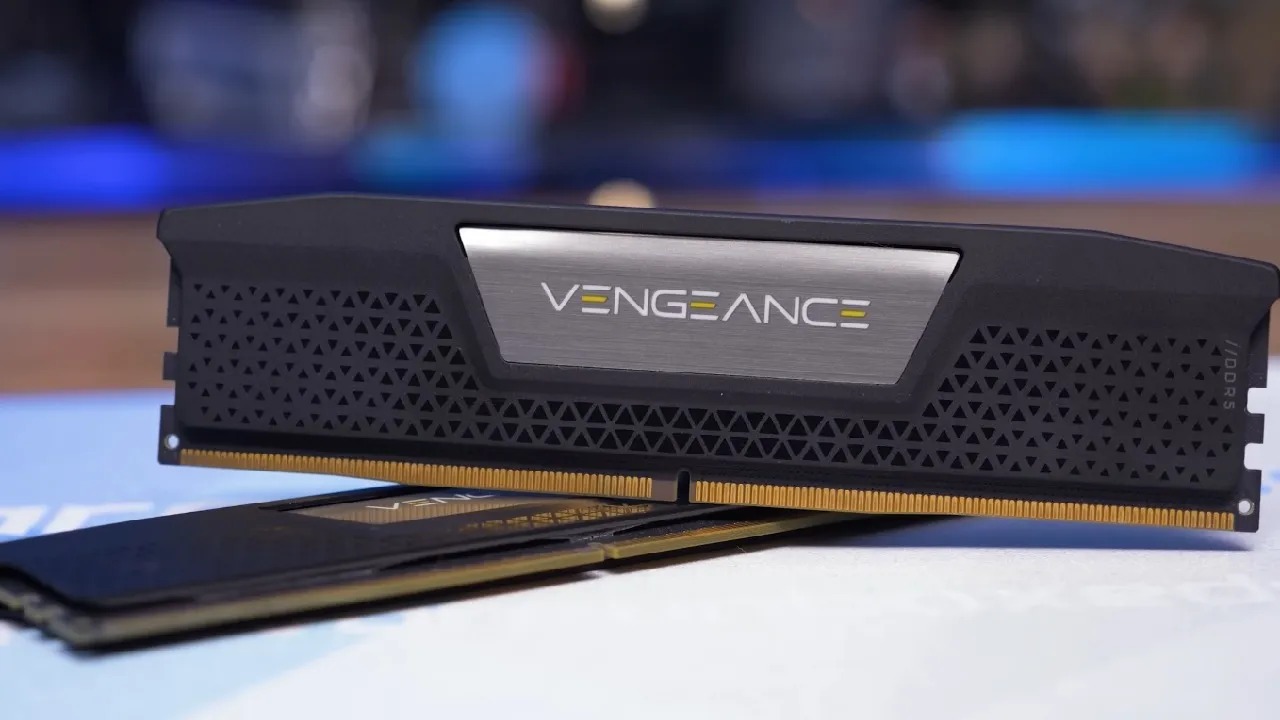
When Corsair priced a 48GB DDR5 kit wrongly at $240, the company said sorry. A lot of people's orders were canceled because the company said they didn't have enough stock and would no longer be making the things. At first, the business sent out a coupon for 15% off that had the wrong end date. Then they sent out a new code good for 40% off. It became clear that communication wasn't always good, which made people unhappy. Corsair's statement admitted there was a problem and said they were sorry.
Also, check our other NVIDIA articles below:
- NVIDIA GeForce RTX 5080 Review (2025): Still A 4K Gaming Powerhouse?
- NVIDIA RTX 5070 Review: Mid-Range Muscle or Marketing Hype?
- RTX 5070 Ti Review: Performance, Thermals & Power Efficiency Tested
- ASUS GeForce RTX 5090 LC Liquid Cooled GPU Review: Unmatched Silence & Speed
- MSI GeForce RTX 5090 32GB SUPRIM SOC Review: Power Efficiency, Cooling, and Gaming Performance
- INNO3D RTX 5060 Ti 16 GB X2 Review: Gaming Benchmarks, Temps, and Power Efficiency
- HP Omen 45L Review: RTX 5090 Performance, Thermals, and Value Analysis
- ASUS TUF Gaming GeForce RTX 5060 Ti Review: DLSS 4, Power Efficiency, and Gaming
- ASUS Prime RTX 5060 Ti OC 16GB Review: DLSS 4, Ray Tracing, & Thermals Tested
- NVIDIA GeForce RTX 5060 Review: Specs, Gaming, and Cost per Frame
- MSI GeForce RTX 5090 GAMING TRIO OC Review: A Monster Power GPU
Editor, NoobFeed
Gaming Hardware Updates
No Data.