
$457M Lawsuit Targets Sony's 30% Digital Store Commission
Ditching discs was supposed to be a quiet business move. Instead, it's turned into a legal mess that could reshape how you buy games forever.
News by Mymunah Tasnim on Jul 14, 2026
If you've been keeping tabs on PlayStation lately, you already know Sony is in some serious trouble. A Dutch consumer group has slapped the company with a lawsuit worth roughly $457 million, and the timing couldn't be worse for Sony.
This all comes right as the company confirmed it's walking away from physical games entirely, starting January 2028. After that date, no new PlayStation titles will get a disc release. Everything moves to downloads only, and a lot of people are furious about it.
The group behind the lawsuit says it's representing about 1.7 million Dutch PlayStation owners.
Their argument is simple: prices on the PlayStation Store have gotten out of hand, and Sony's grip on how games get sold is a big part of the problem. Given how these cases have gone for Sony before, this one has a real shot at succeeding if it goes the distance.
None of this is coming out of nowhere, either. This lawsuit didn't just appear this week; it's been building for a while now. A group called Stichting Massaschade & Consument first summoned Sony to court in the Netherlands last year, and Sony responded to it at the time.
Since then, the situation has kept developing in the background. But the recent announcement about killing off physical games essentially poured gasoline on it. Now that Sony is pushing everyone toward digital purchases whether they like it or not, it plays right into the exact argument this lawsuit is built around: that consumers are getting cornered into paying whatever the PlayStation Store decides to charge.
Here's the thing about Sony's official reasoning. The company claims it's dropping physical games because that's what customers supposedly want. Strip away the corporate language, though, and what they're really saying is that producing discs costs money, and it's a lot more profitable to funnel everyone into digital games instead. That's the real motivation, even if it's not phrased that way in press releases.
Gaming has been a part of daily life for close to four decades at this point, across every major platform out there.
XBOX, Nintendo, Valve on PC, and PlayStation have all gotten plenty of support over the years, and that kind of long-term investment matters when talking about a decision like this. Owning a PS5 Pro and a massive stack of physical PlayStation games isn't just a talking point; it's proof that this isn't some outside opinion with nothing on the line.
And from that perspective, killing off physical games is one of the worst calls Sony could make. It's a mistake that could end up haunting them for years if they don't reverse it. You'll hear people repeat the line that most customers already buy digital anyway, since that's the stat companies love to throw around.
But companies rarely give you the full picture. They tell you what supports their decision, not what actually reflects reality. When you look closer at big AAA releases specifically, the ones that actually get proper physical editions, a huge chunk of buyers still choose the disc over downloading.
Sony could release that breakdown publicly if they wanted to prove their point, but odds are the physical-to-digital split on major titles leans a lot more toward physical than they're letting on. None of this means digital revenue doesn't matter. PSN and PlayStation Plus bring in serious money, and that isn't going away.
Making digital sales strong doesn't require getting rid of physical games completely.
Both formats have coexisted just fine for years, and there's no real reason that they have to change now. Killing physical games is going to cause problems well beyond this one lawsuit. Expect more legal challenges, a lot of angry fans, and higher prices across the board, even for people who only ever buy digital anyway.
Physical copies often go on sale in ways that digital pricing on the PlayStation Store doesn't match. That's not saying digital deals won't exist, but having a physical option gives you the freedom to shop around and grab a game when the price is actually right, instead of waiting around for a company to decide when a discount happens.
Look at how this plays out with Nintendo as a comparison. People complain that Nintendo doesn't discount its games enough, and that you're stuck paying sixty or seventy dollars for something that came out years ago. But that's only true if you're only looking at the eShop.
Nintendo has openly stated that retailers are free to set their own prices, and that's exactly why physical copies of Nintendo games show up cheaper all over the place, OfferUp, Facebook Marketplace, eBay, yard sales, swap meets, you name it. That secondhand physical market has kept Nintendo pricing flexible for decades, even without official sales.
There's real value that physical games provide.
If the digital price on something like The Legend of Zelda: Breath of the Wild or Animal Crossing doesn't sit right with you, there's almost always a physical option out there for less. You're not locked into whatever number shows up on the eShop or the PlayStation Store. Once physical games disappear completely, that entire safety net goes with it.
This decision comes at a particularly risky moment for Sony, too. The goodwill built up during the PS4 years has already taken a hit throughout the PS5 generation, and now there's talk of a PlayStation 6 priced above a thousand dollars. Combine that with a long cross-generation period where most developers will keep optimizing for PS5 simply because that's where the install base sits, and you've got a rough setup for the next console launch.
This isn't meant as doom and gloom for the sake of it; it's a legitimate risk if Sony doesn't course-correct and win back some trust. Some people assume Nintendo can't compete because of weaker hardware or less Western third-party support, but that gap is shrinking fast. The Switch 2 is already outselling expectations, and it's landing games like Resident Evil Requiem, Pragmata, Onimusha, and Final Fantasy VII Revelation.
Cheaper development costs on that platform could easily convince more studios to shift focus there. And offering physical versions, even in the form of game-key cards, still beats giving players nothing but a code-in-a-box. Full cartridge releases would go even further in winning over the Nintendo crowd, especially with the platform's install base climbing right as PlayStation faces backlash.
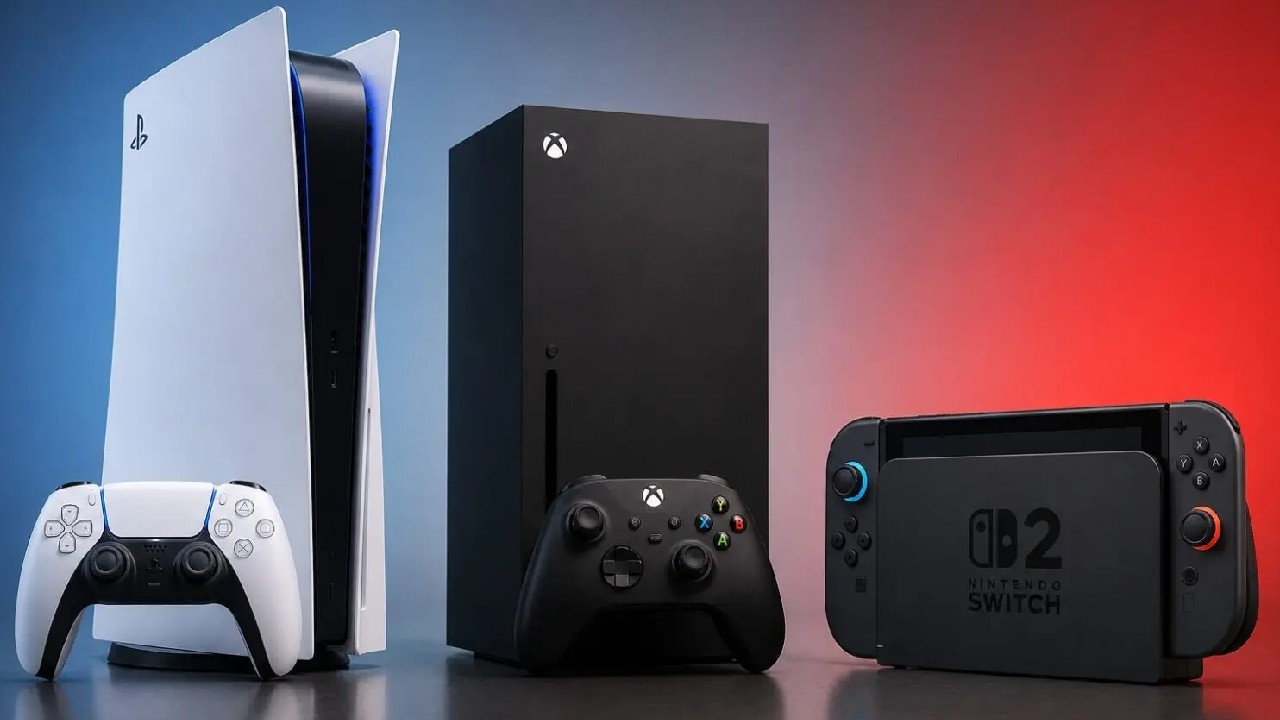
More and more players are already talking about moving over to PC or Switch 2 because of this.
If Sony believes there won't be any real consequences here, especially heading into a thousand-dollar console launch during a rocky transition period, they might be leaning too heavily on the assumption that PSN loyalty is permanent. That kind of loyalty can fade fast if people feel like they're being pushed around.
History backs this up, too. Look at what happened going from the XBOX 360 into the next generation, or from the Wii to the Wii U. Momentum can shift in a hurry when a company misreads its audience. Whether Sony actually reverses this decision remains to be seen, and there's no guarantee they will.
But between the mounting lawsuits and the growing frustration from longtime PlayStation supporters, this isn't something that's going to quietly go away. People are not going to sit back and accept losing physical games without pushing back, and Sony may end up learning that the hard way.
Editor, NoobFeed
Related News
No Data.