
Global Shortage and the Fight Over RAM Prices
How the sudden surge in artificial intelligence infrastructure and a tightly controlled global manufacturing market are driving up the cost of everyday computer memory.
Hardware by Elme Dhee on Jul 13, 2026
RAM used to be one of the least stressful parts of building a gaming computer. You would pick 16 or 32 gigabytes, check motherboard compatibility, and move on with your build. Over the past year, memory prices have started moving in a completely different direction. Contract prices have surged, older DDR4 products are becoming harder to source, and manufacturers are heavily prioritizing servers and artificial intelligence infrastructure.
The situation has now escalated far beyond angry internet forum posts and frustrated system builders. Samsung, SK Hynix, and Micron, the three massive entities controlling nearly the entire global market, have been hit with a proposed class-action lawsuit.
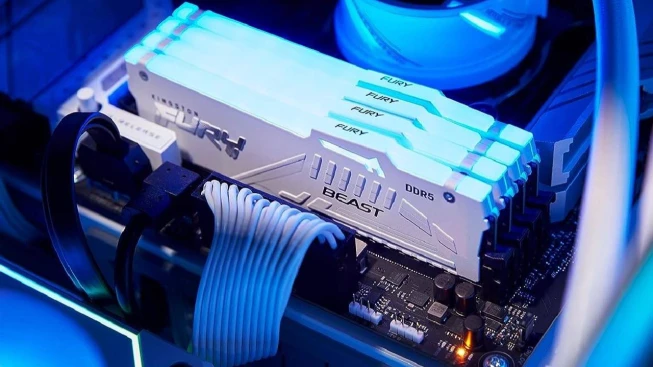
This legal action accuses them of deliberately restricting supply and inflating costs for everyday buyers. While these allegations remain unproven, the economic reality is incredibly stark for consumers looking to build or upgrade.
Inside the Massive Tech Oligopoly
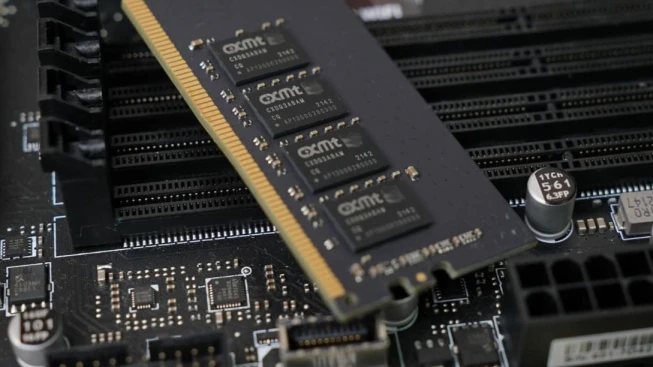
To understand why desktop and laptop memory is getting so expensive, you have to realize that the market is much smaller than it appears on store shelves. Walk into a computer shop, and you will see memory sold under dozens of different brands. Corsair, Kingston, G.Skill, Team Group, and Patriot all sell popular kits. Most of these businesses do not actually manufacture the physical memory chips housed inside.
The semiconductor components themselves overwhelmingly come from just three global suppliers. Industry data shows that Samsung, SK Hynix, and Micron command roughly 90 percent of the global supply chain. Building a serious manufacturing operation is incredibly difficult, requiring cutting-edge fabrication plants and tens of billions of dollars. Because expanding production takes years, there is no small independent challenger waiting to flood the market.
The Massive AI Infrastructure Squeeze
There is a legitimate economic explanation for at least part of this sudden RAM pricing crisis. Modern artificial intelligence requires an absurd amount of processing memory to function. AI accelerators use high-bandwidth memory, which allows enormous quantities of data to move quickly between components. Major tech corporations are investing massive sums to rapidly expand this intelligence infrastructure.
The core problem is that high-bandwidth memory and conventional computer memory compete for the same manufacturing resources in factories. When a manufacturer assigns more facility capacity to profitable server products, less space is available for ordinary desktop memory, laptops, and smartphones. Industry forecasts indicate standard memory contract prices will rise by over 50 percent in a remarkably short timeframe.
What the Latest Antitrust Lawsuit is All About
The latest filing raises the question of whether these companies are simply responding independently to market forces or colluding to worsen the shortage. The lawsuit accuses the three manufacturers of violating antitrust law by coordinating restrictions on conventional memory supply. The complaint alleges that the entities used the massive transition to AI hardware as a convenient cover.
The lawsuit alleges that the manufacturers simultaneously cut production, allowing standard memory prices to rise dramatically over the last few years. Upstream chip prices do not always translate immediately into identical retail increases, but there is clear evidence that consumer products are being squeezed. The core of the legal argument is that a genuine increase in enterprise demand created the perfect opportunity.
The Balancing Act of Global Production
There is another side to the story, as producing too much memory can be financially disastrous for semiconductor companies. This industry has historically experienced brutal boom-and-bust cycles. When manufacturers expand too aggressively, the market becomes oversupplied, RAM prices collapse, and billions of dollars can disappear in a matter of months. This occurred during a major downturn when excess inventory crushed corporate profits.
From a corporate perspective, moving capacity toward high-value infrastructure looks like basic business logic rather than a conspiracy. Enterprise clients are demanding advanced hardware, signing massive long-term agreements, and contributing money upfront toward future factory capacity.
When business clients offer guaranteed long-term contracts for highly profitable products, corporations have little incentive to use scarce factory space for legacy consumer components.
What This Means for Everyday Buyers
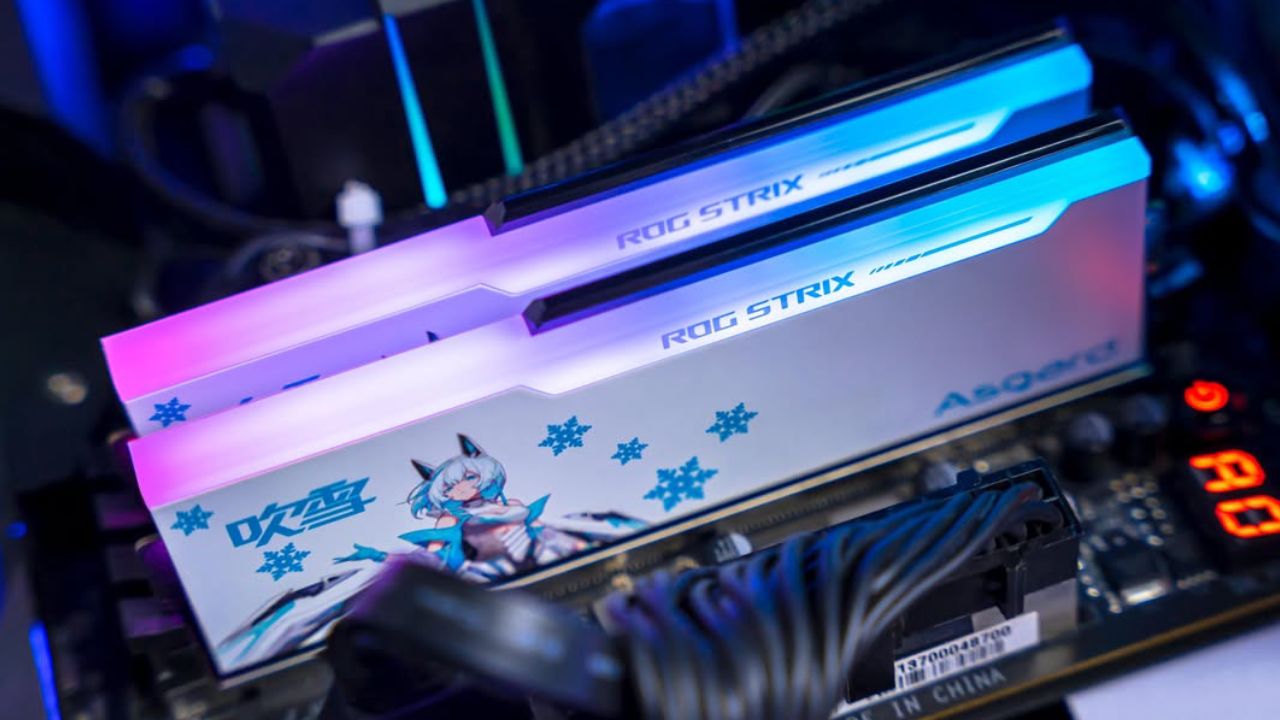
Even though the legal battle of these RAM prices focuses on the raw manufacturing chips, the ultimate ripple effect travels through the entire technology industry. Higher memory costs can easily increase the final retail price of desktop upgrades, mobile devices, and pre-built systems. Manufacturers may also choose to avoid direct price increases by quietly reducing the hardware specifications of their retail products.
Furthermore, older computer systems are not protected from this pricing pressure. This completely reverses the typical trend of aging technology becoming increasingly cheap. The supply of legacy parts suddenly becomes more expensive, not less.
As large manufacturers drop mature parts in favor of new server hardware, older components become a limited commodity. The everyday consumer may find that upgrading a personal computer is no longer an affordable possibility.
Editor, NoobFeed
Latest Articles
No Data.