
AMD 9850X3D Pricing Revealed as Nvidia and Intel Face Major Industry Shakeup
AMD unveils aggressive 9850X3D pricing as industry tensions rise across gaming CPUs and graphics hardware markets.
News by Masaru Hoshino on Jan 25, 2026
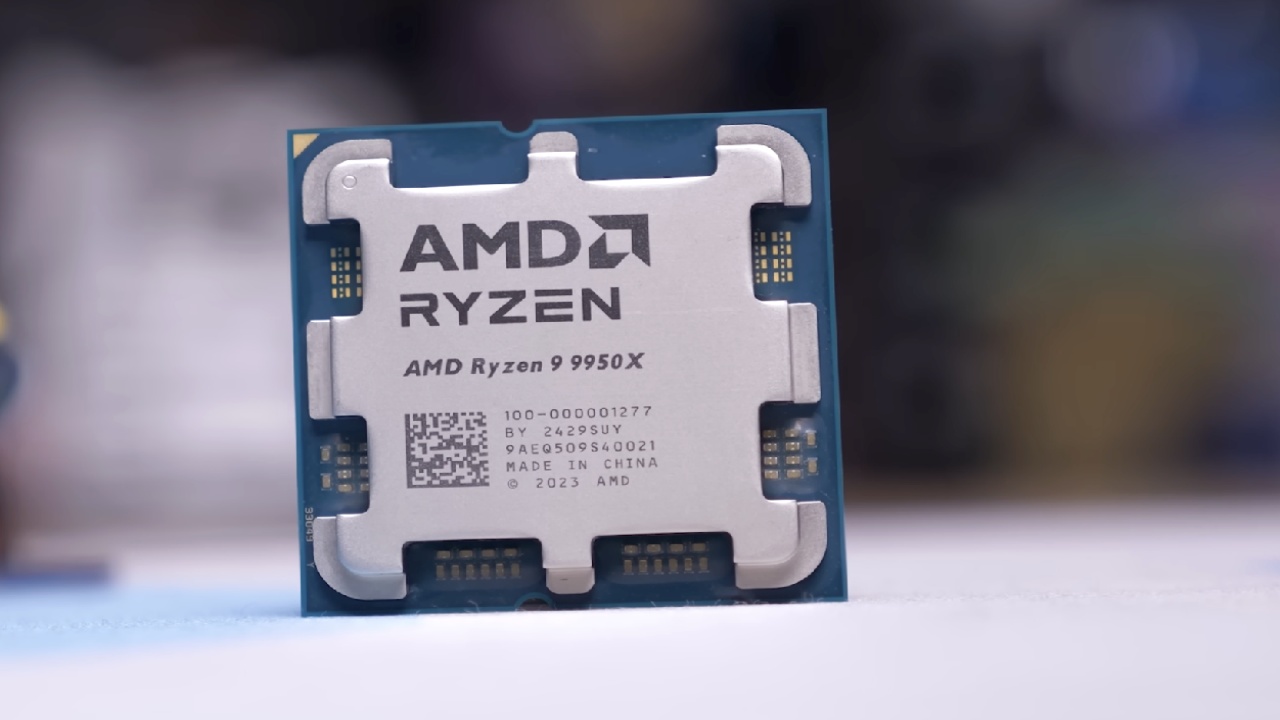
AMD has officially revealed pricing and availability for the upcoming Ryzen 9850X3D. This new gaming CPU is very similar to the 9800X3D. It features eight cores and 16 threads, the same cache configuration, and clocks that are 400 MHz higher. That positions it as the fastest gaming CPU ever, at least on paper.
Given that the absolute fastest chips usually come with a high premium, expectations were set for a steep price. Historically, binned CPUs with guaranteed clock speeds have sold for up to 50% more than standard models. Because of that, the announcement came as a surprise.
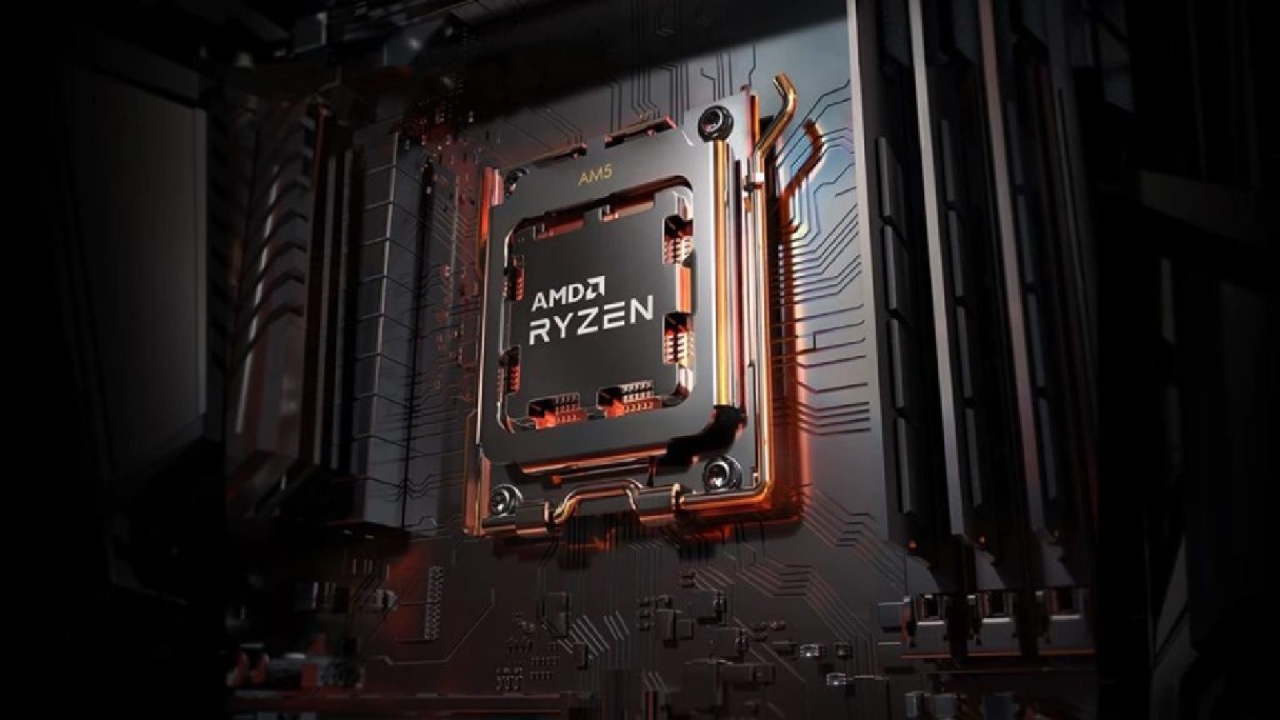
AMD's David McAfee confirmed that the Ryzen 9850X3D will launch at $499, which is only $20 more than the 9800X3D's MSRP.
While the 9800X3D has dipped slightly below MSRP since launch, current pricing still sits close to that mark. As a result, the new price point looks reasonable. Final judgment will depend on reviews, but availability will not be far off. The official release date is set for January29.
NVIDIA has made a decision that could significantly impact GPU pricing. The information comes from a recent report by a well-known overclocker and YouTuber, who discussed Nvidia's OP program with board partners. OP reportedly stands for Open Price Program.
Under this program, Nvidia offered cash back to add-in-board partners, allowing them to sell GPUs at MSRP. Without that support, selling at MSRP would be nearly impossible due to manufacturing and component costs. The program effectively ensured that Nvidia's advertised prices were achievable in the market.
According to multiple sources, Nvidia has now ended this program. That change means upcoming RTX 50 GPUs are likely to launch at prices well above MSRP, making the listed prices largely meaningless. Memory price increases may be part of the reason. Regardless of the cause, the result points to significantly higher GPU prices overall.
There is a growing belief that this system gave Nvidia tighter control over its partners, which may help explain why some long-standing partners exited the market earlier. The removal of this price support puts even more stress on an already weak GPU market. Some chips are already feeling the effects of manufacturing reduction.
AMD has also directly attacked Intel since Intel's CES2026 presentation. Intel released its Core Ultra Series 3 Panther Lake CPUs and made several big boasts about how well they would perform. AMD then released a set of slides that clearly challenged their assertions.
AMD says directly on one slide that it beats Intel's Core Ultra X975 in both content creation and gaming. The phrase is very direct; it says "AMD wins" rather than using gentler marketing language.
AMD says that Ryzen AI400 processors are better for making content and playing games than other thin-and-light notebooks, but worse for graphics. That comment makes me wonder, since graphical capability is usually a big part of how well a game runs. One probable reason is that some setups have separate GPUs.
The most aggressive comparison targets Intel's flagship Core Ultra X9 388H. This chip features 16 cores split into four performance cores, eight efficiency cores, and four low-power cores, along with 12 Xe graphics cores based on Intel's new architecture.
Intel claims that the 388H is 73% faster than AMD's competing chip on average. AMD fired back by stating that the Ryzen AI Max 395 Plus delivers 37% faster graphics performance than the 388H. Intel said that its comparison employed the same power and memory settings as the HX370.
Ryzen AI Max 395 Plus may also be set to 45W, which is the same as Intel's test settings. This means that the memory configuration is the only thing that could change.
It's still not clear how the prices compare. The Dell XPS16 with the 388H costs $2350, and a similar AMD-based ROG Flow configuration costs about $2400. The ROG system has 64GB of memory, whereas the XPS only has 32GB. Because the two systems are shaped differently, it's hard to compare them directly. Official chip prices and wider availability will be needed to draw clearer conclusions.
AMD also pointed out that the 395Plus had twice as many processor threads. That argument doesn't hold up as well because core numbers alone don't determine performance across different architectures. In the end, real-world benchmarks matter more.
Intel says it is the best at x86 power efficiency. At the same time, AMD refers to Intel's own research indicating that Lunar Lake doesn't make much of a difference. AMD doesn't openly say how Intel's presentation downplays its own achievements, but it's apparent what they mean.
AMD ends by saying that the Ryzen AI 400 range has big wins in processing and graphics, even though some of its own slides show graphical losses in some situations.
Independent benchmarks will be the final word, just like with other vendor assertions. For now, competition between AMD and Intel appears to be heating up again, which is a positive sign for the market. At the same time, Nvidia's pricing changes raise concerns about the future cost of GPUs.
Whether you are more excited about renewed CPU competition or more worried about rising GPU prices, the next round of reviews and launches will be critical in shaping what comes next.
Editor, NoobFeed
Related News
No Data.