
Mixtape Backlash Sparks Debate Over Gaming and Industry Influence
Critics question whether the heavily promoted title is a genuine indie success story or another example of corporate power shaping gaming narratives.
News by Wasbir Sadat on May 19, 2026
The Mixtape quickly became one of the year's greatest debates in the gaming world, sparking passionate discussions across social media, gaming groups, and sites. Many reviews described the game as an emotional and artistic experience, but more and more gamers are speaking out against what they consider an over-the-top, phony campaign against the project.
This dispute was fueled by the fact that few prominent gaming journals gave the game glowing reviews. Some reviewers even declared it a genuine contender for “Game of the Year.” A lot of gamers were surprised by that answer, especially since Mixtape generally doesn't have much gameplay. The game is mostly about cinematic stories, interactive scenes, music-driven sequences, and not letting the player do much.
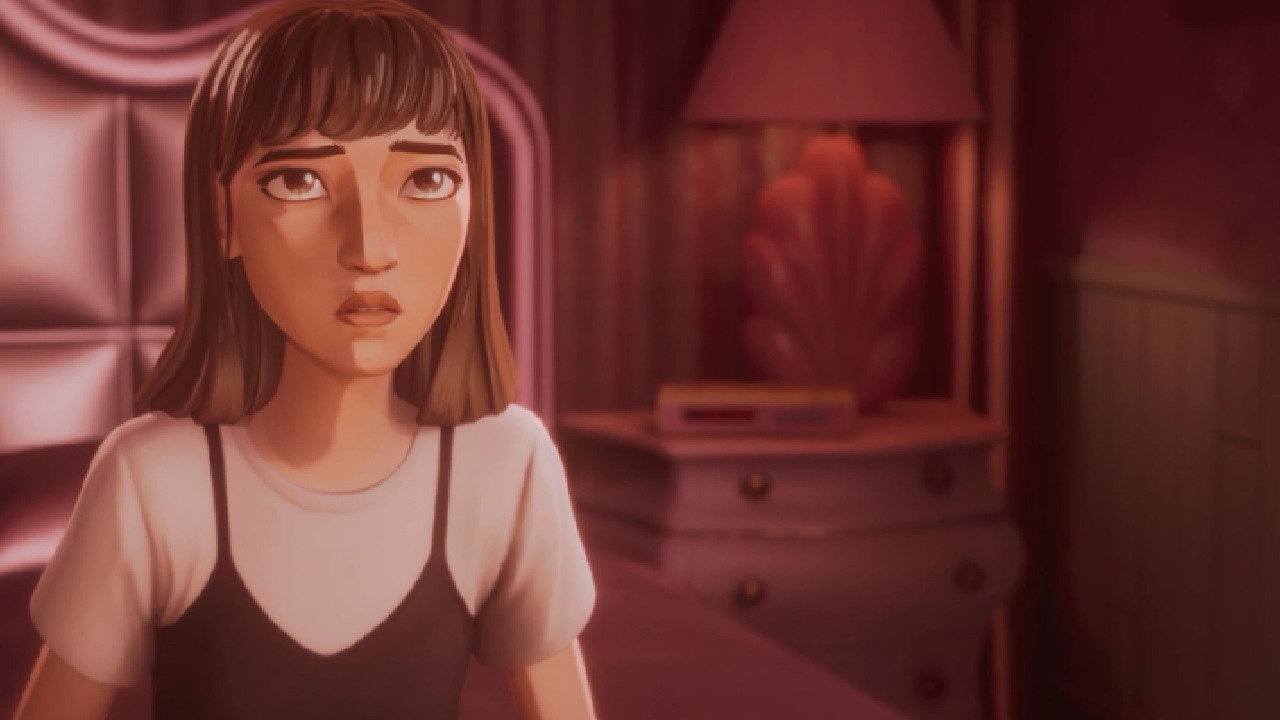
Many online reviewers say the game feels more like an interactive movie than a typical video game.
Online gameplay videos, which added to the criticism, showed that the focus was more on conversation, scripted moments, and stories that made people feel nostalgic than on mechanics or new ideas. When larger gaming sites and publications began publicly defending the game against online criticism, the topic could no longer be ignored.
For some players, it was never just a matter of whether Mixtape was good or bad. Instead, the anger was directed at how aggressively the game seemed to be pushed across the business, even though it had only a small audience. A big topic of conversation was also how the game relied on a licensed soundtrack with songs from the 1990s.
Some reviews felt the game relied too much on nostalgia and mood to carry the experience, while others pointed to its strong emotional storytelling and presentation as its best qualities. The project came under increasing criticism, and the focus shifted to the firm's funding of it. Mixtape is developed by Beethoven & Dinosaur and published by Annapurna Interactive. Annapurna Interactive is known for publishing story-driven indie games.
But online, things got heated when players pointed to Megan Ellison's past, the founder of Annapurna Interactive and the daughter of Oracle Corporation Larry Ellison. Critics used this connection to claim that the game was not, in fact, an independent amateur endeavor, but rather one with significant financial backing and industry reach.
That story quickly spread through the gaming community, and some people said that the media were unfairly covering Mixtape because of the publisher's power. When people started comparing Mixtape to real small, independent success stories that grew popular with fans rather than big-label promotion, the criticism got really nasty.
Many angry gamers see this as a sign of a larger lack of trust in current gaming journalism.
Some gamers say gaming media sites are losing interest in what ordinary gamers want and are more concerned with pushing industry articles than showcasing what players think. Additionally, resurrected old questions regarding the credibility of game media. Some newspapers were accused of overvaluing niche art titles and ignoring community backlash whenever there was an internet backlash.
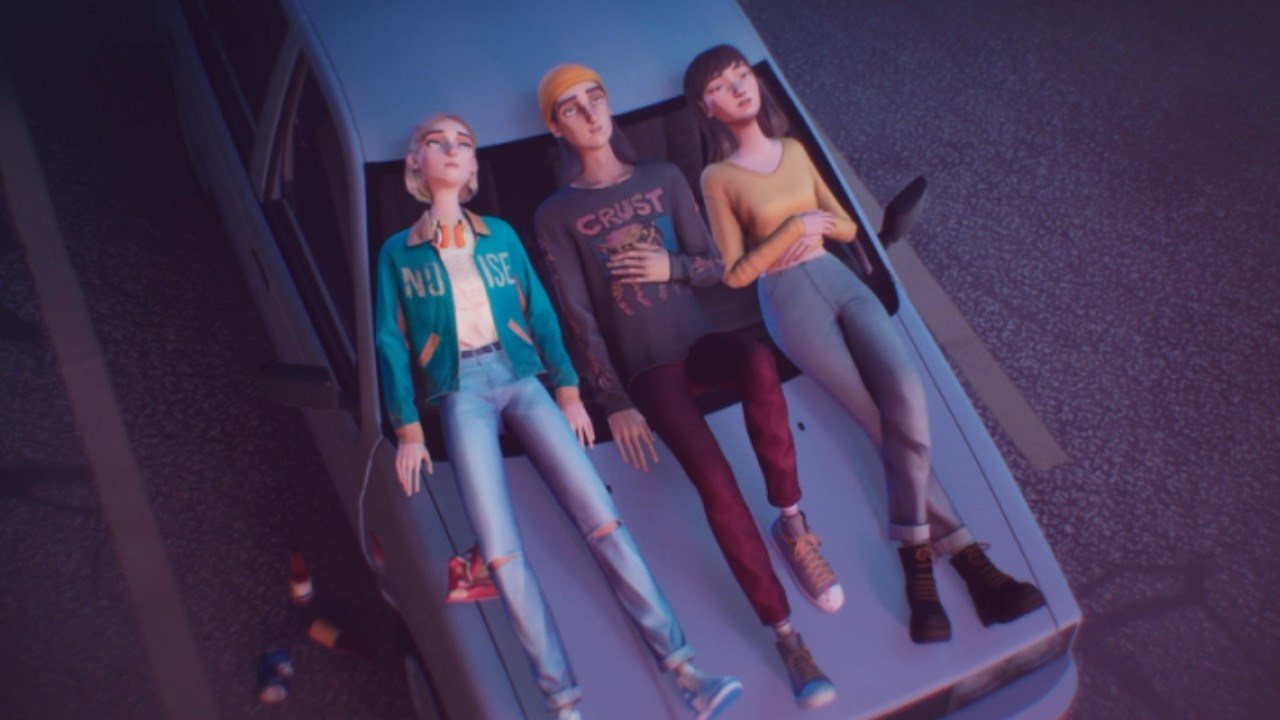
The reception of the Mixtape has sparked a broader discussion regarding the dynamic between gaming journalists, publishers, and fans. Some observers argue that contemporary gaming media frequently dismisses player critique as ‘toxicity’ and refuses to engage with meaningful critique of the industry's functioning.
A report has also highlighted how outraged gamers are becoming over what many regard as corporate dominance of gaming culture. Critics believe that large publishers and wealthy investors use marketing alliances and media connections to try to influence gaming trends, how critics assess games, and what people discuss in general.
But others claim the hatred over Mixtape has gone well beyond the game itself. Fans of the game believe that many reviewers unfairly attack story-driven games only because they are different from other games that are focused on gameplay. Despite its criticism, Mixtape is still getting a lot of good reviews from gaming media.
Some reviews even state that the game's story, graphics, and music are superb. It’s one of the most polarizing video game launches of the year thus far, with people having very varied thoughts about it. The uproar grew even more heated when word broke about the game's music licensing deals. Online conversations say the soundtrack was licensed forever, meaning the game's music rights would not expire.
That detail became another topic of discussion among critics.
They said it would be hard for most independent companies to afford permanent licensing rights to major music tracks. People quickly compared it to bigger series like Grand Theft Auto, which has had to remove songs from re-releases in the past when licensing agreements run out.
Some say the reaction is indicative of how bitter the online debate around video games has become, especially for games that prioritize artistic storytelling, identity, or cinematic presentation over competitive gameplay. One thing's for sure: Mixtape has developed into much more than a modest niche release. has become a talking point across the whole gaming world, whether viewed as an artistic achievement, a funded exercise in excess, or yet another flashpoint in the culture conflicts within the gaming community.
As the year progresses and more anticipated, bigger games are released (Grand Theft Auto VI), many players don't think Mixtape will be able to sustain its "Game of the Year" hype. But the dBut discussions around the game have already altered how people talk about gaming journalism, the power of businesses, and the industry's future.
Contributor, NoobFeed
Related News
No Data.