
The Legend of Zelda: Ocarina of Time Remake Could Feature a More Realistic Visual Style on Switch 2
Fans are discussing realism art style, and what the rumored Nintendo Switch 2 Ocarina of Time Remake could look like on modern hardware.
News by Adeela Tas on May 31, 2026
Rumors of a Legend of Zelda: Ocarina of Time Remake are rampant, especially in the context of a potential Nintendo Switch 2 release. Nintendo has not commented, but discussion now focuses on how an Ocarina of Time Remake could look on new hardware. Looking back at the original The Legend of Zelda: Ocarina of Time on Nintendo 64, there is still something special about how the game looks.
And despite hardware limitations, Nintendo did remarkably well in 1998. Years later, Ocarina of Time is still one of the most iconic and influential games in the series. The Legend of Zelda: Ocarina of Time 3D on the 3DS proved that Nintendo can take a classic and update it without losing what made it, well, classic. Nintendo Switch 2 to have additional power for a bigger visual upgrade.
.jpg)
This is often compared to Nintendo's recently released Star Fox strategy. Nintendo, though, it seems, is not just porting classic games to the rumored Switch 2, but also planning to revive them. The new Star Fox looks like how players think of the 1997 game, not how it really was. The Star Fox Remake also brings changes. Character designs look more realistic, with updated anatomy.
With more power from Nintendo Switch 2, Nintendo could move toward realism.
That idea may seem surprising given recent Zelda games. Both The Legend of Zelda: Breath of the Wild and The Legend of Zelda: Tears of the Kingdom adopted a stylized cel-shaded art style inspired by Studio Ghibli, eschewing realism for a colorful, dreamlike aesthetic. Skyward Sword did something similar, but in a softer, painterly style.
But look further back, and The Legend of Zelda: Twilight Princess took a very different approach. Twilight Princess was inspired by The Lord of the Rings, so it was supposed to be darker and more realistic in its visuals. That change was partly a reaction to The Wind Waker, which went for a very stylized, cartoony, cel-shaded look.
Wind Waker's cel-shaded, cartoony style was a massive departure from Ocarina of Time and Majora's Mask, and surprised many Zelda fans. Later games used cel-shading as well, but with less exaggerated, more balanced visuals. This matters for an Ocarina of Time Remake discussion. The Nintendo 64 had visual limits.
So Nintendo’s vision may not always be what players remember about Ocarina of Time. If you look back to Ocarina of Time and Majora’s Mask, you can see bright colors, whimsical environments, and memorable characters. But both games also have another face. Death, loss, danger, and mystery are woven throughout their worlds.
Some of that darkness may have been amplified by the technical limitations of the time, but it is still a defining part of their identity.
There's a different vision in the original concept art for Ocarina of Time. It's not photo-realistic, but it also looks quite different from The Wind Waker or Skyward Sword. There's a balance between colorful fantasy elements and a sense of seriousness and darkness underneath. Characters like Ganondorf were never meant to be cute or playful. Instead, they carried a more imposing presence.
The original concept art may be the best guide for a Switch 2 remake. Updating the mood and style using modern technology could create a different experience from both Ocarina of Time 3D and the original. There are already several examples of Nintendo exploring the Hero of Time in different forms. The famous Space World GameCube tech demo showed what many fans imagined Ocarina of Time could become with more powerful hardware.
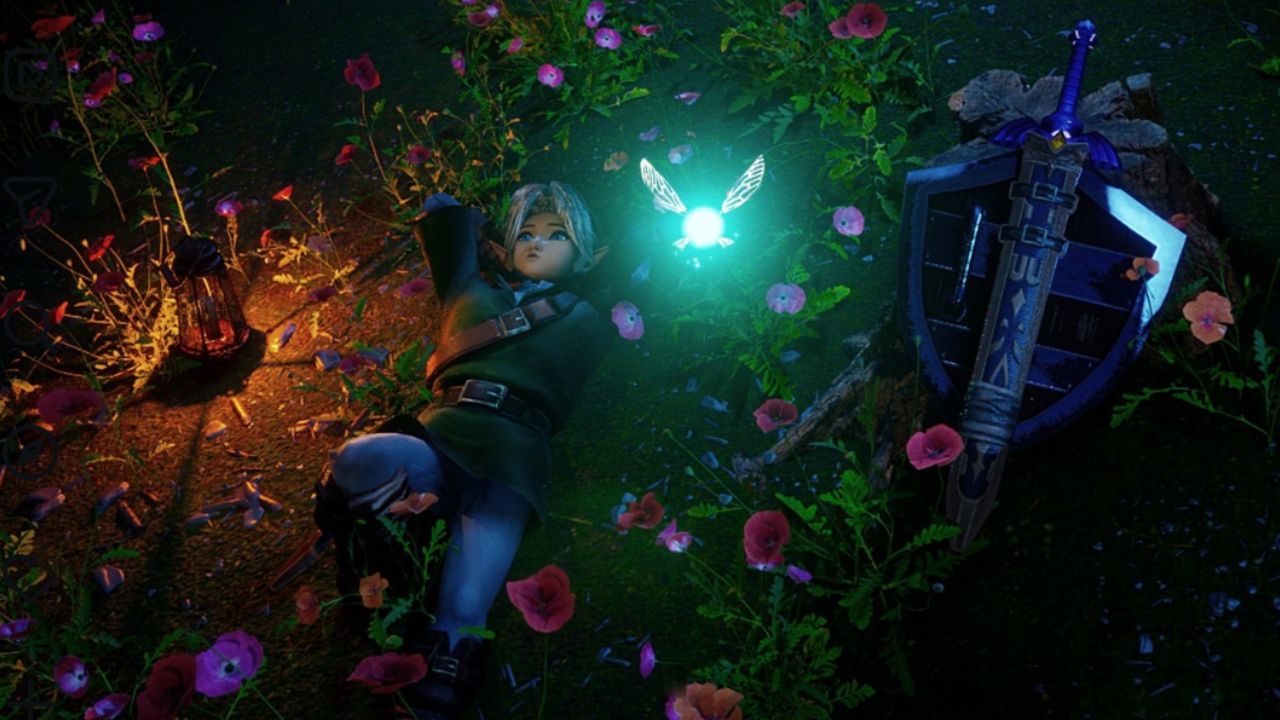
Link's appearance in Soulcalibur II offered another interpretation, while Nintendo's CGI promotional footage for Ocarina of Time 3D presented yet another version of the character. Even so, a full remake of the Nintendo Switch 2 would likely surpass all those earlier examples. When thinking about what new technology could do for Hyrule's landscapes, many fans compare Ocarina of Time to modern games like The Elder Scrolls IV: Oblivion Remastered.
Others point toward Demon's Souls as an example of a more realistic fantasy presentation. A remake of Ocarina of Time probably wouldn't be as dark and gritty as Demon's Souls, but some of those visual tricks and environmental details might work. Fan-made recreations also present interesting possibilities. One UE5 remake of Hyrule Castle is flaunting detailed lighting, atmospheric effects, weather systems, fog, and realistic environmental interactions.
The project is more inspired by Breath of the Wild than Ocarina of Time, but it shows the kind of world-building Nintendo could achieve on Nintendo Switch 2. And then there are realistic shadows, mist, better day/night cycles, and other graphical effects. The movement of clouds and changing sunlight would add to a richer Hyrule. These include visual technologies that mimic natural lighting and atmospheric conditions.
Importantly, these improvements would not require a fully realistic art style. They could enhance nearly any visual direction Nintendo chooses to take.
Some creators have envisioned Ocarina of Time with a Studio Ghibli-inspired look. Since Breath of the Wild was influenced by Princess Mononoke, it is easy to imagine expanding on those ideas for a remake. While such a direction would be very different from the original artwork of Ocarina of Time, Nintendo has shown a willingness to reinvent classic franchises before.
Still, with a live-action Zelda movie reportedly in development, Nintendo may prefer an art style that reflects the franchise's more traditional image. That makes a heavily stylized Studio Ghibli approach seem less likely, even if the results can look impressive. One of the most common criticisms of Unreal Engine recreations is that they can sometimes be little more than eye candy, missing the personality and charm Nintendo usually puts into its games.
But many of these projects are still deserving of recognition, for the sheer amount of work that went into them. A great example is CryZENx’s remake of Zora’s Domain in Unreal Engine 5. Unreal Engine 5 is a game engine that creates video game environments. Detailed reflection (mirrors, for example), refraction (the bending of light through water or glass), texturing (surface detail), and other modern graphical effects are used in this project.
These visual techniques could be used in a remake of Ocarina of Time. The magic of a remake is better graphics due to new technology, while still keeping the artistic identity of Ocarina of Time. The Forest Temple is a really good recreation, especially Endo's interpretation of Link fighting Stalfos. The project combines cel-shaded visuals with darker lighting and modern effects, such as ray tracing.
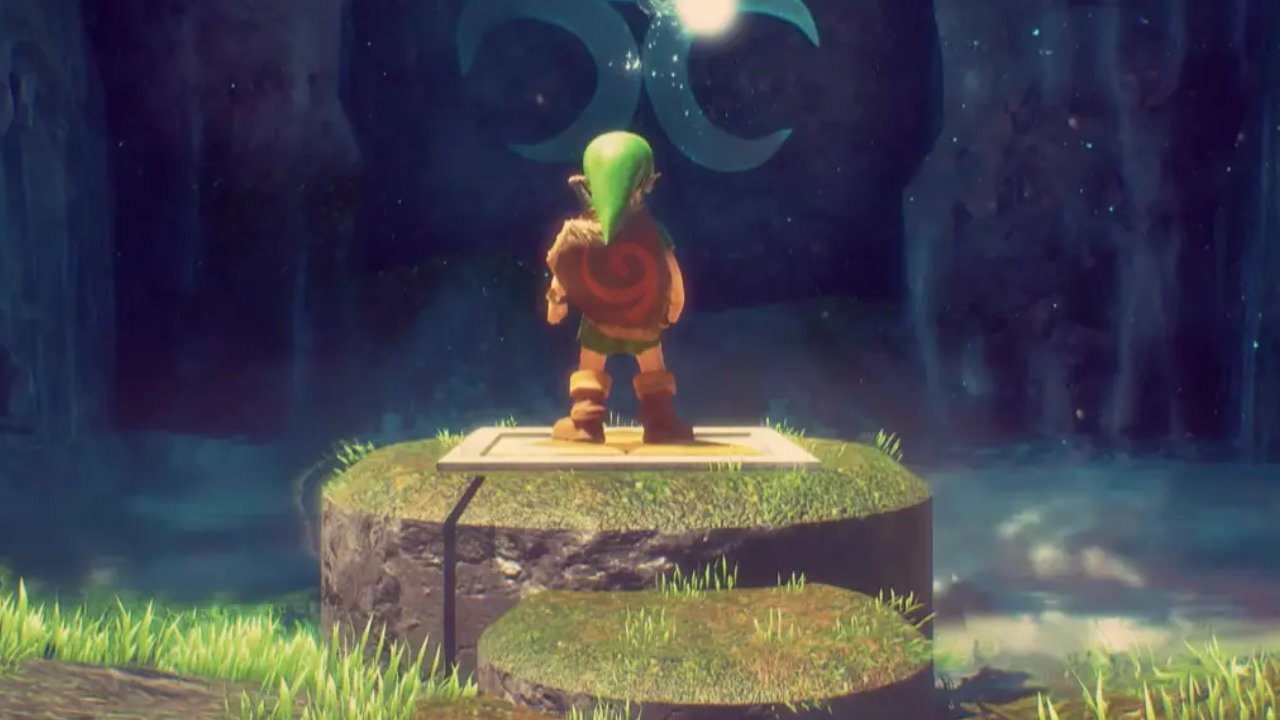
The brighter scenes are still unmistakably Zelda, but the darker areas convey the atmosphere many players remember from the game's dungeons and more serious moments.
Another recreation worth mentioning comes from Curiomatic, and their version of the Temple of Time is arguably one of the closest things you'll find to a modern remake of Ocarina of Time. Link's design is faithful to the spirit of the original while also feeling natural in a fully 3D environment. Original concept art is 2D illustrations, but any remake would have to translate those ideas into a realistic 3D world.
Work like Curiomatic's is a good example of how that transition could be made. Combine some of Endo's environmental atmosphere with Curiomatic's character design, and it could be a compelling vision of an Ocarina of Time Remake. The conversation also raises larger questions about Nintendo's use of cel-shading. Over the last several generations, Zelda has become increasingly stylized.
Also, the decision could have been made based on technical limitations, as cel-shaded graphics tend to require fewer resources than highly detailed, realistic rendering. With increased power expected for Nintendo Switch 2, Nintendo has more options for Ocarina of Time's art style. Cel-shading may not disappear, but the company will have greater flexibility. There are also examples from outside video games that could update the world of Ocarina of Time.
Another potential touchstone is the high-end Dream Studio statues of Young Link, Adult Link, Dark Link, the Master Sword, the Hookshot, Heart Pieces, and iconic scenes from the game. Ultimately, the upcoming Ocarina of Time Remake could take inspiration from both the old and the new. Nintendo could create a version that respects the past while utilizing what the new hardware can do by blending technological innovations with a good eye for the original game’s spirit.
With the art style and realism debate still raging, Nintendo's choice for how to treat Ocarina of Time on the Switch 2 will likely shape how fans will remember the classic for years to come. There has been no official announcement for an Ocarina of Time Remake, but the talk about its art direction continues. Nintendo could go for realism, stylized visuals, a mix of both, or something else.
Still, The Legend of Zelda: Ocarina of Time Remake is already one of the most hyped Nintendo Switch 2 projects among Zelda fans. The speculation continues, but for one thing, any modern take on The Legend of Zelda: Ocarina of Time will be compared to one of Nintendo's most beloved titles, and its visual identity will be just as important as its gameplay.
Editor, NoobFeed
Related News
No Data.