
Sony's Three-Console Leaks Outline a New PlayStation 6 Plan
The next generation is no longer about throwing raw power at your television.
News by Elme Dhee on Jun 11, 2026
Sony is currently preparing one of the biggest shifts in PlayStation history. What immediately stands out about this upcoming transition is that the company does not appear to be pursuing brute-force approaches the way it did during previous generational leaps. The PlayStation 4 was fundamentally focused on delivering raw power over the PlayStation 3 architecture.
Following that, the PlayStation 5 arrived with a massive leap in storage speeds, processor performance, and advanced graphics capability. The next PlayStation 6 looks like it’s going in a completely different direction. Instead of just throwing more compute units, higher teraflop numbers, and more watts at the problem, Sony seems to be focusing on efficiency, specialized hardware, and AI-assisted rendering.
In many ways, that approach seems pretty similar to what happened in the auto industry. There was a long period when manufacturers kept building bigger engines to achieve better on-road performance. Eventually, engineers realized they could achieve results similar to, or even superior to, those achieved through smarter design, turbocharging, hybrid systems, and more efficient architectures. The PlayStation 6 appears to be following that exact same design philosophy.
A surprising three-console strategy is being designed to build a massive ecosystem from day one.
Perhaps the biggest surprise of this new direction is Sony's reported three console strategy. If these current leaks prove accurate, Sony is not planning to launch a single, isolated PlayStation 6 model. Instead, they appear to be building an entire ecosystem right from day one. The flagship PlayStation 6 would serve as the premium home console for the traditional market. This is the machine most people naturally think of when they hear the phrase "next-generation PlayStation."
This premium unit reportedly features a custom AMD Orion chip with advanced Zen 6 processor technology and next-generation graphics architecture. Alongside that flagship machine, Sony is reportedly developing a cheaper secondary model designed to target consumers who simply want access to the modern PlayStation ecosystem without spending premium prices.
Sony is looking at the market and realizing that gaming is no longer strictly confined to a television.
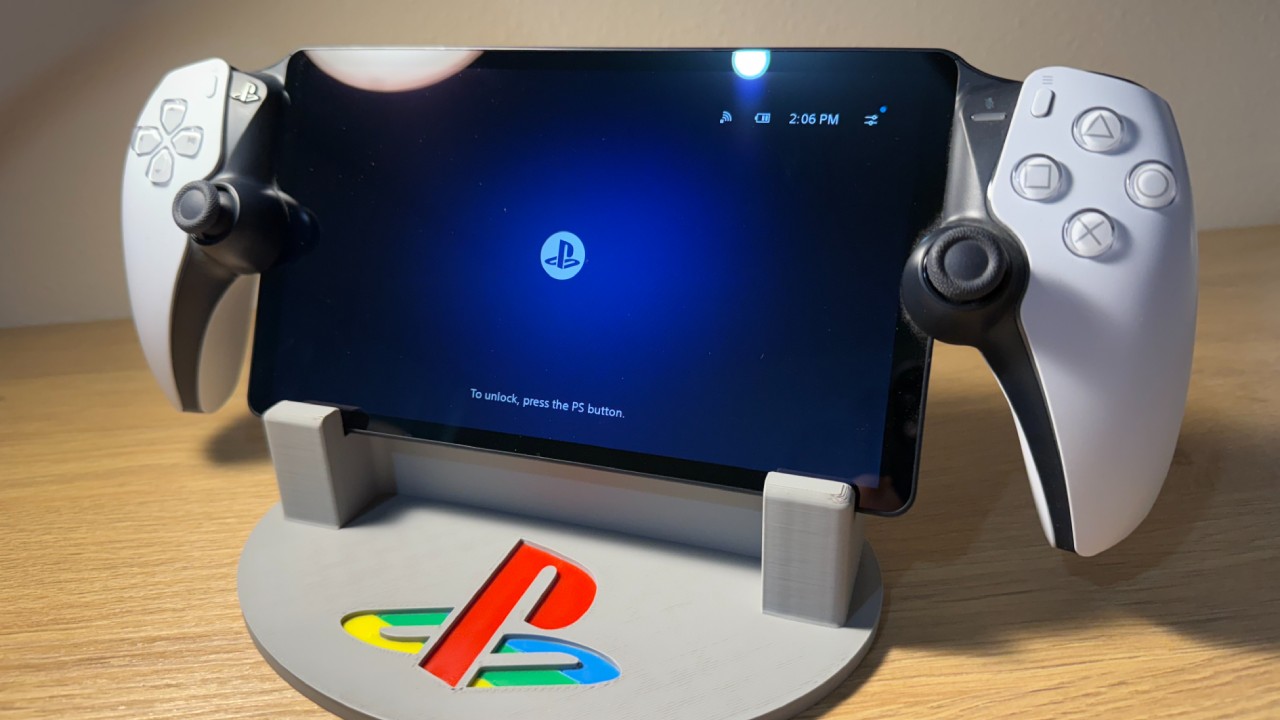
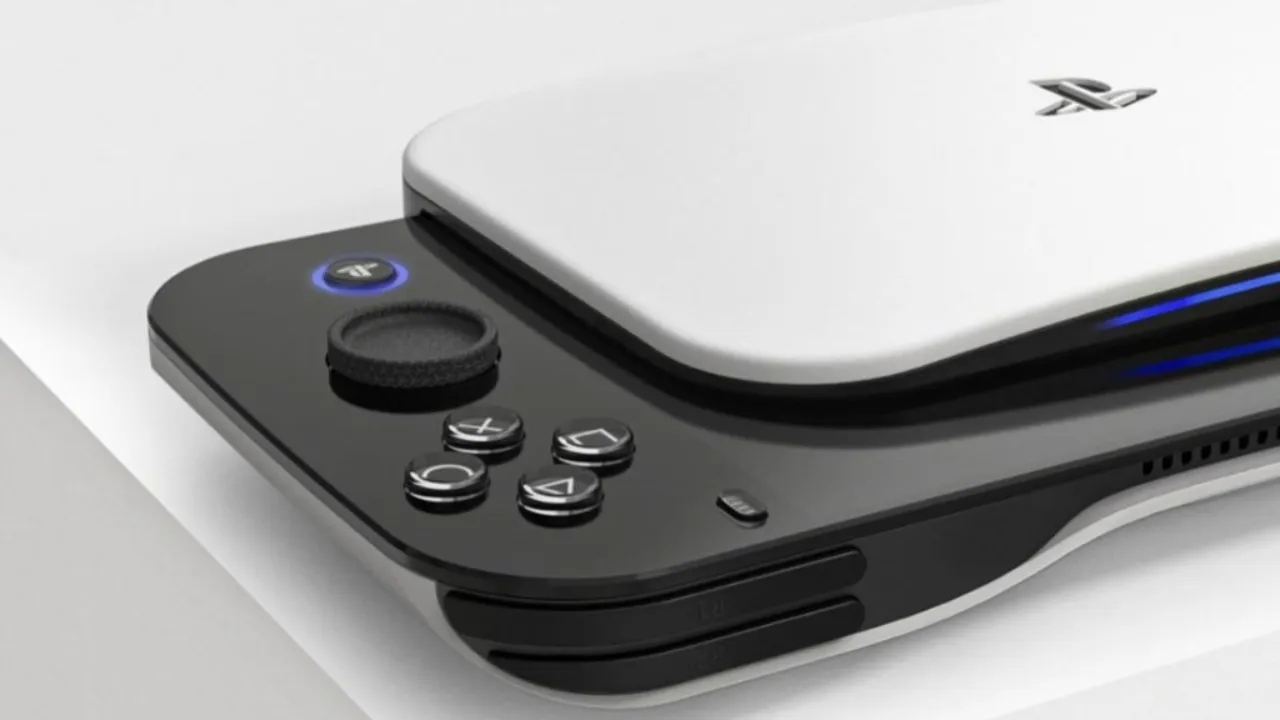
Then comes the most interesting piece of the puzzle: a dedicated portable system. If reports are accurate, Sony is preparing a handheld device designed to run games natively rather than relying entirely on cloud streaming.
That distinction is highly important because it suggests Sony is finally taking the portable market seriously again after years of watching competitors dominate the space and watching handheld gaming PCs establish themselves as legitimate alternatives. This feels less like a side project and more like Sony realizing that gaming is no longer strictly confined to a television.
While hardware variety is exciting, the technology running underneath these machines is quietly becoming the most important innovation in modern development. Every tree, every rock, and every tiny detail you see on screen is made up of textures. Modern high-end games use tens of thousands of textures. When you are talking about massive image files, the amount of data becomes absolutely insane.
Traditionally, developers had to create multiple versions of the exact same texture for different hardware platforms, which meant more storage, bigger downloads, and larger patches. Universal compression changes the entire process by creating a single, highly compressed universal file that quickly converts to whatever format the player's hardware prefers at runtime.
Universal compression technology is quietly becoming the most important innovation in modern game development.
The real-world benefits of this system are huge for ordinary players. It results in smaller game downloads, smaller patches, lower memory usage, faster texture streaming, and far more efficient use of storage.
All of these things become increasingly important as game files continue to grow in scale, especially when people complain about installations reaching massive sizes. The reality is that developers are constantly looking for ways to fight that inflation, and compression is a primary tool that helps them keep file sizes under control while still delivering high-quality visuals.
We are reaching a point where moving data efficiently matters almost as much as rendering it. For years, the conversation was entirely about raw performance numbers and graphics processing power.
Modern game engines are discovering that the real challenge is getting data to components fast enough. That is why advanced storage architectures and modern asset streaming systems are becoming such a big deal, helping developers deliver larger worlds and more detailed environments without requiring infinite memory.
Editor, NoobFeed
Related News
No Data.