
DLSS 5 Explained: Nvidia's Three Models and New Intensity Controls at Siggraph
NVIDIA reveals three separate DLSS 5 models alongside structure and tone intensity sliders at Siggraph following months of developer feedback.
Hardware by Naheyan Tahmin on Jul 25, 2026
NVIDIA used its SIGGRAPH presentation to share new details about DLSS 5, the AI technology that changes how a game appears on screen. The update centers on developer control over the effect, following backlash over the tool's alteration of character appearance and overall game feel.
NVIDIA had previously said DLSS 5 would let developers preserve what artists intended characters to look like, but had not explained how that would work until now.
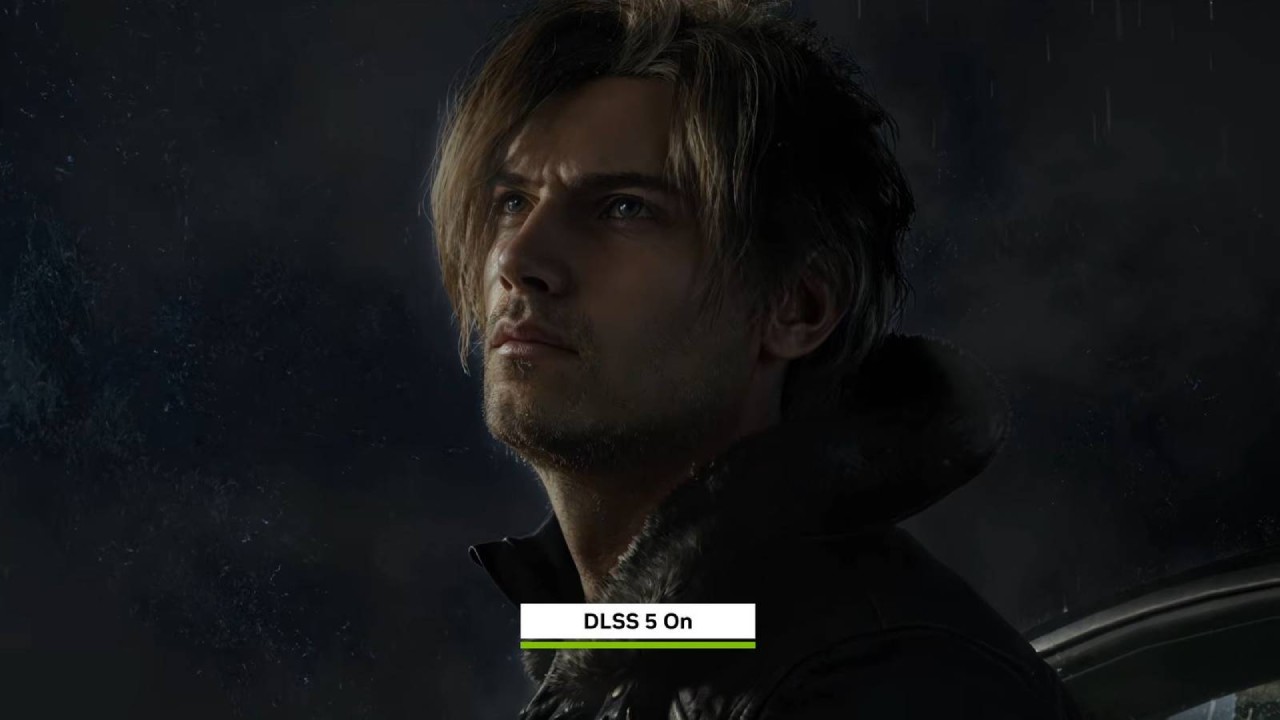
NVIDIA confirmed at the event that DLSS 5 has three separate models right now. These are called Model A, Model B, and Model C. Users can choose a model based on the character, environment, or scene they are looking at. Each model has its own effect. Now, a game doesn't have to use just one version of the effect throughout. Instead, teams can mix models in cutscenes, open areas, or specific scenes as needed.
Structure and Tone Intensity: Explain the Controls
NVIDIA gave you two choices besides the model you could choose. Style intensity and tone intensity are the names for them. Structure intensity controls things like reflections, ambient occlusion, and subsurface scattering. Tone intensity controls things like lighting, color, and how a scene looks in general.
You can see how NVIDIA is responding to claims that the last version changed faces and scenes without any limits by looking at how these tools work together. Developers can also apply structure and tone settings to individual objects rather than an entire scene.
NVIDIA demonstrated the tool identifying a character on its own and building a mask around them, which lets developers change the effect on that character apart from the environment around them, or turn the effect off for that character entirely. Manual masks are also possible, and NVIDIA showed separate settings applied to bottles, grapes, and a pitcher within a single scene, each with its own structure and tone values.
Developer control over DLSS 5 intensity does not resolve concerns.
With this control, DLSS 5 is still just a filter that changes parts of a scene without giving up control over every little thing it does. You can change the level of energy, but you can't tell the AI exactly what to change. That makes people worry that games that use DLSS 5 might start to look alike over time, since the effect has its own personality no matter which game uses it.
Still, the extra control is a step forward for developers who want to protect the original intent of artists. It remains to be seen how the technology is used in games once they are released. NVIDIA plans to release DLSS 5 in the fall of 2026.
Editor, NoobFeed
Gaming Hardware Updates
No Data.