
Xbox Game Pass Starts New Debate About Sustainability
As Microsoft's subscription service enters its eighth year of growth, industry veterans are worried.
News by Nusrat Choity on Sep 12, 2025
The Xbox Game Pass is once again the focus of industry debate. Since it launched in 2017, the subscription service has become one of the most important things in gaming. It gives millions of customers access to a library of games that varies every month. People adore it, but there are still uncertainties about how long it will stay and how it will influence developers, publishers, and sales in stores.
Two former Microsoft executives who were critical of the model said they weren't sure if it would work. Their comments have brought back the question that has been around since the service started: Is Game Pass a big step forward or a risky move that could hurt traditional gaming revenue streams?
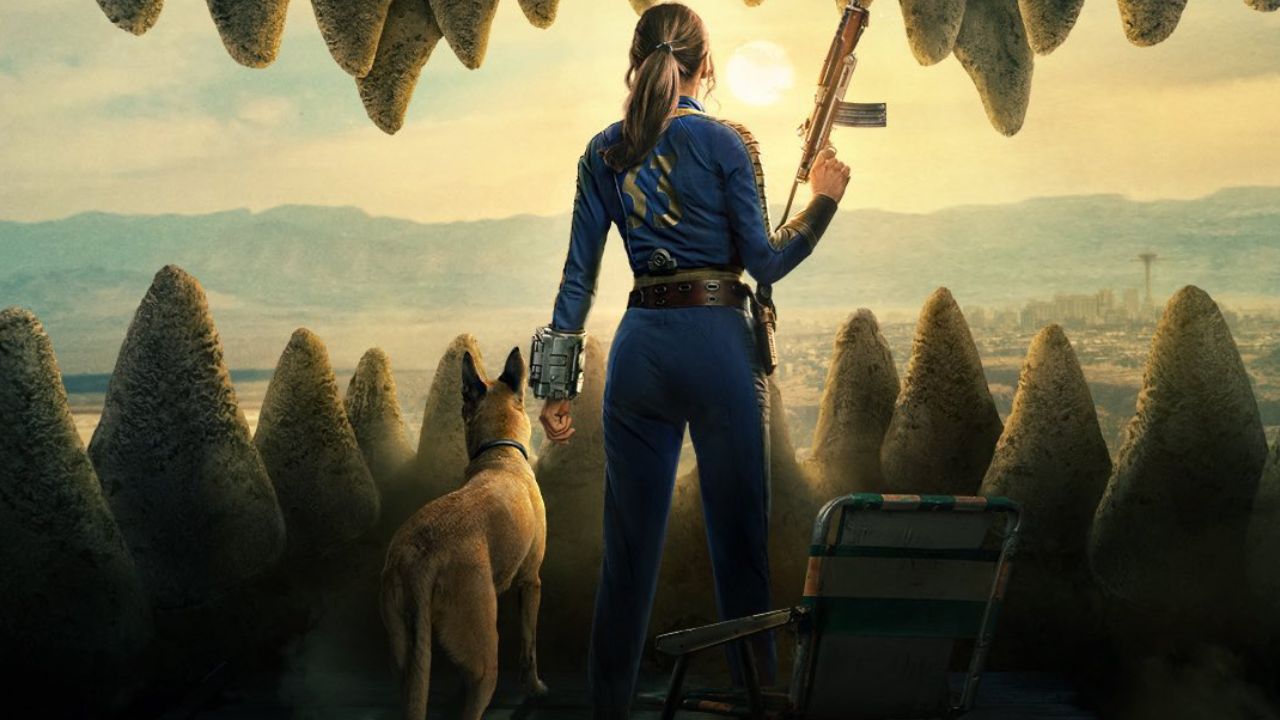
During Microsoft's early push for subscription gaming, Pete Hines, a well-known figure from Bethesda, discussed what he referred to as "shortsighted decision-making." He said that subscription models often struggle to strike a balance between what the platform requires and the value of the content. He stated that failing to properly recognize, compensate, and reward creators could lead to long-term problems for the industry. He noted that the name "subscriptions" has become problematic since they depend on this unstable balance.
Shannon Loftis, who used to be the vice president of Xbox Game Studios, said the same thing. She noted that Game Pass has helped some games get more attention, like Human Fall Flat, which is a success story. However, most of the time, the platform's popularity comes at the cost of retail sales. Loftis said that studios often struggle to recoup the revenue they could have generated through regular sales if they don't design a game with ongoing monetization in mind.
She discussed "inner tensions," which have been a part of the subscription conversation in development circles for a long time. These worries bring up a question that has been on people's minds since Game Pass first came out: Can the service really keep going while making both players and creators happy? Critics still have questions about whether developers are receiving a fair price for their work under this model.
But people who like the service say that Game Pass has already shown that it will last. The platform has become a valuable way to discover smaller titles that might not have been noticed otherwise, with more than 30 million subscribers worldwide. The sources indicate that Microsoft pays a substantial amount of money to acquire games for its library. This way, developers get paid up front even if sales of the games go down.
There are many examples of this success in both indie and mid-tier releases. Game Pass has made games like Lies of P, Expedition 33, Sea of Stars, and Descenders much more popular. The people who made Descenders say that the service was so successful that they promised to bring the sequel to Game Pass on day one as well. The subscription model has changed the game for games that depend on word of mouth and exposure.
There is also a good side to older AAA games. Games that might have been selling less in stores are often brought back to life by being added to the service. By adding these games to a large number of subscribers, Microsoft not only keeps them around longer but also gets them in front of new people, which can lead to more engagement on other platforms. In this way, Game Pass serves as both a promotional tool for games and a means to extend their lifespan.
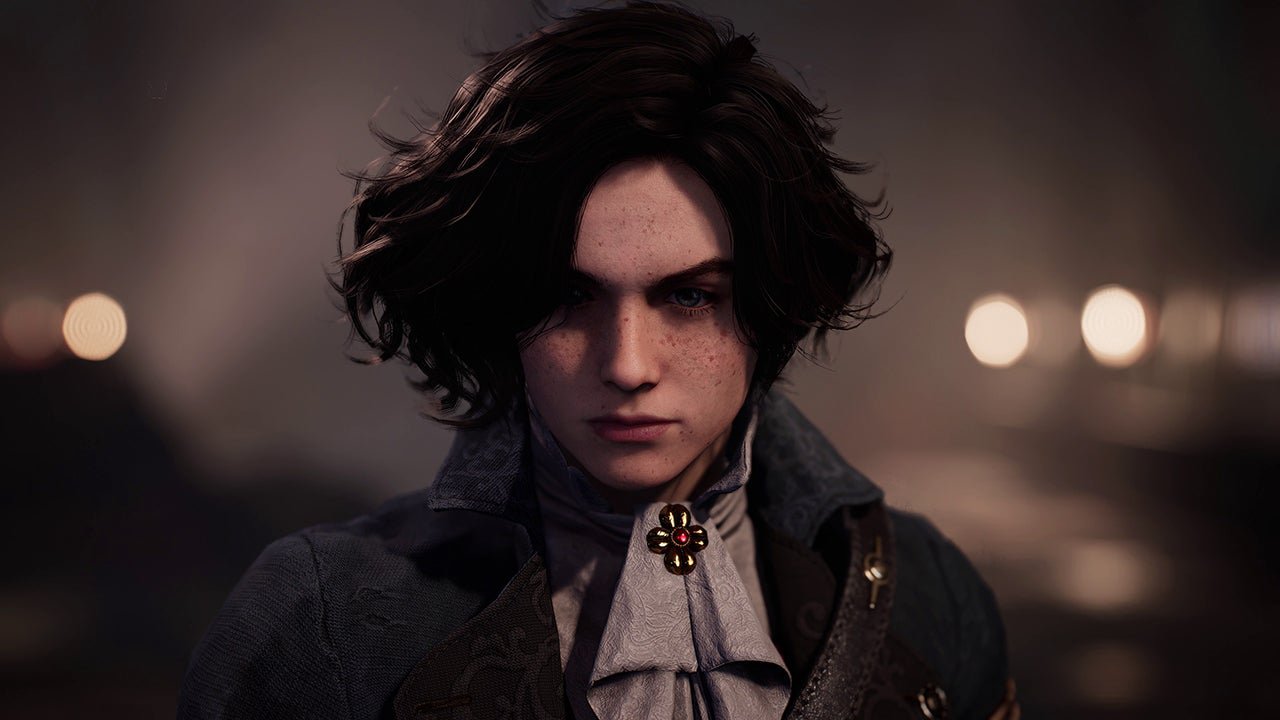
Critics and supporters alike agree on one crucial point: Game Pass is not a universal solution. Some games perform well with the model, while others may not do as well as they would if sold normally. This means that every studio needs to carefully consider the pros and cons of upfront payments and exposure against the risk of financial loss. The trade-off usually works out well for indie developers. The equation becomes more complicated with big AAA releases.
Microsoft, on the other hand, is still firm in its stance. Representatives from the company have repeatedly stated that Game Pass is profitable, even when considering first-party releases available on day one. Xbox is proud of this and sees the service as a key part of its plans. Microsoft is sticking with its subscription model because people still want to be able to play games for a low cost.
But the bigger conversation in the industry won't go away. Focusing on subscription services could divert attention from other, potentially more critical issues. The industry is struggling due to increasing AAA development costs, fluctuating live service projects, and rising game prices. Game Pass continues to spark the loudest debates because it is so well-known and disruptive.
It's still not clear what Xbox Game Pass's legacy will be as it enters its eighth year. For many gamers, it's a lifeline that makes modern gaming more accessible at a time when prices are rising. For some people in the industry, it is a warning story that could alter the way games are valued and played in ways that are not yet fully understood.
We know for sure that the service has changed how people feel about gaming subscriptions, but we don't know which side of the argument is correct. The question now is whether it can continue without jeopardizing the health of the people who make it possible. Will Xbox Game Pass always be the future of gaming, or will it one day be seen as a bad idea that went too far?
Contributor, NoobFeed
Related News
No Data.