
AMD Z1 Extreme Support Concerns: How SteamOS Can Extend Your Handheld’s Lifespan
Concerns emerge about AMD Z1 Extreme driver updates disappearing, threatening the performance and longevity of popular gaming handhelds.
Hardware by Mitsuba Miyu on Mar 01, 2026
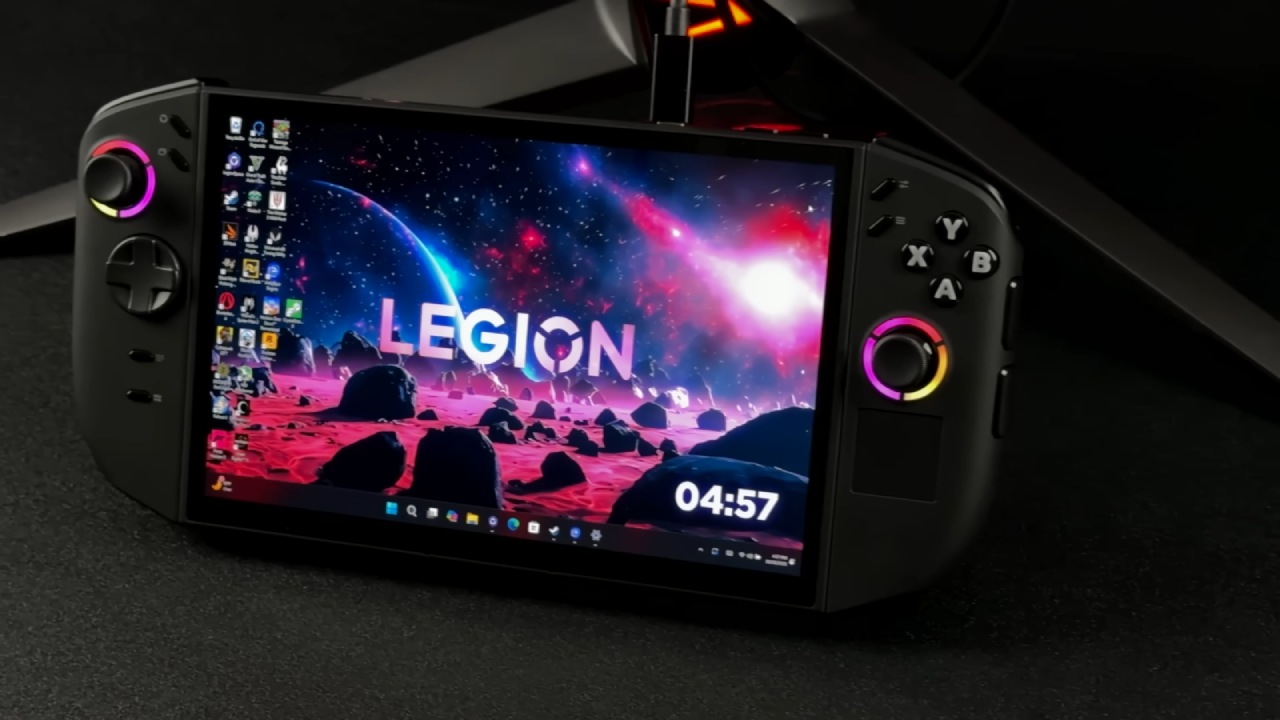
More and more people are worried about what will happen to AMD's Z1 Extreme chipset in popular Windows handheld game consoles. Users who have spoken with Lenovo's customer service say that OEM driver updates for the Z1 Extreme may have stopped without notice.
AMD, Lenovo, and ASUS haven't officially said anything. Still, the lack of new driver releases for a while has left people very worried about the device's durability, speed, and long-term support. At the same time, SteamOS has become a possible safety net for users who are harmed.
What Actually Happened?
The trouble started when a user said that Lenovo's help told them there would be no more OEM driver updates for the Z1 Extreme. The claim was made on an online message board. It might have been false information, but there was plenty of evidence to support it.
When we looked at the driver records ourselves, we saw something that worried us. It's been about six months since the last driver update for the Lenovo Legion Go, the ASUS ROG Ally, and the ASUS ROG Ally X. That fits perfectly with the time frame given in the article.
The Z1 Extreme isn't like most chips you can buy in stores. It is an AMD APU used in several handheld products. Based on what we know, AMD makes the base driver, and then OEMs like Lenovo and ASUS change it to work with their own hardware. If AMD stops or slows down work at the chipset level, it affects all companies that use that silicon.
This is especially scary because Lenovo is still selling products that use the Z1 Extreme. Some of these are very new (less than a year old). That time frame seems way too short for help to just disappear.
Is AMD Falling Behind on Driver Support?
Ever since AMD mobile chipsets came out, driver support for them has felt surprisingly light. Even the more recent Z2 Extreme devices haven't gotten many changes since they came out. For example, since its launch, the Lenovo Legion Go 2 has had only one major driver update and one hotfix. That amount of support doesn't seem right for a brand-new gaming device.
But Intel's work on portable devices is a very different story. Several important driver updates for the MSI Claw 8 AI+ have been released simultaneously. Intel entered the handheld computer market later than other companies. Still, it quickly improved speed and stability by aggressively optimising its drivers.
AMD and Nvidia's desktop GPUs usually get updates once a month, around the same time big games come out. These drivers often have specific improvements for new games. That rhythm isn't being seen by handheld users, though.
If AMD really wants to keep RDNA3.5-based systems up and running for a few years, then giving up on the Z1 Extreme so quickly would be strange and disappointing.
Longevity Problem
Driver help is more than just getting a few extra frames. Whether new games start properly or not, it's up to this. If you don't update your drivers, you might run into new games that won't work because they aren't compatible.
If the gear is technically able, not having driver support can make it not work as well as it could. We have seen many cases of desktop GPUs getting driver updates on the day a new game comes out. These improvements are very important for speed and stability.
If service for the Z1 Extreme really ends, affected handhelds could age faster than they should. Software should not become outdated on a gadget that is only 2.5 years old. Things are even scarier for gear still sold in stores.
Why SteamOS Might Be the Safety Net
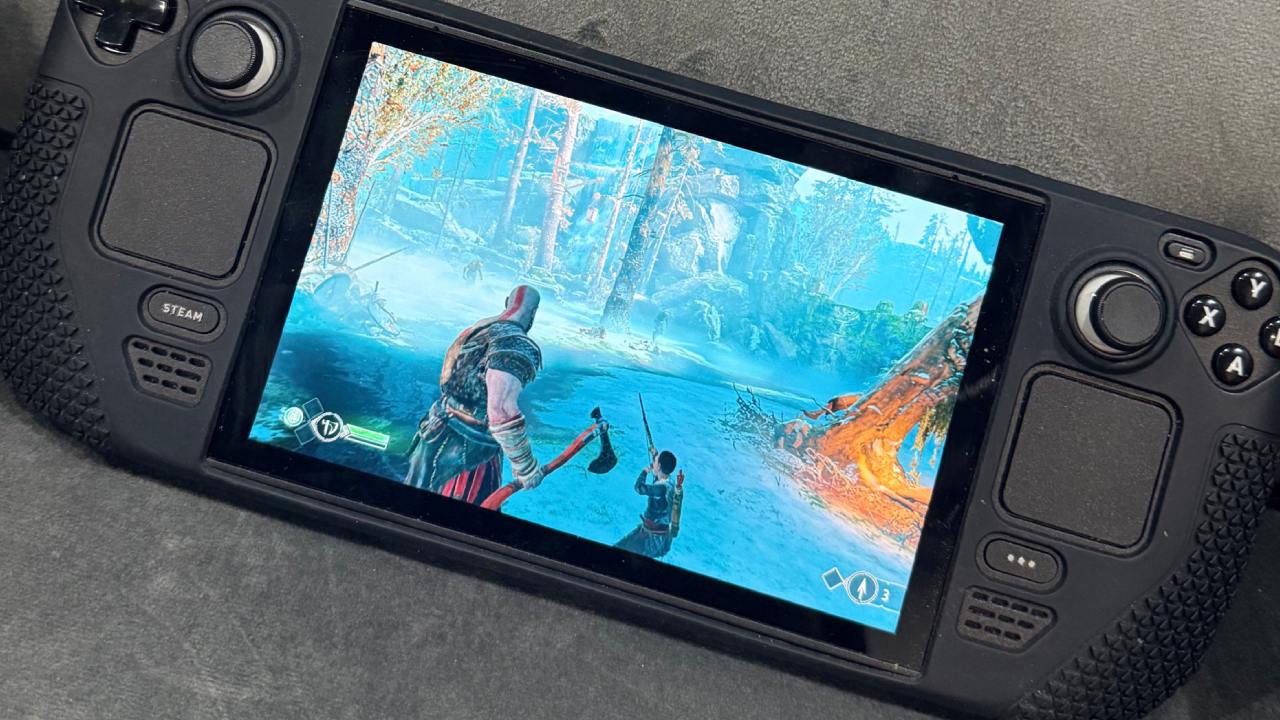
If work on Windows drivers slows down or stops, SteamOS will be a great option. Linux Mesa drivers are used by SteamOS. These drivers are frequently updated and receive significant support from the open-source community.
With almost daily changelogs in test branches, Valve has built a reputation for frequently improving the Steam Deck's software.
We've seen for ourselves how often those changes happen. Patches are usually released that make things more stable, compatible, and fast. The change seems very big when compared to Windows handheld driver cycles.
Now that devices like the Legion Go 2, the Z1, and the Z2 Extreme are officially supported by SteamOS, users may have a good long-term option. By switching to SteamOS, you might be able to extend your handheld's battery life and improve gaming performance.
Trade-Offs You Need to Consider
SteamOS isn't a fix for everything. Linux support can be a problem if your handheld is mostly used for Game Pass or competitive multiplayer games with strict anti-cheat systems.
Your library should be in Steam for SteamOS to work best. If that environment aligns with how you normally use things, the switch can feel natural. If not, it might feel limiting.
For people who are heavily invested in Windows-based ecosystems, it may still be best to stick with Windows and wait out the existing drivers. Some people might try sideloading compatible AMD drivers from nearby chipsets, but this is risky and not officially supported.
Final Thoughts
The situation is still not official until AMD, Lenovo, or ASUS makes public statements. But it's hard to ignore that driver updates for various Z1 Extreme devices have been missing for 6 months. It's still not clear whether this is a lasting stop or just a temporary slowdown.
If support really has been quietly dropped, it makes me very worried about the future of handheld game PCs. By hardware standards, these devices are still pretty new, so customers should expect longer service cycles.
For now, SteamOS looks like a real way forward for people who want to switch. It makes sure that Z1 Extreme handhelds won't become useless overnight, at the very least. We will keep a close eye on what happens because this story may change even more in the coming months.
Also, check our other hardware articles:
- AMD Ryzen 9 9950X3D Review: Setting The Standard For 2025 Gaming CPU
- Amazon Luna 2025 Review: Is Prime Gaming's Cloud Service Your Go-To For Casual Fun?
- AMD RX 9070 XT Review: AMD's RDNA 4 Champion for 1440p Gaming
- GeForce Now Ultimate: Ditching Your Gaming PC For Cloud RTX 4080 Power?
- NVIDIA GeForce RTX 5080 Review (2025): Still A 4K Gaming Powerhouse?
- Intel Core Ultra 9 285K Review And Performance Breakdown (2025)
- AMD Ryzen 7 9800X3D Review: 3D V-Cache Goes God Mode with Stunning Gaming Performance
- Intel Core Ultra 9 285K vs AMD Ryzen 7 9800X3D: In-Depth Gaming Performance and Benchmark Comparison
- NVIDIA GeForce RTX 5080 Super Performance In Cyberpunk 2077: Path Tracing & DLSS 4.0 Tested
- AMD Radeon RX 9070 XT In Cyberpunk 2077: Ray Tracing & FSR 4.0 Tested
- Intel Arc B580 Review: The $250 GPU Revolutionizing 1440p Gaming
- Intel Arc B570 Vs. B580: Value, Specs, And Real-World Gaming Performance
- RTX 5090 Laptop Vs. M4 Max MacBook Pro: Ultimate Raw Performance Vs. Battery Endurance
- Intel Arc b580 Vs. RTX 4060: Game Performance And Value Analysis
- RTX5090 Hell Is Us Demo 4K Ultra Benchmark: DLSS Vs. Native Performance Guide
- NVIDIA RTX 5070 Review: Mid-Range Muscle or Marketing Hype?
- Nintendo Switch 2 Review: Handheld Performance, Features & Value Breakdown
- RTX 5070 Ti Review: Performance, Thermals & Power Efficiency Tested
- Samsung Odyssey OLED G81SF Review 2025: Ultimate 32-Inch QD-OLED Gaming Monitor
- AMD RX 9070 Performance Review: Thermals, Clocks, and Real-World FPS
- AMD Ryzen 5 7600 Review: Best Budget Gaming CPU of 2025?
- AMD Radeon RX 7800 XT Review: RDNA 3 Power For Midrange Gaming
- Asus ROG RTX 5090 Astral OC Vs. Founders Edition: The 4K Gaming Benchmark
Editor, NoobFeed
Gaming Hardware Updates
No Data.