
HBF Flash Memory Could Help Solve the RAM Crisis
New HBF memory technology could ease AI-driven RAM shortages while AMD prepares higher-core-count Zen 7 EPYC processors.
Hardware by Naheyan Tahmin on Aug 15, 2026
The memory market is under pressure as AI development increases demand for high-bandwidth memory while production capacity for consumer memory remains limited. A new memory standard from SanDisk and SK Hynix aims to add another option by using flash storage as a memory layer for AI hardware.
Meanwhile, a cloud storage failure has left a public television station fighting to recover decades of archived data, while a new leak points to AMD planning Zen 7 EPYC processors with up to 384 cores. A potential answer to the RAM problem was recently announced, and it could change how AI hardware handles memory.
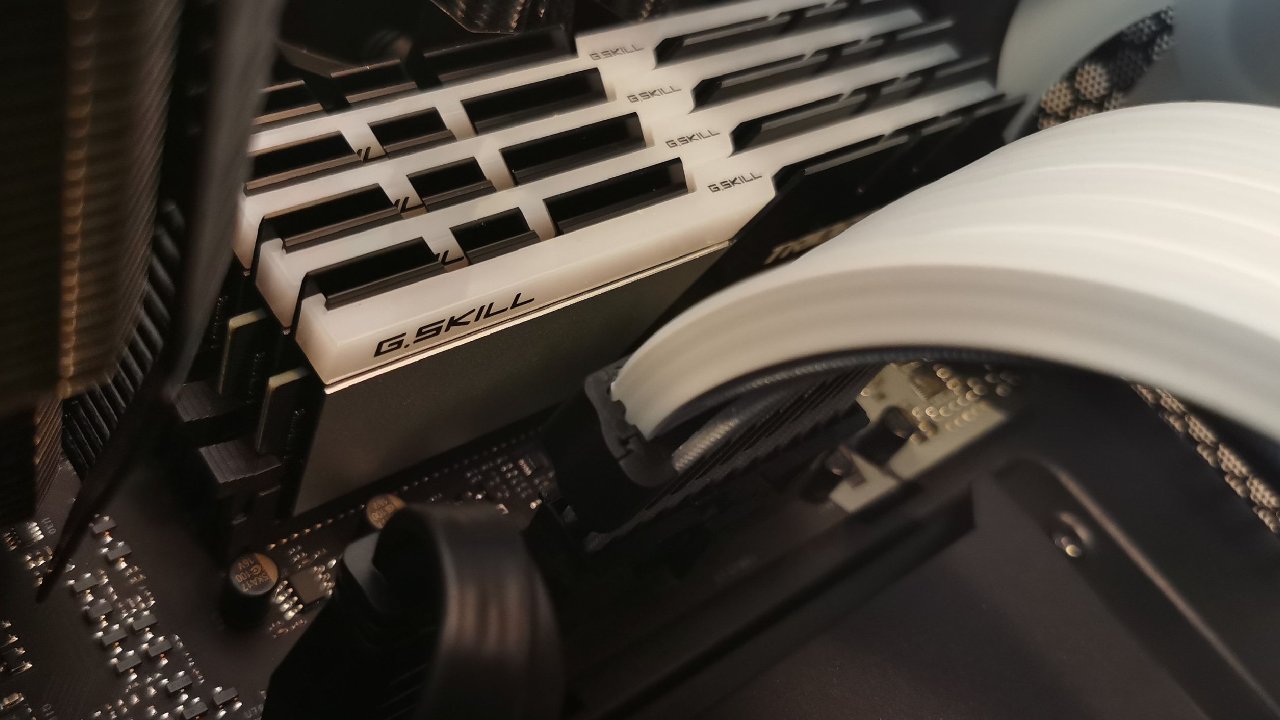
HBF Uses Flash Instead of Traditional Memory
The RAM shortage and resulting prices are linked to companies building out AI infrastructure. Specifically, demand for HBM, or high-bandwidth memory, has encouraged memory makers to shift production away from consumer memory such as DDR5 and toward HBM.
The way to address that is to meet AI companies' memory demand without taking more production away from consumer memory. That's what SanDisk and SK Hynix are trying to do with HBF. The flash part means exactly what it sounds like. HBF uses NAND flash, the same fundamental type of storage used inside SSDs, and turns it into a new class of memory.
The main challenge is getting flash anywhere near HBM bandwidth. HBF uses the same general approach as HBM but applies it to NAND flash. HBF stacks many NAND dies and accesses them in parallel. Like HBM, it is designed to sit beside the AI processor and uses UCIe, an industry-standard interconnect designed for fast die-to-die communication.
UCIe provides a wide interface, and the newly released specification supports packages with up to 512GB of flash and bandwidth reaching around 3TB per second. That's a different level of NAND performance. Because flash is denser than DRAM, SanDisk says HBF could potentially provide around 8 to 16 times the capacity of HBM at a similar package cost.
There is a tradeoff, though. HBF has higher latency than HBM, so some HBM would still be needed for data that requires low latency. The difference is that AI hardware would need far less HBM. Another part of the plan is that HBF is being developed as an open standard rather than a proprietary one. SanDisk claims HBF-equipped AI hardware is targeting early 2027.
Cloud Storage Leaves 70 Years of Archives at Risk
Cloud storage has also shown why keeping another copy of important data matters. 9PBS, a public television station, had more than 50TB of archival footage and programming stored with a cloud storage company called Open Source Storage, or OSS.
The station had been using the company and its predecessor since 2019 and was preparing to renew its contract earlier this year. When the time came, OSS did not respond. 9PBS then lost access to all of its data, even though the station was supposed to have another 30 days to retrieve everything after the contract ended.
When the station started investigating, the situation became more complicated. OSS's website had disappeared, and the company was listed as delinquent with the Colorado Secretary of State. The company had effectively disappeared. 9PBS then discovered that OSS was using another service, Iron Mountain, to store the data. Iron Mountain specializes in data and record storage.
From that perspective, the situation makes sense, but it leaves 9PBS in a difficult position. A Colorado court had already ruled that 9PBS had the right to access the data and ordered OSS to help transfer it to another provider. The problem is that OSS no longer appears to exist. 9PBS is now suing Iron Mountain to ensure the archives aren't deleted while the situation is resolved.
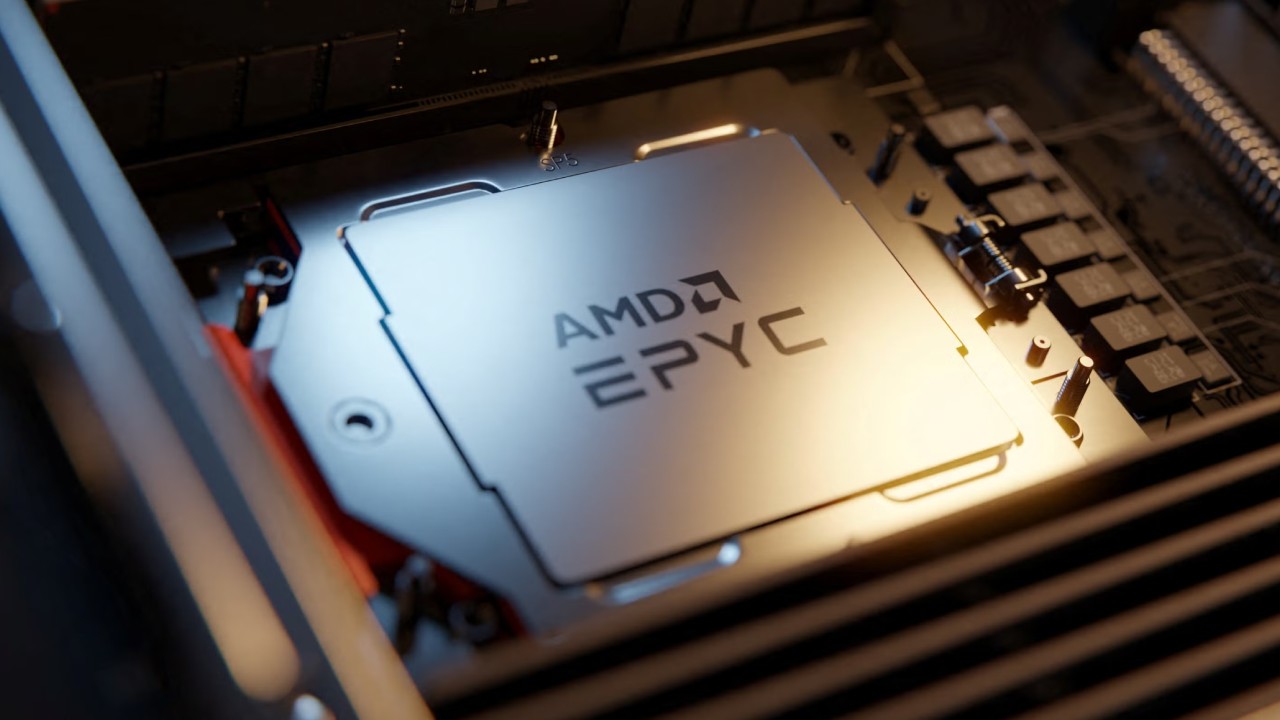
AMD continues to push its server CPU plans, and a new leak from Moore's Law Is Dead claims to reveal part of the company's Zen 7 EPYC roadmap. If AMD's 256-core Zen 6 CPUs already sound large, the reported Zen 7 plans go further. The CPU is reportedly code-named Snow Mass and could use TSMC's A14 process for the cores.
The leak claims that each core chiplet could contain 48 cores.
Moving to another process node would already be notable because AMD is expected to move to a new node with Zen 6 before moving again with Zen 7. According to an apparent internal presentation referenced in the leak, the IPC uplift alone could be between 15% and 25%. That figure would not include clock increases or additional cores.
AMD could reportedly use up to 8 chiplets, resulting in a total of 384 cores. At that point, Intel would have a significant challenge catching up in the server CPU market. Competition still matters, though, because multiple companies pushing CPU performance keep the market moving. The same leak claims AMD is targeting a Zen 7 launch by mid-2028, potentially before lower-core-count Steamboat chiplets.
It also claims AMD is already referencing TSMC's A13 node and even A10 for future designs, which could allow the company to move through additional process nodes after Zen 7. If the leaked roadmap is accurate, AMD's EPYC plans point toward more cores, higher IPC, and additional process-node transitions over the next several generations.
Editor, NoobFeed
Gaming Hardware Updates
No Data.