
Epic Games Plans Native Linux Launcher for SteamOS
Epic Games plans a native Linux launcher as SteamOS and Linux gaming continue gaining support from major developers and publishers.
Hardware by Shinji Okazaki on Aug 16, 2026
Linux gaming is gaining support from more companies, and Epic Games is now planning a native Linux version of its Epic Games Store launcher. The move adds another major gaming platform to the growing list of software and hardware developments around Linux, SteamOS, and Proton. Epic Games has confirmed it is working to make its launcher run natively on Linux.
The native Linux version will not be part of the upcoming release preview, as more work is needed before it's ready. Epic says the work involves more than simply building a Linux version of the launcher. The team also needs to make sure the launcher works properly on the platform before releasing it. Epic's resource commitment signals that Linux is getting more attention as a gaming platform.
Linux Gaming is Gaining More Support
Linux has become more practical for gaming through SteamOS and Proton. Many games can now run on Linux comparably to Windows, while some can perform better on lower-end hardware because Linux has less system overhead. That has helped Linux gain more attention as a gaming platform.
SteamOS has also provided an entry point for people who may not have used Linux before, particularly through devices such as the Steam Deck and the upcoming Steam Machine. There are also signs of interest in bringing Xbox and Game Pass games to Linux. While the exact plans and scope remain unclear, more companies are showing interest in making their games and services work with Linux.
Linux has changed a lot over the years. Earlier experiences could involve frequent use of the command line and terminal for basic tasks such as installing applications or changing system settings. SteamOS shows how much Linux has improved for gaming. Proton has helped Valve make Linux gaming more accessible. At the same time, SteamOS provides a gaming-focused environment that hides much of the technical work that can make Linux difficult for new users.
Anti-Cheat Remains a Major Challenge
The next step for Linux gaming could involve better support from companies responsible for anti-cheat and DRM software. Native Linux launchers help, but some multiplayer games remain unavailable because their anti-cheat systems don't support Linux.
We want games such as Call of Duty: Warzone, Escape from Tarkov, EA Sports FC, and other multiplayer titles to become playable on SteamOS. F1 is already playable in some form, but broader support would make Linux a more complete gaming platform. If anti-cheat developers make a broader effort to support Linux, more games could run on SteamOS.
Epic Games dedicating money, time, and people to a native Linux launcher is a positive sign for Linux gaming. The full scope of the project is still unknown, including whether it could eventually lead to broader support for games that use anti-cheat systems. Still, the decision shows that Linux is being considered more seriously.
More developers and publishers could follow if the platform continues to gain users through SteamOS and gaming hardware. The goal is not only to make games work on Linux but also to encourage developers to create applications for the platform. Better desktop software could make Linux more useful for gaming and productivity and provide an alternative to Windows across more devices.
Steam Deck and Steam Machine Could Push Linux Further
The Steam Deck has helped put SteamOS in front of more users, while the Steam Machine could bring SteamOS to another group of PC gamers. More people are also installing SteamOS and other Linux distributions on gaming PCs. We want to see Linux become a primary gaming operating system, and the combination of SteamOS, Proton, and new hardware could make that more practical.
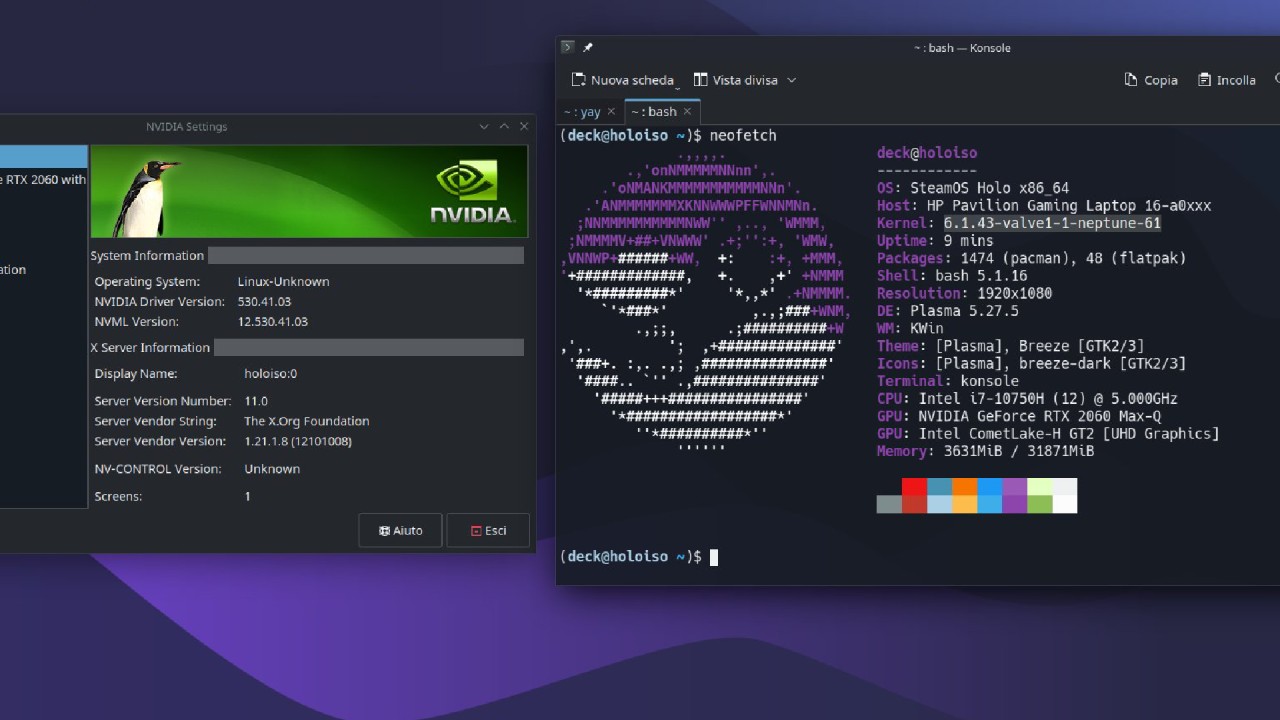
The NVIDIA driver situation is another part of that transition. SteamOS isn't yet optimized for NVIDIA graphics the way it is for supported AMD hardware, but Valve is working with NVIDIA to improve support. A gaming PC with an RTX 3080 Ti and Ryzen 9 5950X running SteamOS could provide the kind of setup that makes the switch more appealing. Once the NVIDIA support reaches the required level, moving a gaming PC to SteamOS becomes a more realistic option.
Native Linux support could expand the gaming ecosystem.
Epic Games' decision to work on a native Linux launcher does not guarantee that every Epic Games Store title will work on Linux immediately. It also does not confirm broader anti-cheat support or native Linux versions of individual games.
However, dedicating resources to the launcher gives Linux gaming another development milestone. SteamOS has already shown that Linux can work as a gaming operating system, and Proton has helped close much of the gap in Linux-to-Windows game compatibility.
As Steam Deck continues to establish SteamOS and Steam Machine brings the platform to more hardware, support from companies such as Epic Games could help Linux become a more common gaming environment. More developers and publishers supporting the platform would give Linux users access to more games and applications while creating another option for PC gaming.
Editor, NoobFeed
Gaming Hardware Updates
No Data.