
Digimon Story: Time Stranger Guide | Everything About Personality System
How personalities shape stats, D-Digivolution access, DigiFarm training, and personality skills for optimal Digimon builds.
Game Guide by Faviyan Mustafiz on Oct 06, 2025
This guide explains the Personality system in Digimon Story: Time Stranger and how it impacts your Digimon’s stat growth, Digivolution options, and out-of-battle training.
It covers the four personality quadrants, how personality skills work in combat, ways you can influence a Digimon’s personality through conversations and DigiFarm training items, and practical tips so you can plan evolutions and builds with confidence.
What the Personality Grid Is and the Four Quadrants
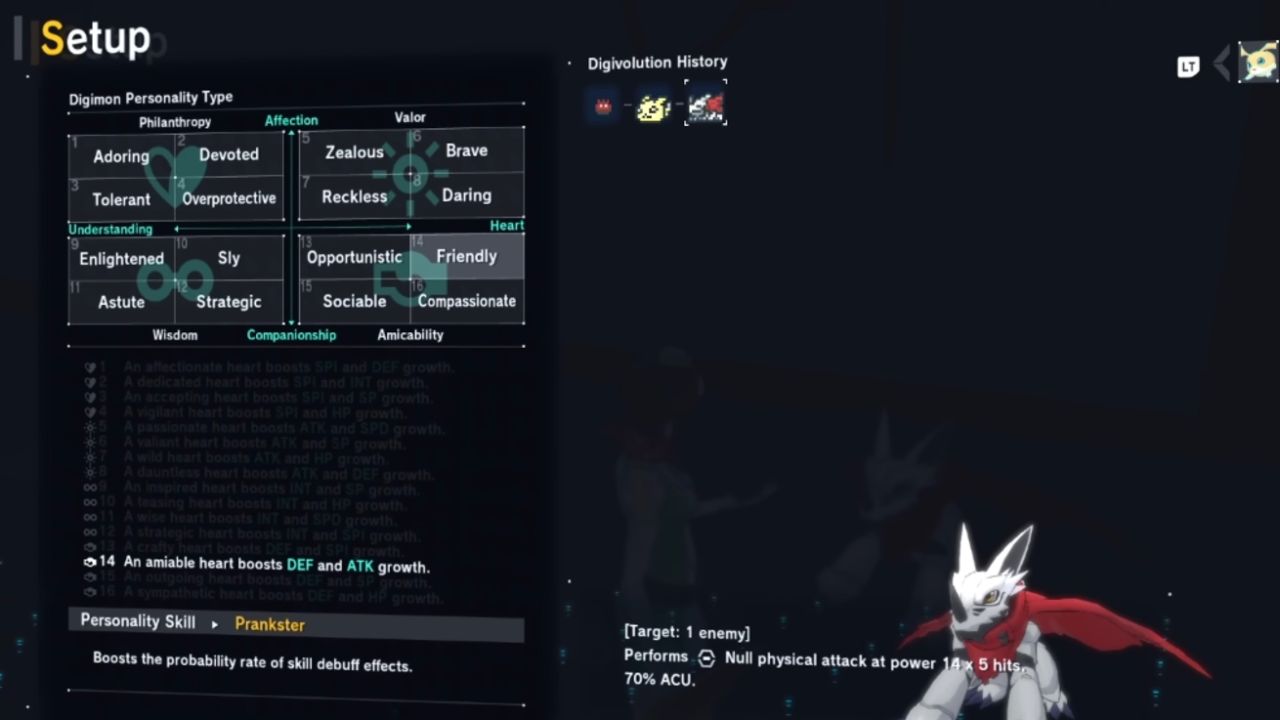
Each Digimon has a personality that sits on a four-corner grid made up of Valor, Philanthropy, Wisdom, and Amicability.
Those broad quadrants contain 16 specific personality traits that bias a Digimon toward certain stat gains and unique personality skills. Knowing which quadrant a Digimon favors will help you predict which stats it’s likely to boost and which personality skills it may learn.
How Personality Affects Stats and D-Digivolution
A Digimon’s personality modifies its stat growth and can stack with bonus effects during Digivolution, meaning the right personality can yield substantially higher stats after evolving.
The Personality system is also tied to D-Digivolution: if the Digimon you want to D-Digivolve into shares the necessary personality quadrant or trait, you can bypass the requirement to have previously discovered that target form, unlocking additional digivolution options. Plan evolutions around personality matches when attempting to obtain rarer lines.
Personality Skills — Passive Combat Benefits
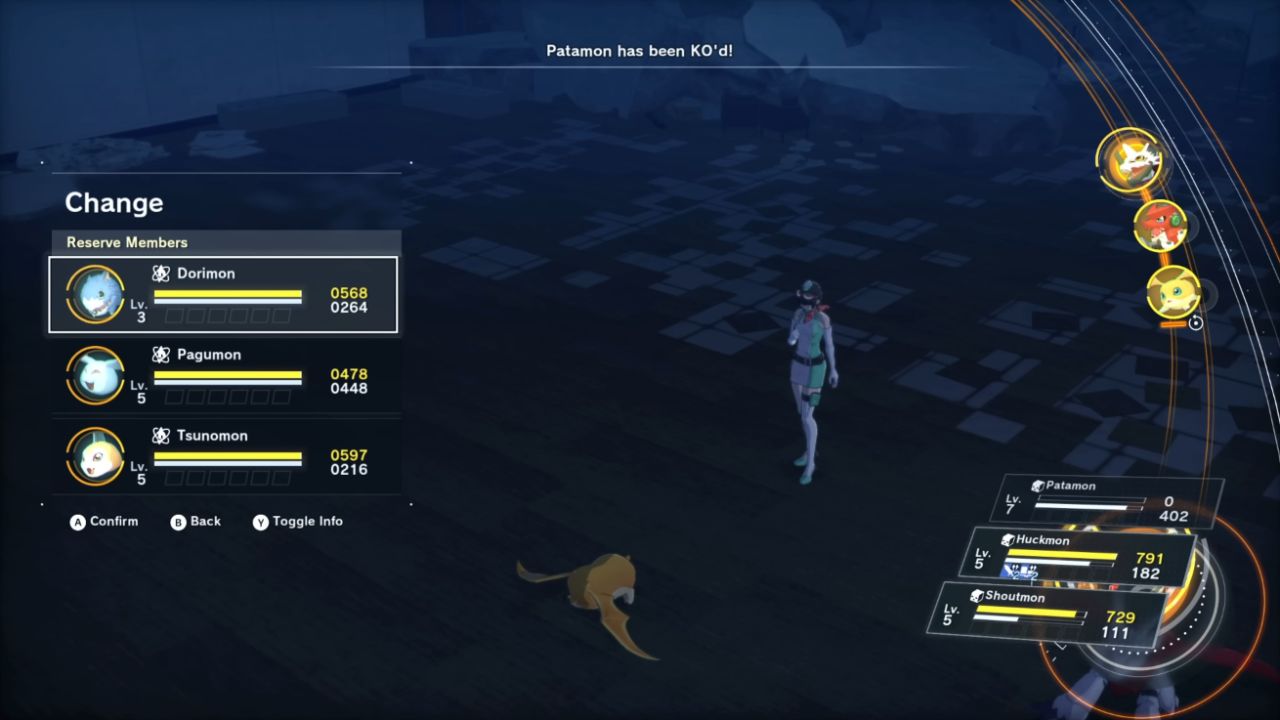
Many personalities grant passive personality skills that trigger in battle or provide turn-based boosts (for example, temporary intelligence boosts early in a fight).
Personality skills are learned over time and can replace older passive skills; the game prompts when such a change occurs. Factor these passive effects into team composition—sometimes a personality skill’s utility outweighs small raw stat differences.
Influencing Personality: Conversations and DigiFarm Training
You are not wholly at the mercy of conversion RNG when shaping personalities. Every few battles, a Digimon will want to speak with you, and your choices in those dialogues move a personality marker diagonally across the four-corner grid; crossing into a new quadrant changes the trait.
If the exact quadrant or trait you want does not appear in a conversation prompt, the option to dismiss is available, but it slows deliberate shaping.
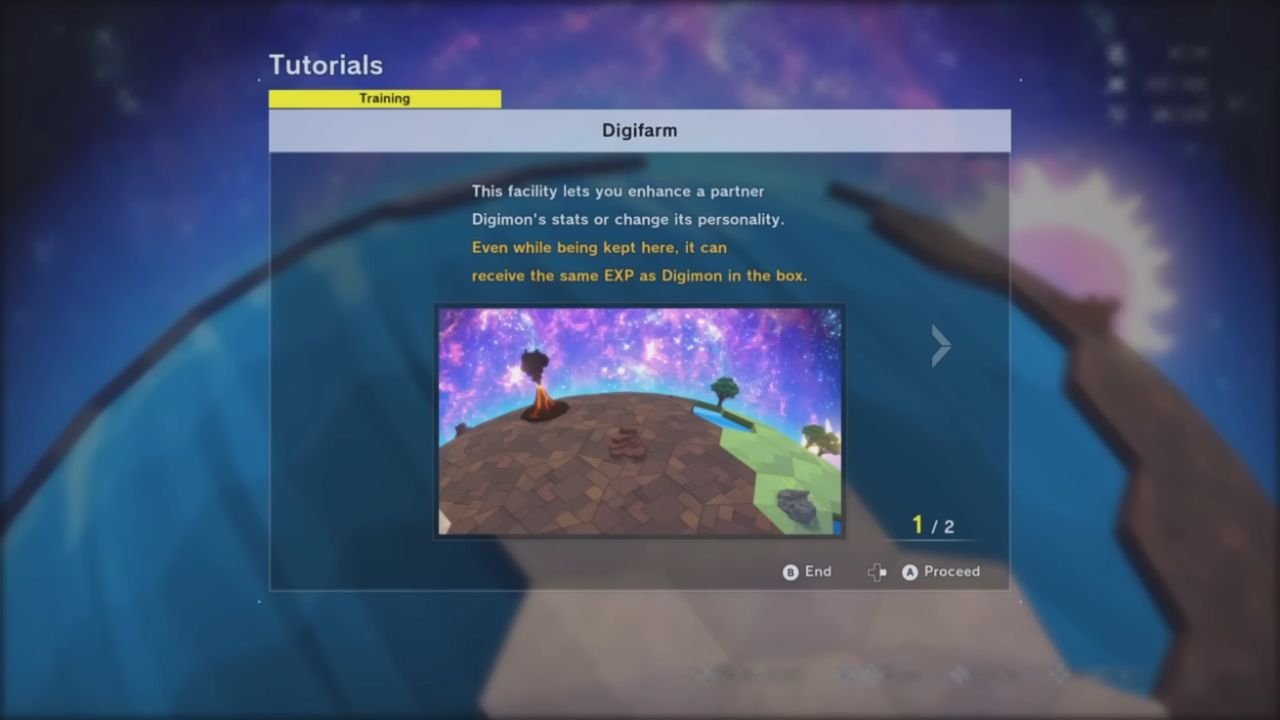
Outside of conversations, the DigiFarm offers consumables and training sets that intentionally shift a Digimon’s personality toward a target quadrant or trait. Using a training item begins a timed training session, which can be sped up by spending in-game currency if desired.
These tools let you steer personalities without relying purely on conversion rolls. Use conversations to fine-tune and the DigiFarm to commit to longer-term shifts.

Conversion Behavior — What to Expect When Digimon Are Converted
When a Digimon’s personality is set via conversion mechanics, the game favors that Digimon’s base personality first; if that fails, converters are more likely to land on a personality from the same quadrant, then adjacent quadrants, with the opposite quadrant being the least likely.
Certain base personality traits will never convert into others (for example, some base traits cannot become particular opposing traits), so conversions are biased rather than uniform—plan accordingly when transferring personalities between forms.
Practical Advice for Building Digimon Around Personality
Choose the personality quadrant that naturally amplifies the stats you want (for instance, intelligence boosts for magic or special-attack-oriented Digimon). Use early conversations to nudge the personality marker toward your target quadrant and then commit with DigiFarm training sets if available.
When trying to secure D-Digivolution lines that require match-type personalities, confirm the target Digimon’s base personality and aim to match it before attempting the D-Digivolve. Keep in mind personality skills—sometimes a passive ability that activates in the first few turns is more valuable than a modest stat bump.
Tips for Optimization and Early Power Growth
Combining personality selection with standard enhancements and DigiFarm stat items can allow you to reach very high post-evolution stats quickly, especially if you understand how personality stacks on digivolution bonuses.
Expect to exceed traditional level caps on specific stats early if personalities and farm enhancements are used together, so prioritize the systems that most directly contribute to your chosen Digimon’s role.
Also, check our Digimon Story: Time Stranger Review and other guides below:
- Digimon Story: Time Stranger Guide | How to Level Up Quickly
- Digimon Story: Time Stranger Guide | How to Get All Starters Early
- Digimon Story: Time Stranger Guide | How to Get Overpowered Fast
- Digimon Story: Time Stranger Guide | How to Get Mega & Ultimate Digimon Early
- Digimon Story: Time Stranger Guide | How to Maximize Digimon Power
- Digimon Story: Time Stranger Guide | How to Beat Chaosdramon
- Digimon Story: Time Stranger Guide | Everything About Types & Elements
- Digimon Story: Time Stranger Guide | How to Get Lunamon & Coronamon Early
- Digimon Story: Time Stranger Guide | Avoid Major Story Progression Mistakes
- Digimon Story: Time Stranger Guide | Best Starter, Evolution Paths & Early Power Levelling
- Digimon Story: Time Stranger Guide | Digi Farm Explained & Best Training Tips
- Digimon Story: Time Stranger Guide | How to Get All Armor Digi-Eggs & Spirits
- Digimon Story: Time Stranger Guide | How to Get Lighdramon (Raidramon) Fast
- Digimon Story: Time Stranger Guide | How to Get Imperialdramon Paladin Mode
Contributor, NoobFeed
Latest Articles
No Data.