
Intel Nova Lake vs. Zen 6 Battle Heats Up as Memory Prices Face Huge Drop
Intel Nova Lake engineering samples continue surfacing as leaks suggest major gaming and multi-threaded performance improvements.
Hardware by Tanvir Kabbo on May 22, 2026
Memory prices have surged dramatically over the last year as AI demand, server expansion, and adoption of next-generation hardware have pushed DDR5, LPDDR5X, and storage pricing to extreme levels. However, new developments in the semiconductor market suggest the trend may soon reverse.
At the same time, Intel's upcoming Nova Lake processors are beginning to attract attention as leaks and engineering-sample reports hint at major performance gains over AMD's Zen 6 architecture. Together, both developments could reshape the PC hardware landscape over the next generation.
Memory Prices Could Finally Collapse After Massive Spikes
If you're a gamer, there is finally some potentially good news regarding memory pricing. Over the last year, memory prices have effectively exploded, with some reports showing increases of up to 400%.
Much of that surge occurred between late last year and the early part of this year, when prices rapidly climbed due to massive demand for servers, AI hardware, gaming PCs, smartphones, and storage devices.
The interesting part is that this prediction about falling prices is not coming from random market analysts. Instead, it comes from one of Samsung's former senior executives and advisers connected to Samsung's Device Solutions division.
According to those claims, the memory market may soon experience significant oversupply due to aggressive investment by Chinese manufacturers, particularly CXMT.
The expectation is that Chinese companies are ramping up memory production at an enormous pace. Once mass production is full on, other memory manufacturers will also have to ramp up production. Eventually, flooding the market with more supplies. If that happens, DDR5 pricing could start falling significantly over the next year.
Even if AI demand remains strong, an increase in supply alone may still drive prices down. However, if the AI market cools at the same time production ramps up, the memory market could experience an even more dramatic collapse in pricing.
Intel Nova Lake Performance Claims Are Starting To Surface
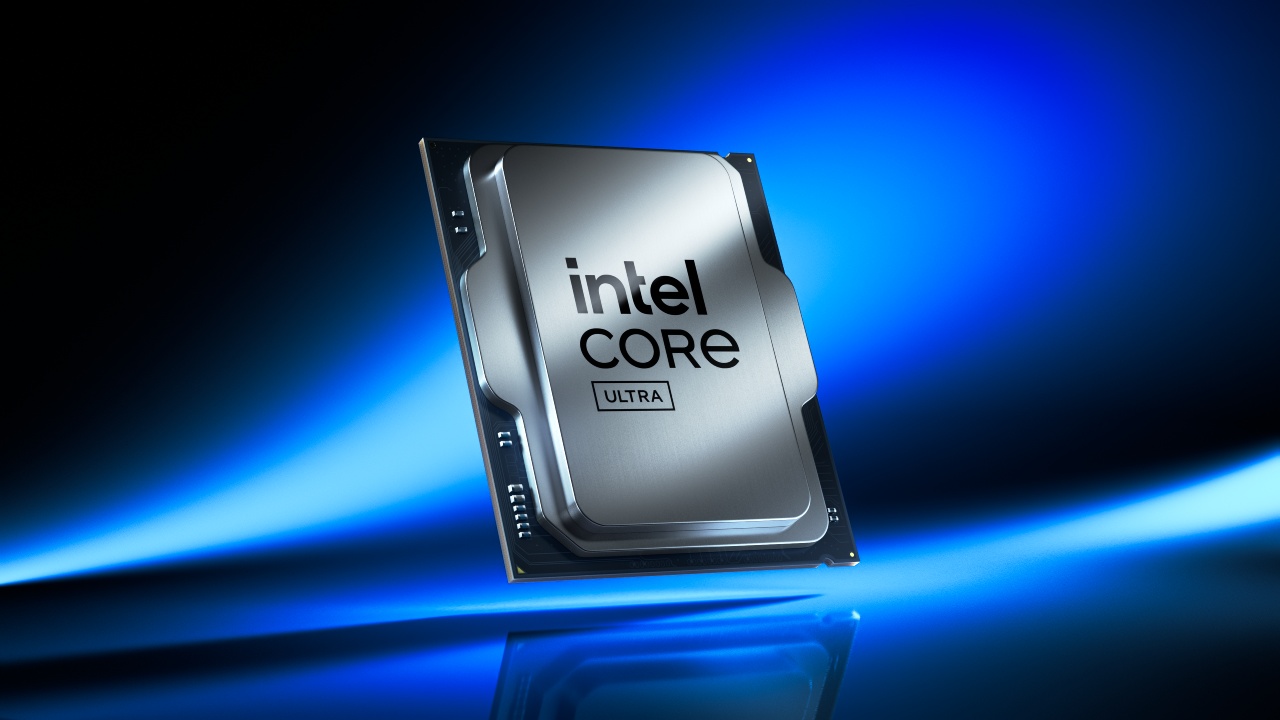
Attention is also shifting toward Intel's upcoming Nova Lake processors. Recent online discussions and leaks claim the architecture could deliver extremely strong gaming and multi-threaded performance, potentially even outperforming AMD's Zen 6 lineup in several scenarios.
One report suggested that Nova Lake engineering samples are already shipping, with estimates indicating around 1.2x single-threaded performance improvements over previous architectures. The claims also reference higher IPC gains, improvements to Intel's fabric design, and the addition of large BLLC cache structures.
Some analysts believe the 52-core Nova Lake variants could become absolute monsters in heavily threaded workloads. Others specifically highlight gaming performance due to larger cache configurations and architectural improvements. However, there are reasons to approach some of these claims carefully.
Engineering samples have reportedly been circulating internally for months, so their existence is not necessarily new information. Those early chips are also unlikely to represent final retail performance. Clock speeds, memory compatibility, and power behavior can still change substantially during the engineering and qualification process.
There is also an important distinction between Intel's massive 52-core configurations and the more mainstream single-tile variants. The larger chips appear closer to HEDT-light products rather than direct mainstream gaming processors. While they could deliver incredible multi-threaded performance, bandwidth limitations and I/O bottlenecks may still affect certain workloads.
Zen 6 Versus Nova Lake Could Become Extremely Competitive
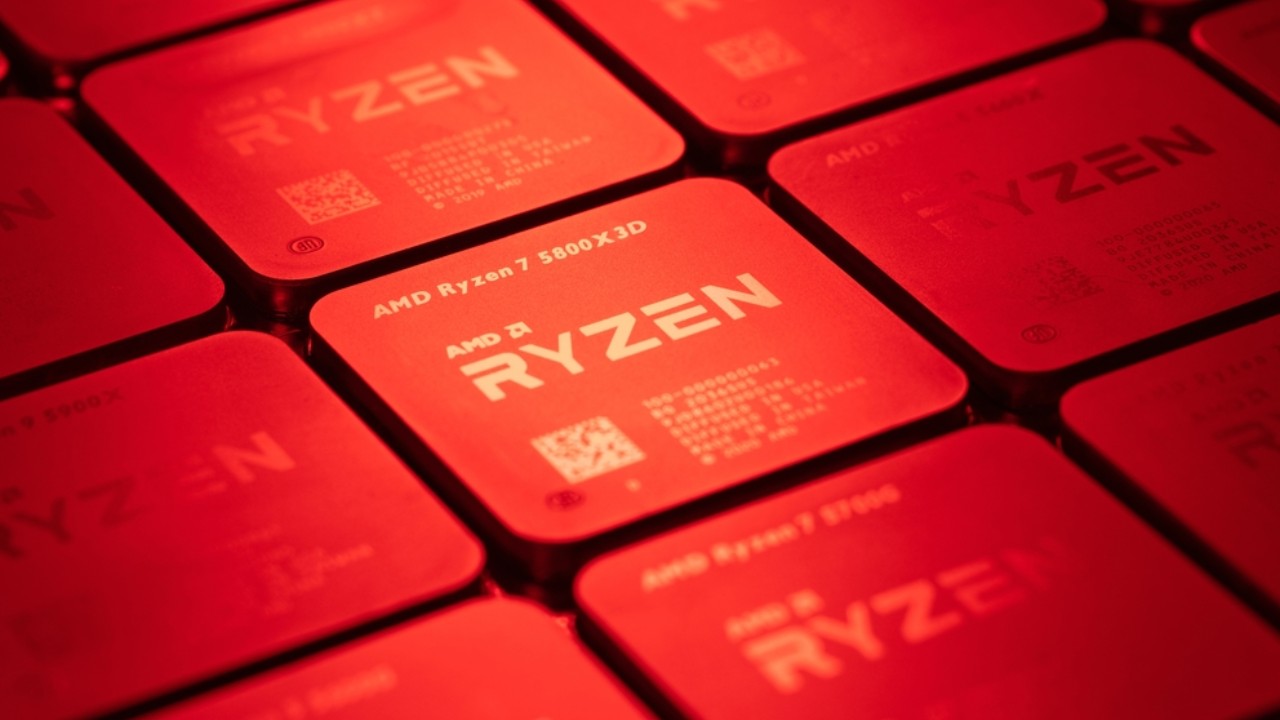
AMD's Zen 6 architecture is also shaping up to be a major leap forward. Current leaks suggest Zen 6 CCDs may increase to 12 cores each using TSMC's N2P process. That would allow up to 24 cores and 48 threads on mainstream desktop platforms.
Cache sizes are also expected to increase substantially. Rumors indicate 1 MB of L2 cache per core, along with 48 MB of L3 cache per CCD. X3D variants may reportedly push stacked cache totals to 96MB on a single CCD configuration.
Memory support around 8000MTS is also expected for AM5 platforms.
IPC gains for Zen6 remain one of the biggest topics of debate right now. Some leaks previously suggested improvements between 10% and 15%, but more recent discussions indicate the gains could land closer to around 8% overall. Clock speeds, meanwhile, may climb into the 6GHz to 6.4GHz range depending on the SKU.
For Intel, Nova Lake reportedly delivers stronger IPC improvements than Arrow Lake, particularly on the P-core side. However, clock frequency scaling may remain relatively flat. Some reports even suggest slight regressions in peak frequency compared to current Intel chips, although E-core improvements are reportedly very impressive.
Right now, the overall battle still feels difficult to predict. AMD may retain an advantage in gaming efficiency and cache-sensitive workloads, especially with X3D variants. Intel, meanwhile, could dominate heavily threaded applications with its higher-core-count configurations.
Power consumption could become a deciding factor. High-end Nova Lake processors, especially the 52-core models, are expected to consume substantial power under unrestricted workloads. Performance leadership may ultimately depend on how aggressively power limits are configured.
Competition between both companies would ultimately benefit gamers and PC enthusiasts the most. If Nova Lake becomes highly competitive while Zen6 also delivers strong gains, the next desktop CPU generation could become one of the most interesting battles in years.
Senior Editor, NoobFeed
Gaming Hardware Updates
No Data.