
Memory Shortages are Disrupting the Entire Gaming Industry
Rising component costs driven by accelerating AI development are reshaping expected timelines for future console hardware releases.
Hardware by Tanvir Kabbo on Jan 01, 2026
Video game industry is about to undergo significant changes. The prices and release dates of next-generation consoles from major companies are under significant pressure as artificial intelligence advances rapidly and demand for high-end components grows. The world is changing swiftly, and both producers and customers will feel the effects.
What We Know About Sony's Current State
When discussing Xbox and Nintendo plans for 2026, the lineups already look fairly defined. Sony, however, remains relatively straightforward. We know that Marvel's The Marathon and Marvel's The Sorcerer's Apprentice are coming out, and potentially Marvel's Wolverine may be released in 2026 as well.
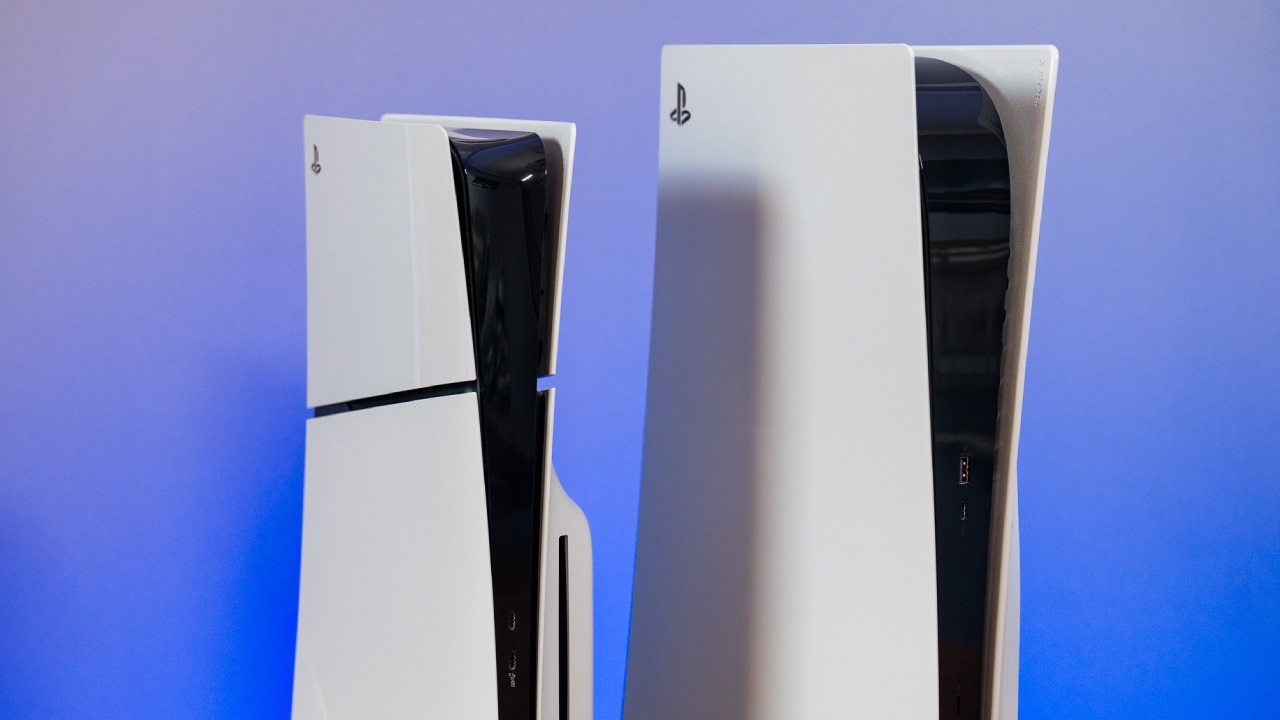
That is likely the core of their first-party slate so far, at least among what has already been announced.
Yet across conversations about Xbox, Nintendo, and what would have been a PlayStation equivalent, there has been one consistent idea: it's not a matter of if console prices will go up; it's a matter of when. And as we are right now in the middle of an AI boom—an AI revolution—the answer is becoming increasingly obvious.
How AI Is Already Everywhere
Some people may not like the way AI is going, and some of us are not happy with it either. But the truth is that it is already here, already in use, and already approved by big businesses. There are AI-generated ads from big firms, and even simple actions like calling insurance companies now involve automated systems that say they use AI. The genie is out of the bottle. The seal has been cracked.
The time to resist AI integration would have been a year or two ago. That opportunity has passed. Now the question is how we navigate life with AI embedded in everything while figuring out how we, as a species, coexist with it. That discussion can wait for another time, though, because console price increases are the more immediate concern—and 2026 is shaping up to be the turning point.
Reports Signaling a Shift in Next-Gen Plans
A report from Tom Henderson at Insider Gaming suggests that next-generation consoles may take a very different direction than expected. While many anticipated something Xbox-related in 2026 with a possible launch in 2026 or 2027, that may no longer be the case.
The catalyst is component pricing. GPU price hikes are approaching rapidly. Those on AMD and Nvidia GPUs will see high price rises starting as early as January or February 2026. The specific schedule might not be perfect, but the pattern is clear: prices are likely to go up, and these price hikes affect everything related to making consoles.
.jpg)
AMD, Nvidia, and Impact on Console Hardware
We can clearly see which companies are manufacturing chips for modern consoles. Xbox works with AMD. Nintendo's next platform is expected to use an Nvidia system-on-a-chip. If GPU and component prices go up—and they will—console production will be caught in the middle.
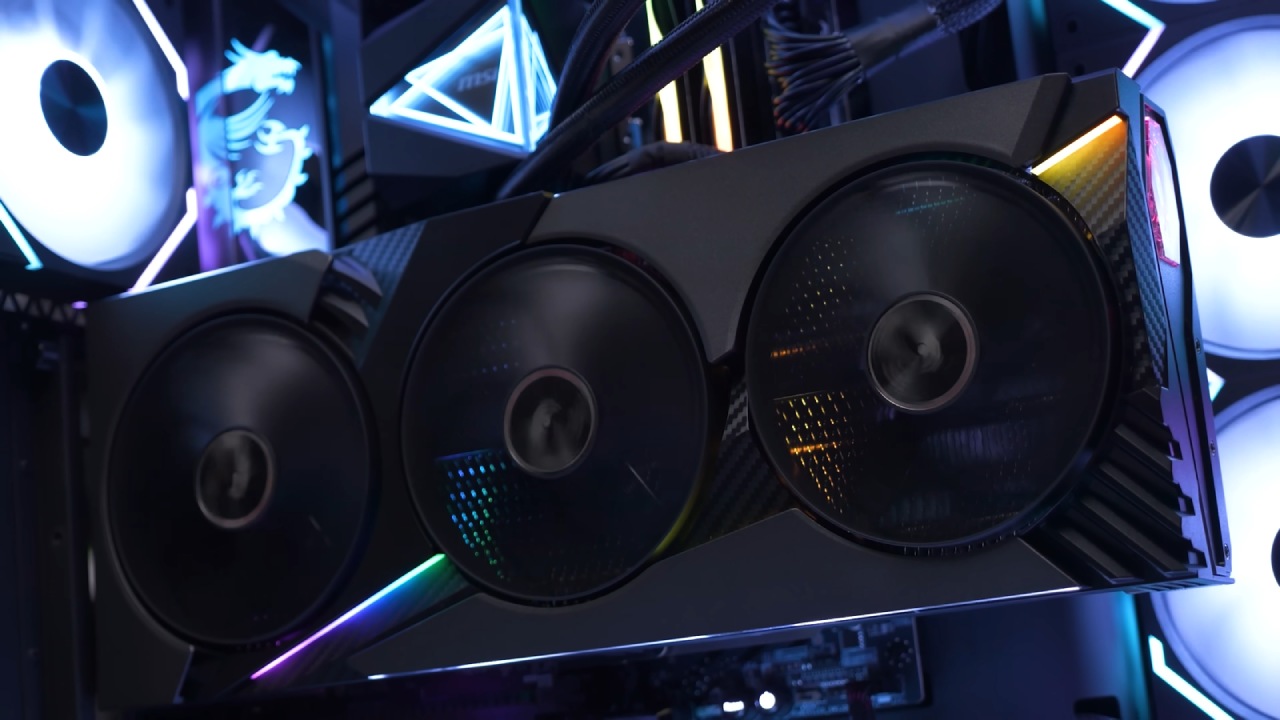
AI data centers worldwide are consuming staggering amounts of hardware. Demand is skyrocketing. Supply is strained. Companies like Micron are stepping back from consumer markets. When supply is limited, and demand explodes, prices go up. This means that console makers need to review the prices of their current hardware and determine whether they can introduce new systems soon.
Why high component costs make it hard to release new consoles
When the price of everything needed to produce a console goes up, firms like Xbox and PlayStation have to make hard choices. The price of existing hardware may need to go up to make up for the increase. New hardware would cost even more, maybe even more than $1,000 for a next-generation system.
We can already see the stress building. It looks like the Steam-branded system, which is set to come out in early 2026, is stuck between a rock and a hard place. Prices have risen faster than projected, and that equipment may now cost much more than planned. Other businesses are keeping a careful eye on this because they know how risky it is to join a market with gear that costs too much.
We Don't Actually Need New Consoles Right Now
Here is where we step in with what many of us have been saying for a long time: we don't need new consoles yet. We don't need a new Xbox that basically functions like a PC we already have. We don't need a PlayStation 6 right now either. What we need are games—high-quality games that take advantage of the hardware already in our homes.
The current generation of consoles launched during a pandemic and has a lot of cross-gen games to fill it. It seems like the generation really started in 2023 in many ways. Now, all of a sudden, people are talking about next-gen hardware? It just doesn't make sense.
Why Generational Leaps Aren't as Important as They Used to Be
In the past, technology moved so swiftly that new generations were needed every 8, 16, 32, or 64 bits. Every jump made something that couldn't be done on the last system. The discrepancies are much milder now.
Most current modifications focus on ray tracing, lighting, and improved frame rates. These improvements are nice, but they aren't needed. A game is fantastic no matter what kind of graphics it employs. Many of our favorite titles on current consoles could have existed—perhaps with slight adjustments—on previous systems.
We've played games on current hardware that still rely heavily on design philosophies and technologies of the last generation. And in many cases, older titles still look fantastic. The changes we're looking for don't need us to quickly replace our gear anymore.
Why Delayed Consoles Would Actually Benefit Us
Both the PlayStation 5 and the Xbox Series X are very powerful and stunning right now. We can enjoy gorgeous graphics, fast load times, and 120 frames per second. We just need more games that work well with that technology.
Delaying PlayStation 6 or the next Xbox until 2030 is not a bad thing. It gives developers more time to explore the hardware they already have. It prevents companies from releasing undercooked incremental upgrades at outrageous prices. And it lets the industry slow down long enough to innovate again rather than chase marginal improvements.
Bottom Line
Because of the AI boom and the skyrocketing prices of essential components, next-generation consoles will likely face delays. We may have to wait several more years before they hit the market, and honestly, we don't really need them yet.
Paying $1,100 for a new console just to get ray tracing at 60 fps isn't going to appeal to many people. If you don't already have a strong PC, you might as well stick with one.
How businesses change, how the AI bubble evolves, and how long component costs remain high will all affect the future. For now, we are only interested in games, not hardware.
Also, check our other NVIDIA articles below:
- NVIDIA GeForce RTX 5080 Review (2025): Still A 4K Gaming Powerhouse?
- NVIDIA RTX 5070 Review: Mid-Range Muscle or Marketing Hype?
- RTX 5070 Ti Review: Performance, Thermals & Power Efficiency Tested
- ASUS GeForce RTX 5090 LC Liquid Cooled GPU Review: Unmatched Silence & Speed
- MSI GeForce RTX 5090 32GB SUPRIM SOC Review: Power Efficiency, Cooling, and Gaming Performance
- INNO3D RTX 5060 Ti 16 GB X2 Review: Gaming Benchmarks, Temps, and Power Efficiency
- HP Omen 45L Review: RTX 5090 Performance, Thermals, and Value Analysis
- ASUS TUF Gaming GeForce RTX 5060 Ti Review: DLSS 4, Power Efficiency, and Gaming
- ASUS Prime RTX 5060 Ti OC 16GB Review: DLSS 4, Ray Tracing, & Thermals Tested
- NVIDIA GeForce RTX 5060 Review: Specs, Gaming, and Cost per Frame
- MSI GeForce RTX 5090 GAMING TRIO OC Review: A Monster Power GPU
Senior Editor, NoobFeed
Gaming Hardware Updates
No Data.