
Why Next-Gen GPUs are Slipping: RDNA5, RTX 60, Memory Inflation, And Zen7 Platform
Rising memory costs create widespread instability across GPU supply chains and manufacturing decisions throughout the industry.
Hardware by Tanisha Aria on Nov 28, 2025
The graphics industry is going through a period of uncertainty because the release dates for new GPU generations are being delayed by rising memory costs, shifting production goals, and supply pressure from AI.
As major makers undergo several internal changes simultaneously, release dates for new hardware are becoming less rigid. Memory availability, wafer allocation, and platform changes are affecting the component ecosystem, which in turn impacts both customers and industry partners.
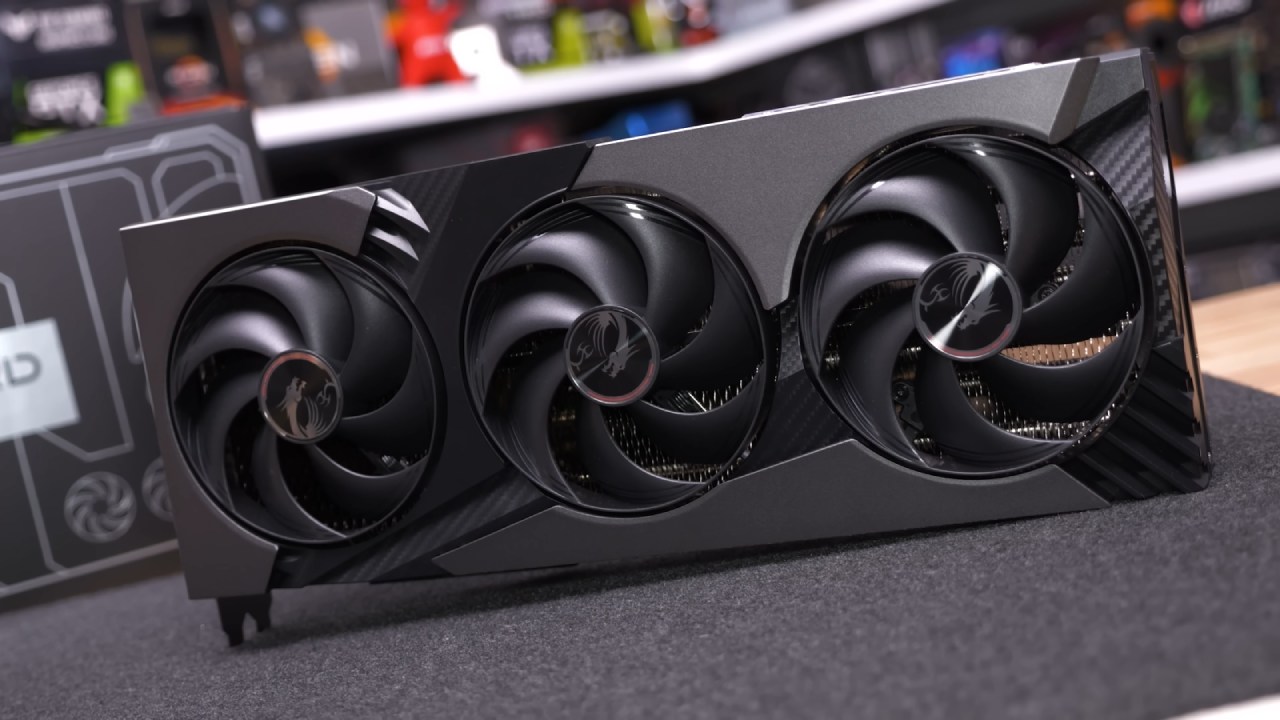
Rising memory costs affect
We start by laying the background because several new developments have a direct effect on GPU and platform roadmaps. AMD is reportedly raising prices by 10%. Reports of this started coming out earlier, when private memos were sent around. Still, it looks like the situation is now real.
We had heard from a PowerColor representative before that prices would go up after Black Friday, especially as we got closer to next year. Now there are signs that AMD is telling partners as well. Memory costs are going up, and so are the costs of computer cards in general.
Remember that RDNA4 GPUs depend on GDDR6, which makes them more vulnerable to changes in the memory market right now. There are also rumors that Xbox may have to raise prices at some point. Sony might be able to cover some of its costs temporarily by selling more software.
However, it's still unclear whether its memory prices are set in stone. It's likely that even Nvidia, which is moving toward GDDR7, will face the same problems, since so much memory is now going to AI.
There are still rumors circulating that lower-end GPUs might not be produced due to the cost and availability of parts. Reports also say that OpenAI is buying memory wafers that haven't been cut up yet, and that Lenovo, the biggest PC maker, has about 50% more parts in stock than normal.
It looks like manufacturers are hoarding memory to keep prices and inventory levels stable for as long as possible. Being able to afford the parts is useless if they can't be bought.
There are supply problems when we look at general trends in memory prices. Many modules are out of stock, and prices have doubled in some cases since the middle of the year. Both consumers and manufacturers are struggling in this situation.
Next-Gen Launches Are Delayed by the RTX 50 Super and Memory Pressure
Now we will discuss how these factors affect GPUs more broadly. Many news outlets said that the launch of the RTX 50 Super models was originally planned for the first quarter of next year.
There were some disagreements about whether the launch date could be moved up or down a little. As long as the products aren't completely canceled, new information makes Q3 more likely. More stress is being placed on resources because the required GDDR7 modules are being sent to AI needs.
We had heard that the RTX 60 might be released in the first quarter of 2027, with high-end models like a possible 1690-class coming out in March or early in Q2.
Now, that information doesn't match the most recent news. AIB partners aren't sure if the RTX 60 will come out in 2027 at all, according to several sources. Some say it might come out in late 2027 or even 2028. Another person is a little more positive and thinks it will happen in Q3 or Q4 2027, but nothing is certain yet.
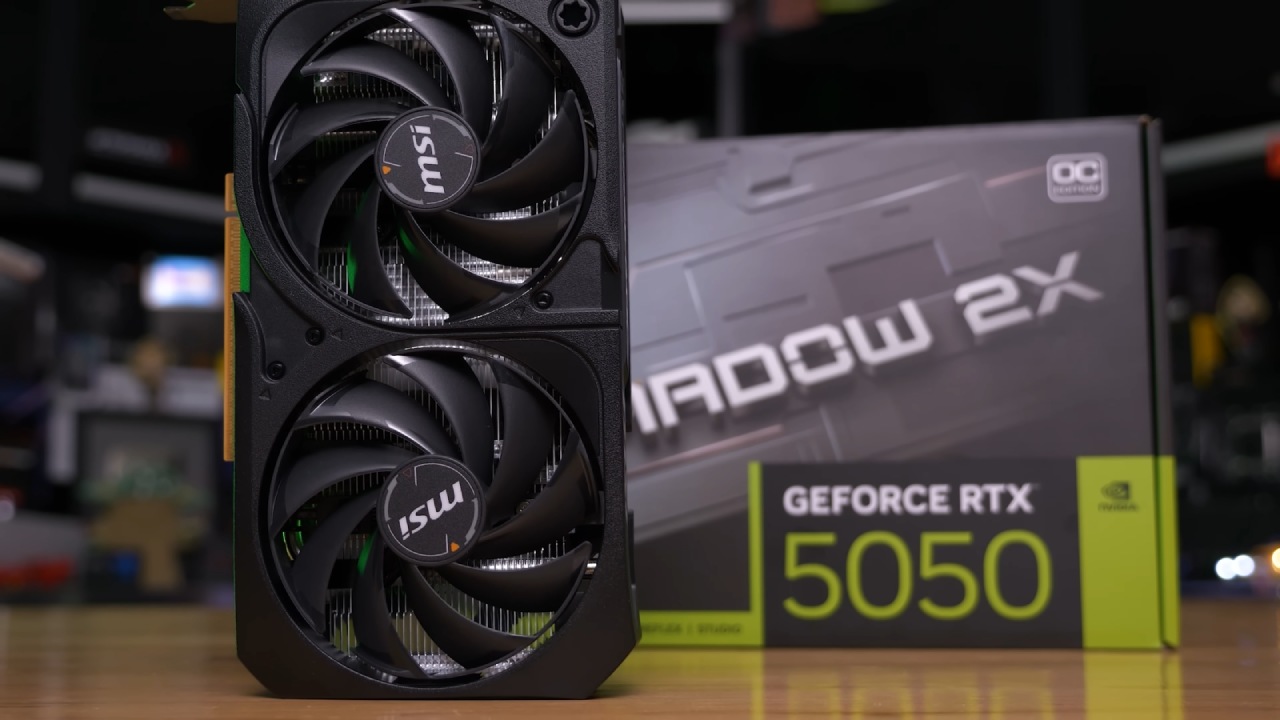
RDNA5 Timing Shifts and Alignment With Console Cycles
The RDNA5 gene adds to the problems. Earlier information referred to a window in late 2026 or early 2027, but new reports say that Computex 2027 may be a more likely date.
This would put AMD about six months ahead of the PlayStation 6's scheduled launch, which is in line with how AMD and Sony have worked together in the past. Still, this isn't good for customers, as delays hurt performance across the board and make it harder for competitors to offer good deals.
There are also rumors that it will be very hard to find low-end GPUs in the coming months. This could make models like AMD's GRE-series or Nvidia's 5060-class cards hard to find.
It's hard to say exactly what's "low-end" when the split ranges from RTX 5050 to RTX 5070 Ti. According to some accounts, the problem may be worse on 16GB versions of some models.
More stress in the industry as a whole, and how it affects the used market
We can tell that people in the business are getting angrier, whether they are giving us leaks or just making general observations. A lot of stress is being felt, and it's showing up in the used market.
People who own older cards like the RTX 3090 or other RTX 30 models might think twice about upgrading, since it's not as easy now that prices and availability are changing.
Not only do RTX 4090 units hold their value well for gaming, but they are also useful for AI tasks. A lot of cards are being upgraded to have more memory, making them more useful for longer.
Zen7 Core Counts and Uncertain Platform Strategy
Zen7 features make things more complicated. A well-known leaker recently said that the desktop Zen7 could have up to 32 cores. Based on what we've heard, it sounds true.
The tricky part is picking the platform. Some sources still say AM5 is most likely, while others say AM6 or a variant could be involved. It's also possible for Zen7 to use a split approach, where some models come out on AM5, and more powerful parts move to AM6.
New memory standards, such as DDR6 and next-generation LP memory, add to the confusion because AI and data center demand keep eating up space. It looks like businesses are hedging their bets in case the AI bubble pops, but no one can say for sure whether or when it will.
Capacity Constraints and Long-Term Consumer Impact
Even if AMD or Nvidia gets foundries like TSMC to make wafers, allocating the available space will still be a problem. AI has much greater potential for generating revenue than consumer hardware, making it harder for companies that make products for games to compete.
This changes not only the RAM units but also the wafer space for the whole GPU dies. The buyer group feels increasingly left out.
If RTX 50 Super really moves to Q3 and RTX 60 moves closer to 2028, it will have a big effect on when people can update. Many people put off updating their gear, further disrupting the market's normal rhythm.
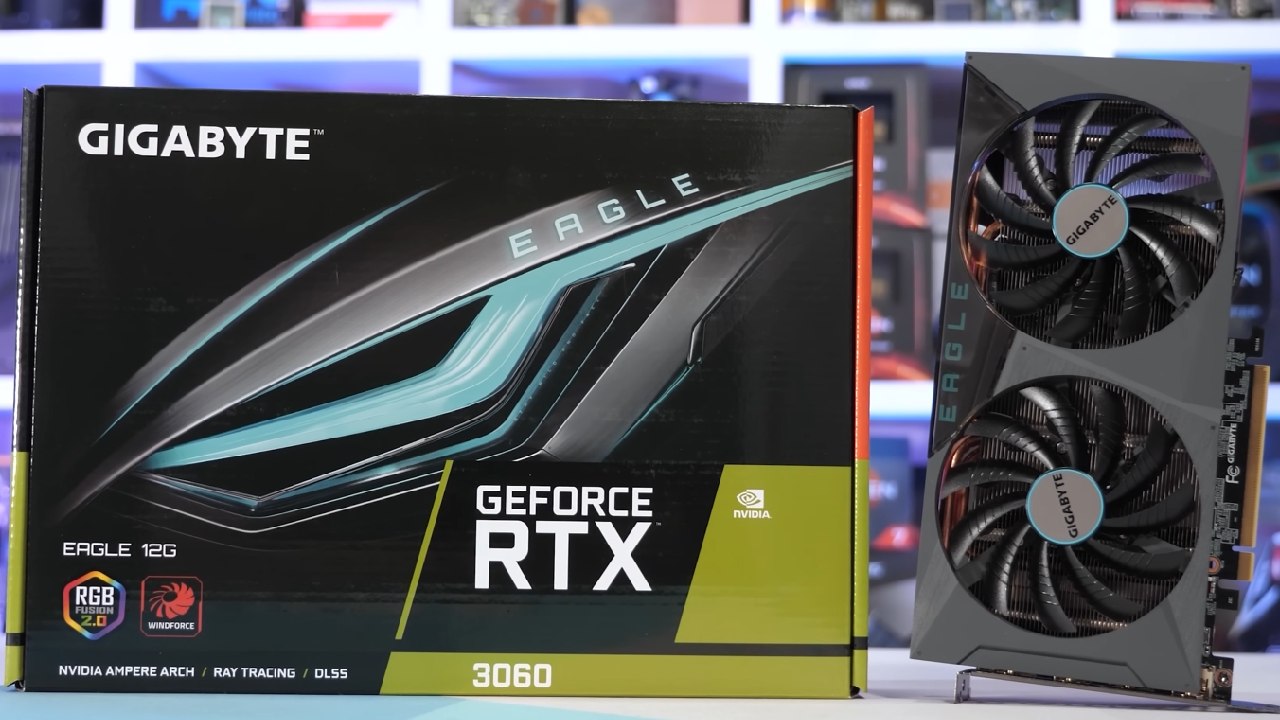
A Hard and Uncertain Time Ahead for GPUs and CPUs
The PC hardware area is about to go through a tough time. Consumers and makers are struggling due to memory shortages, rising prices, AI-driven demand, and tight production timelines.
There is no clear information on the roadmaps for RTX 60, RDNA5, and Zen7, and many people in the business feel the same way. How badly consumer hardware is affected will depend on how availability trends, wafer allocation goals, and AI market behavior change over the next few months.
Also, check our other AMD articles below:
- AMD Ryzen 9 9950X3D Review: Setting The Standard For 2025 Gaming CPU
- AMD Ryzen 7 9800X3D Review: 3D V-Cache Goes God Mode with Stunning Gaming Performance
- AMD RX 9070 Performance Review: Thermals, Clocks, and Real-World FPS
- AMD Ryzen 5 7600 Review: Best Budget Gaming CPU of 2025?
- AMD Radeon RX 7800 XT Review: RDNA 3 Power For Midrange Gaming
- Sapphire NITRO+ AMD Radeon RX 9070 XT Review: The Ultimate 4K Gaming GPU
- AMD Ryzen 7 7800X3D: Delivers Gaming Performance Far Beyond Expectations
- AMD Ryzen 9 7900X Review: Powering the AM5 Era with DDR5 & PCIe 5.0
- Intel Core i9‑14900K vs. AMD Ryzen 7 7800X3D: Power Profiles & Gaming Benchmarks
Contributor, NoobFeed
Gaming Hardware Updates
No Data.