
NVIDIA GPU Failures Surge as Warranty Claims Spike Over 1000%
Intel Nova Lake CPUs introduce high core counts and large cache designs aiming to compete with advanced gaming processors.
Hardware by Nahe Yan on Apr 16, 2026
The most recent changes in the hardware and gaming industries show how CPU architecture is evolving, how reliable GPUs are, how network rules are changing, and how corporate actions are impacting the broader ecosystem.
We have further information about Intel's next-generation Nova Lake CPUs, and they appear to be high-core-count processors that will directly compete with AMD's X3D series. The best configuration will include 52 cores: 16 P-cores, 32 E-cores, and 4 low-power E-cores. We could also observe up to 288 MB of L3 cache, and a lower-end device still had about 144 MB.
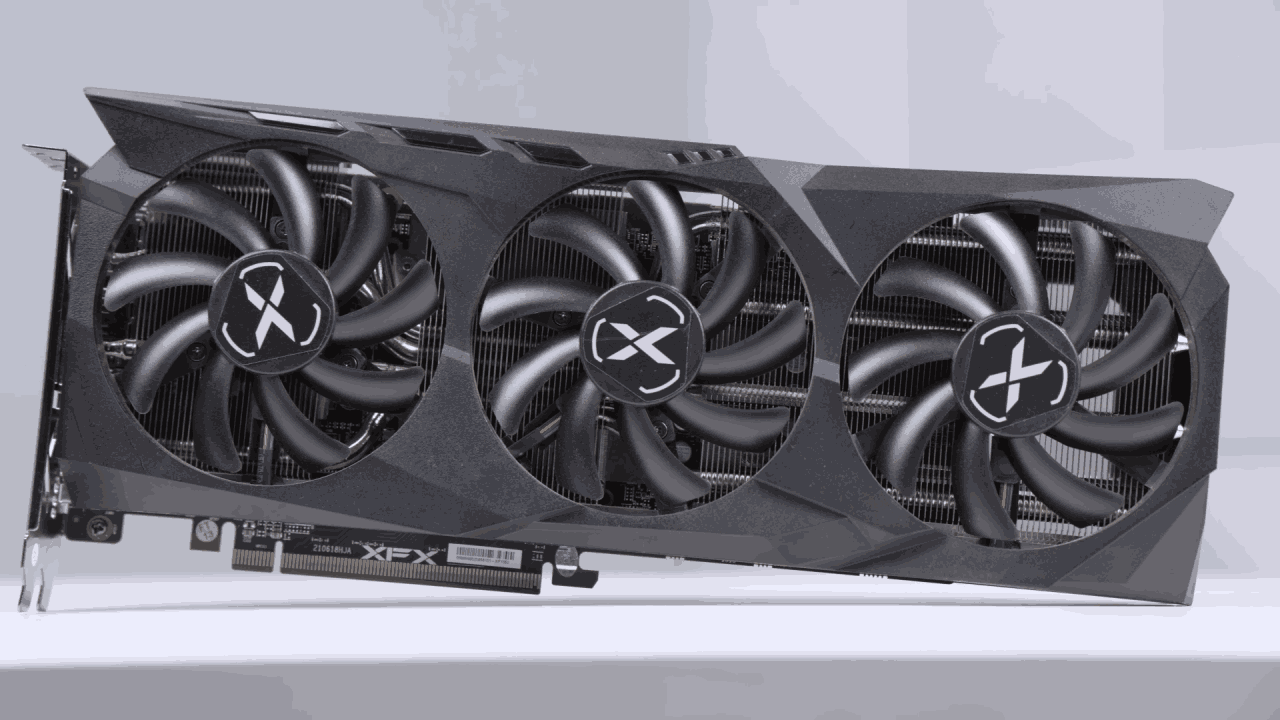
Intel Nova Lake CPUs and Cache Plan
Intel is also developing its own version of AMD's 3D V-Cache, which it calls BLLC, or "huge last-level cache." Only the more expensive SKUs are expected to have this feature. The others will have to rely on architectural changes and advancements in IPC. Pricing is still a concern, and we want it to stay in line with competitors' pricing rather than going too far.
As we've seen with previous price cuts on updated chips, Intel will likewise keep changing its pricing methods. There are also discussions within the company about placing greater emphasis on gaming, which could affect how these CPUs are marketed.
APU Direction and Integrated Graphics
Intel is also looking into better integrated graphics options for Nova Lake. We are seeing signs of a 16-core version with a 12 XE3P core GPU, which is close to what will be in new laptop platforms.
When you design a system, this setup can make it less necessary to have an entry-level GPU. However, you should consider whether PCIe lanes will be cut down, as in some other designs, or whether Intel will maintain full expandability for future updates.
Rumors about Nvidia GPU memory and performance
Some people say that the 5060 Ti and 5060 GPUs coming out soon will have more memory, possibly using 3GB modules. But this could mean the memory bus width drops from 128 bits to 96 bits.
Some reports say that these improvements might not work for everyone, which is also what we're hearing. If put into place, the trade-off between capacity and bandwidth could impair performance, depending on the workload.
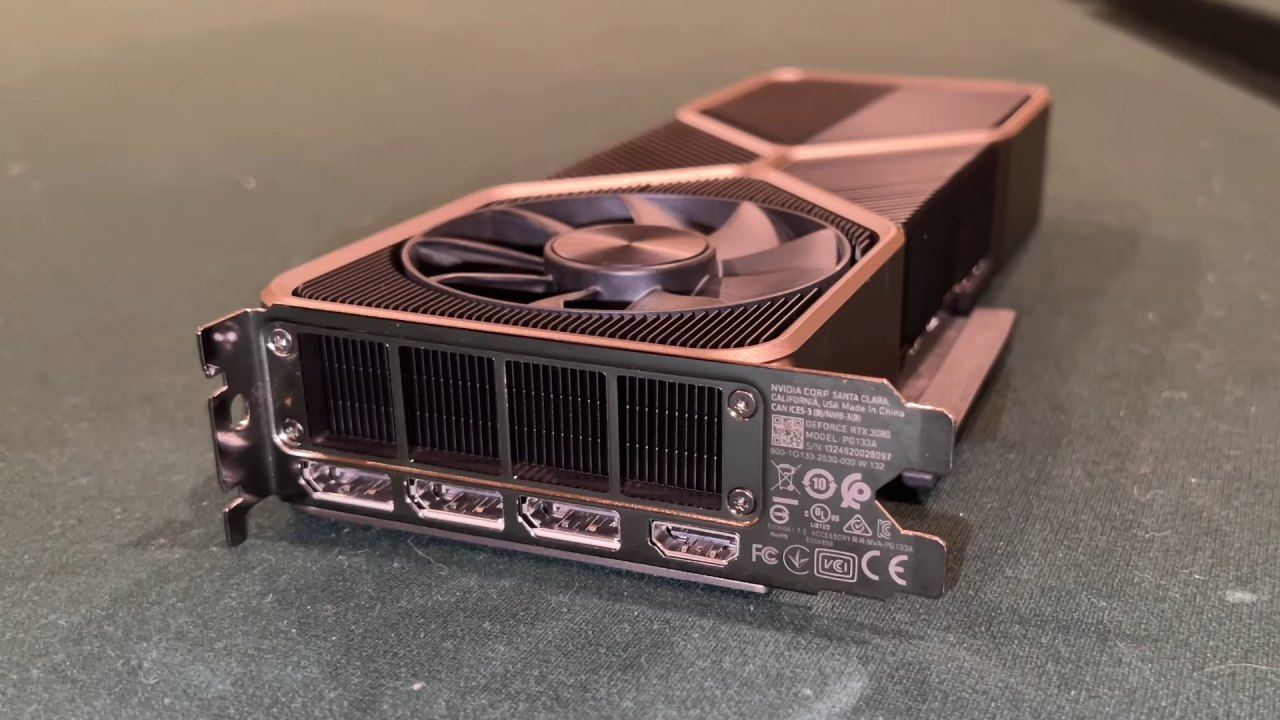
Rumors about NVIDIA buying something
People have been talking about NVIDIA buying a big PC or server company, which may change the industry. NVIDIA has openly disputed these accusations, saying that no such talks are underway. You should treat this as unproven, even though similar stories have emerged in the past and have changed over time. More and more people are making GPU warranty claims.
What's most important is the rise in NVIDIA GPU guarantee claims. A report says that the amount given out has grown by over 1,000% in the past few years, from $81 million in 2024 to $894 million in 2025. There have been reports of recurring malfunctions, including issues with the power connector and overheating. NVIDIA hasn't directly answered these questions, and power supply manufacturers often have to address them on their own.
AMD GPUs, on the other hand, have a lower increase in warranty claims, which could mean their power design and reliability differ.
Final Thoughts
These changes show how quickly things are changing in the world of tech. There are new rules, changes to CPU architecture, and reports of industry mergers. GPUs are also becoming less reliable.
It's clear from these trends that design trade-offs, pricing strategies, and long-term dependability are becoming more and more important for making performance better.
Also, check our other hardware articles:
- AMD Ryzen 9 9950X3D Review: Setting The Standard For 2025 Gaming CPU
- Amazon Luna 2025 Review: Is Prime Gaming's Cloud Service Your Go-To For Casual Fun?
- AMD RX 9070 XT Review: AMD's RDNA 4 Champion for 1440p Gaming
- GeForce Now Ultimate: Ditching Your Gaming PC For Cloud RTX 4080 Power?
- NVIDIA GeForce RTX 5080 Review (2025): Still A 4K Gaming Powerhouse?
- Intel Core Ultra 9 285K Review And Performance Breakdown (2025)
- AMD Ryzen 7 9800X3D Review: 3D V-Cache Goes God Mode with Stunning Gaming Performance
- Intel Core Ultra 9 285K vs AMD Ryzen 7 9800X3D: In-Depth Gaming Performance and Benchmark Comparison
- NVIDIA GeForce RTX 5080 Super Performance In Cyberpunk 2077: Path Tracing & DLSS 4.0 Tested
- AMD Radeon RX 9070 XT In Cyberpunk 2077: Ray Tracing & FSR 4.0 Tested
- Intel Arc B580 Review: The $250 GPU Revolutionizing 1440p Gaming
- Intel Arc B570 Vs. B580: Value, Specs, And Real-World Gaming Performance
- RTX 5090 Laptop Vs. M4 Max MacBook Pro: Ultimate Raw Performance Vs. Battery Endurance
- Intel Arc b580 Vs. RTX 4060: Game Performance And Value Analysis
- RTX5090 Hell Is Us Demo 4K Ultra Benchmark: DLSS Vs. Native Performance Guide
- NVIDIA RTX 5070 Review: Mid-Range Muscle or Marketing Hype?
- Nintendo Switch 2 Review: Handheld Performance, Features & Value Breakdown
- RTX 5070 Ti Review: Performance, Thermals & Power Efficiency Tested
- Samsung Odyssey OLED G81SF Review 2025: Ultimate 32-Inch QD-OLED Gaming Monitor
- AMD RX 9070 Performance Review: Thermals, Clocks, and Real-World FPS
- AMD Ryzen 5 7600 Review: Best Budget Gaming CPU of 2025?
- AMD Radeon RX 7800 XT Review: RDNA 3 Power For Midrange Gaming
- Asus ROG RTX 5090 Astral OC Vs. Founders Edition: The 4K Gaming Benchmark
Editor, NoobFeed
Gaming Hardware Updates
No Data.