
NVIDIA RTX 5070 Ti vs. RTX 5080: Best GPU Choice for 1440p and 4K Gaming
Detailed benchmark results showcasing performance differences between the RTX 5070 Ti and RTX 5080 across 1440p and 4K resolutions.
Hardware by Tanisha Aria on Nov 06, 2025
GPU prices have finally stabilized after a challenging few months. Many new graphics cards are now available at their original MSRP, and some are even on sale. The GeForce RTX 5070 Ti and RTX 5080 are two of the most eagerly awaited choices for late 2025.
They both utilize Nvidia's Blackwell architecture to deliver performance that is superior to anything else. The base model of the RTX 5080 costs $999, while the RTX 5070 Ti costs about $749. Depending on cooling and factory overclocking, premium models from different brands are typically slightly more expensive.
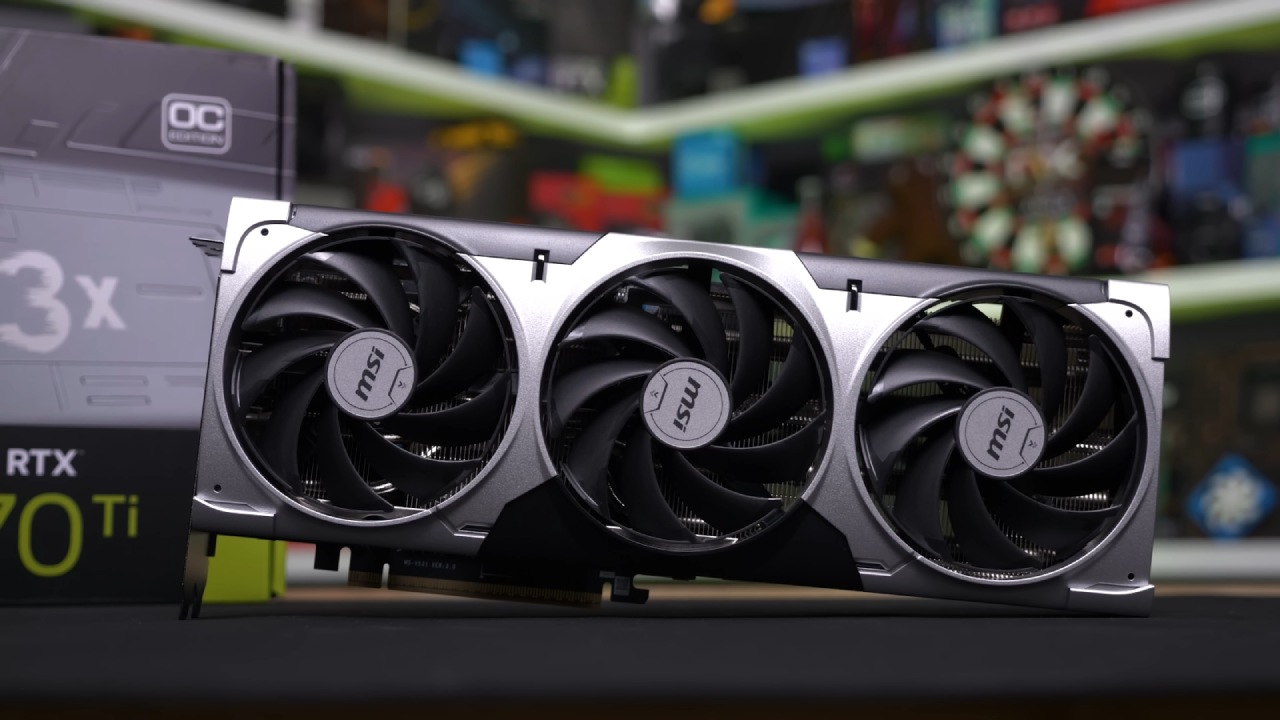
We will examine this more closely by comparing their architecture, specifications, and real-world gaming benchmarks at 1440p and 4K.
Hardware Setup and Technical Specifications
The RTX 5080 features Nvidia's GA102 Blackwell GPU, which boasts 10,752 CUDA cores and 16GB of GDDR6 memory operating at a blisteringly fast 32GB/s. The RTX 5070 Ti has the same GB203 chip; however, it is configured slightly differently. It features 8,960 CUDA cores and the same 16GB of GDDR7 VRAM, but it operates slightly slower at 28GB/s.
The RTX 5080 has more cores and a faster memory bandwidth than the other GPU, making it better suited for demanding tasks such as 4K gaming and advanced rendering workloads.
The encoder and decoder hardware are another factor that distinguishes them. The RTX 5080 features two 9th-generation Nvidia encoders and two 6th-generation decoders. The RTX 5070 Ti only has one decoder and two encoders.
This difference in hardware can impact the performance of tasks such as streaming, video editing, and AI-accelerated tasks, particularly when encoding and decoding speed is crucial.
Test Setup and Benchmark Configuration
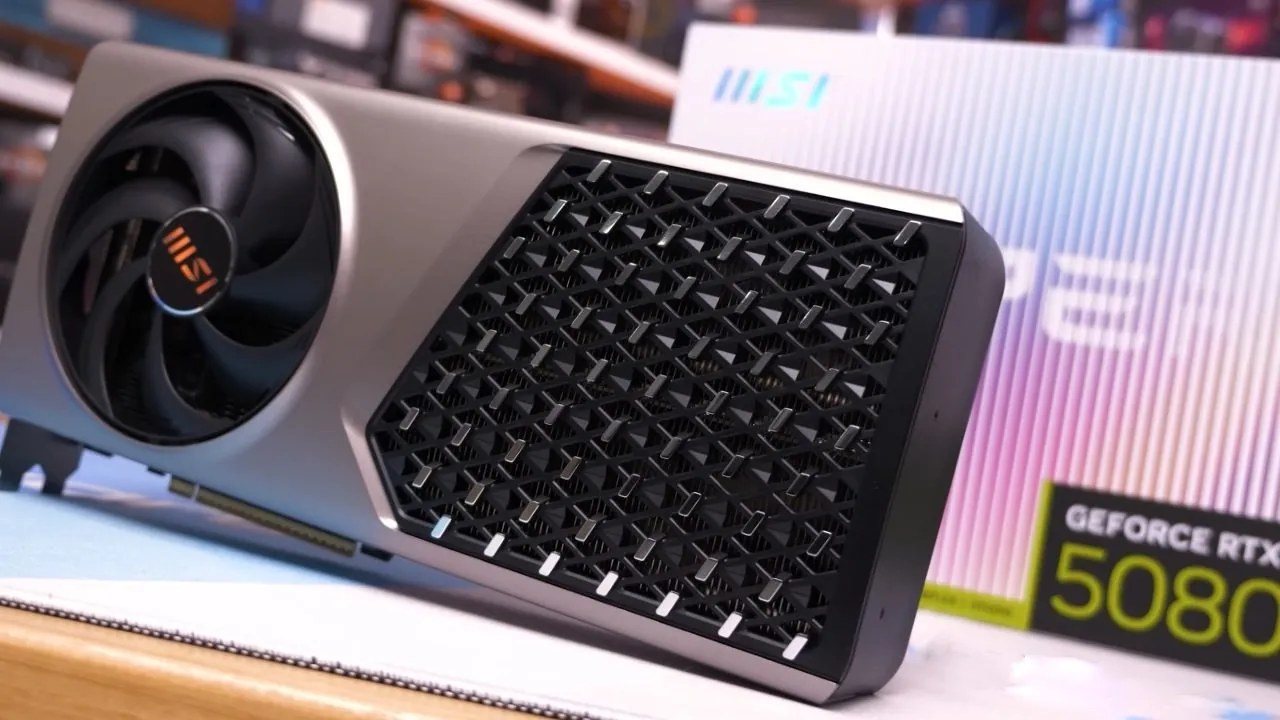
For this comparison, we used MSI's GeForce RTX 5080 Expert and ZOTAC's RTX 5070 Ti AMP Extreme Infinity editions. We tested both cards in the same high-end system to ensure consistent results. We ran benchmarks at two popular gaming resolutions: 2560 x 1440 (1440p) and 3840 x 2160 (4K).
We examined 13 new AAA games and compared them to a selection of challenging, graphically rich titles that utilize ray tracing and DLSS technologies. To reduce variations and ensure the accuracy of the results, the data were averaged over several test runs.
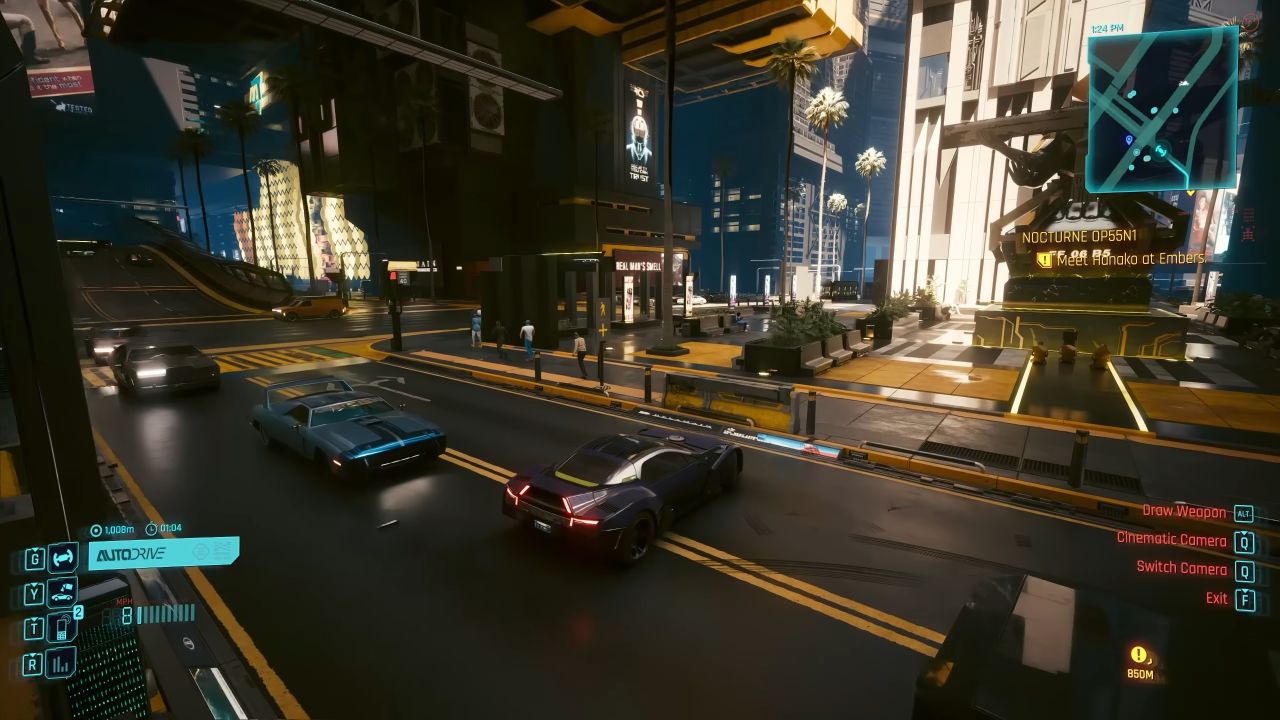
Performance of 1440p gaming
Both GPUs performed exceptionally well at 1440p, effortlessly handling demanding games with high frame rates. The RTX 5080 had an average performance that was about 15% better than the RTX 5070 Ti. The extra CUDA cores and higher memory bandwidth were the primary reasons for this performance boost, enabling games with extensive graphics to run more smoothly.
But the RTX 5070 Ti stayed very efficient and was able to play most modern games at 1440p with a high refresh rate. It strikes a great balance between price and performance, offering performance that is almost as good as a flagship phone at a more affordable price.
4K (UHD) Gaming Performance
The RTX 5080's performance edge widened slightly when it was pushed to 4K resolution. It had frame rates that were about 17% higher than the RTX 5070 Ti on average.
The extra cores and faster memory helped keep performance smooth, especially in ray-traced games, where the GPU has to do significantly more work.
The RTX 5070 Ti wasn't as fast. However, it still performed well with 4K graphics, and many games maintained playable frame rates, especially when DLSS 4 upscaling was enabled. The 5070 Ti is still a good choice for gamers who want to play in 4K and tweak some settings.
Performance Summary and Comparative Value
The RTX 5080 was about 15% faster at 1440p and 17% faster at 4K than the RTX 5070 Ti across the 13-game average benchmark. The 5070 Ti is about 22% faster than the base RTX 5070, just so you know.
However, price is a crucial aspect of this comparison. The RTX 5080 is 19% faster than the RTX 5070 Ti, but it costs 33% more. Most gamers will get the greatest price with the RTX 5070 Ti. The 5070 Ti is a great choice for those seeking high-end gaming performance without incurring a significant expense, as it offers a higher price-to-performance ratio.
Final Thoughts
When choosing between the RTX 5080 and RTX 5070 Ti, it all comes down to what you need for gaming and work. The RTX 5080 has slightly more raw power, faster encoders and decoders, and improved performance in 4K situations. This makes it the best choice for individuals seeking optimal performance.
The RTX 5070 Ti, on the other hand, is a great choice due to its affordability, strong performance, and good value. It provides gamers who primarily play 1440p games or use 4K for light tasks with an experience almost identical to the RTX 5080, but at a significantly lower price.
In conclusion, the RTX 5080 remains the more powerful GPU; however, for most users, the RTX 5070 Ti offers a better overall value and a more favourable price-to-performance ratio.
Also, check our other NVIDIA articles:
- NVIDIA GeForce RTX 5080 Review (2025): Still A 4K Gaming Powerhouse?
- NVIDIA RTX 5070 Review: Mid-Range Muscle or Marketing Hype?
- RTX 5070 Ti Review: Performance, Thermals & Power Efficiency Tested
- ASUS GeForce RTX 5090 LC Liquid Cooled GPU Review: Unmatched Silence & Speed
- MSI GeForce RTX 5090 32GB SUPRIM SOC Review: Power Efficiency, Cooling, and Gaming Performance
- INNO3D RTX 5060 Ti 16 GB X2 Review: Gaming Benchmarks, Temps, and Power Efficiency
- HP Omen 45L Review: RTX 5090 Performance, Thermals, and Value Analysis
- ASUS TUF Gaming GeForce RTX 5060 Ti Review: DLSS 4, Power Efficiency, and Gaming
- ASUS Prime RTX 5060 Ti OC 16GB Review: DLSS 4, Ray Tracing, & Thermals Tested
- NVIDIA GeForce RTX 5060 Review: Specs, Gaming, and Cost per Frame
- MSI GeForce RTX 5090 GAMING TRIO OC Review: A Monster Power GPU
Contributor, NoobFeed
Gaming Hardware Updates
No Data.